ChipApex | Global Electronic Components Supplier

SEARCH
Search Product
Search Post
— IC芯片 | 连接器 | 传感器 | 被动器件 —
Search productSearch post
— IC芯片 | 连接器 | 传感器 | 被动器件 —
Consult the customer manager about the wholesale price.
consultation hotline:86-132-6715-2157
email:[email protected]
Contact the product manager for consultation. One-stop consultation is available.
Do you want a lower wholesale price? Please send us your inquiry and we will reply immediately.
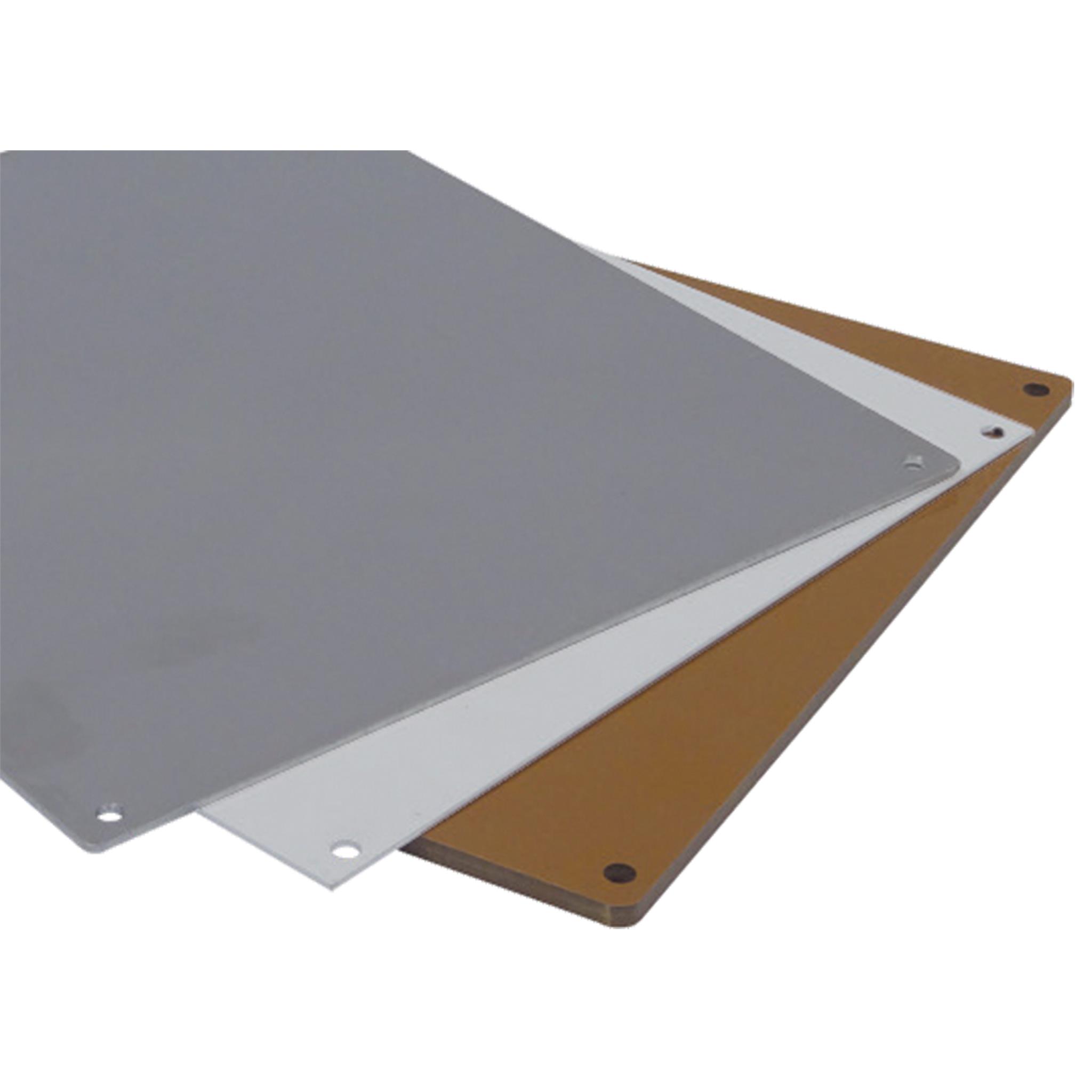
The Hoffman Enclosures BP1412S is a mounting plate designed for integration into electrical enclosure systems. It serves as an APOA71 mounting platform, facilitating the secure installation of internal components within NEMA-rated enclosures. This component ensures structural stability and proper alignment for panel-mounted devices, contributing to organized and safe electrical infrastructure management.
Verify compatibility with the specific enclosure model intended for installation. Confirm that the mounting hole patterns align with the selected enclosure series. Ensure the material specifications meet the environmental requirements of the deployment site. Check for any required accessories such as screws or standoffs not included with the plate.
Select this plate based on the dimensions of the target enclosure and the layout requirements of the internal components. Ensure the plate thickness and material are suitable for the mechanical loads imposed by the mounted equipment. Consider accessibility for maintenance when determining the final placement within the enclosure structure.
This part belongs to the Hoffman Enclosures accessory line, specifically designed to enhance the functionality of standard electrical enclosures. It complements the main enclosure body by providing a dedicated surface for component attachment, ensuring a robust and professional installation environment for critical electrical systems.
Consult official nVent Hoffman documentation for cross-reference data. Verify dimensional equivalence if substituting with generic mounting plates. Ensure material integrity matches original specifications for corrosion resistance and mechanical strength.
 BP1412S

See how a MEMS gyroscope measures angular rate, why its angle estimate drifts, and which range, noise, interface and temperature specs to compare.
Read More
May 4, 2026 — The global power semiconductor market is grappling with a worsening supply crunch, as lead times for key components have extended…
Read More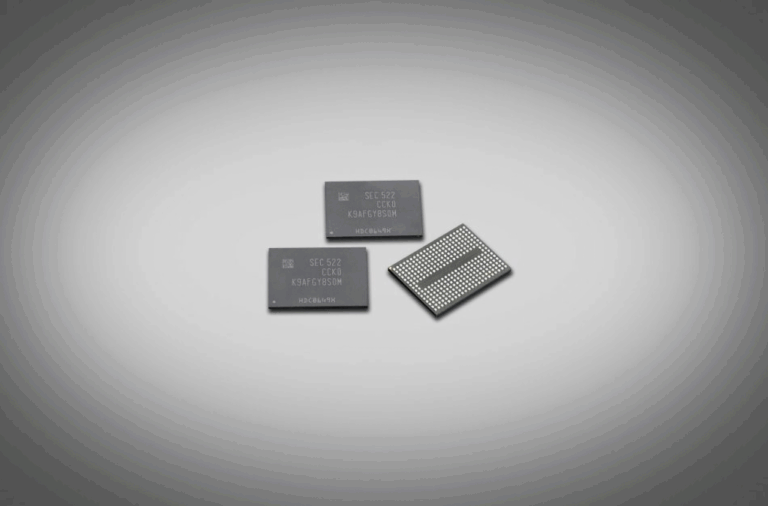
Date: May 13, 2026 The global memory industry is facing an unprecedented supply crunch in legacy MLC NAND Flash. Leading manufacturers including Samsung Electronics…
Read More
Learn how a diode conducts, how to identify anode and cathode, and when to choose rectifier, TVS, Zener or photodiode types for a circuit.
Read More
Select a common mode choke using noise frequency, current, insulation and signal integrity. Understand impedance curves, layout and filter limitations.
Read More
Choose a reed relay for signal switching. Understand hot and cold switching, leakage, contact resistance, isolation and measurement settling requirements.
Read More
Choose logic inverter ICs by thresholds, supply, output drive and delay. Compare standard and Schmitt-trigger inputs, power sequencing and replacement checks.
Read More
Compare RC, crystal and MEMS oscillator circuits. Check ppm, jitter, load capacitance, startup margin and output compatibility before choosing a clock source.
Read More
As the backbone of modern technology, electronic components are undergoing revolutionary changes, driven by advancements in materials science, miniaturization, and smart manufacturing. From ultra-efficient…
Read More
As 2025 draws to a close, the global semiconductor industry stands at a crossroads. Intertwined with escalating geopolitical tensions, supply chain disruptions, and groundbreaking…
Read More
If you’ve spent any time staring at a schematic, you’ve seen the triangle. Two inputs, one output, and a gain symbol that looks deceptively…
Read More
Choose a vibration sensor for machine monitoring. Compare sensing methods, bandwidth, noise and mounting, then define the signal-chain requirements.
Read More
The activity of extra discounts on wholesale prices is in full swing…
Please fill in your contact information and we will send you the latest wholesale price list.