 ChipApex | Global Electronic Components Supplier

SEARCH
Search Product
Search Post
— IC芯片 | 连接器 | 传感器 | 被动器件 —
Search productSearch post
— IC芯片 | 连接器 | 传感器 | 被动器件 —
Consult the customer manager about the wholesale price.
consultation hotline:86-132-6715-2157
email:[email protected]
Contact the product manager for consultation. One-stop consultation is available.
Do you want a lower wholesale price? Please send us your inquiry and we will reply immediately.
BQ29414PW is listed in the Battery Management range at ChipApex. The manufacturer field lists Texas Instruments. Its product description is IC BATT PROT LI-ION 2-4CL 8TSSOP. Review the specifications below when checking this part for your BOM.
The BQ29414PW is a secondary voltage protection integrated circuit designed for lithium-ion battery packs containing two, three, or four cells. It operates within a supply voltage range of 4 V to 25 V and features an output threshold of 4.55 V. The device is housed in an 8-pin TSSOP package and supports surface-mount installation. It functions reliably across an extended temperature range from -40°C to +110°C, providing robust overvoltage protection for portable electronics and power tools.
Verify component authenticity through authorized channels as the BQ29414 series may have limited availability. Confirm package integrity upon receipt. Ensure compliance with RoHS directives if required by your specific application standards. Cross-reference datasheet revisions to match design specifications accurately before integration into production lines.
Select this component when secondary overvoltage protection is required for 2 to 4 cell Li-ion packs. Ensure the operating environment stays within the specified thermal limits. Verify that the 4.55 V threshold aligns with the battery management system requirements. Consider the TSSOP-8 footprint for PCB layout compatibility during the design phase.
This part belongs to the Texas Instruments BQ294xx family of battery protection ICs. These components are engineered specifically for secondary protection roles in lithium-ion applications. The family offers various thresholds and packages to suit different cell counts and form factors, maintaining consistent performance characteristics across the series.
Check for direct pin-compatible substitutes within the BQ294xx series such as BQ29414DCTRG4. Verify that alternative parts maintain the same 4.55 V threshold and TSSOP-8 package dimensions. Ensure thermal ratings and electrical specifications match the original design requirements.
Explore related parts through Power Management (PMIC), Integrated Circuits (ICs), all product categories, ChipApex homepage.
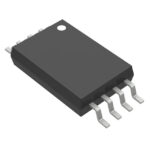 BQ29414PW
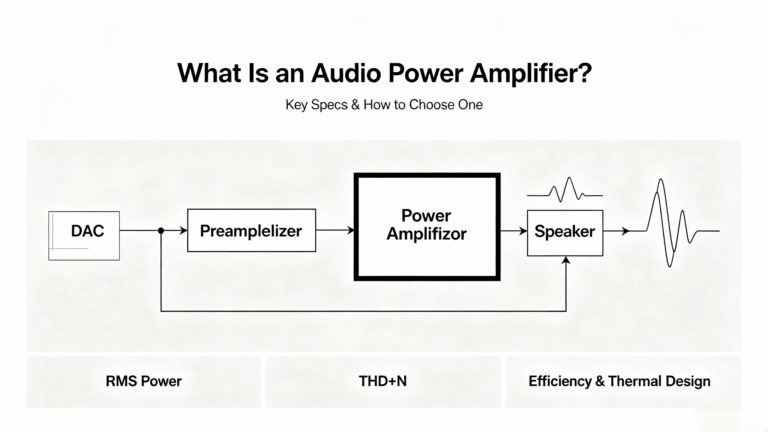
BQ29414PW is listed in the Battery Management range at ChipApex. The manufacturer field lists Texas Instruments. Its product description is IC BATT PROT LI-ION…
Read More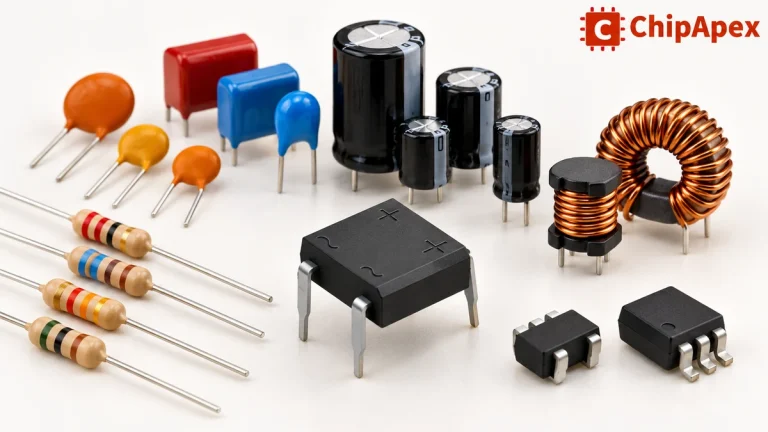
Explore electronic component types, functions, packages and datasheets. Learn selection, replacement and BOM checks before ordering parts for your PCB.
Read More
BQ29414PW is listed in the Battery Management range at ChipApex. The manufacturer field lists Texas Instruments. Its product description is IC BATT PROT LI-ION…
Read More
BQ29414PW is listed in the Battery Management range at ChipApex. The manufacturer field lists Texas Instruments. Its product description is IC BATT PROT LI-ION…
Read More
BQ29414PW is listed in the Battery Management range at ChipApex. The manufacturer field lists Texas Instruments. Its product description is IC BATT PROT LI-ION…
Read More
BQ29414PW is listed in the Battery Management range at ChipApex. The manufacturer field lists Texas Instruments. Its product description is IC BATT PROT LI-ION…
Read More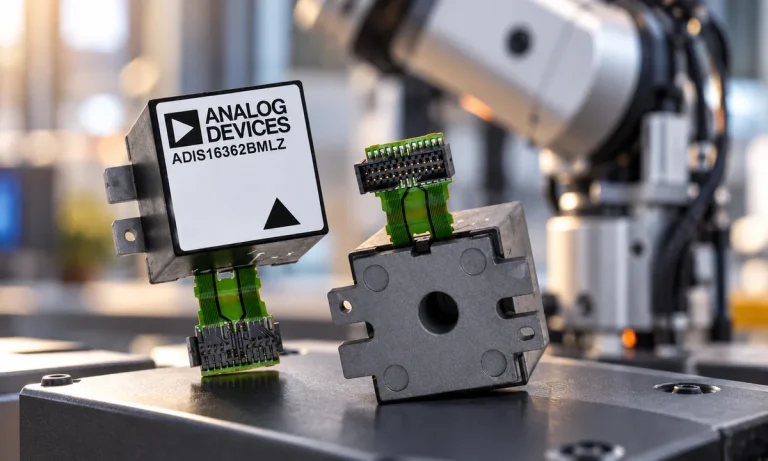
Learn what an IMU measures, how accelerometers and gyroscopes work together, why orientation estimates drift, and what to compare.
Read More
Choose a DIP switch by contact type, coded positions, footprint and signal ratings. Check logic polarity, assembly conditions and PCB configuration behavior.
Read More
BQ29414PW is listed in the Battery Management range at ChipApex. The manufacturer field lists Texas Instruments. Its product description is IC BATT PROT LI-ION…
Read More
Learn how a diode conducts, how to identify anode and cathode, and when to choose rectifier, TVS, Zener or photodiode types for a circuit.
Read More
BQ29414PW is listed in the Battery Management range at ChipApex. The manufacturer field lists Texas Instruments. Its product description is IC BATT PROT LI-ION…
Read More
See when an inductor behaves linearly, how DC bias and saturation reduce inductance, and which current and temperature curves to check.
Read More
The activity of extra discounts on wholesale prices is in full swing…
Please fill in your contact information and we will send you the latest wholesale price list.




