ChipApex | Global Electronic Components Supplier

SEARCH
Search Product
Search Post
— IC芯片 | 连接器 | 传感器 | 被动器件 —
Search productSearch post
— IC芯片 | 连接器 | 传感器 | 被动器件 —
Consult the customer manager about the wholesale price.
consultation hotline:86-132-6715-2157
email:[email protected]
Contact the product manager for consultation. One-stop consultation is available.
Do you want a lower wholesale price? Please send us your inquiry and we will reply immediately.
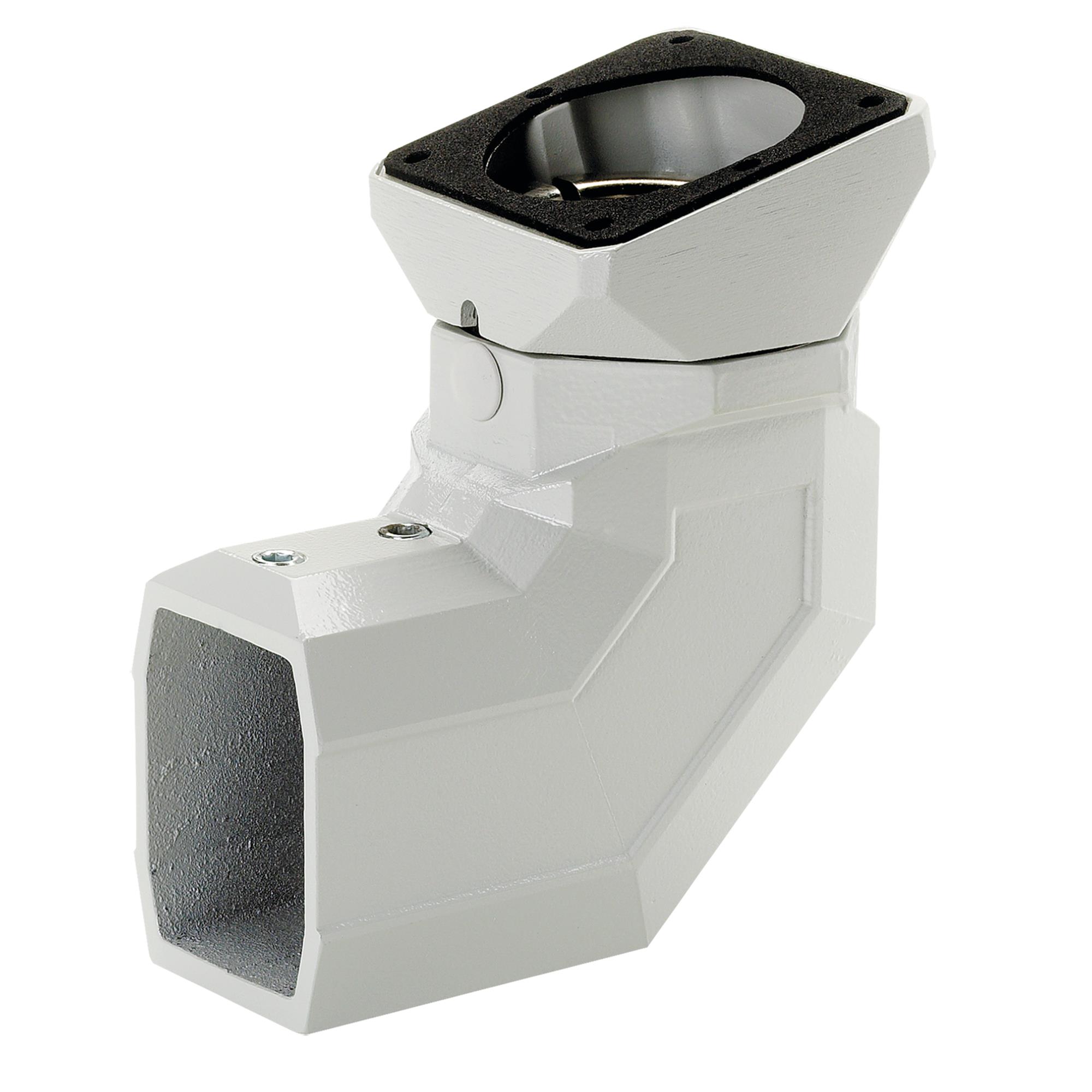
The CCS2FEC15LG is a Compact Series 2 Flange Elbow Coupling manufactured by Hoffman Enclosures, Inc. Constructed from aluminum and finished in light gray, this component features a 15-degree angle design intended for conduit routing applications. It is specifically engineered to fit 45x60mm conduit systems. The coupling serves as a critical interface element within industrial enclosure setups, facilitating directional changes in electrical pathways while maintaining structural integrity and compatibility with associated mounting hardware.
Verify the specific conduit diameter requirement of 45x60mm before procurement to ensure mechanical compatibility. Confirm that the application environment aligns with the aluminum construction properties. Cross-reference the part number CCS2FEC15LG with official nVent Hoffman documentation to validate its suitability for the intended Concept or CC series enclosure model. Ensure the 15-degree angle meets the spatial constraints of the installation site.
Select this coupling when a precise 15-degree conduit offset is required within a 45x60mm system. It is appropriate for use with Hoffman Concept, CC2000, and CC4000 enclosures. Consider the aluminum material composition for weight and corrosion resistance factors relative to the installation environment. Ensure the flange design matches the mating components in the assembly.
This component belongs to the Hoffman Compact Series 2 line of accessories. It functions as a specialized fitting rather than a primary enclosure body. The product is categorized under rack accessories and conduit fittings within the manufacturer's catalog. It supports the integration of Human Machine Interface (HMI) units into standardized industrial enclosure frameworks.
No public substitute part numbers are confirmed in available documentation. Verify compatibility with existing flange standards before attempting substitution.
 CCS2FEC15LG

Understand tactile switches, PCB and keyboard differences, four-pin wiring, debounce, force, travel and replacement checks for reliable control inputs.
Read More
Learn how rectifiers convert AC to DC, compare half-wave and bridge circuits, and select voltage, current, recovery and thermal ratings for your design.
Read More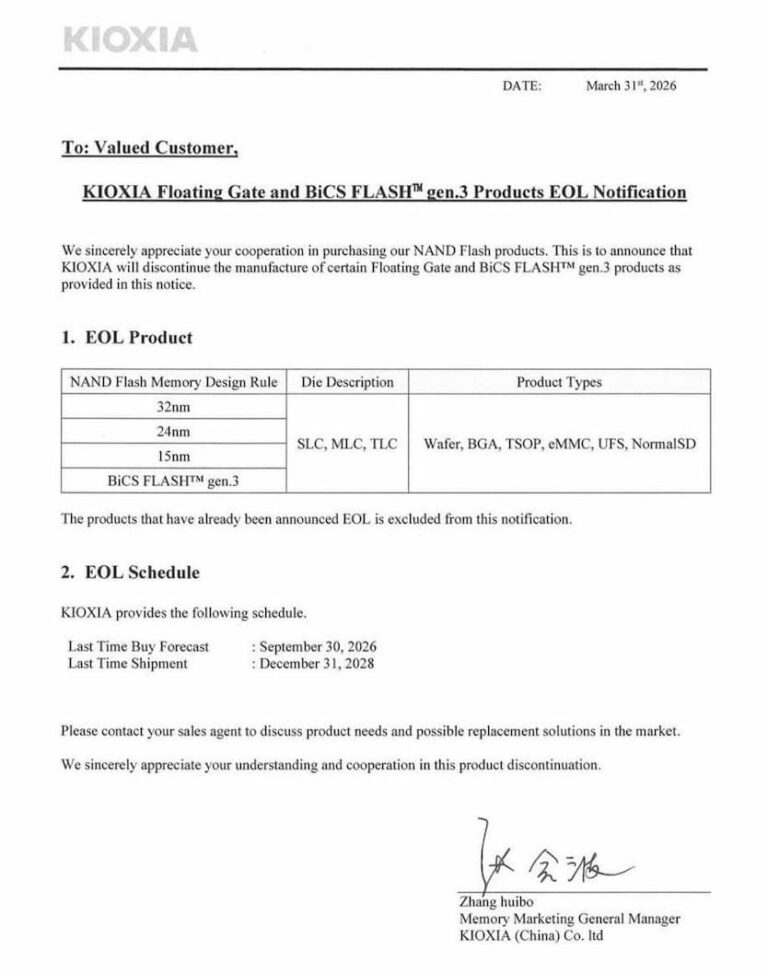
TOKYO, April 1, 2026 – Kioxia Corporation (formerly Toshiba Memory Corporation), a global leader in flash memory and storage solutions, has officially issued a…
Read More
Over the past week, the global electronic components sector has witnessed dual transformations in policy and technology: Coupled with mounting pressure from a worsening…
Read More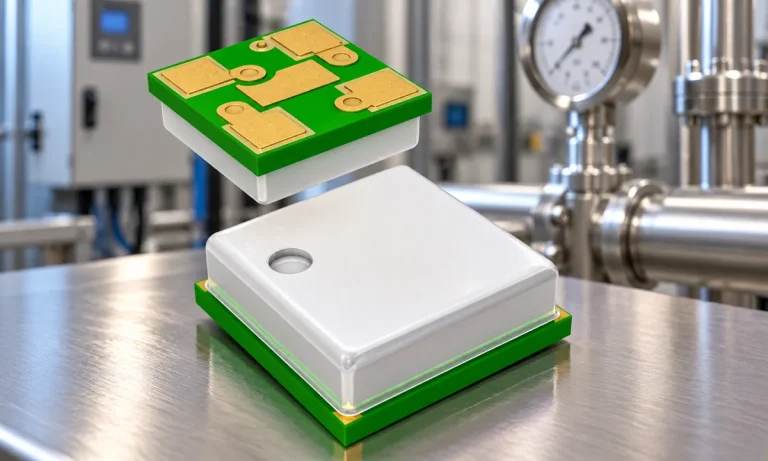
Learn how a pressure transducer converts pressure into voltage, current, or digital output, and compare pressure references and key selection specs.
Read More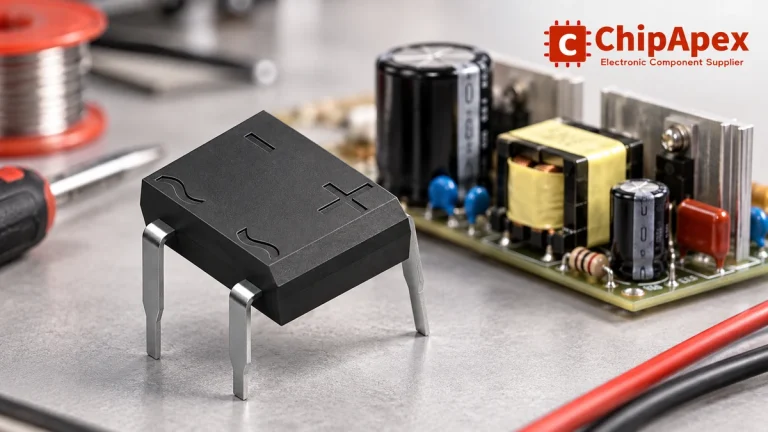
Select a bridge rectifier by reverse voltage, capacitor charging current, startup surge and cooling. Work through a stated DC voltage and ripple example.
Read More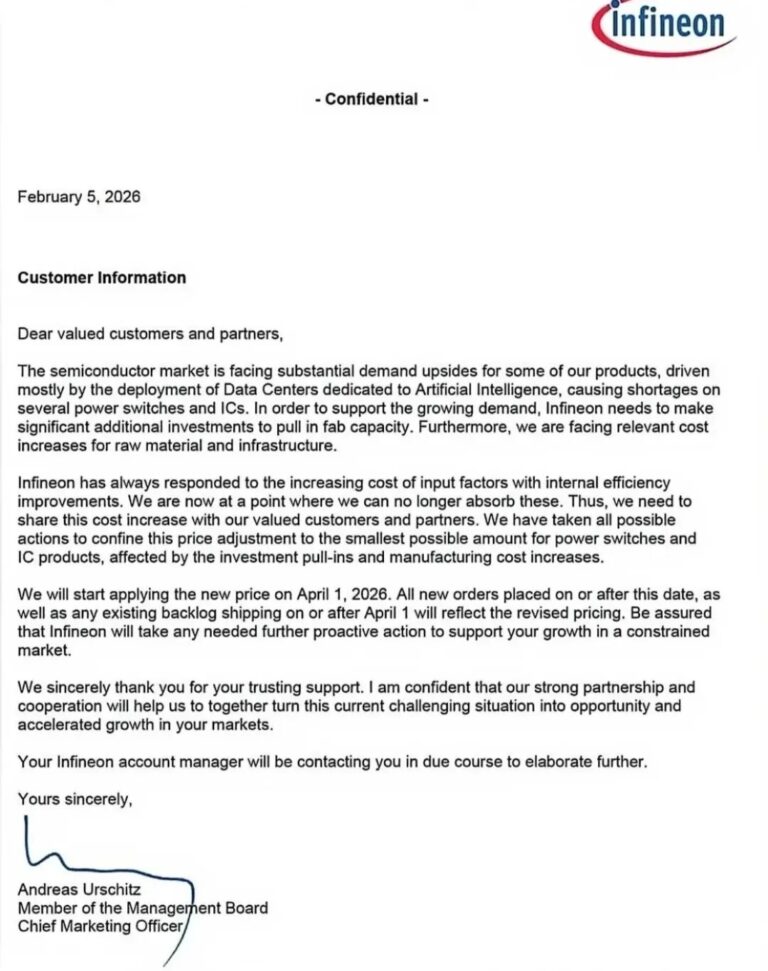
Munich, Germany – February 8, 2026 — Infineon Technologies, the German semiconductor giant, officially issued a price increase notice on February 5, announcing that…
Read More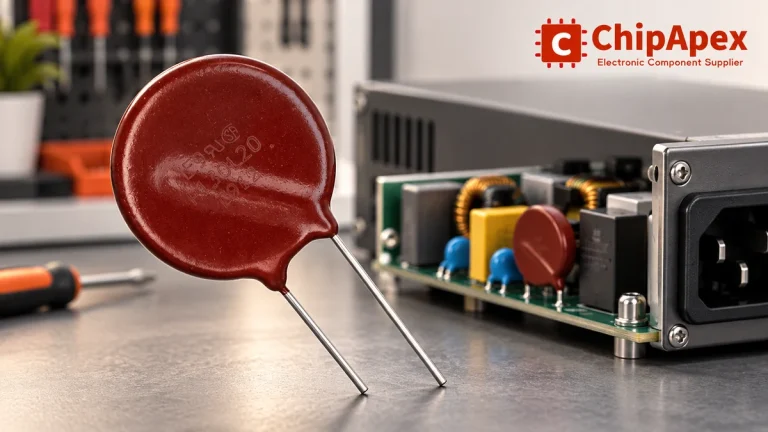
Select MOV varistors by continuous voltage, clamping behavior, surge waveform and repetition. Check thermal disconnection, fuse coordination and replacements.
Read More
Learn how to use ferrite beads for noise filtering. Check impedance, DC bias, placement, resonance and load-step behavior before selecting a part.
Read More
Learn how a diode conducts, how to identify anode and cathode, and when to choose rectifier, TVS, Zener or photodiode types for a circuit.
Read More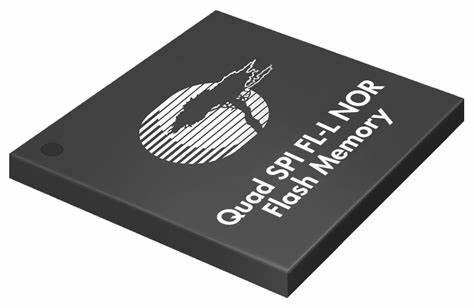
What Is NOR Flash? Why It Still Powers Critical Embedded Systems When your car’s engine control unit boots in milliseconds…When a medical device executes…
Read More
See when an inductor behaves linearly, how DC bias and saturation reduce inductance, and which current and temperature curves to check.
Read More
The activity of extra discounts on wholesale prices is in full swing…
Please fill in your contact information and we will send you the latest wholesale price list.