ChipApex | Global Electronic Components Supplier

SEARCH
Search Product
Search Post
— IC芯片 | 连接器 | 传感器 | 被动器件 —
Search productSearch post
— IC芯片 | 连接器 | 传感器 | 被动器件 —
Consult the customer manager about the wholesale price.
consultation hotline:86-132-6715-2157
email:[email protected]
Contact the product manager for consultation. One-stop consultation is available.
Do you want a lower wholesale price? Please send us your inquiry and we will reply immediately.
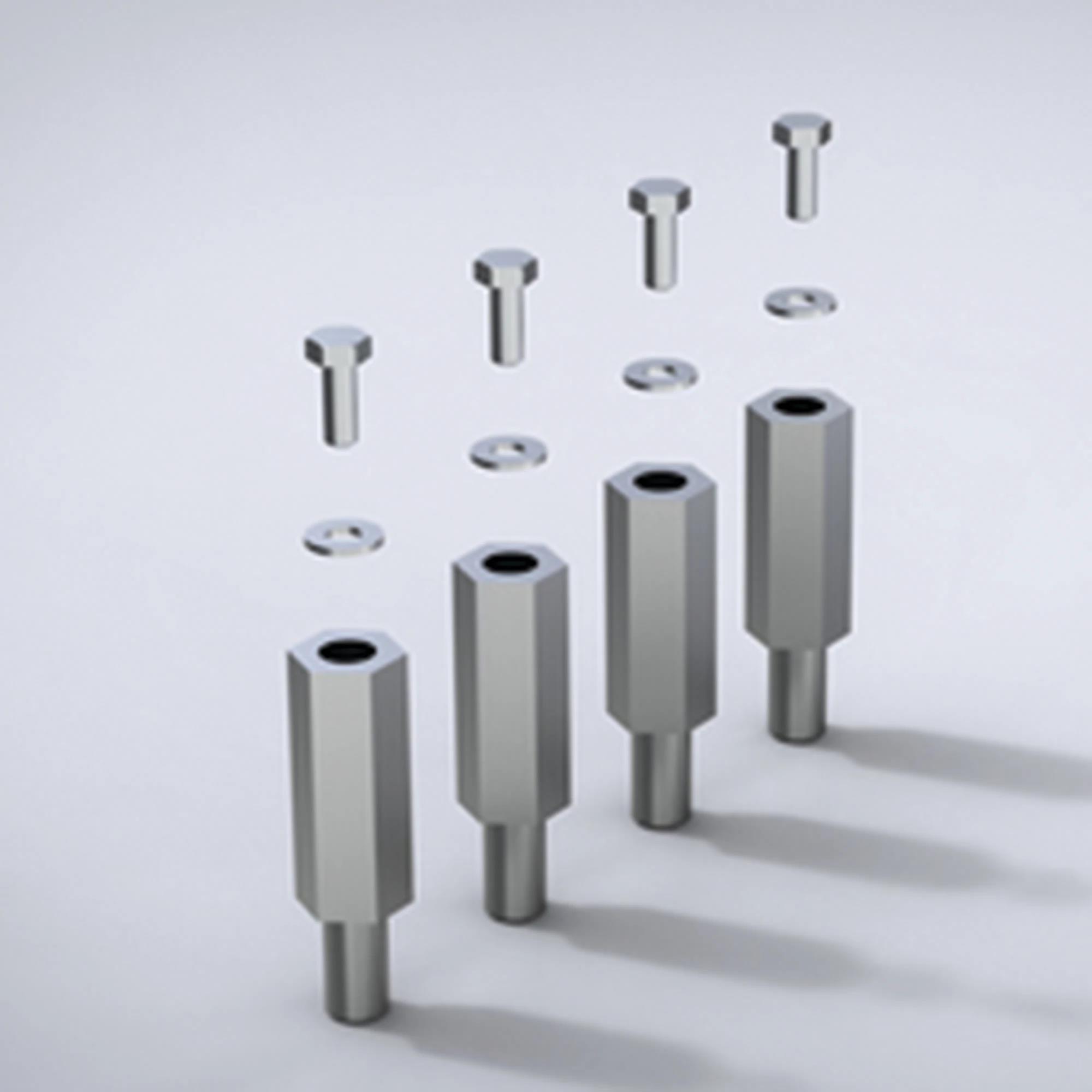
The CVK15 is a roof spacer kit manufactured by nVent HOFFMAN, designed for use with electrical enclosures. This accessory functions to raise the enclosure's roof panel by a fixed distance of 15 mm. The primary engineering purpose of this elevation is to facilitate natural ventilation within the enclosure structure. By creating an air gap between the roof and the internal components or mounting surface, the kit supports passive thermal management strategies without requiring active cooling systems.
Verify that the target enclosure model is compatible with the CVK15 series spacers. Confirm that the required vertical clearance of 15 mm aligns with the installation environment constraints. Ensure the enclosure material and mounting points support the structural load of the raised roof configuration. Cross-reference the specific enclosure part number with official nVent HOFFMAN compatibility lists before ordering.
Select the CVK15 when a 15 mm elevation is specifically required for ventilation purposes. Compare against the CVK50 if greater airflow volume is needed, noting the increased height difference. Consider environmental sealing requirements, as raising the roof may impact ingress protection ratings depending on gasket integrity. Evaluate whether passive ventilation meets thermal loads before opting for active cooling solutions.
The CVK15 belongs to the Hoffman Enclosures general accessories category, specifically under enclosure hardware. It is part of a family of roof spacer kits that includes variants like the CVK50. These components are classified as mechanical aids rather than electronic modules, serving purely structural and aerodynamic functions within industrial enclosure assemblies.
The CVK50 serves as a functional substitute if higher ventilation capacity is required, though it provides 50 mm elevation instead of 15 mm. No direct identical replacement exists for the exact 15 mm specification from other manufacturers without custom fabrication.
 CVK15

Understand how oscillators generate timing signals, how they differ from crystals, and which frequency, output and stability specs matter when choosing one.
Read More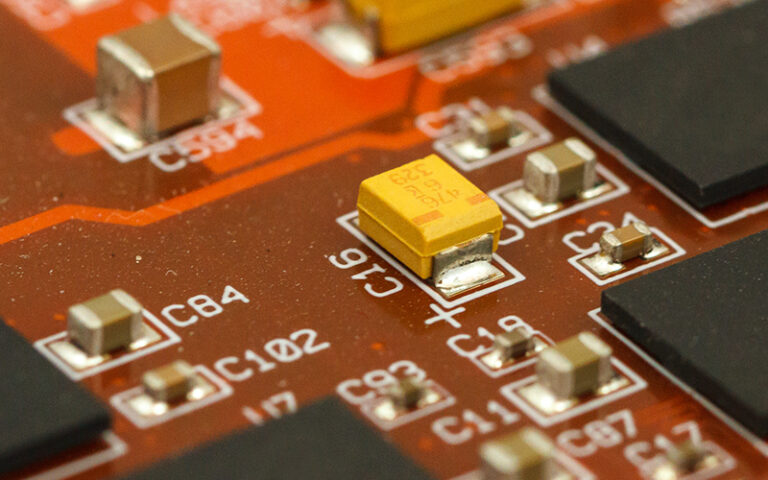
The global electronics industry is facing an escalating shortage of tantalum capacitors, a critical passive component, as surging demand from AI servers, automotive electronics,…
Read More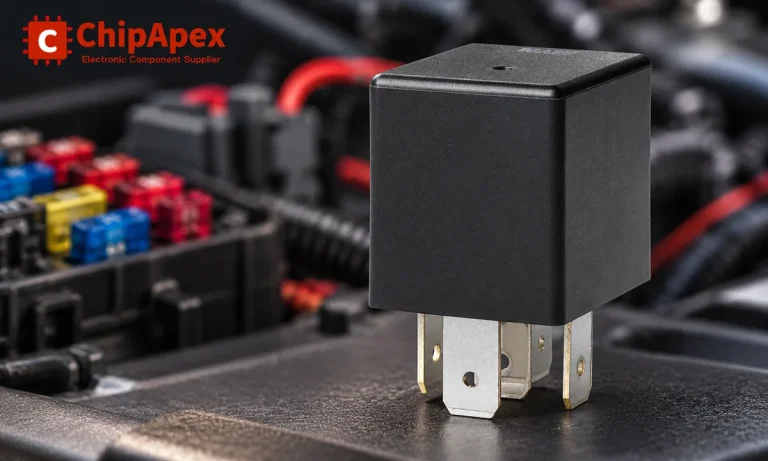
Learn the relay definition, coil and contact operation, NO and NC forms, load ratings and suppression choices. Compare mechanical, reed and solid-state types.
Read More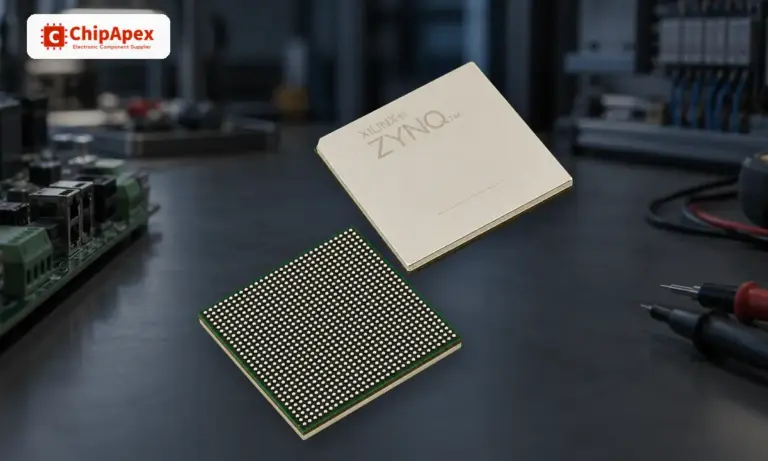
Learn what an integrated circuit is, how ICs work, the main types and the specs to check before choosing a part for your design…
Read More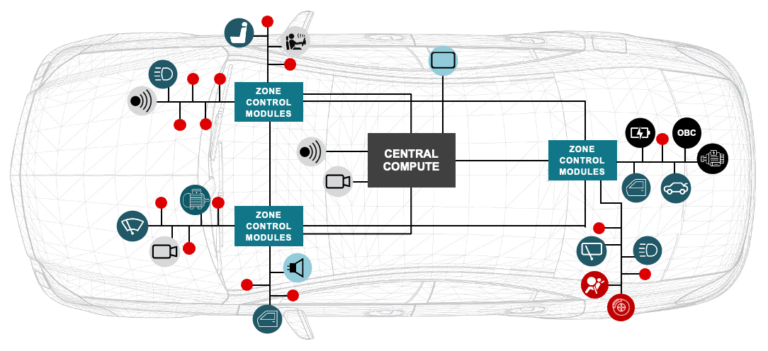
Las Vegas, January 6, 2026 — At the Consumer Electronics Show (CES) 2026, Texas Instruments (TI) (NASDAQ: TXN) announced a suite of next-generation semiconductor…
Read More
Learn how a pressure transducer converts pressure into voltage, current, or digital output, and compare pressure references and key selection specs.
Read More
See when an inductor behaves linearly, how DC bias and saturation reduce inductance, and which current and temperature curves to check.
Read More
Recently, global semiconductor manufacturers have been constantly making moves in aspects such as technological cooperation, product manufacturing processes, and market layout, demonstrating the rapid…
Read More
Recently, the global electronic component market has witnessed complex and changeable trends. In the memory chip sector, the wave of price increases continues to…
Read More
Choose an AC to DC converter by input range, output demand, isolation, efficiency and thermal derating. Compare architectures and check installation needs.
Read More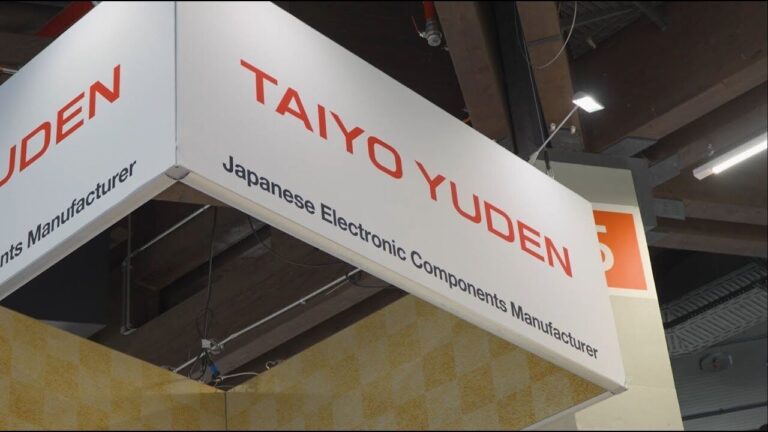
TOKYO, April 15, 2026 – Taiyo Yuden Co., Ltd. (TAIYO YUDEN), a leading global manufacturer of passive electronic components, has officially notified its worldwide…
Read More
Learn how a diode conducts, how to identify anode and cathode, and when to choose rectifier, TVS, Zener or photodiode types for a circuit.
Read More
The activity of extra discounts on wholesale prices is in full swing…
Please fill in your contact information and we will send you the latest wholesale price list.