ChipApex | Global Electronic Components Supplier

SEARCH
Search Product
Search Post
— IC芯片 | 连接器 | 传感器 | 被动器件 —
Search productSearch post
— IC芯片 | 连接器 | 传感器 | 被动器件 —
Consult the customer manager about the wholesale price.
consultation hotline:86-132-6715-2157
email:[email protected]
Contact the product manager for consultation. One-stop consultation is available.
Do you want a lower wholesale price? Please send us your inquiry and we will reply immediately.
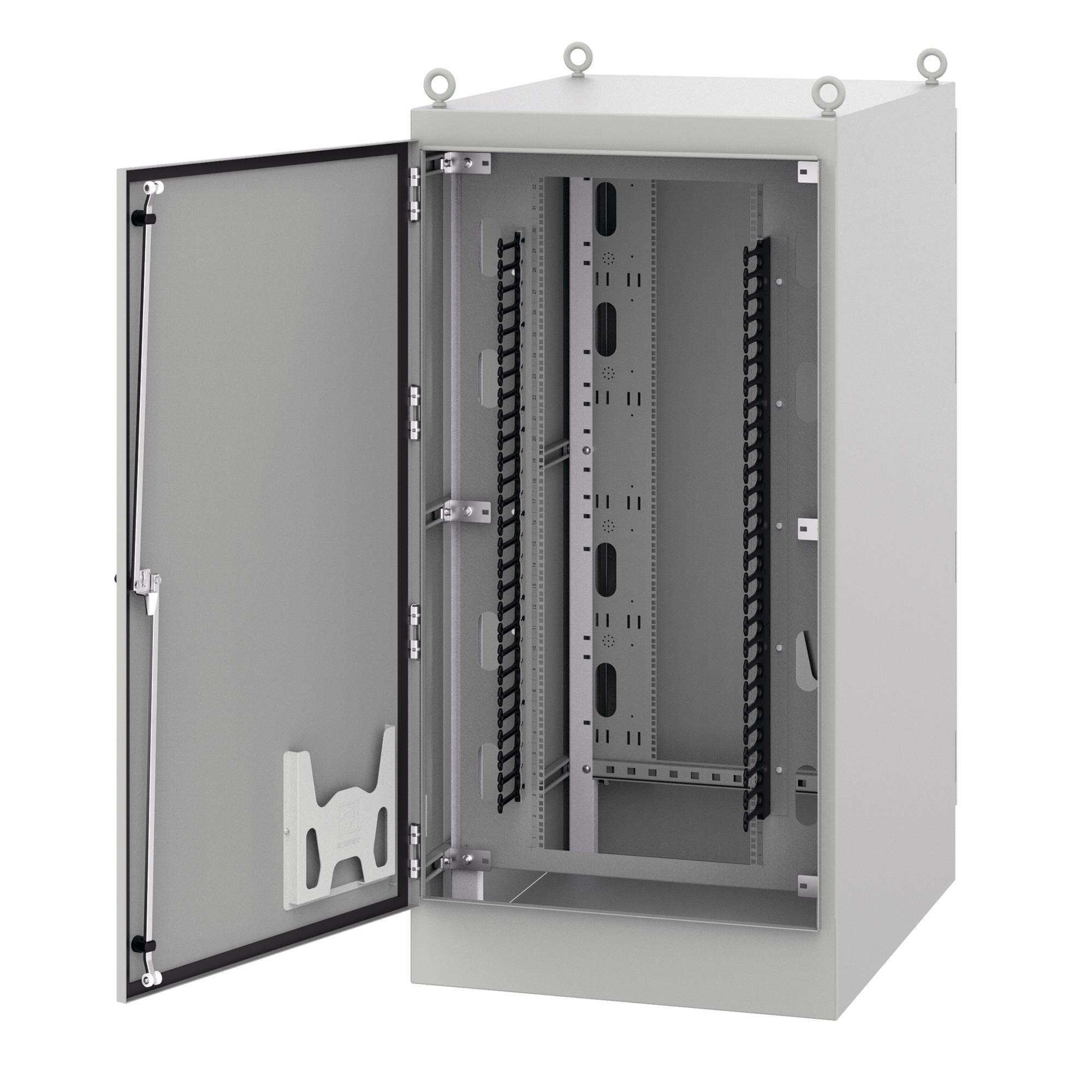
The D722436SDA is a seismic-rated wall-mount enclosure manufactured by Hoffman Enclosures, Inc. It features a unibody construction designed to withstand seismic activity. The unit includes 19-inch rack angles to support equipment installation. It provides front and front-and-rear access capabilities. The dimensions are 72 inches in height, 24 inches in width, and 36 inches in depth.
Verify the specific seismic certification standards required for your region against the manufacturer's datasheet. Confirm that the 19-inch rack angle spacing matches your equipment mounting holes. Ensure the unibody construction material meets environmental corrosion resistance needs. Check if additional accessories like gaskets or hinges are included in the standard package.
Select this model when seismic resilience is a primary requirement alongside standard rack mounting needs. Consider the large footprint and weight due to the unibody steel construction. Evaluate if the 36-inch depth accommodates the deepest components in your assembly. Compare against non-seismic models if local codes do not mandate seismic ratings.
This part belongs to Hoffman's specialized enclosure lineup designed for harsh or regulated environments. It complements other rack-mount solutions but distinguishes itself through seismic compliance. The product line focuses on durable metal constructions for heavy-duty industrial applications.
No direct substitute part numbers are publicly confirmed in the provided documentation. Non-seismic equivalents may lack the necessary structural certifications. Verify compatibility of mounting points before considering alternative brands.
 D722436SDA

Find out when a bare shock switch needs a pull resistor, when an MCU internal pull-up is enough, and why sensor modules and piezo…
Read More
Choose an AC to DC converter by input range, output demand, isolation, efficiency and thermal derating. Compare architectures and check installation needs.
Read More
Latest updates from leading semiconductor manufacturers: Wolfspeed launches new SiC modules, AMD reveals MI430X with HBM4, TSMC eyes third Japan fab, and Samsung samples…
Read More
Learn how a diode conducts, how to identify anode and cathode, and when to choose rectifier, TVS, Zener or photodiode types for a circuit.
Read More
See how a MEMS gyroscope measures angular rate, why its angle estimate drifts, and which range, noise, interface and temperature specs to compare.
Read More
Recently, a survey by the Electronic Components Industry Association (ECIA) revealed that the sales sentiment of global electronic components remained optimistic in the third…
Read More
As the backbone of modern technology, electronic components are undergoing revolutionary changes, driven by advancements in materials science, miniaturization, and smart manufacturing. From ultra-efficient…
Read More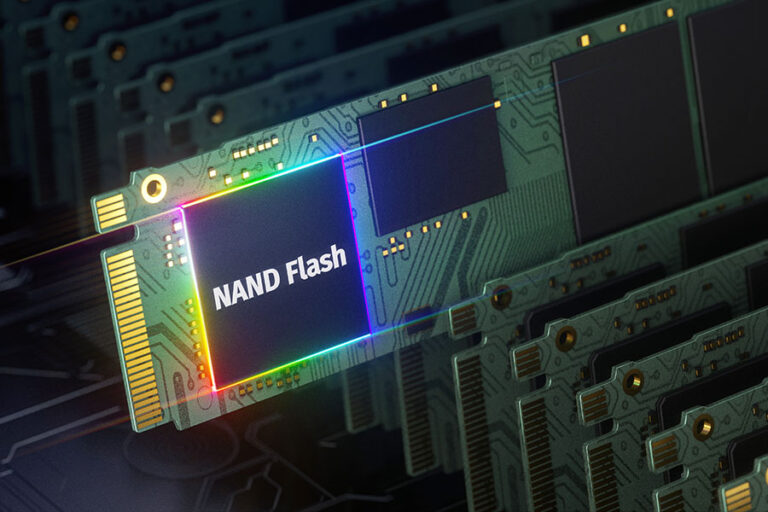
What Is NAND Flash? A Practical Guide for Engineers & Procurement Teams In today’s data-driven world—from smartphones and SSDs to industrial IoT devices—NAND flash…
Read More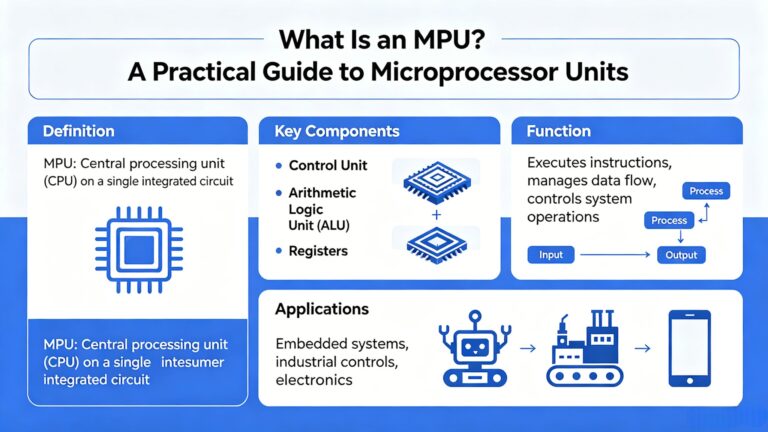
In embedded design, the tug-of-war between cost and performance is constant. On one side, you have Microcontrollers (MCUs)—cheap, simple, and efficient. On the other,…
Read More
Learn the relay definition, coil and contact operation, NO and NC forms, load ratings and suppression choices. Compare mechanical, reed and solid-state types.
Read More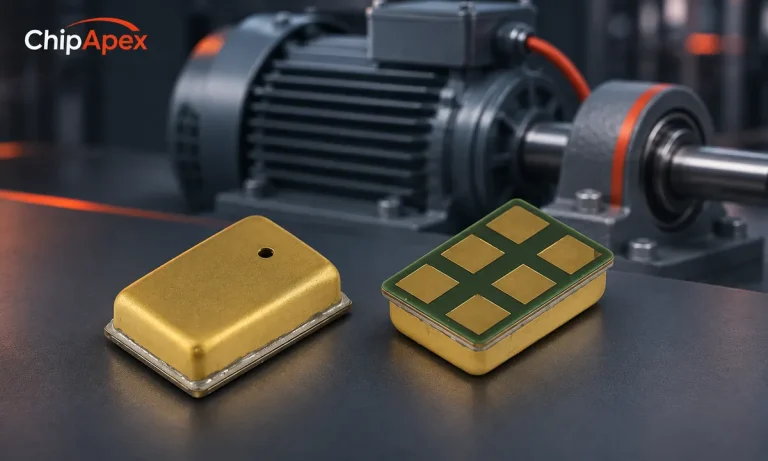
Choose a vibration sensor for machine monitoring. Compare sensing methods, bandwidth, noise and mounting, then define the signal-chain requirements.
Read More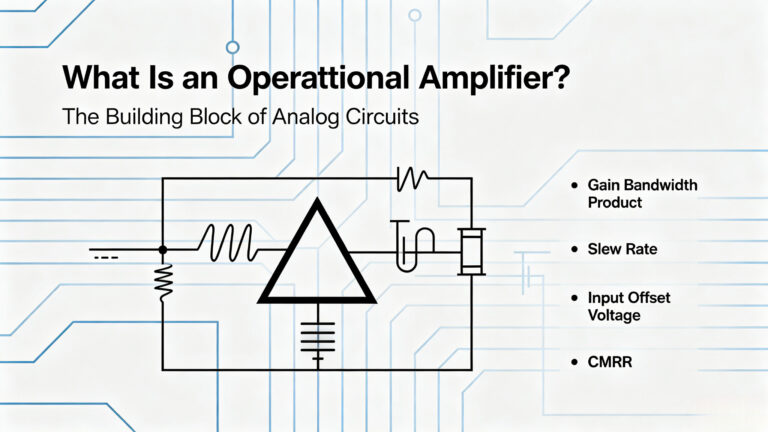
If you’ve spent any time staring at a schematic, you’ve seen the triangle. Two inputs, one output, and a gain symbol that looks deceptively…
Read More
The activity of extra discounts on wholesale prices is in full swing…
Please fill in your contact information and we will send you the latest wholesale price list.