ChipApex | Global Electronic Components Supplier

SEARCH
Search Product
Search Post
— IC芯片 | 连接器 | 传感器 | 被动器件 —
Search productSearch post
— IC芯片 | 连接器 | 传感器 | 被动器件 —
Consult the customer manager about the wholesale price.
consultation hotline:86-132-6715-2157
email:[email protected]
Contact the product manager for consultation. One-stop consultation is available.
Do you want a lower wholesale price? Please send us your inquiry and we will reply immediately.
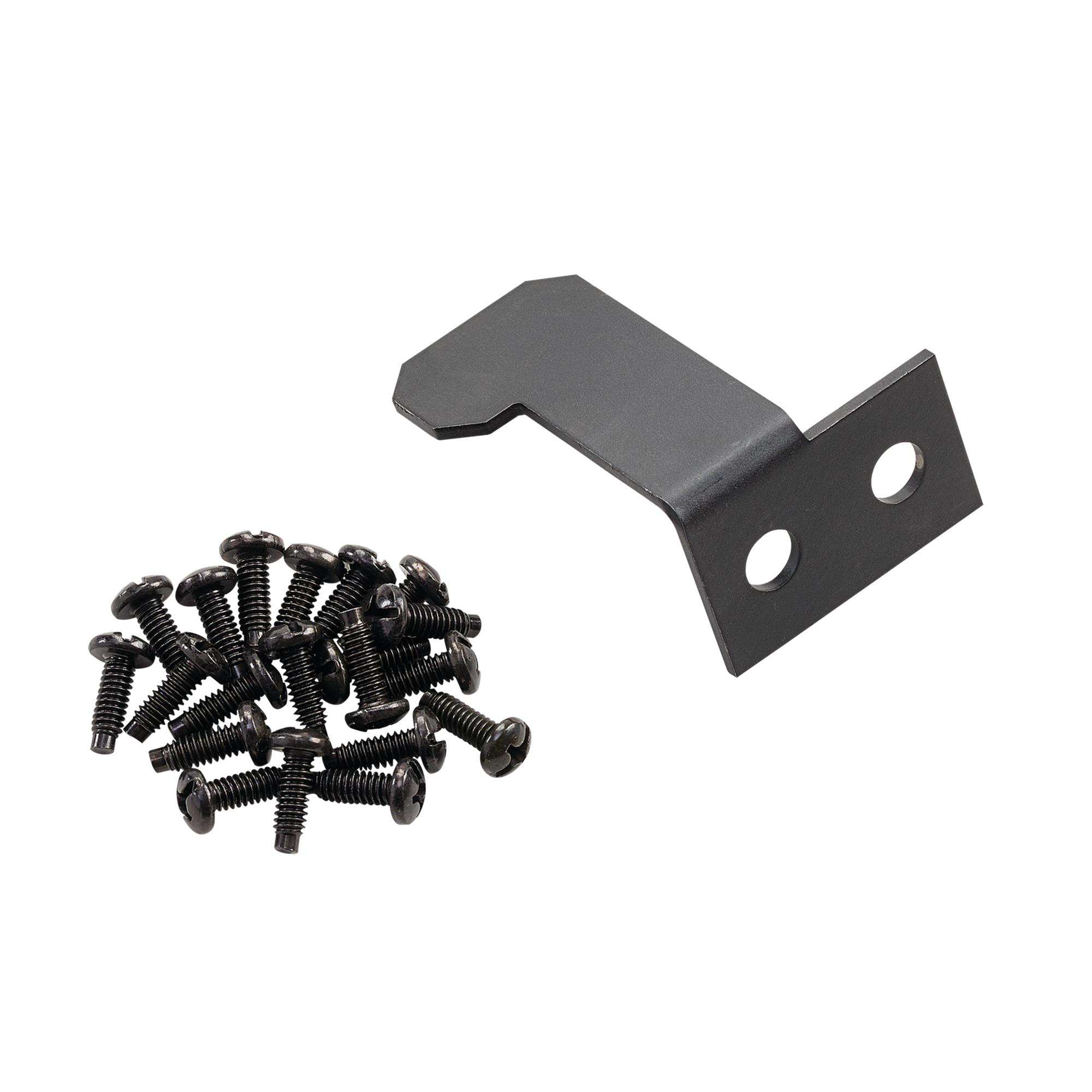
The Hoffman EPKIT is a specialized accessory kit designed for Hoffman Enclosures, Inc. products, specifically engineered to facilitate the installation of internal components within industrial electrical enclosures. This kit typically includes necessary hardware such as mounting rails, brackets, screws, and labels required for organizing and securing devices like circuit breakers, relays, or terminal blocks. It ensures a standardized and secure mounting solution compatible with specific enclosure series, enhancing internal organization and safety compliance in control panel applications.
Verify compatibility with the specific Hoffman enclosure model before purchase. Ensure the kit version matches the required internal layout configuration. Check for completeness of included hardware against the official bill of materials. Confirm environmental rating requirements if the enclosure is used in harsh conditions.
Select the EPKIT variant that corresponds to the exact enclosure size and series. Consider the types of components to be mounted when choosing between different rail or bracket configurations. Verify that the kit supports the intended device density and spacing requirements for the specific application design.
This part belongs to the Hoffman Enclosures accessory line, supporting the broader ecosystem of industrial enclosure solutions. It complements main enclosure bodies by providing essential internal infrastructure. The product is part of Hoffman's strategy to offer complete, ready-to-assemble solutions for electrical and electronic equipment protection.
No direct substitute part numbers are publicly confirmed for this specific kit. Compatibility depends on the target enclosure model rather than cross-brand substitution. Consult official Hoffman documentation for equivalent kits if upgrading or replacing existing internal mounting systems.
 EPKIT
What Is NAND Flash? A Practical Guide for Engineers & Procurement Teams In today’s data-driven world—from smartphones and SSDs to industrial IoT devices—NAND flash…
Read More
Every audio power amplifier design starts with the same fundamental challenge: converting a low-voltage line-level signal into the high-current drive required by a reactive…
Read More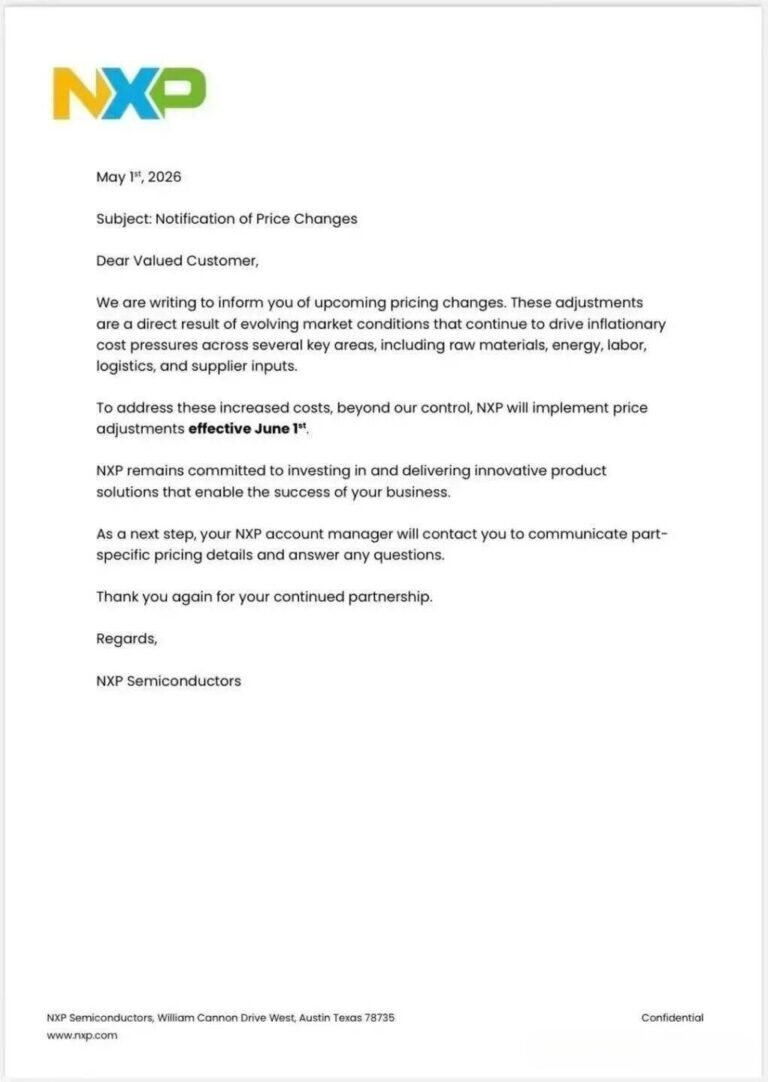
May 8, 2026 – Eindhoven, Netherlands NXP Semiconductors (NXPI), a global leader in automotive and industrial semiconductor solutions, has officially notified its worldwide channel…
Read More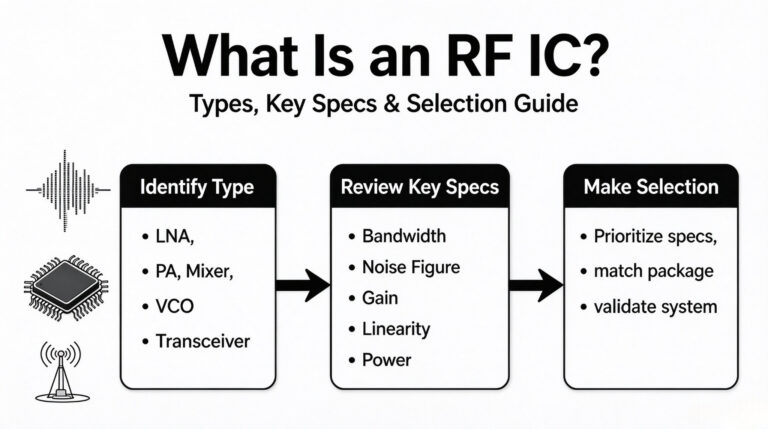
An RF IC, or radio-frequency integrated circuit, is a chip that processes wireless signals between the antenna and the baseband processor. Instead of building…
Read More
Choose an AC to DC converter by input range, output demand, isolation, efficiency and thermal derating. Compare architectures and check installation needs.
Read More
Learn why PTC resistance rises with temperature, how it differs from NTC, and which ratings matter for sensing and protection.
Read More
Learn how rectifiers convert AC to DC, compare half-wave and bridge circuits, and select voltage, current, recovery and thermal ratings for your design.
Read More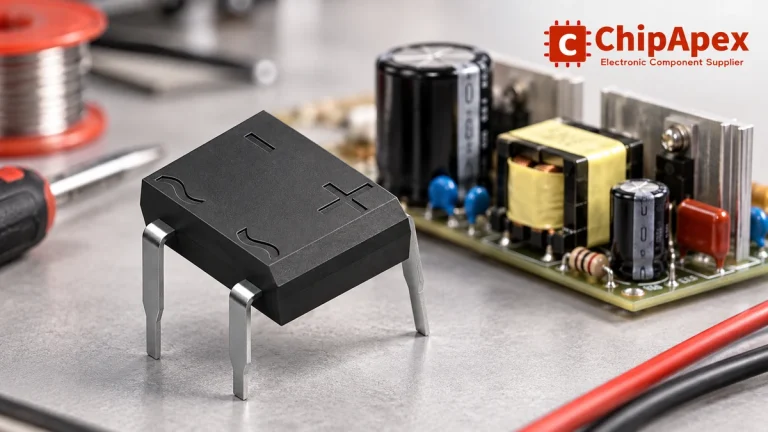
Select a bridge rectifier by reverse voltage, capacitor charging current, startup surge and cooling. Work through a stated DC voltage and ripple example.
Read More
If you’ve spent any time staring at a schematic, you’ve seen the triangle. Two inputs, one output, and a gain symbol that looks deceptively…
Read More
Learn what an IMU measures, how accelerometers and gyroscopes work together, why orientation estimates drift, and what to compare.
Read More
As the backbone of modern technology, electronic components are undergoing revolutionary changes, driven by advancements in materials science, miniaturization, and smart manufacturing. From ultra-efficient…
Read More
Understand how oscillators generate timing signals, how they differ from crystals, and which frequency, output and stability specs matter when choosing one.
Read More
The activity of extra discounts on wholesale prices is in full swing…
Please fill in your contact information and we will send you the latest wholesale price list.