ChipApex | Global Electronic Components Supplier

SEARCH
Search Product
Search Post
— IC芯片 | 连接器 | 传感器 | 被动器件 —
Search productSearch post
— IC芯片 | 连接器 | 传感器 | 被动器件 —
Consult the customer manager about the wholesale price.
consultation hotline:86-132-6715-2157
email:[email protected]
Contact the product manager for consultation. One-stop consultation is available.
Do you want a lower wholesale price? Please send us your inquiry and we will reply immediately.
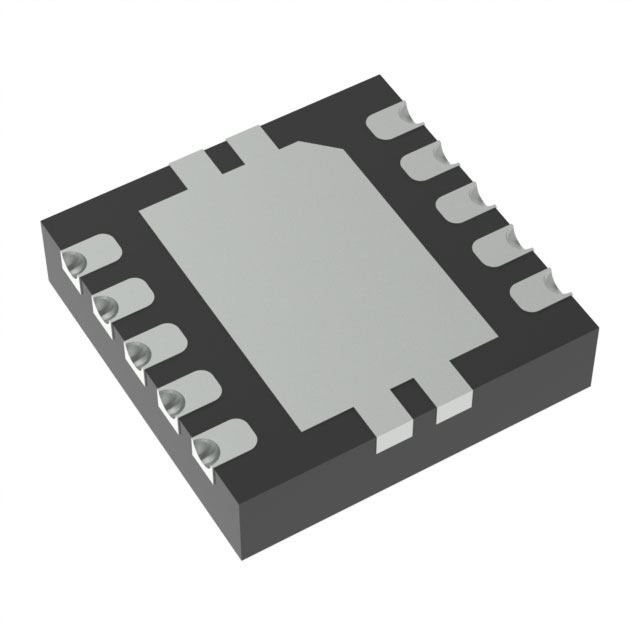
LM53600NQDSXTQ1 is listed in the Voltage Regulators - DC DC Switching Regulators range at ChipApex. The manufacturer field lists Texas Instruments. Its product description is IC REG BUCK 3.3V 650MA 10WSON. Review the specifications below when checking this part for your BOM.
The LM53600NQDSXTQ1 is an automotive-grade synchronous buck converter manufactured by Texas Instruments. It operates with an input voltage range of 3.55 V to 36 V and provides a fixed output voltage of 5 V. The device supports a maximum output current of 650 mA and features a switching frequency of 2.1 MHz. It includes a shutdown function and exhibits a quiescent current of 23 uA. The component is housed in a 10-WSON package with a bare pad, rated for operation between -40°C and +150°C, and holds AEC-Q100 qualification.
Verify the specific suffix NQDSXTQ1 matches the required package and tape-and-reel configuration. Confirm that the fixed 5V output aligns with the system design requirements, as other variants offer adjustable or different fixed voltages. Ensure the supplier source is authorized to guarantee AEC-Q100 authenticity and traceability for automotive applications.
Select this part when a fixed 5V rail is required from a wide automotive input range up to 36V. The 650mA limit suits low-power loads compared to the 1A LM53601 series. Consider the 2.1MHz frequency for balancing EMI and external component size. Verify thermal performance in the 10-WSON package under expected load conditions.
This component belongs to the LM5360x-Q1 family of synchronous buck converters designed for automotive environments. It shares architectural similarities with the LM53601-Q1 but differs in output current capability and voltage options. The family targets compact designs requiring high efficiency and robustness in harsh electrical conditions.
LM53600AQDSXTQ1 offers an adjustable output version within the same package and specification envelope.
Explore related parts through Power Management (PMIC), Integrated Circuits (ICs), all product categories, ChipApex homepage.
 LM53600NQDSXTQ1
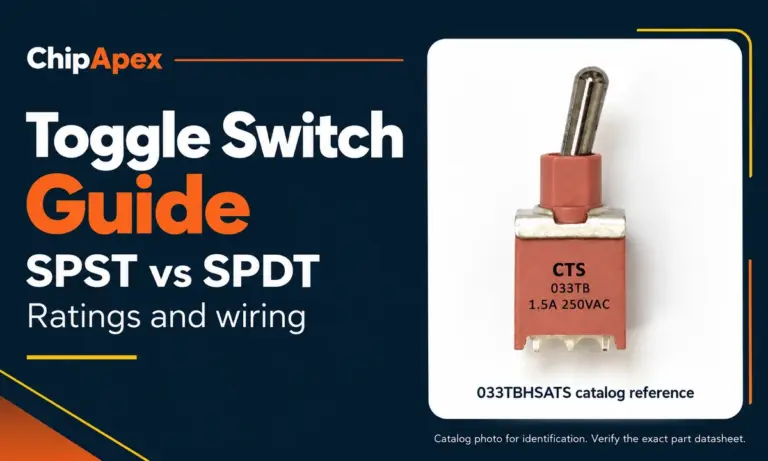
Compare SPST and SPDT toggle switches, understand AC/DC ratings, and follow wiring examples. Check contact action, mounting and parts in the ChipApex catalog.
Read More
LM53600NQDSXTQ1 is listed in the Voltage Regulators - DC DC Switching Regulators range at ChipApex. The manufacturer field lists Texas Instruments. Its product description…
Read More
LM53600NQDSXTQ1 is listed in the Voltage Regulators - DC DC Switching Regulators range at ChipApex. The manufacturer field lists Texas Instruments. Its product description…
Read More
LM53600NQDSXTQ1 is listed in the Voltage Regulators - DC DC Switching Regulators range at ChipApex. The manufacturer field lists Texas Instruments. Its product description…
Read More
Learn how a pressure transducer converts pressure into voltage, current, or digital output, and compare pressure references and key selection specs.
Read More
LM53600NQDSXTQ1 is listed in the Voltage Regulators - DC DC Switching Regulators range at ChipApex. The manufacturer field lists Texas Instruments. Its product description…
Read More
Select a DC-DC converter by input range, topology, isolation and temperature. Compare ripple, efficiency and load limits before choosing a component.
Read More
Find out when a bare shock switch needs a pull resistor, when an MCU internal pull-up is enough, and why sensor modules and piezo…
Read More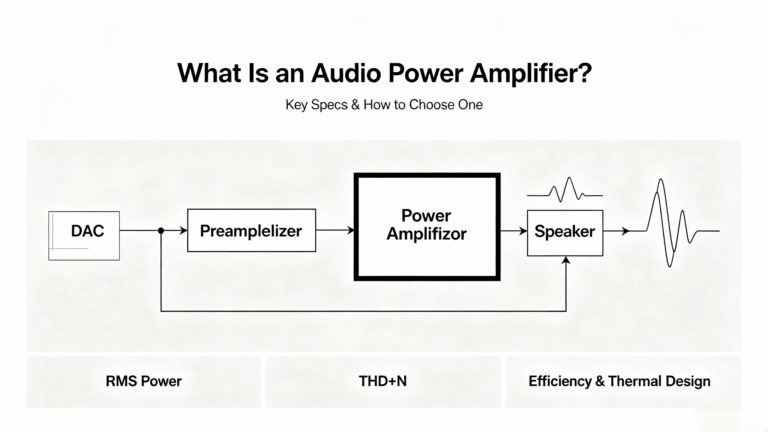
LM53600NQDSXTQ1 is listed in the Voltage Regulators - DC DC Switching Regulators range at ChipApex. The manufacturer field lists Texas Instruments. Its product description…
Read More
LM53600NQDSXTQ1 is listed in the Voltage Regulators - DC DC Switching Regulators range at ChipApex. The manufacturer field lists Texas Instruments. Its product description…
Read More
Compare Pt100 and Pt1000 RTDs, two-, three- and four-wire connections, excitation and self-heating. Build an error budget from element to reported temperature.
Read More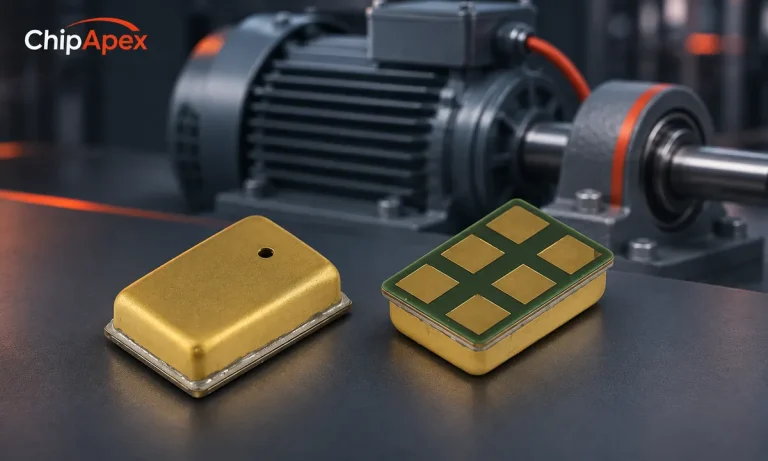
Choose a vibration sensor for machine monitoring. Compare sensing methods, bandwidth, noise and mounting, then define the signal-chain requirements.
Read More
The activity of extra discounts on wholesale prices is in full swing…
Please fill in your contact information and we will send you the latest wholesale price list.