 ChipApex | Global Electronic Components Supplier

SEARCH
Search Product
Search Post
— IC芯片 | 连接器 | 传感器 | 被动器件 —
Search productSearch post
— IC芯片 | 连接器 | 传感器 | 被动器件 —
Consult the customer manager about the wholesale price.
consultation hotline:86-132-6715-2157
email:[email protected]
Contact the product manager for consultation. One-stop consultation is available.
Do you want a lower wholesale price? Please send us your inquiry and we will reply immediately.
LMR10520XSDX/NOPB is listed in the Voltage Regulators - DC DC Switching Regulators range at ChipApex. The manufacturer field lists Texas Instruments. Its product description is IC REG BUCK ADJ 2A 6WSON. Review the specifications below when checking this part for your BOM.
The LMR10520XSDX/NOPB is a synchronous buck converter from the SIMPLE SWITCHER family, manufactured by Texas Instruments. It operates with an input voltage range of 3V to 5.5V and provides an adjustable output voltage between 0.6V and 4.5V. The device delivers a continuous output current of 2A. Key electrical specifications include a switching frequency of 1.6MHz and a quiescent current of 3.2mA. It is housed in a compact 6-WSON package with exposed pad and supports an operating temperature range from -40°C to +125°C.
Verify the specific suffix 'X' against official documentation to confirm tape and reel packaging requirements. Ensure the order quantity aligns with manufacturer minimums. Confirm RoHS compliance status directly with the supplier or datasheet before finalizing procurement.
Select this component when a 2A output capability is required within a 5.5V input limit. The 1.6MHz frequency allows for smaller passive components compared to lower-frequency alternatives. Verify that the thermal performance of the 6-WSON package meets the application's heat dissipation needs under maximum load conditions.
This part belongs to the LMR10520 series of non-isolated DC-DC converters. It shares architectural similarities with other members like the LMR10515 and LMR10530, differing primarily in output current ratings and package options. It serves as a power management solution for low-voltage digital loads.
Direct substitutes within the same family include LMR10515XSD/NOPB for lower current needs or LMR10530XSD/NOPB for higher current demands. Cross-family replacements require verification of pin compatibility and thermal characteristics.
Explore related parts through Power Management (PMIC), Integrated Circuits (ICs), all product categories, ChipApex homepage.
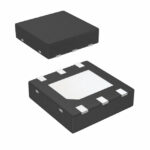 LMR10520XSDX/NOPB
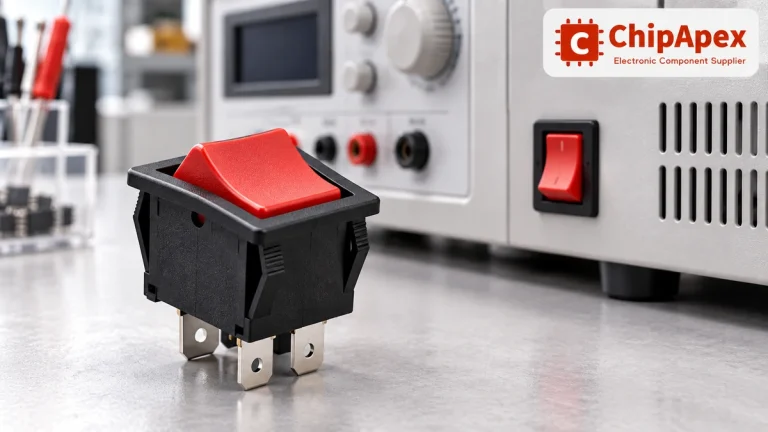
Choose a rocker switch by AC/DC ratings, contact arrangement, illumination, panel fit and sealing. Get practical checks for engineering and component sourcing.
Read More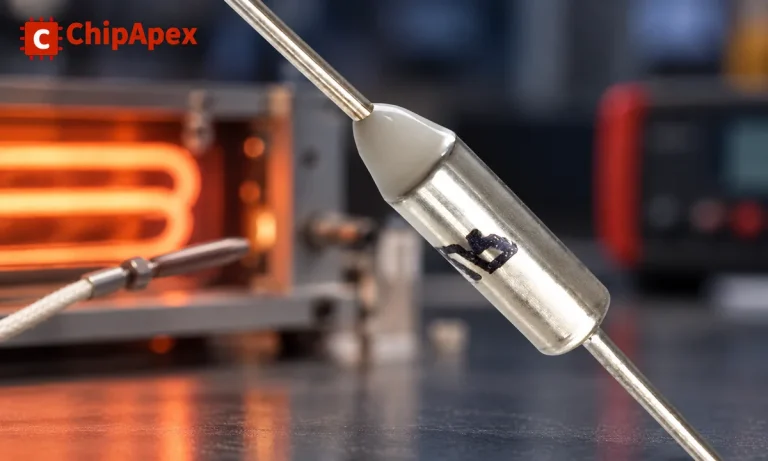
Understand thermal fuse operation, Tf, Th and Tm, electrical ratings and mounting. Check temperature limits and replacement requirements for your design.
Read More
LMR10520XSDX/NOPB is listed in the Voltage Regulators - DC DC Switching Regulators range at ChipApex. The manufacturer field lists Texas Instruments. Its product description…
Read More
LMR10520XSDX/NOPB is listed in the Voltage Regulators - DC DC Switching Regulators range at ChipApex. The manufacturer field lists Texas Instruments. Its product description…
Read More
LMR10520XSDX/NOPB is listed in the Voltage Regulators - DC DC Switching Regulators range at ChipApex. The manufacturer field lists Texas Instruments. Its product description…
Read More
LMR10520XSDX/NOPB is listed in the Voltage Regulators - DC DC Switching Regulators range at ChipApex. The manufacturer field lists Texas Instruments. Its product description…
Read More
Understand load cell sensor output, bridge wiring and calibration. Learn how mV/V sensitivity, mechanics and ADC noise affect measurement accuracy.
Read More
Choose a DIP switch by contact type, coded positions, footprint and signal ratings. Check logic polarity, assembly conditions and PCB configuration behavior.
Read More
LMR10520XSDX/NOPB is listed in the Voltage Regulators - DC DC Switching Regulators range at ChipApex. The manufacturer field lists Texas Instruments. Its product description…
Read More
LMR10520XSDX/NOPB is listed in the Voltage Regulators - DC DC Switching Regulators range at ChipApex. The manufacturer field lists Texas Instruments. Its product description…
Read More
Understand UART protocol framing, baud rate and electrical interfaces. Learn 8N1 timing, TX/RX wiring, buffering and practical troubleshooting steps.
Read More
Compare gas sensor technologies, cross-sensitivity and calibration needs. Define the gas, range and environment before choosing a sensing component.
Read More
The activity of extra discounts on wholesale prices is in full swing…
Please fill in your contact information and we will send you the latest wholesale price list.






