ChipApex | Global Electronic Components Supplier

SEARCH
Search Product
Search Post
— IC芯片 | 连接器 | 传感器 | 被动器件 —
Search productSearch post
— IC芯片 | 连接器 | 传感器 | 被动器件 —
Consult the customer manager about the wholesale price.
consultation hotline:86-132-6715-2157
email:[email protected]
Contact the product manager for consultation. One-stop consultation is available.
Do you want a lower wholesale price? Please send us your inquiry and we will reply immediately.
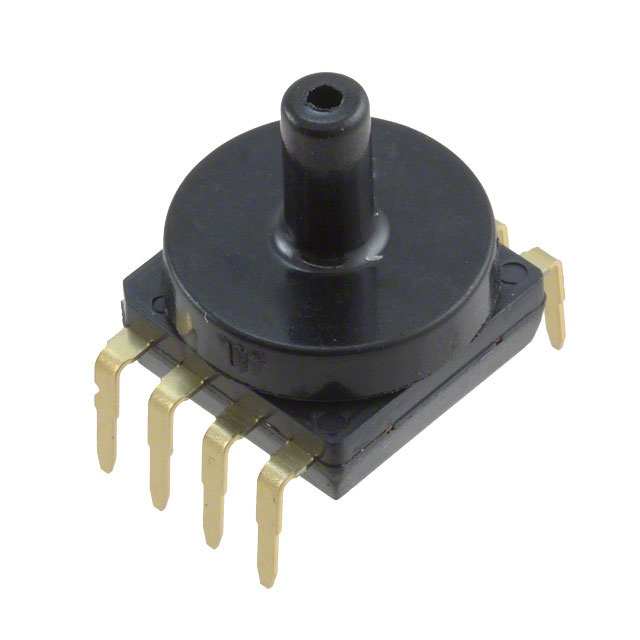
MPXV5100GC7U is listed in the Pressure Sensors Transducers range at ChipApex. The manufacturer field lists NXP USA Inc.. Its product description is SENSOR 14.5PSIG 0.13" 4.7V 8DIP. Review the specifications below when checking this part for your BOM.
The MPXV5100GC7U is a piezoresistive transducer from the MPXV5100 series, designed as a monolithic silicon pressure sensor. It features a gauge pressure range of 0 kPa to 100 kPa with a sensitivity of 45 mV/kPa. The device operates within a supply voltage range of 4.75 V to 5.25 V and supports an operating temperature range from -40°C to 125°C. Packaged in an 8-pin DIP configuration, it provides analog output proportional to applied pressure.
Verify the specific suffix GC7U against official NXP documentation to confirm package type and tape/reel or tube packaging details. Ensure the application environment remains within the specified -40°C to 125°C operating temperature range and that supply voltages do not exceed 5.25 V to prevent device damage.
Select this component when a gauge pressure sensor with a 100 kPa range and analog output is required. Consider the 8-pin DIP package for through-hole mounting requirements. Verify compatibility with the system's supply voltage constraints and thermal management capabilities given the wide operating temperature specification.
This part belongs to the MPXV5100 series of piezoresistive transducers. Related variants include the MPXV5100GC6U and MPXV5100DP, which share similar electrical characteristics but may differ in package or pressure type specifications. The series is engineered for applications requiring robust silicon-based pressure sensing solutions.
Consult official NXP substitution guides for direct replacements. Cross-reference pinouts and electrical parameters with variants like MPXV5100GC6U if package changes are acceptable. Verify that any substitute maintains the 0-100 kPa gauge range and 45 mV/kPa sensitivity.
Explore related parts through Sensors, Transducers, all product categories, ChipApex homepage.
 MPXV5100GC7U
MPXV5100GC7U is listed in the Pressure Sensors Transducers range at ChipApex. The manufacturer field lists NXP USA Inc.. Its product description is SENSOR 14.5PSIG…
Read More
MPXV5100GC7U is listed in the Pressure Sensors Transducers range at ChipApex. The manufacturer field lists NXP USA Inc.. Its product description is SENSOR 14.5PSIG…
Read More
MPXV5100GC7U is listed in the Pressure Sensors Transducers range at ChipApex. The manufacturer field lists NXP USA Inc.. Its product description is SENSOR 14.5PSIG…
Read More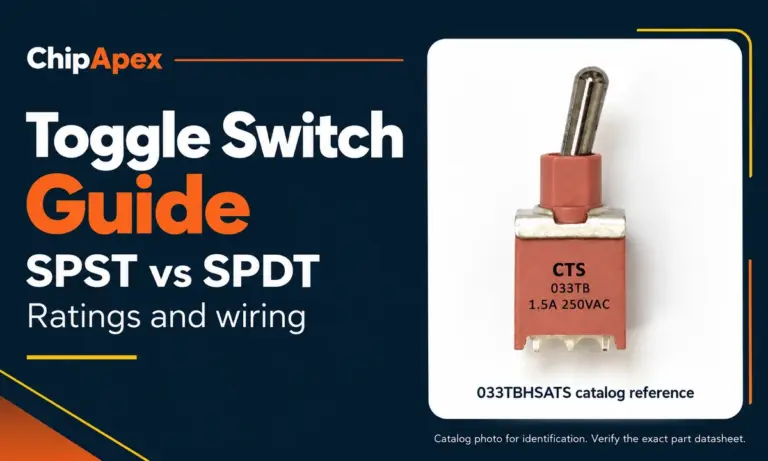
Compare SPST and SPDT toggle switches, understand AC/DC ratings, and follow wiring examples. Check contact action, mounting and parts in the ChipApex catalog.
Read More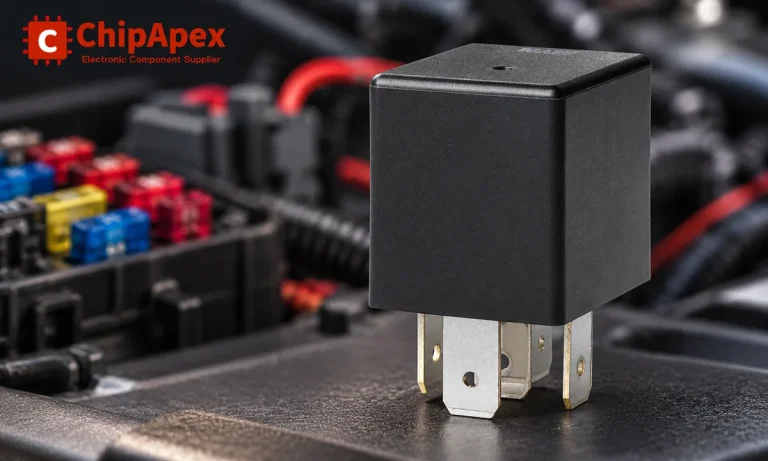
Learn the relay definition, coil and contact operation, NO and NC forms, load ratings and suppression choices. Compare mechanical, reed and solid-state types.
Read More
Learn how a pressure transducer converts pressure into voltage, current, or digital output, and compare pressure references and key selection specs.
Read More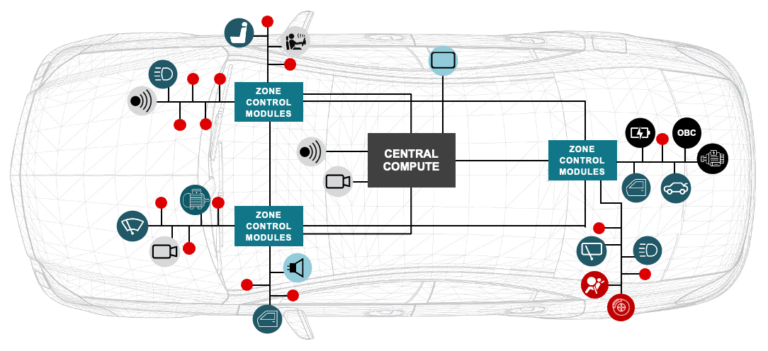
MPXV5100GC7U is listed in the Pressure Sensors Transducers range at ChipApex. The manufacturer field lists NXP USA Inc.. Its product description is SENSOR 14.5PSIG…
Read More
MPXV5100GC7U is listed in the Pressure Sensors Transducers range at ChipApex. The manufacturer field lists NXP USA Inc.. Its product description is SENSOR 14.5PSIG…
Read More
Learn what an integrated circuit is, how ICs work, the main types and the specs to check before choosing a part for your design…
Read More
MPXV5100GC7U is listed in the Pressure Sensors Transducers range at ChipApex. The manufacturer field lists NXP USA Inc.. Its product description is SENSOR 14.5PSIG…
Read More
Choose logic inverter ICs by thresholds, supply, output drive and delay. Compare standard and Schmitt-trigger inputs, power sequencing and replacement checks.
Read More
MPXV5100GC7U is listed in the Pressure Sensors Transducers range at ChipApex. The manufacturer field lists NXP USA Inc.. Its product description is SENSOR 14.5PSIG…
Read More
The activity of extra discounts on wholesale prices is in full swing…
Please fill in your contact information and we will send you the latest wholesale price list.