 ChipApex | Global Electronic Components Supplier

SEARCH
Search Product
Search Post
— IC芯片 | 连接器 | 传感器 | 被动器件 —
Search productSearch post
— IC芯片 | 连接器 | 传感器 | 被动器件 —
Consult the customer manager about the wholesale price.
consultation hotline:86-132-6715-2157
email:[email protected]
Contact the product manager for consultation. One-stop consultation is available.
Do you want a lower wholesale price? Please send us your inquiry and we will reply immediately.
SN74LVC2G14DCKRG4 is listed in the Inverter Gates range at ChipApex. The manufacturer field lists Texas Instruments. Its product description is IC INVERT SCHMITT 2CH 2IN SC70-6. Review the specifications below when checking this part for your BOM.
The SN74LVC2G14DCKRG4 is a dual Schmitt-trigger inverter manufactured by Texas Instruments using LVC low-voltage CMOS technology. It operates within a supply voltage range of 1.65 V to 5.5 V and supports input levels compatible with both CMOS and TTL standards. The device features two independent inverting channels housed in an SC-70-6 surface-mount package. It provides high noise immunity through Schmitt-trigger action, ensuring clean signal transitions even with slow input edges. The component is rated for operation across an extended temperature range from -40°C to +125°C.
Verify the G4 suffix indicates RoHS compliance and green manufacturing status as per Texas Instruments documentation. Confirm the SC-70-6 package dimensions match your PCB layout constraints. Ensure the operating environment remains within the specified -40°C to +125°C thermal limits to maintain guaranteed performance specifications.
Select this component when noise immunity is critical for inverting signals. The Schmitt-trigger feature distinguishes it from standard inverters like the SN74LVC2GU04. Verify that the SC-70-6 package size fits your density requirements compared to larger packages like SOT-23 or SOIC variants.
This part belongs to the SN74LVC2Gxx series of dual logic gates. It shares the same physical package and voltage specifications as other devices in the family but differs in logical function. The DCKR designation identifies the specific SC-70-6 tape-and-reel packaging configuration used for automated assembly processes.
SN74LVC2G14DCKT is the non-RoHS equivalent with identical electrical characteristics. SN74LVC2G14DBVR offers the same function in a SOT-23-6 package. Cross-reference datasheets to confirm pinout compatibility before substitution.
Explore related parts through Logic, Integrated Circuits (ICs), all product categories, ChipApex homepage.
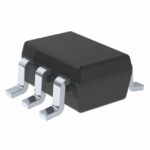 SN74LVC2G14DCKRG4
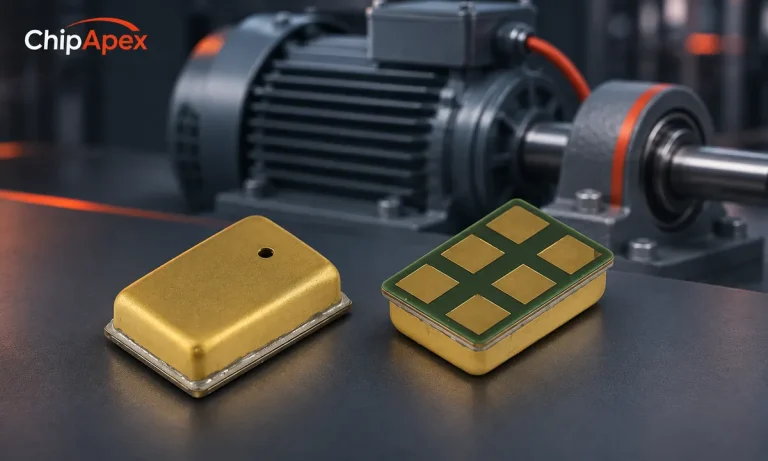
Choose a vibration sensor for machine monitoring. Compare sensing methods, bandwidth, noise and mounting, then define the signal-chain requirements.
Read More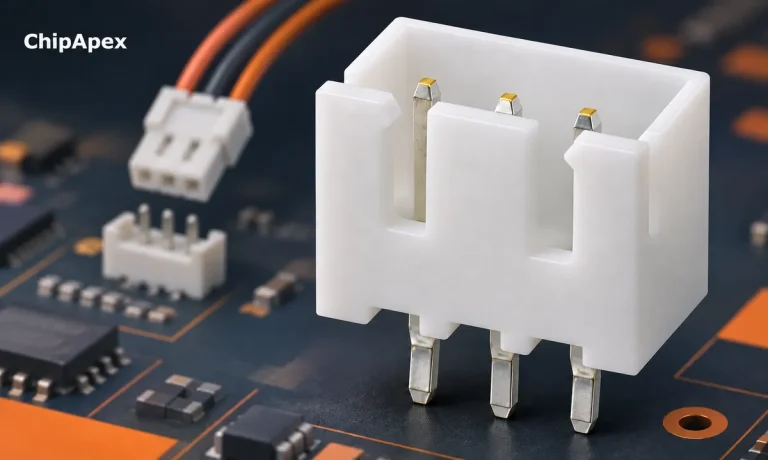
Choose a pin header by pitch, mating geometry, current rating and mounting. Learn why matching pin count and spacing does not guarantee compatibility.
Read More
SN74LVC2G14DCKRG4 is listed in the Inverter Gates range at ChipApex. The manufacturer field lists Texas Instruments. Its product description is IC INVERT SCHMITT 2CH…
Read More
SN74LVC2G14DCKRG4 is listed in the Inverter Gates range at ChipApex. The manufacturer field lists Texas Instruments. Its product description is IC INVERT SCHMITT 2CH…
Read More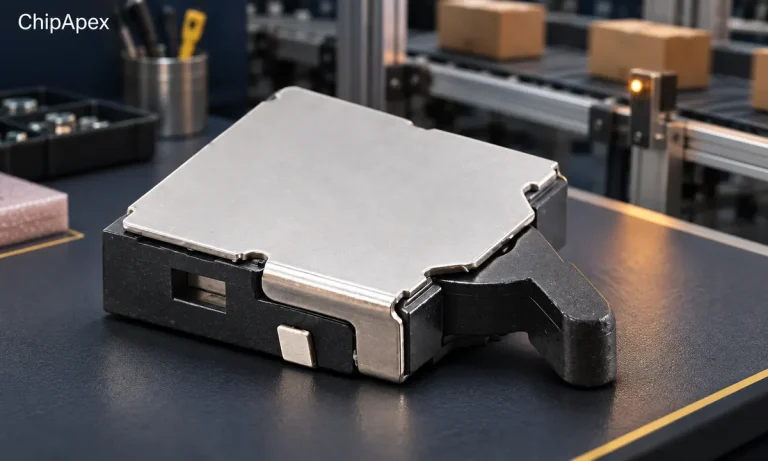
Choose a limit switch by actuator, travel, contact ratings and environment. Understand pretravel, overtravel and practical checks for machine integration.
Read More
SN74LVC2G14DCKRG4 is listed in the Inverter Gates range at ChipApex. The manufacturer field lists Texas Instruments. Its product description is IC INVERT SCHMITT 2CH…
Read More
SN74LVC2G14DCKRG4 is listed in the Inverter Gates range at ChipApex. The manufacturer field lists Texas Instruments. Its product description is IC INVERT SCHMITT 2CH…
Read More
Compare RC, crystal and MEMS oscillator circuits. Check ppm, jitter, load capacitance, startup margin and output compatibility before choosing a clock source.
Read More
SN74LVC2G14DCKRG4 is listed in the Inverter Gates range at ChipApex. The manufacturer field lists Texas Instruments. Its product description is IC INVERT SCHMITT 2CH…
Read More
SN74LVC2G14DCKRG4 is listed in the Inverter Gates range at ChipApex. The manufacturer field lists Texas Instruments. Its product description is IC INVERT SCHMITT 2CH…
Read More
Compare gas sensor technologies, cross-sensitivity and calibration needs. Define the gas, range and environment before choosing a sensing component.
Read More
Select a DC-DC converter by input range, topology, isolation and temperature. Compare ripple, efficiency and load limits before choosing a component.
Read More
The activity of extra discounts on wholesale prices is in full swing…
Please fill in your contact information and we will send you the latest wholesale price list.





