 ChipApex | Global Electronic Components Supplier

SEARCH
Search Product
Search Post
— IC芯片 | 连接器 | 传感器 | 被动器件 —
Search productSearch post
— IC芯片 | 连接器 | 传感器 | 被动器件 —
Consult the customer manager about the wholesale price.
consultation hotline:86-132-6715-2157
email:[email protected]
Contact the product manager for consultation. One-stop consultation is available.
Do you want a lower wholesale price? Please send us your inquiry and we will reply immediately.
SN74LVC2G17DSFR is listed in the Buffers, Drivers, Receivers, Transceivers range at ChipApex. The manufacturer field lists Texas Instruments. Its product description is IC BUFFER NON-INVERT 5.5V 6SON. Review the specifications below when checking this part for your BOM.
The SN74LVC2G17DSFR is a dual Schmitt-trigger buffer manufactured by Texas Instruments, belonging to the LVC logic series. It features two non-inverting input lines and two corresponding output lines housed in a SON-6 surface-mount package. The device operates within a supply voltage range of 1.65 V to 5.5 V, with a maximum static current of 10 uA. It provides high drive capability with output currents of -32 mA at high level and 32 mA at low level. The component supports an operating temperature range from -40 C to +125 C.
Verify the specific suffix DSFR corresponds to the SON-6 package and tape-and-reel orientation required for your assembly line. Confirm RoHS compliance status through official manufacturer documentation prior to integration. Ensure ESD handling protocols are strictly followed during storage and installation to maintain device integrity.
Select this component when designing circuits requiring noise-tolerant buffering for slow or noisy signals. The LVC series offers compatibility with both 1.8 V and 5 V systems, making it suitable for mixed-voltage environments. Consider the SON-6 footprint constraints and thermal performance characteristics relative to alternative packages like SC-70 or SOT-23.
This part belongs to the SN74LVC2G17 family of dual Schmitt-trigger buffers. Variants such as SN74LVC2G17DBVR and SN74LVC2G17DCKR share identical logical functionality but differ in physical packaging dimensions and pin configurations. The DSFR suffix specifically denotes the small outline no-leads (SON) package style used for compact board layouts.
Explore related parts through Logic, Integrated Circuits (ICs), all product categories, ChipApex homepage.
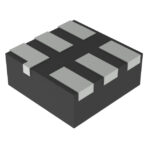 SN74LVC2G17DSFR

See when an inductor behaves linearly, how DC bias and saturation reduce inductance, and which current and temperature curves to check.
Read More
SN74LVC2G17DSFR is listed in the Buffers, Drivers, Receivers, Transceivers range at ChipApex. The manufacturer field lists Texas Instruments. Its product description is IC BUFFER…
Read More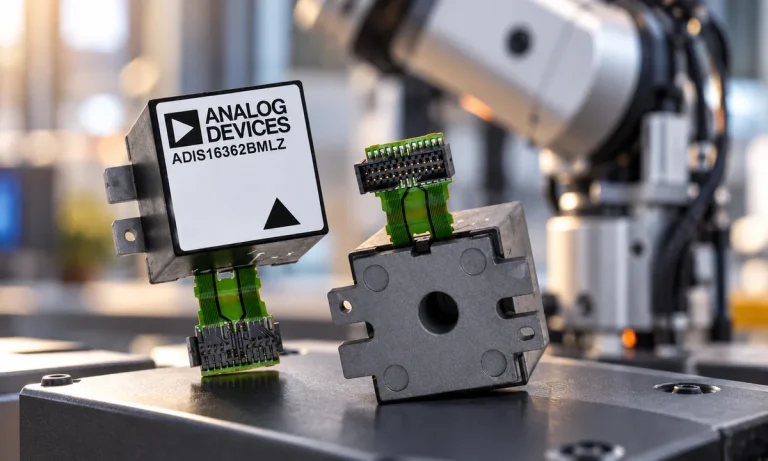
Learn what an IMU measures, how accelerometers and gyroscopes work together, why orientation estimates drift, and what to compare.
Read More
SN74LVC2G17DSFR is listed in the Buffers, Drivers, Receivers, Transceivers range at ChipApex. The manufacturer field lists Texas Instruments. Its product description is IC BUFFER…
Read More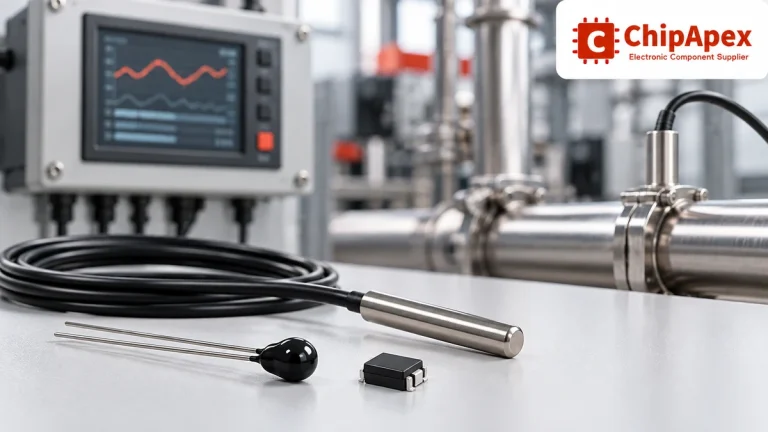
Compare thermistors, RTDs, thermocouples and temperature ICs. Learn how range, accuracy, response, interfaces and mounting affect component selection.
Read More
SN74LVC2G17DSFR is listed in the Buffers, Drivers, Receivers, Transceivers range at ChipApex. The manufacturer field lists Texas Instruments. Its product description is IC BUFFER…
Read More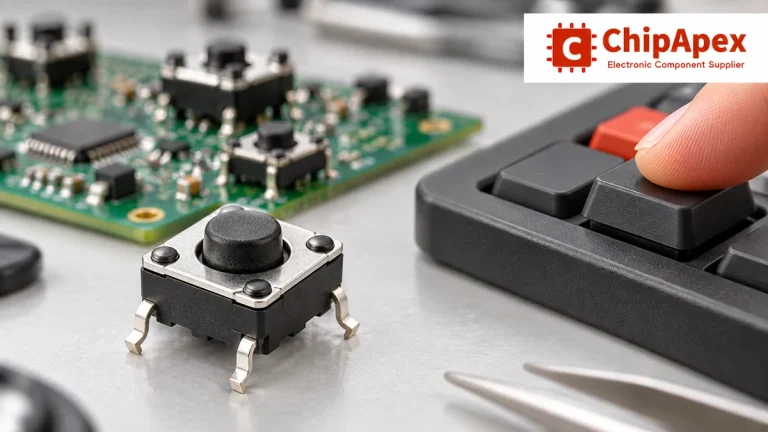
Understand tactile switches, PCB and keyboard differences, four-pin wiring, debounce, force, travel and replacement checks for reliable control inputs.
Read More
SN74LVC2G17DSFR is listed in the Buffers, Drivers, Receivers, Transceivers range at ChipApex. The manufacturer field lists Texas Instruments. Its product description is IC BUFFER…
Read More
SN74LVC2G17DSFR is listed in the Buffers, Drivers, Receivers, Transceivers range at ChipApex. The manufacturer field lists Texas Instruments. Its product description is IC BUFFER…
Read More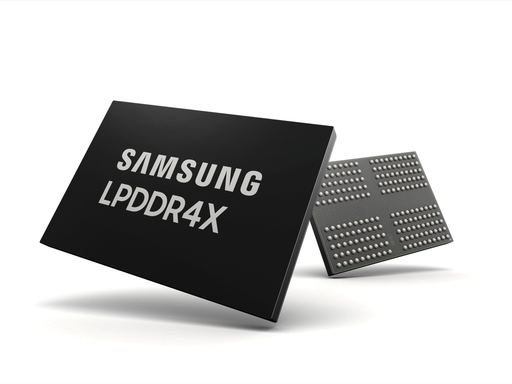
SN74LVC2G17DSFR is listed in the Buffers, Drivers, Receivers, Transceivers range at ChipApex. The manufacturer field lists Texas Instruments. Its product description is IC BUFFER…
Read More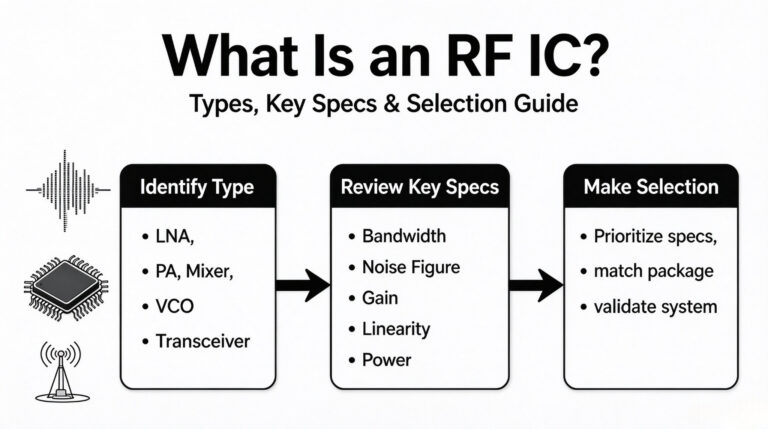
SN74LVC2G17DSFR is listed in the Buffers, Drivers, Receivers, Transceivers range at ChipApex. The manufacturer field lists Texas Instruments. Its product description is IC BUFFER…
Read More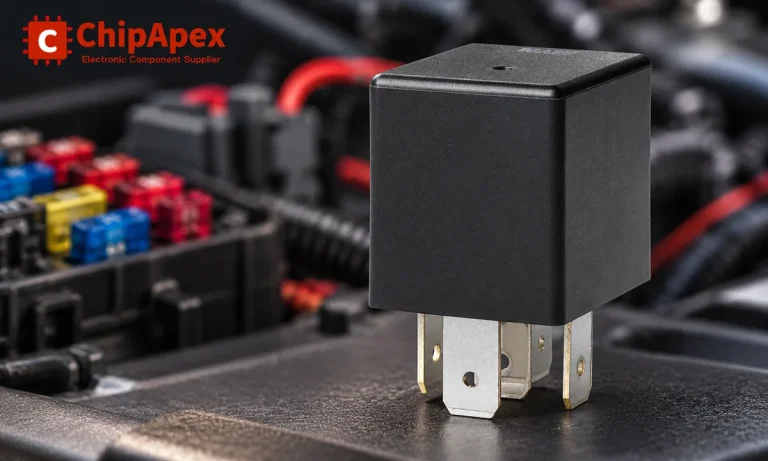
Learn the relay definition, coil and contact operation, NO and NC forms, load ratings and suppression choices. Compare mechanical, reed and solid-state types.
Read More
The activity of extra discounts on wholesale prices is in full swing…
Please fill in your contact information and we will send you the latest wholesale price list.





