 ChipApex | Global Electronic Components Supplier

SEARCH
Search Product
Search Post
— IC芯片 | 连接器 | 传感器 | 被动器件 —
Search productSearch post
— IC芯片 | 连接器 | 传感器 | 被动器件 —
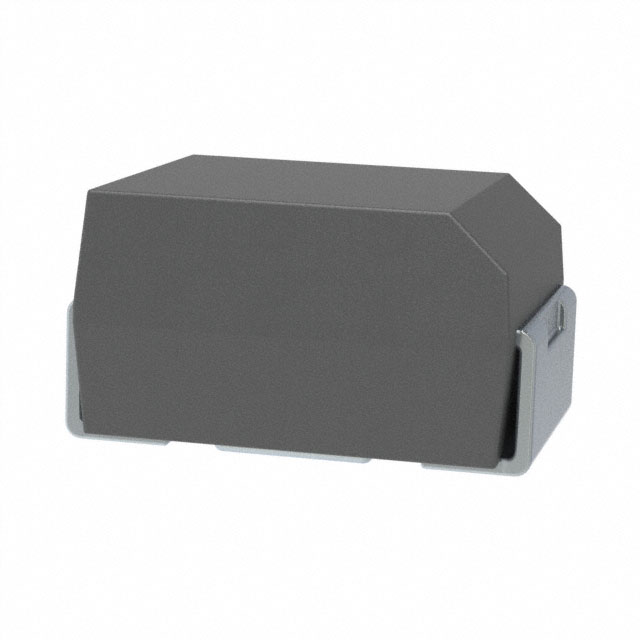
Tantalum polymer capacitors are a polarized capacitor type distinguished by their use of a conductive polymer anode material, instead of the manganese dioxide traditionally used for other dry tantalum devices. While their cost tends to be higher, they also generally exhibit better electrical performance compared to traditional Ta-MnO2 device construction, along with a more benign failure mode that simplifies application considerations.
| Select products | Mfr | Description | Package | Supplier Device Package | Mounting Type | Series | Operating Temperature |
|---|---|---|---|---|---|---|---|
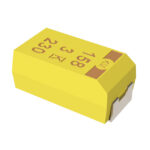 T540D226K030AT8605 $10.11 | KEMET | CAP TANT POLY 22UF 30V 2917 | Tape & Reel (TR) | Surface Mount | KO-CAP® T540 | -55°C ~ 125°C | |
T540D226K030AT8705 $11.17 | KEMET | CAP TANT POLY 22UF 30V 2917 | Tape & Reel (TR) | Surface Mount | KO-CAP® T540 | -55°C ~ 125°C | |
T540D226K030BH8505 $9.32 | KEMET | CAP TANT POLY 22UF 30V 2917 | Tape & Reel (TR) | Surface Mount | KO-CAP® T540 | -55°C ~ 125°C | |
T540D226K030BH8605 $10.40 | KEMET | CAP TANT POLY 22UF 30V 2917 | Tape & Reel (TR) | Surface Mount | KO-CAP® T540 | -55°C ~ 125°C | |
T540D226K030BH8705 $11.46 | KEMET | CAP TANT POLY 22UF 30V 2917 | Tape & Reel (TR) | Surface Mount | KO-CAP® T540 | -55°C ~ 125°C | |
T540D226K030BT8505 $9.70 | KEMET | CAP TANT POLY 22UF 30V 2917 | Tape & Reel (TR) | Surface Mount | KO-CAP® T540 | -55°C ~ 125°C | |
T540D226K030BT8605 $10.77 | KEMET | CAP TANT POLY 22UF 30V 2917 | Tape & Reel (TR) | Surface Mount | KO-CAP® T540 | -55°C ~ 125°C | |
T540D226K030BT8705 $11.84 | KEMET | CAP TANT POLY 22UF 30V 2917 | Tape & Reel (TR) | Surface Mount | KO-CAP® T540 | -55°C ~ 125°C |
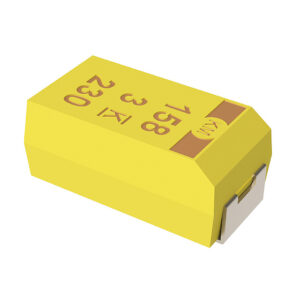 T540B226M010BH85107280View Product
 T54EE226M050ESA100View ProductT540B226K010CH87107280View Product
 T520X337M010ATE025View ProductT540D476K020BT8505View Product
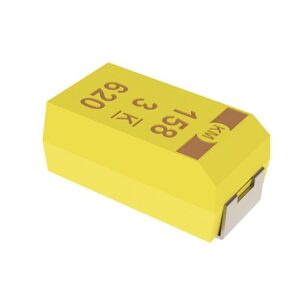 T541X477K006CH6730View Product
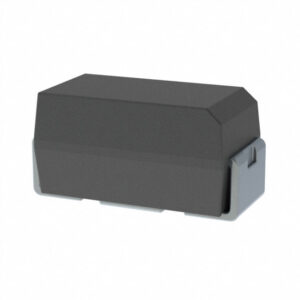 T520B107M006ANE050View ProductT540B107M003DH8710WAFLView Product
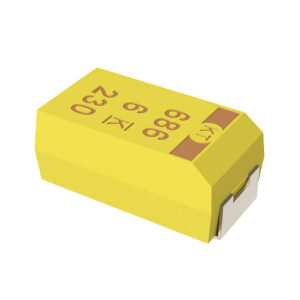 T540D337M2R5BH8705WAFLView ProductT520B107M004ATE0407627View Product
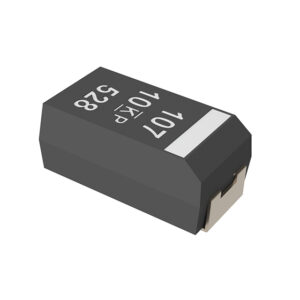 T599B336M004ATE090View ProductT540D157M006BH8605WAFLView Product

Wilmington, Mass. & Milpitas, Calif. – May 19, 2026 – Analog Devices, Inc. (NASDAQ: ADI), a global leader in high-performance analog and mixed-signal semiconductors,…
Read More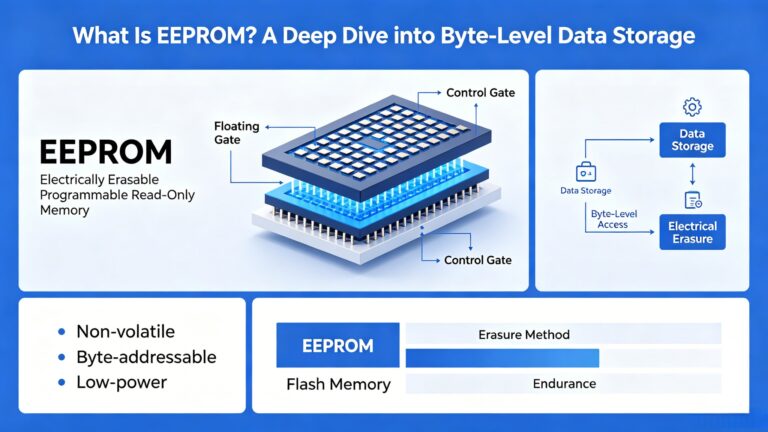
In the vast landscape of memory technology, EEPROM (Electrically Erasable Programmable Read-Only Memory) often plays the unsung hero. While NAND Flash grabs headlines for…
Read More
The Dutch government’s intervention in the control of Nexperia (Anshi Semiconductor) is triggering a chain reaction of turmoil in the global power semiconductor market.…
Read More
Choose logic inverter ICs by thresholds, supply, output drive and delay. Compare standard and Schmitt-trigger inputs, power sequencing and replacement checks.
Read More
See how a MEMS gyroscope measures angular rate, why its angle estimate drifts, and which range, noise, interface and temperature specs to compare.
Read More
Learn how rectifiers convert AC to DC, compare half-wave and bridge circuits, and select voltage, current, recovery and thermal ratings for your design.
Read More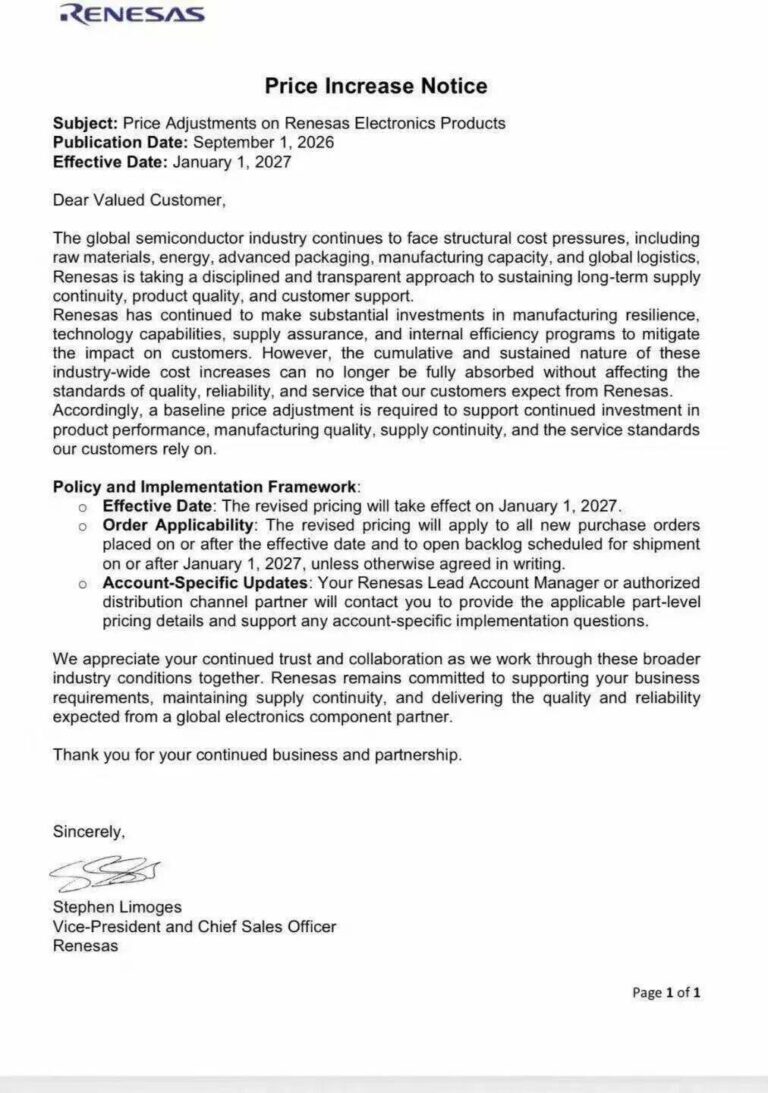
TOKYO — Global leading semiconductor and power electronic components manufacturer Renesas Electronics officially issued a new price adjustment notice in early September 2026, confirming…
Read More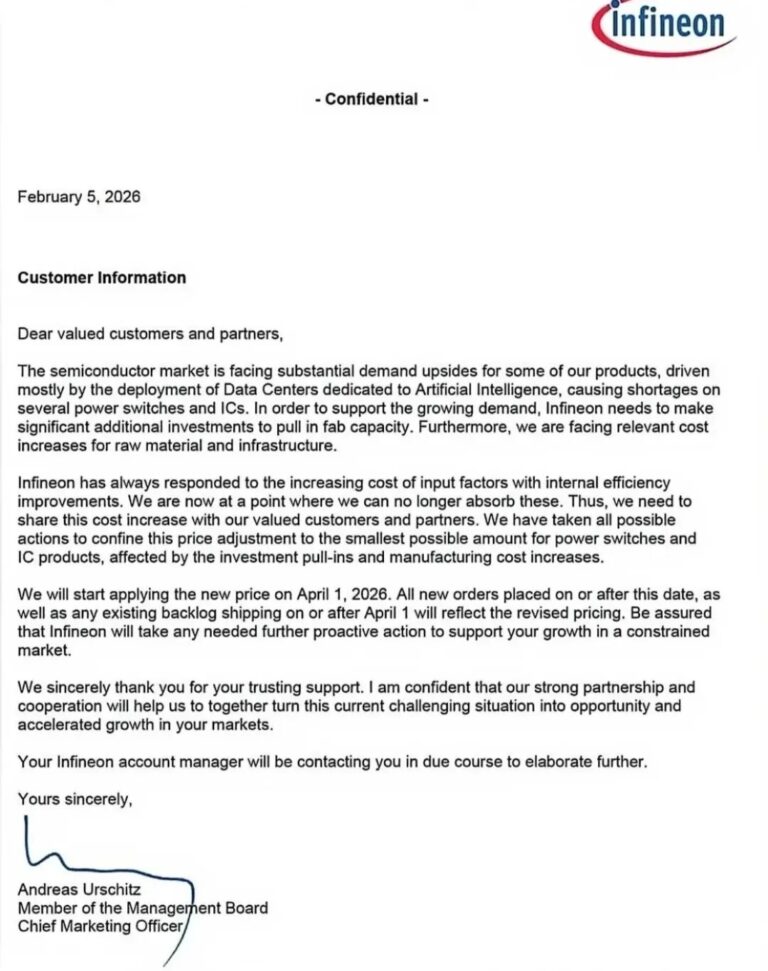
Munich, Germany – February 8, 2026 — Infineon Technologies, the German semiconductor giant, officially issued a price increase notice on February 5, announcing that…
Read More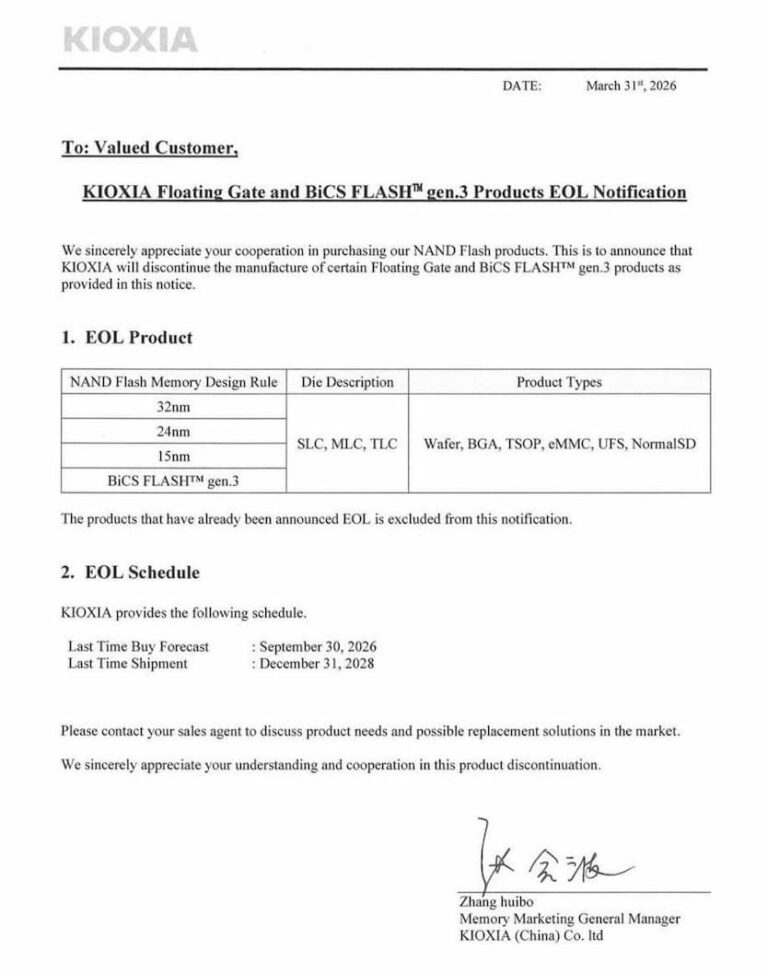
TOKYO, April 1, 2026 – Kioxia Corporation (formerly Toshiba Memory Corporation), a global leader in flash memory and storage solutions, has officially issued a…
Read More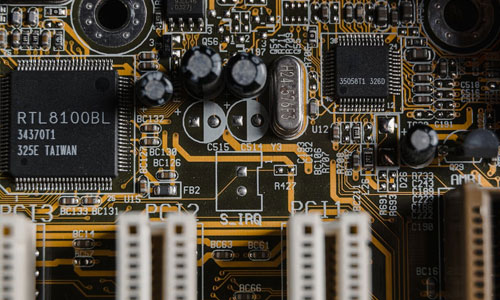
The rapid advancement of artificial intelligence (AI) is transforming industries across the globe, and the world of electronic components is no exception. From smarter…
Read More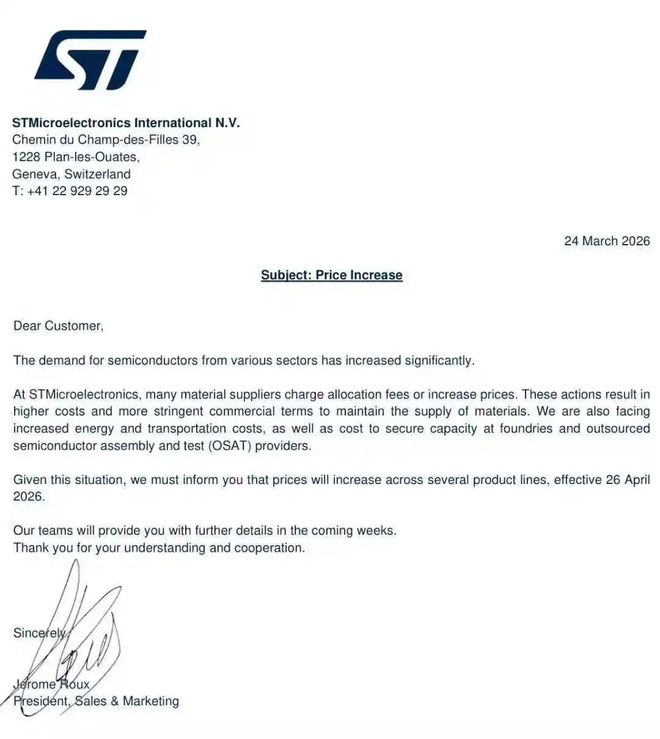
Geneva, Switzerland – March 25, 2026 – STMicroelectronics N.V. (NYSE: STM), a global semiconductor leader serving customers across the electronics applications spectrum, has announced…
Read More
Learn why PTC resistance rises with temperature, how it differs from NTC, and which ratings matter for sensing and protection.
Read More
The activity of extra discounts on wholesale prices is in full swing…
Please fill in your contact information and we will send you the latest wholesale price list.

