ChipApex | Global Electronic Components Supplier

SEARCH
Search Product
Search Post
— IC芯片 | 连接器 | 传感器 | 被动器件 —
Search productSearch post
— IC芯片 | 连接器 | 传感器 | 被动器件 —
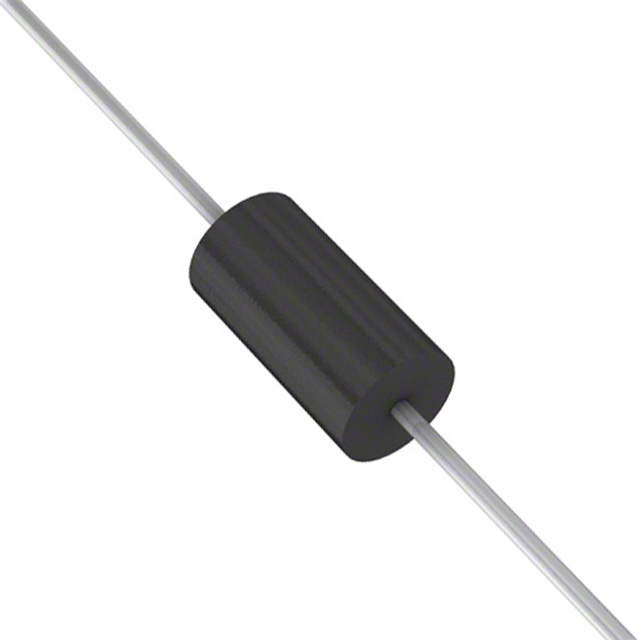
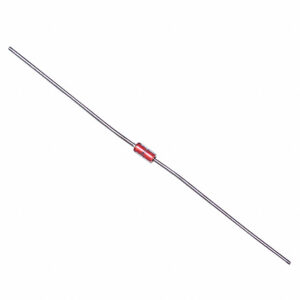
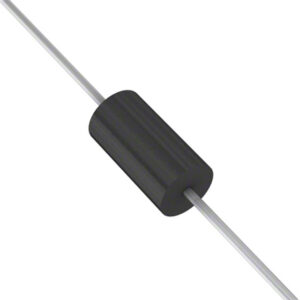
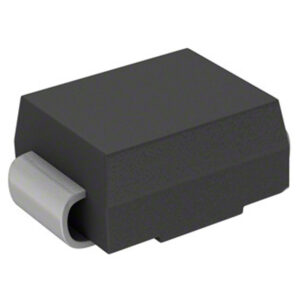
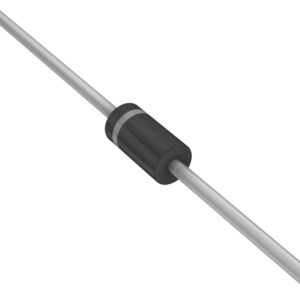
Products in the DIAC and SIDAC family are two-terminal devices most commonly used as triggering mechanisms in AC phase control applications. They act to oppose current flow until the voltage applied across them reaches some critical value, at which point current flow through them increases significantly. The two differ in the shape of their characteristic curves; DIACs (Diodes for Alternating Current) generally exhibit higher forward voltages in their conductive mode, and thus tend to be less suitable than SIDACs (Silicon Diode for Alternating Current) when substantial current flow is an application requirement.

ON Semiconductor (onsemi), a global leader in intelligent power and sensing technologies, has announced plans to implement price adjustments for select product lines, effective…
Read More
In embedded design, the tug-of-war between cost and performance is constant. On one side, you have Microcontrollers (MCUs)—cheap, simple, and efficient. On the other,…
Read More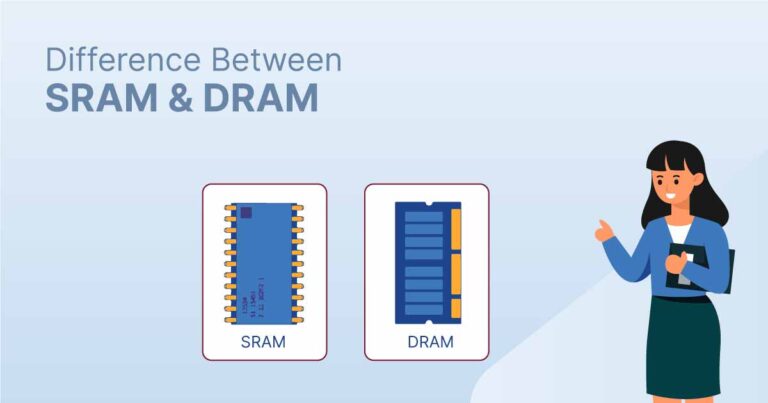
In an era dominated by AI accelerators with terabytes of HBM memory and consumer devices racing toward LPDDR5X bandwidth, it’s easy to wonder: why…
Read More
In the world of embedded electronics, getting a device to “think” is only half the battle. The other half is getting it to communicate…
Read More
In the world of electronics, memory components play a critical role in system performance—and DRAM (Dynamic Random-Access Memory) is one of the most widely…
Read More
Learn how rectifiers convert AC to DC, compare half-wave and bridge circuits, and select voltage, current, recovery and thermal ratings for your design.
Read More
Recently, a survey by the Electronic Components Industry Association (ECIA) revealed that the sales sentiment of global electronic components remained optimistic in the third…
Read More
Vishay Intertechnology, Inc., a global leader in discrete semiconductors and passive electronic components, has officially announced a price adjustment for its Metal-Oxide-Semiconductor Field-Effect Transistors…
Read More
Learn how a diode conducts, how to identify anode and cathode, and when to choose rectifier, TVS, Zener or photodiode types for a circuit.
Read More
Understand how oscillators generate timing signals, how they differ from crystals, and which frequency, output and stability specs matter when choosing one.
Read More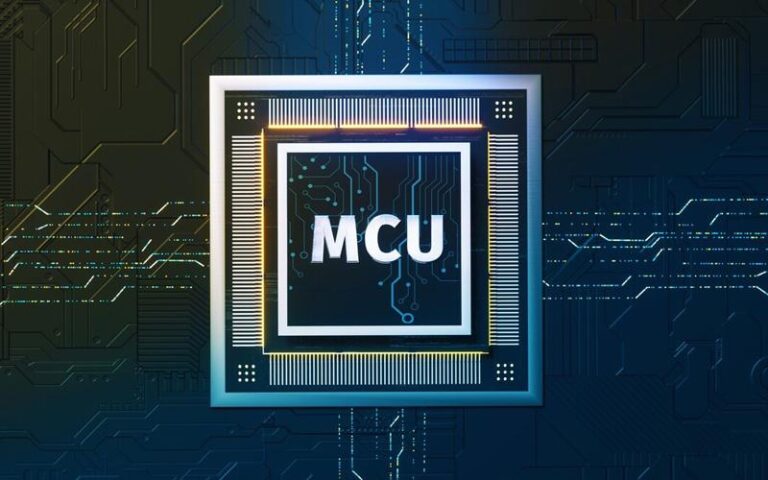
Selecting the right microcontroller (MCU) isn’t just about specs—it’s about balancing performance, power, cost, and supply chain reliability. As an engineer, you’ve probably faced…
Read More
See how a MEMS gyroscope measures angular rate, why its angle estimate drifts, and which range, noise, interface and temperature specs to compare.
Read More
The activity of extra discounts on wholesale prices is in full swing…
Please fill in your contact information and we will send you the latest wholesale price list.