ChipApex | Global Electronic Components Supplier

SEARCH
Search Product
Search Post
— IC芯片 | 连接器 | 传感器 | 被动器件 —
Search productSearch post
— IC芯片 | 连接器 | 传感器 | 被动器件 —

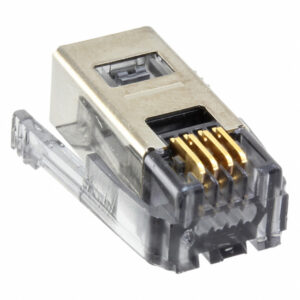
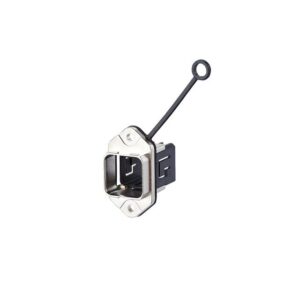
Connectors and interconnects are essential components that enable the connection of electrical circuits or fiber optic cables. They provide a reliable and reusable method for transmitting electrical signals or light pulses between different parts of an electronic system. The vast array of connector and interconnect designs caters to a wide range of applications and functionalities. A wide variety of styles are available for most applications, including banana plugs for lab equipment, coaxial connectors for RF, sockets for transistors and integrated circuits, standard AC power connectors, headphone plugs and jacks, high-voltage connectors, USB connectors, and more! The key features and benefits of connectors and interconnects include: Electrical Connection: Establish a secure and reliable path for electrical signals or light pulses to flow between components. Mating and Unmating: Allow for easy connection and disconnection of circuits, facilitating maintenance, repair, and modularity in electronic systems. Environmental Protection: Shield connections from dust, moisture, and other environmental elements to ensure reliable performance. Signal Integrity: Maintain signal quality by minimizing signal loss or distortion, particularly in high-frequency applications. Standardization: Many connector types adhere to industry standards, ensuring compatibility between components from different manufacturers. Connectors and interconnects are ubiquitous in modern electronics. They are found in everything from computers and smartphones to industrial machinery and medical devices. The specific type of connector chosen depends on factors like voltage, current rating, required bandwidth, environmental conditions, and desired mating mechanism.
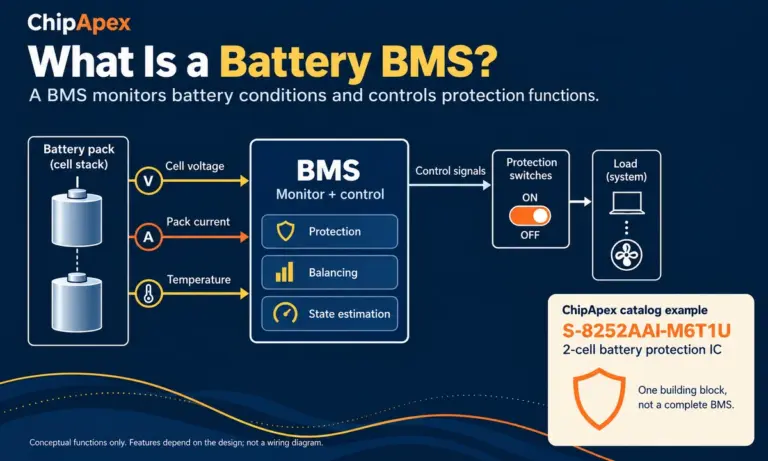
Learn what a battery BMS does, how protection differs from charging, and which pack specifications to check when sourcing BMS components through ChipApex.
Read More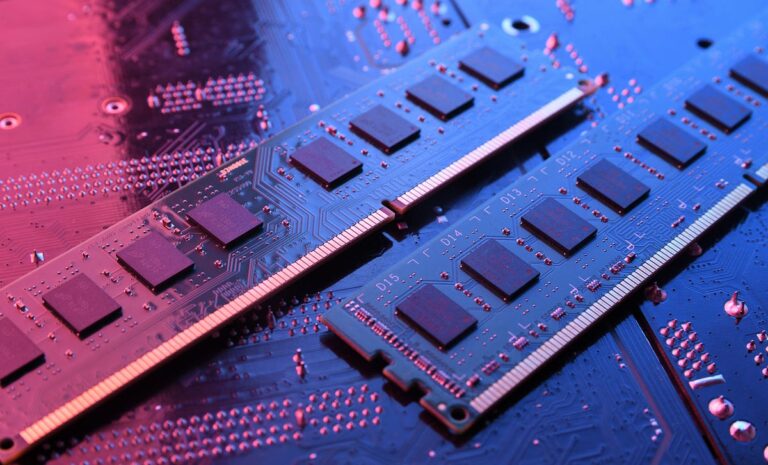
In the world of electronics, memory components play a critical role in system performance—and DRAM (Dynamic Random-Access Memory) is one of the most widely…
Read More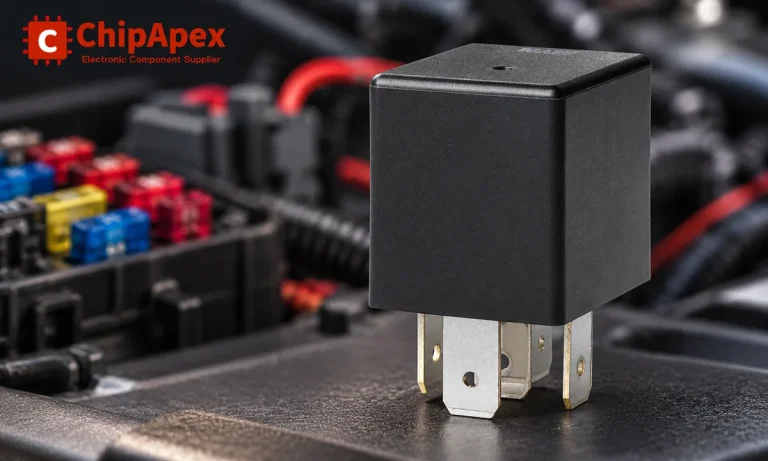
Learn the relay definition, coil and contact operation, NO and NC forms, load ratings and suppression choices. Compare mechanical, reed and solid-state types.
Read More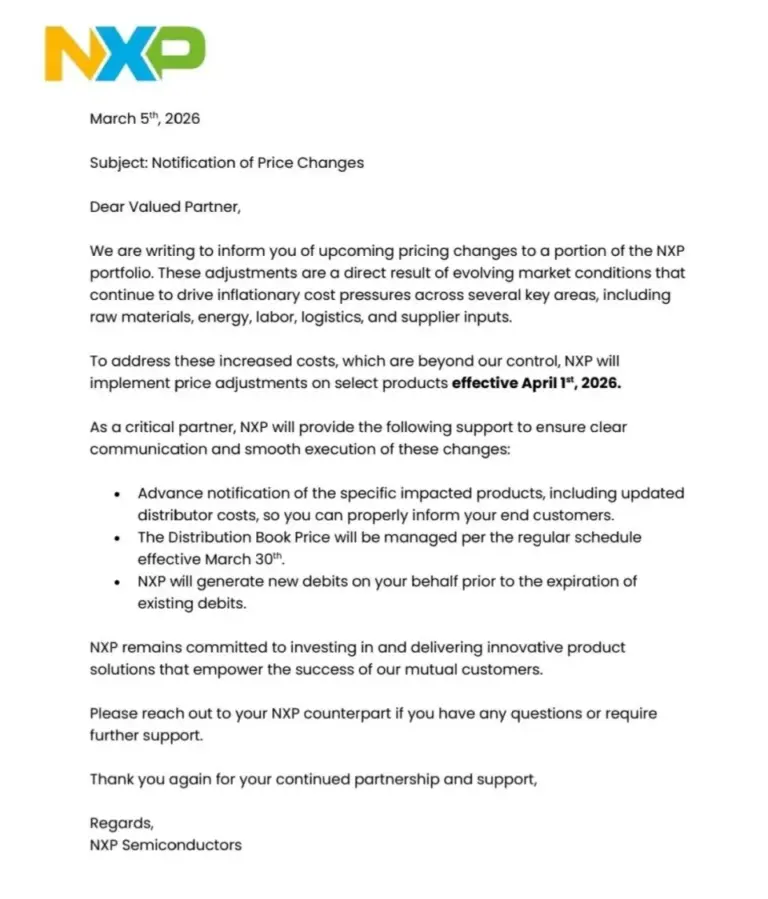
NXP Semiconductors (NASDAQ: NXPI), a global leader in automotive, industrial, and IoT semiconductors, has officially notified customers of an upcoming price adjustment for select…
Read More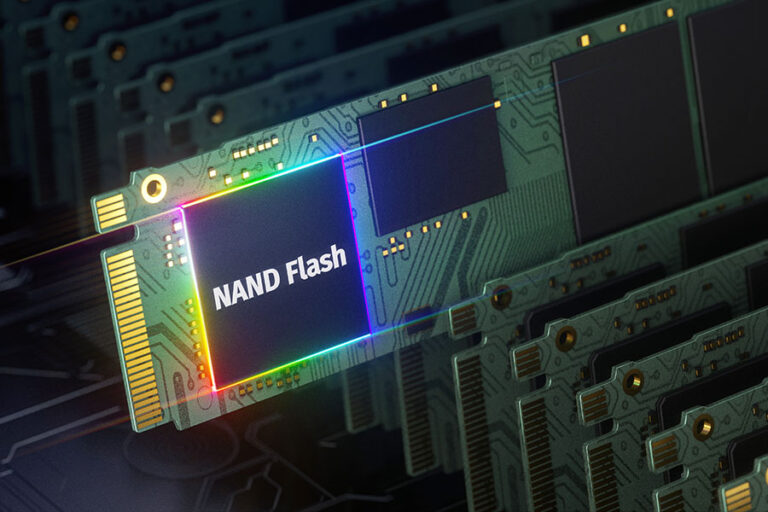
What Is NAND Flash? A Practical Guide for Engineers & Procurement Teams In today’s data-driven world—from smartphones and SSDs to industrial IoT devices—NAND flash…
Read More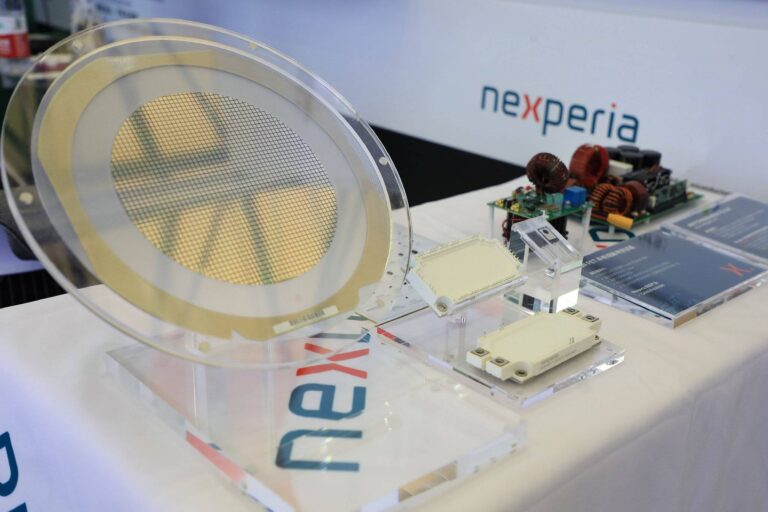
Dutch authorities announced on November 7 the lifting of control measures on Nexperia (formerly NXP Semiconductors’ Standard Products division), marking the end of a…
Read More
On October 1, 2025 local time, OpenAI, an artificial intelligence research company, announced the establishment of a cooperative relationship with Samsung Electronics and SK…
Read More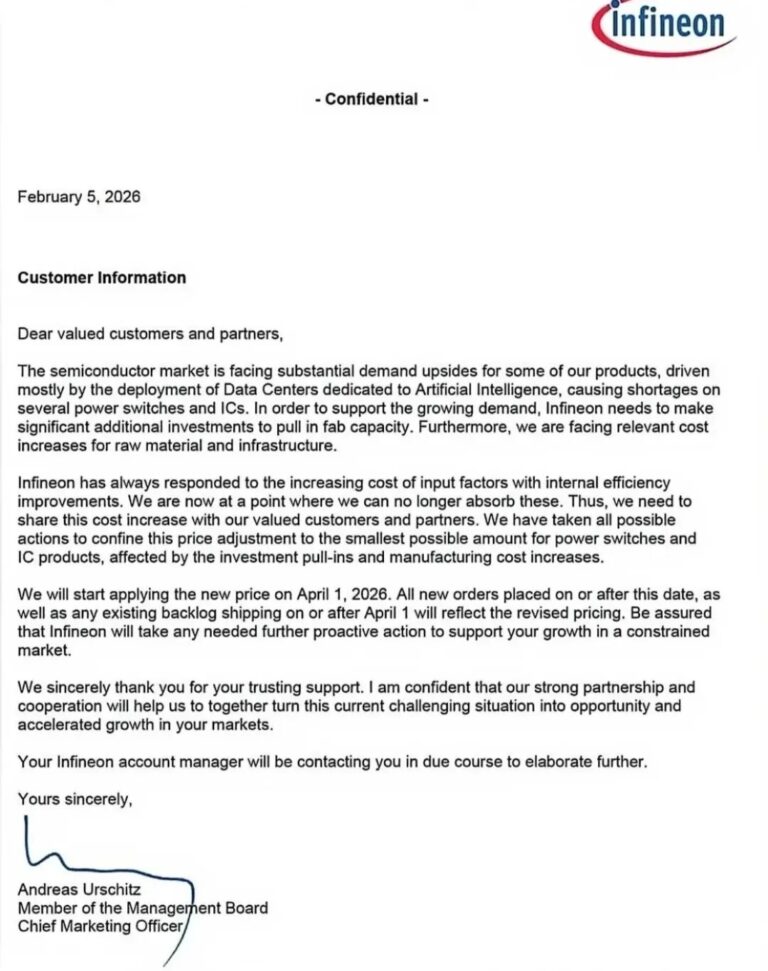
Munich, Germany – February 8, 2026 — Infineon Technologies, the German semiconductor giant, officially issued a price increase notice on February 5, announcing that…
Read More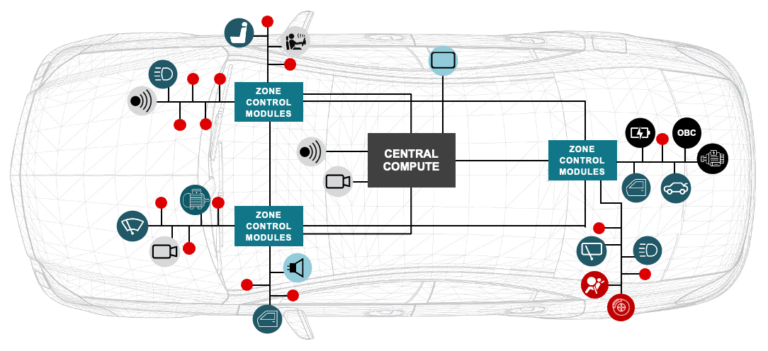
Las Vegas, January 6, 2026 — At the Consumer Electronics Show (CES) 2026, Texas Instruments (TI) (NASDAQ: TXN) announced a suite of next-generation semiconductor…
Read More
Choose a DIP switch by contact type, coded positions, footprint and signal ratings. Check logic polarity, assembly conditions and PCB configuration behavior.
Read More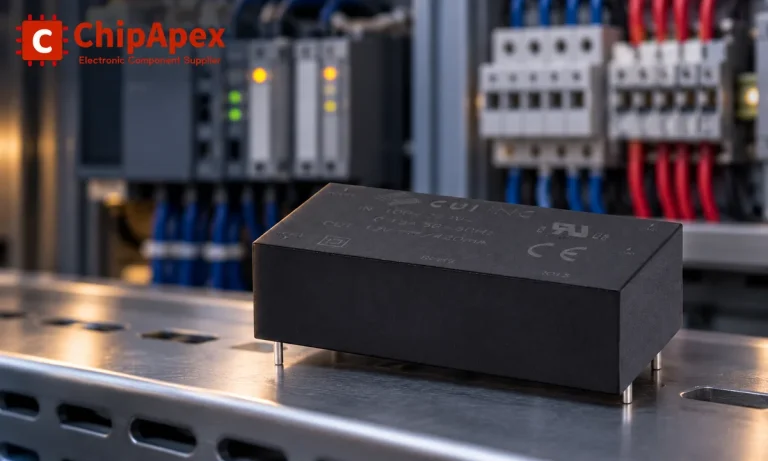
Choose an AC to DC converter by input range, output demand, isolation, efficiency and thermal derating. Compare architectures and check installation needs.
Read More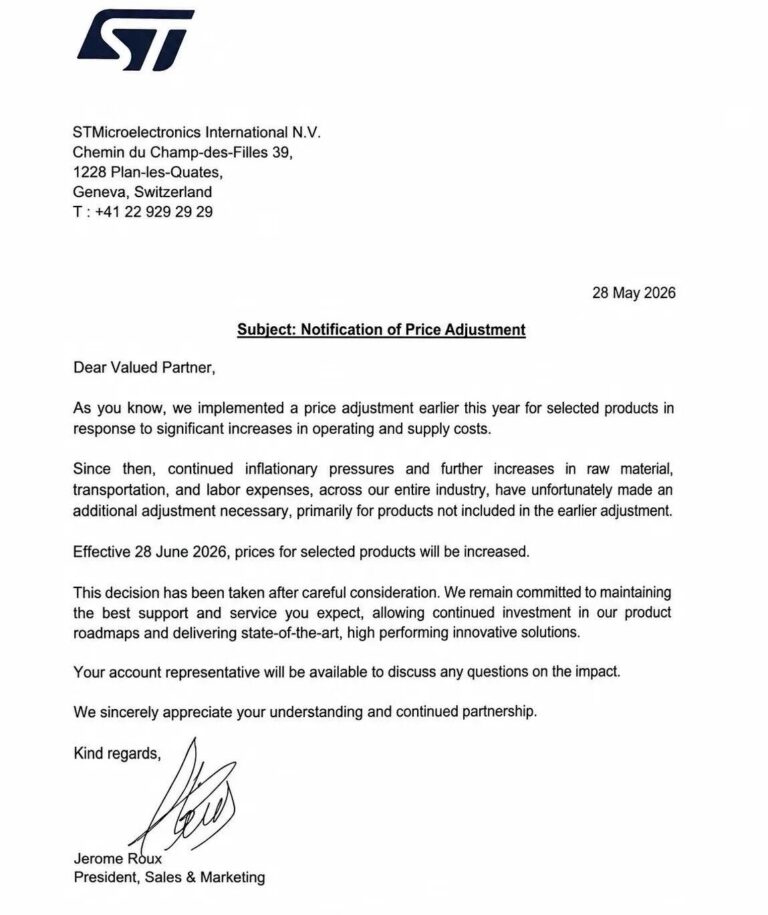
STMicroelectronics (ST), a global leader in semiconductor manufacturing, has officially notified customers of a new round of price increases for selected products, set to…
Read More
The activity of extra discounts on wholesale prices is in full swing…
Please fill in your contact information and we will send you the latest wholesale price list.