ChipApex | Global Electronic Components Supplier

SEARCH
Search Product
Search Post
Search productSearch post
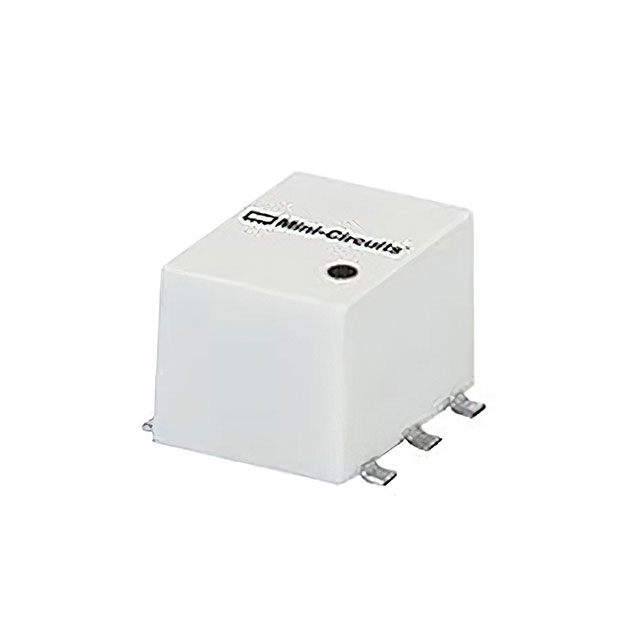
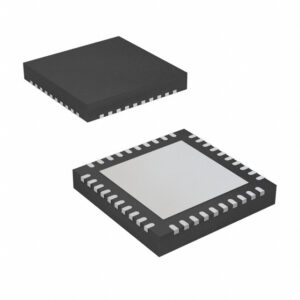
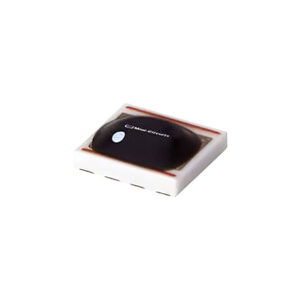
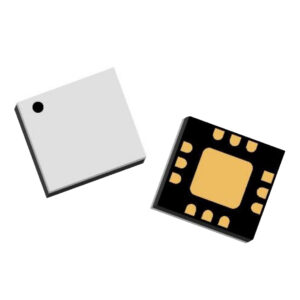
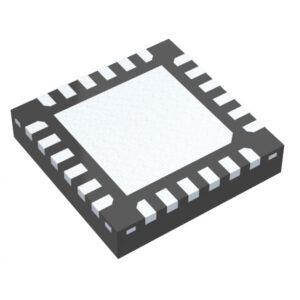
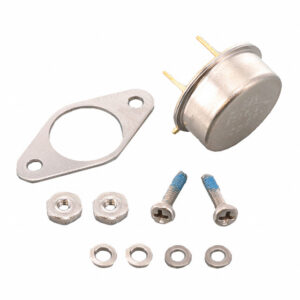
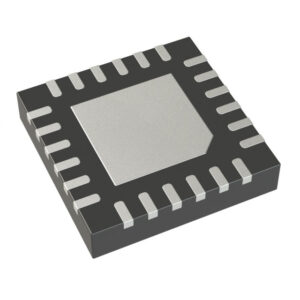
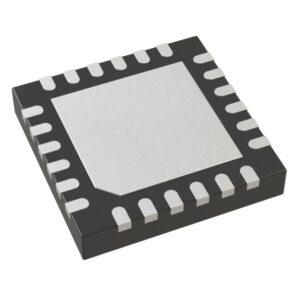
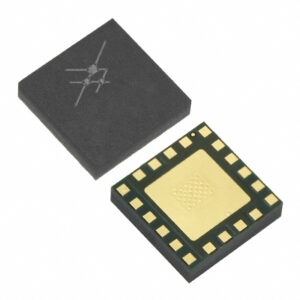
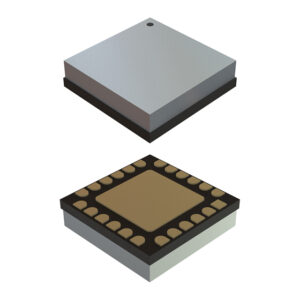
RF mixers, or frequency mixers, are devices with three ports that are used to change the frequency of the two input signals. RF mixers are passive or active devices used for down converting or up converting signals. The characteristics are RF type, frequency, number of mixers, gain, noise figure, secondary attributes, current, and voltage. The frequency range is from 0 to 90 GHz with the number of mixers being 1, 2, 3, or 4.

Choose a miniature circuit breaker for a control panel. Compare trip curves, startup duration, interrupting capacity and branch protection requirements.
Read More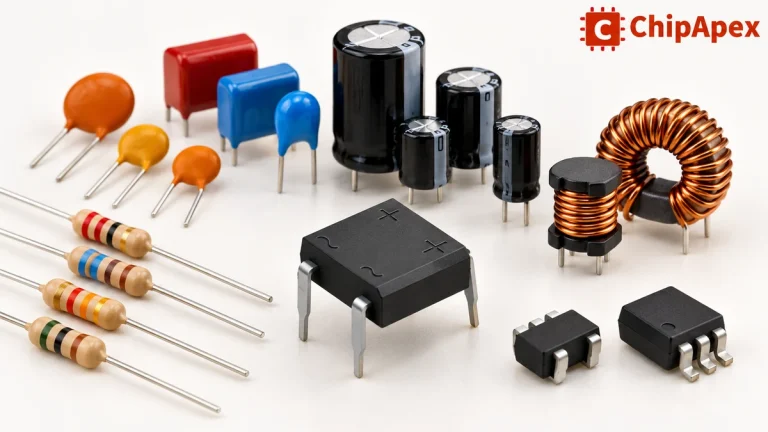
Explore electronic component types, functions, packages and datasheets. Learn selection, replacement and BOM checks before ordering parts for your PCB.
Read More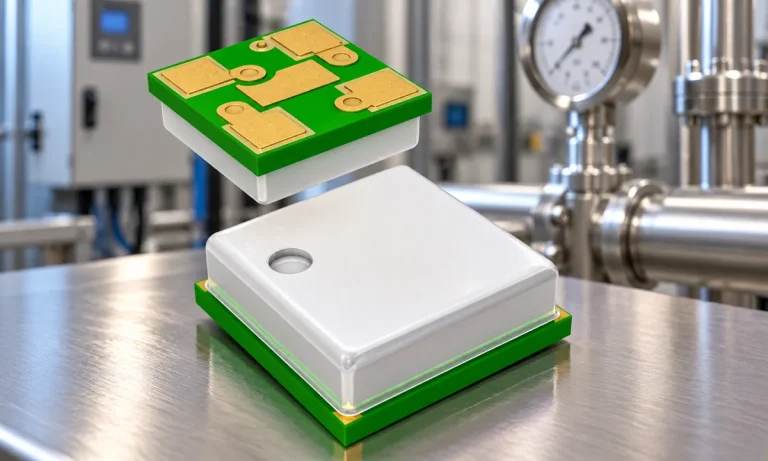
Learn how a pressure transducer converts pressure into voltage, current, or digital output, and compare pressure references and key selection specs.
Read More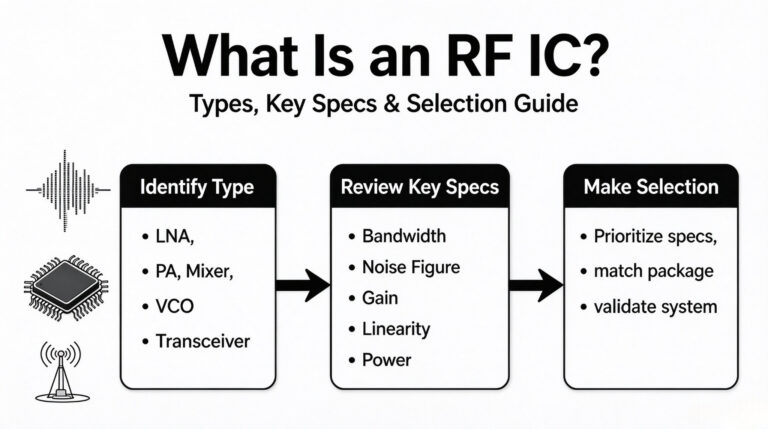
An RF IC, or radio-frequency integrated circuit, is a chip that processes wireless signals between the antenna and the baseband processor. Instead of building…
Read More
On October 1, 2025 local time, OpenAI, an artificial intelligence research company, announced the establishment of a cooperative relationship with Samsung Electronics and SK…
Read More
CHICAGO, USA – May 27, 2026 – Global leading interconnect manufacturer Molex officially issued a global distributor price adjustment notice on May 27, confirming…
Read More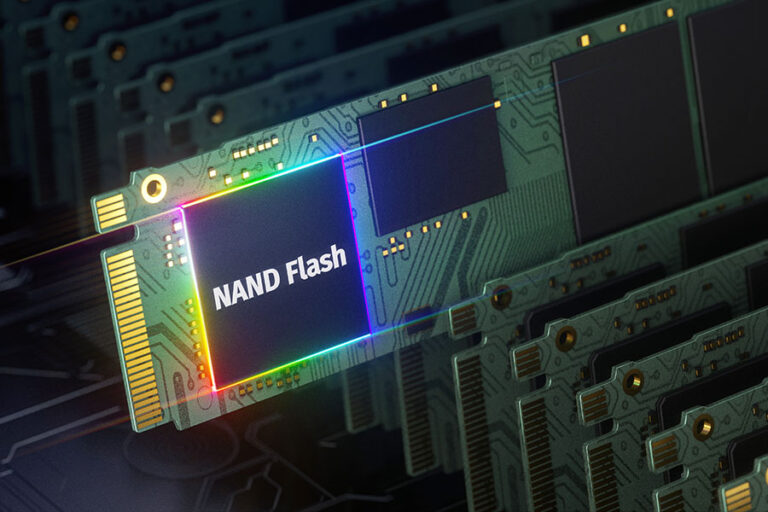
What Is NAND Flash? A Practical Guide for Engineers & Procurement Teams In today’s data-driven world—from smartphones and SSDs to industrial IoT devices—NAND flash…
Read More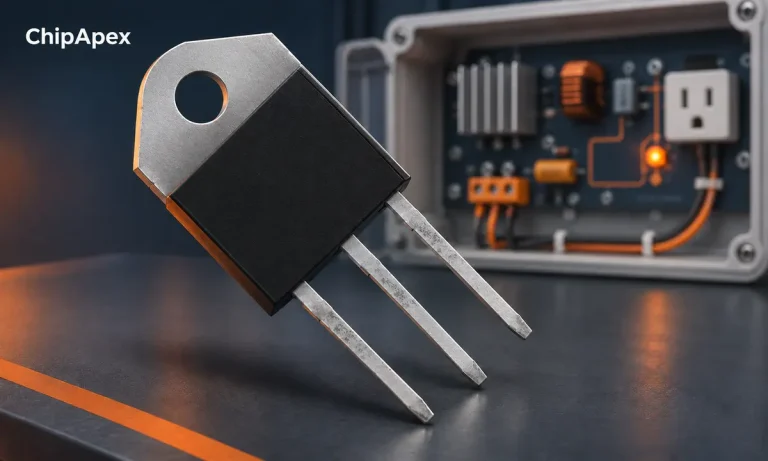
Learn how a TRIAC switches AC loads. Understand triggering, latching, holding current, phase control and thermal limits before choosing a component.
Read More
Embedded Integrated Circuit Modules: The Backbone of Modern Technology Embedded Integrated Circuit Modules (EICMs) have become an indispensable part of modern technology. Serving as…
Read More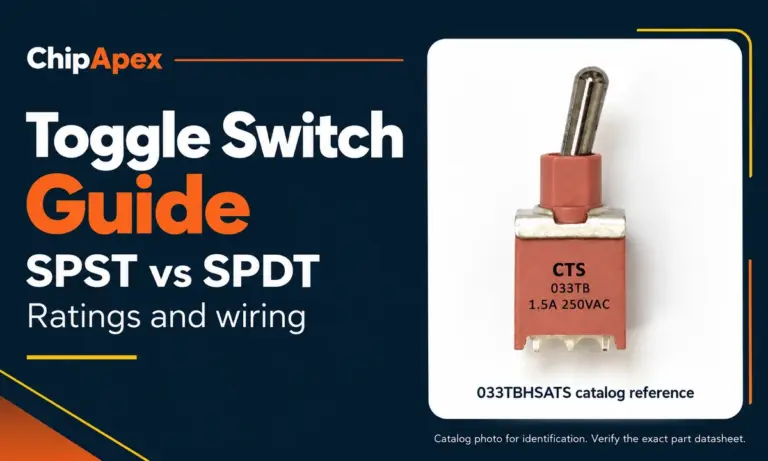
Compare SPST and SPDT toggle switches, understand AC/DC ratings, and follow wiring examples. Check contact action, mounting and parts in the ChipApex catalog.
Read More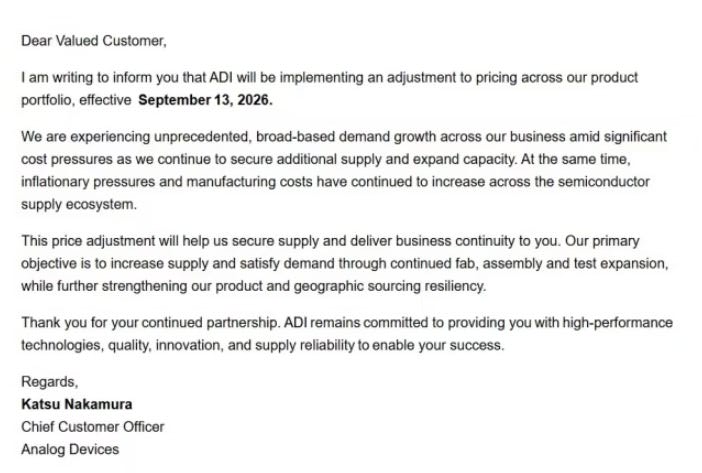
WILMINGTON, Mass. – August 11, 2026 — Analog Devices, Inc. (NASDAQ: ADI), the global leading supplier of high-performance analog, mixed-signal and digital signal processing…
Read More
Understand voltage controlled oscillator tuning, phase noise and PLL operation. Check supply noise, output loading and requirements before selection.
Read More
The activity of extra discounts on wholesale prices is in full swing…
Please fill in your contact information and we will send you the latest wholesale price list.