 ChipApex | Global Electronic Components Supplier

SEARCH
Search Product
Search Post
Search productSearch post
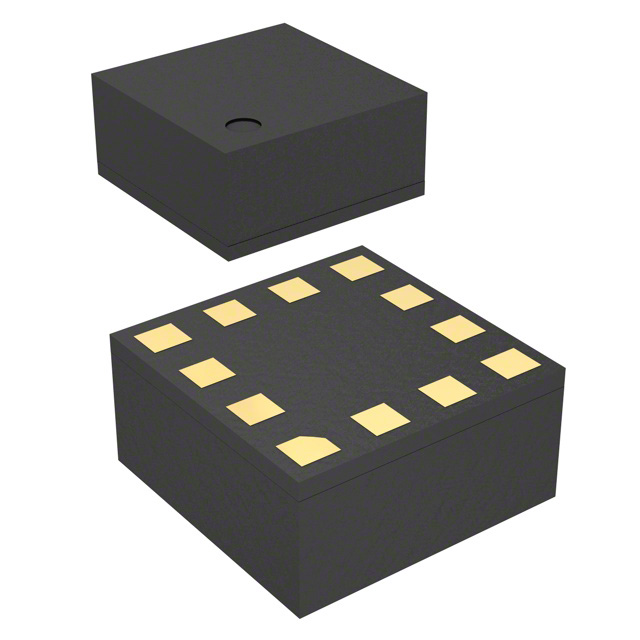
Motion Sensors are used to detect movement in an X, Y, or Z axis (or a combination thereof) and respond in various ways. Types of motion sensors include accelerometers, gyroscopes, inclinometers, inertial measurement units (IMUs), vibration, tilt switches, and optical.
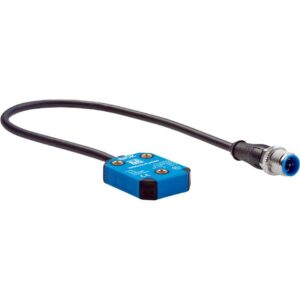 1124499View Product
 USEQMSM1221600View Product
 ADIS16255ACCZView Product
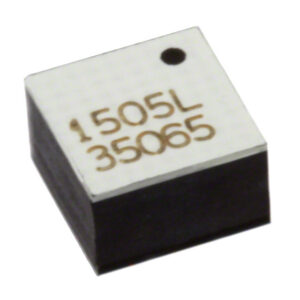 RPI-1035View Product
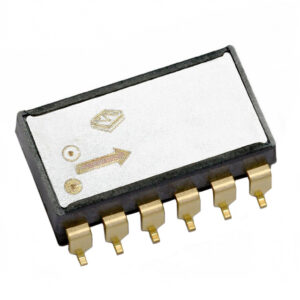 SCA1020-D06-1View Product
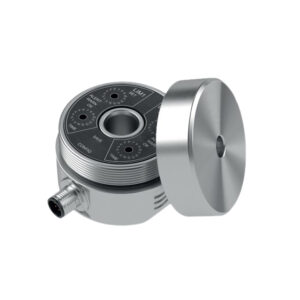 VIM82PU-S1B10-20E-I42WV19View Product
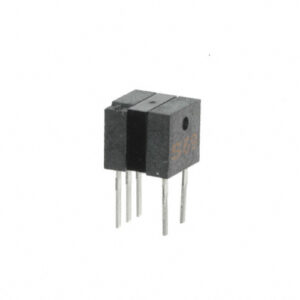 GP1S36J0000FView Product
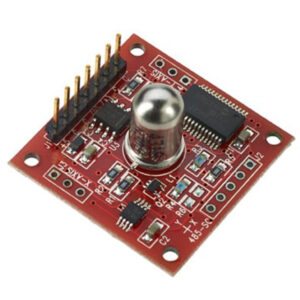 0729-1754-99View Product
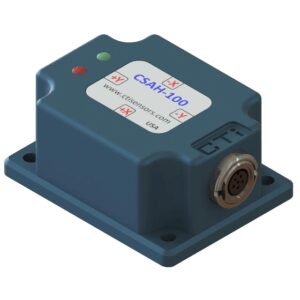 CS-AH100-A-4-A1View Product
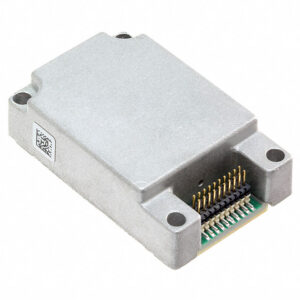 ADIS16448BMLZ-PView Product
 ZMOT0BSB0B0AGView Product
 LPR4150ALView Product
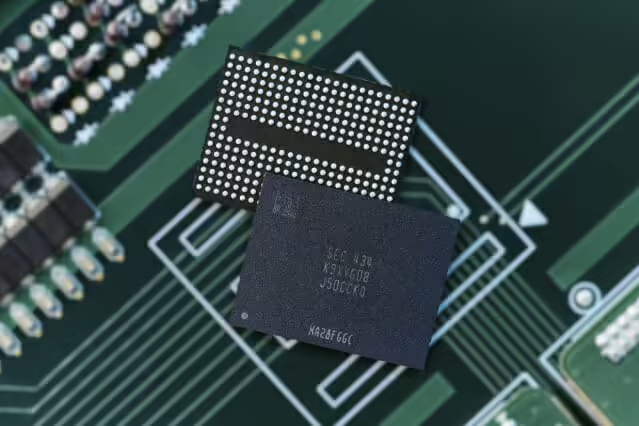
Recently, the global electronic component market has witnessed complex and changeable trends. In the memory chip sector, the wave of price increases continues to…
Read More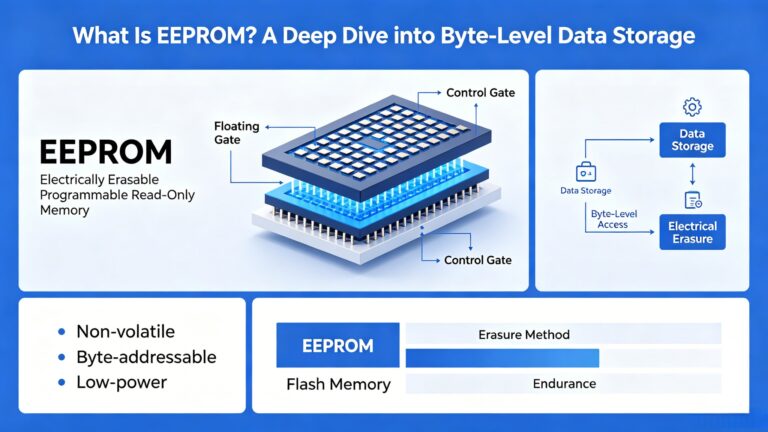
In the vast landscape of memory technology, EEPROM (Electrically Erasable Programmable Read-Only Memory) often plays the unsung hero. While NAND Flash grabs headlines for…
Read More
TOKYO, April 15, 2026 – Taiyo Yuden Co., Ltd. (TAIYO YUDEN), a leading global manufacturer of passive electronic components, has officially notified its worldwide…
Read More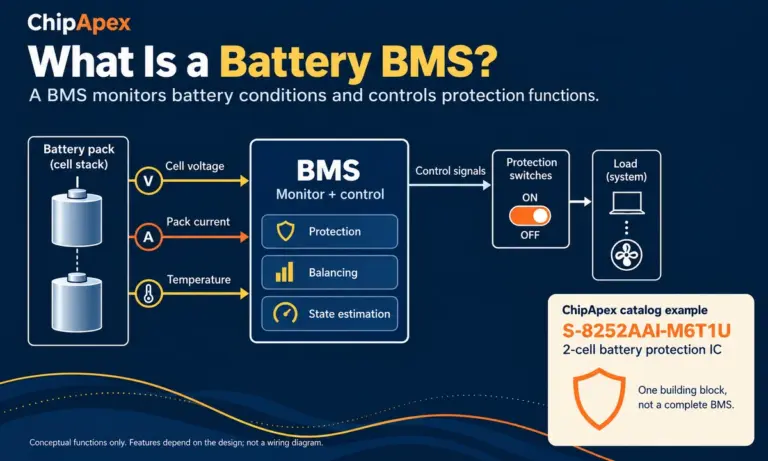
Learn what a battery BMS does, how protection differs from charging, and which pack specifications to check when sourcing BMS components through ChipApex.
Read More
September 16, 2026 – Global — Leading semiconductor manufacturer ON Semiconductor (onsemi, NASDAQ: ON) has officially issued a formal price adjustment letter to global…
Read More
May 4, 2026 — The global power semiconductor market is grappling with a worsening supply crunch, as lead times for key components have extended…
Read More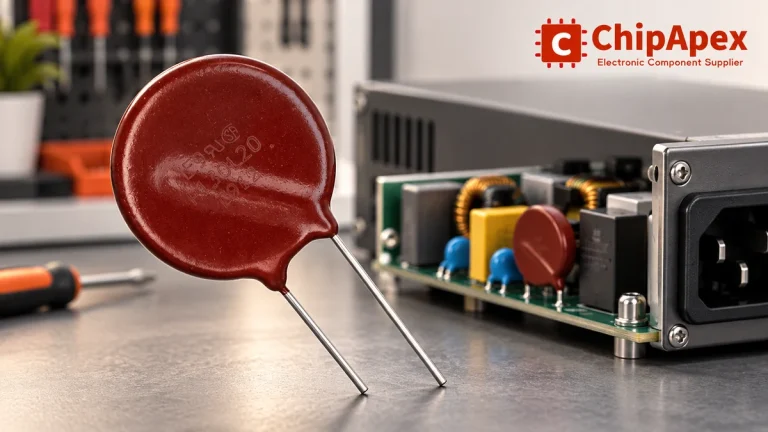
Select MOV varistors by continuous voltage, clamping behavior, surge waveform and repetition. Check thermal disconnection, fuse coordination and replacements.
Read More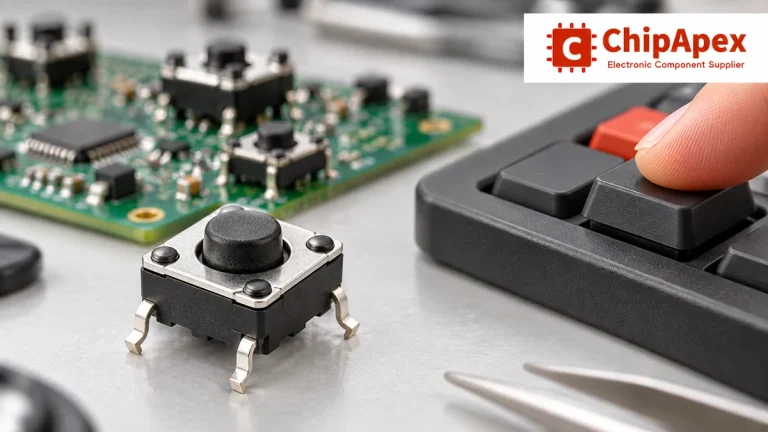
Understand tactile switches, PCB and keyboard differences, four-pin wiring, debounce, force, travel and replacement checks for reliable control inputs.
Read More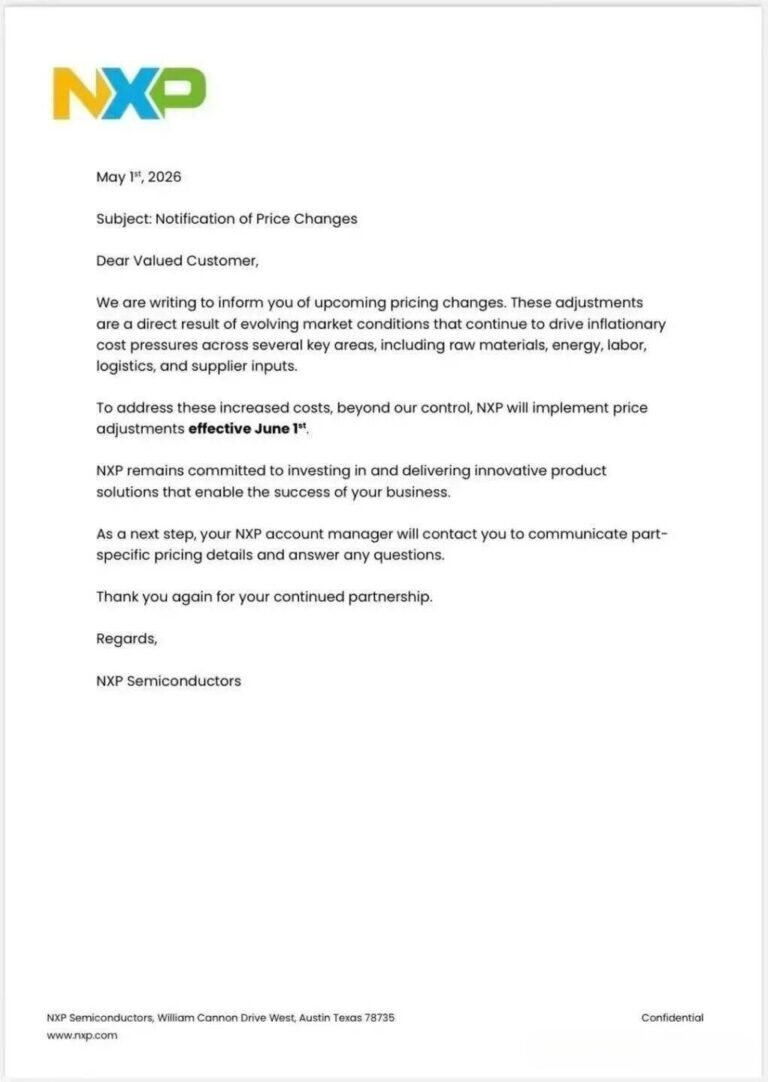
May 8, 2026 – Eindhoven, Netherlands NXP Semiconductors (NXPI), a global leader in automotive and industrial semiconductor solutions, has officially notified its worldwide channel…
Read More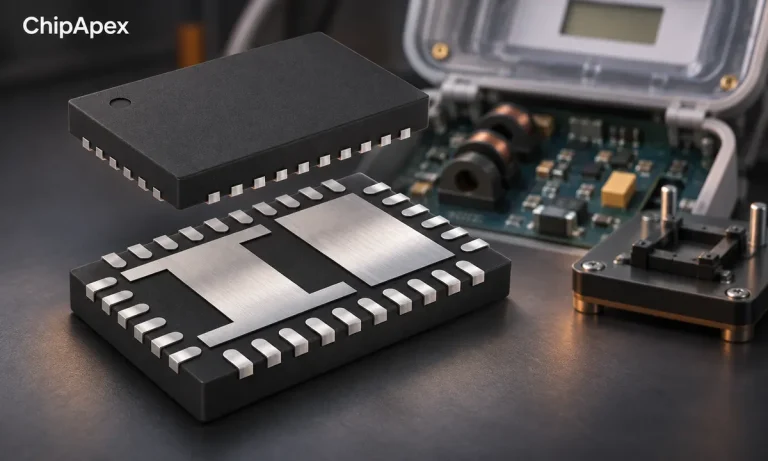
Understand how an electric energy meter measures power and accumulates kWh. Review sensing, phase alignment, calibration and metering IC selection.
Read More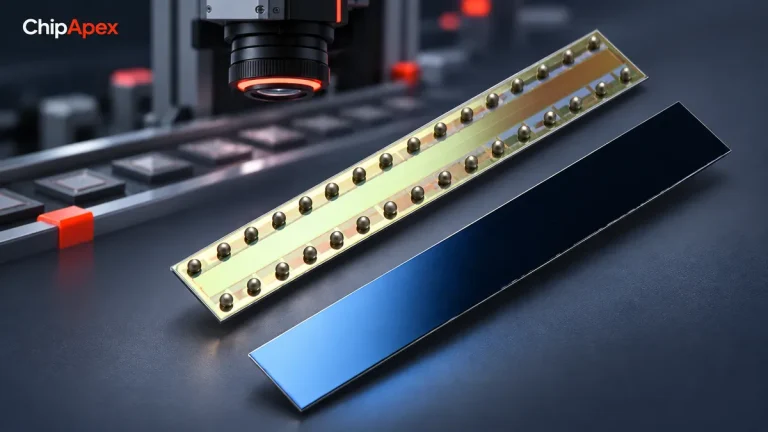
Learn how optical sensing works, compare detection methods, and select sensors by target surface, ambient light, response time and electrical interface.
Read More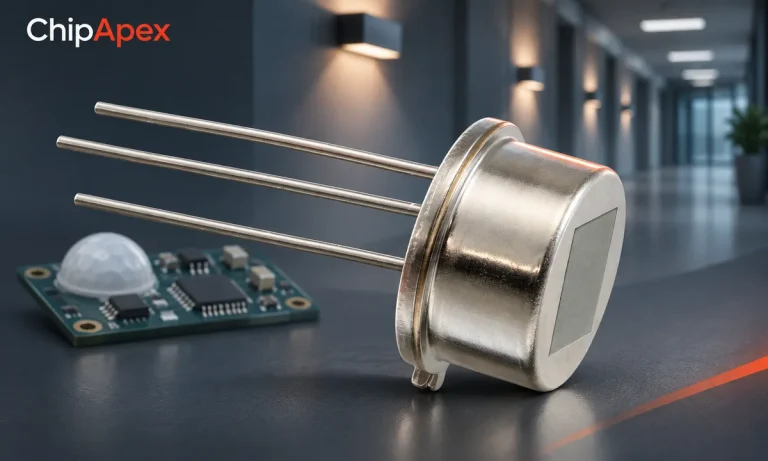
Understand how motion sensors work. Compare PIR, radar and ultrasonic sensing, then check presence detection, false triggers, optics and signal conditioning.
Read More
The activity of extra discounts on wholesale prices is in full swing…
Please fill in your contact information and we will send you the latest wholesale price list.

