ChipApex | Global Electronic Components Supplier

SEARCH
Search Product
Search Post
Search productSearch post
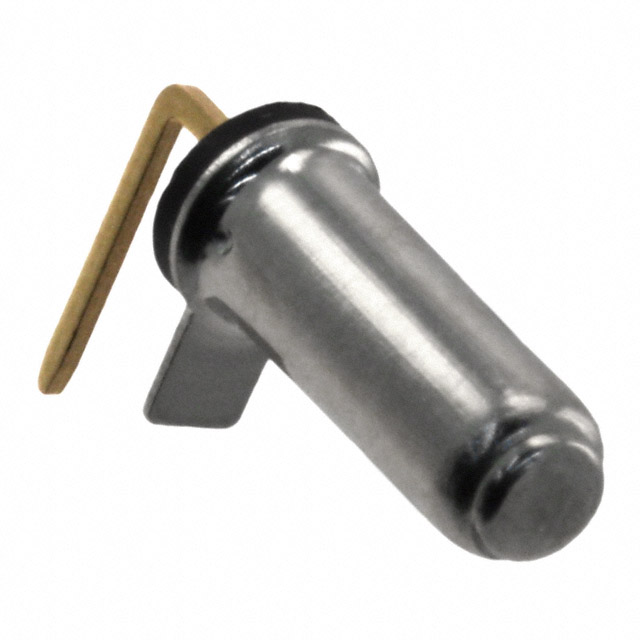
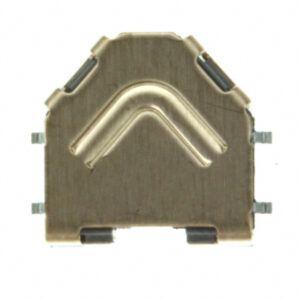
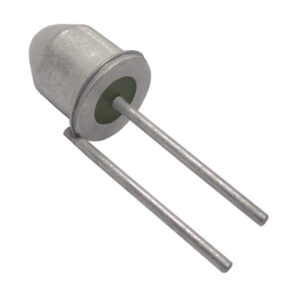
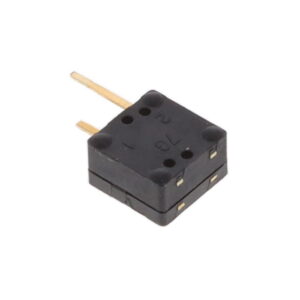
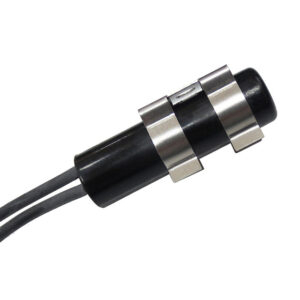
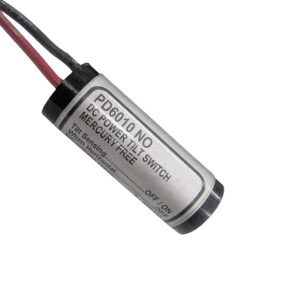
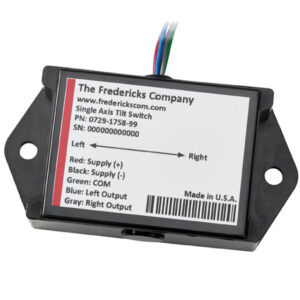
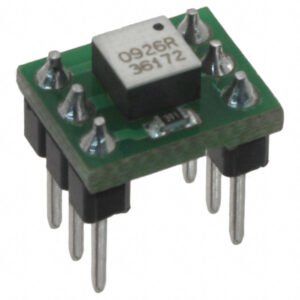
Products in the tilt switch family are designed to provide a binary (two-state) indication of whether or not their orientation with respect to gravity is in excess of some specified angular value. Commonly, though not exclusively, based on a passive mechanism of action such as the motion of a conductive element under the influence of gravity, such sensors can operate without need of an external power source in applications where inclination threshold detection is sufficient, as contrasted with inclination magnitude measurement.
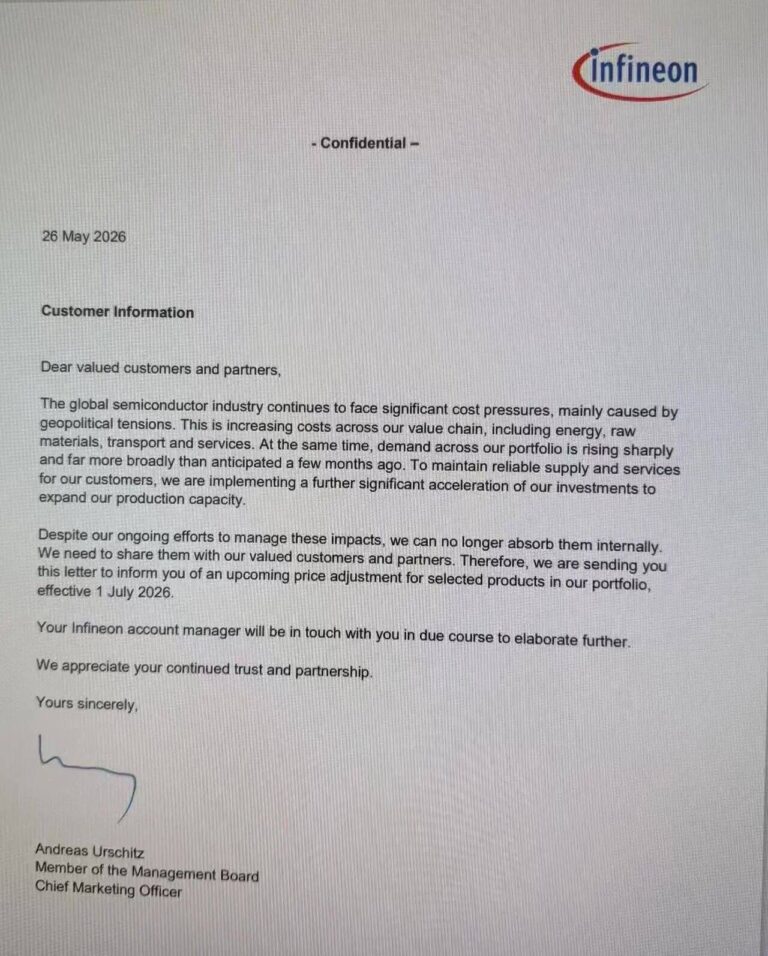
Munich, Germany – May 26, 2026 – Power semiconductor and automotive chip giant Infineon Technologies AG has formally notified customers worldwide of a second…
Read More
Selecting the right microcontroller (MCU) isn’t just about specs—it’s about balancing performance, power, cost, and supply chain reliability. As an engineer, you’ve probably faced…
Read More
Recently, a survey by the Electronic Components Industry Association (ECIA) revealed that the sales sentiment of global electronic components remained optimistic in the third…
Read More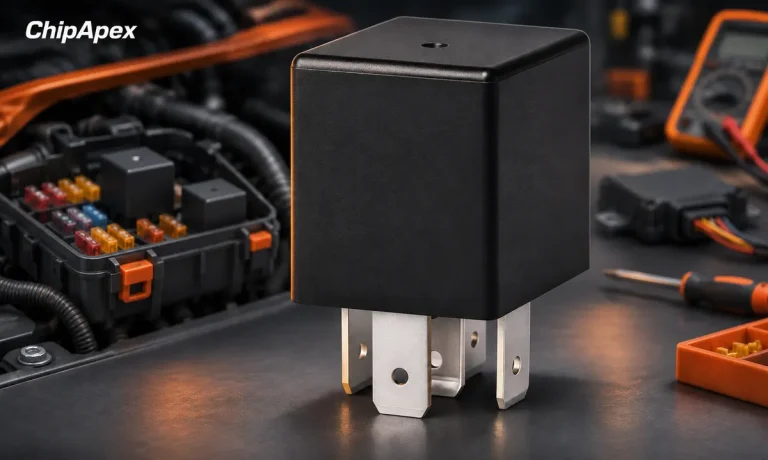
Understand automotive relay terminals, coil suppression and load ratings. Check inrush, socket compatibility and temperature before selecting a replacement.
Read More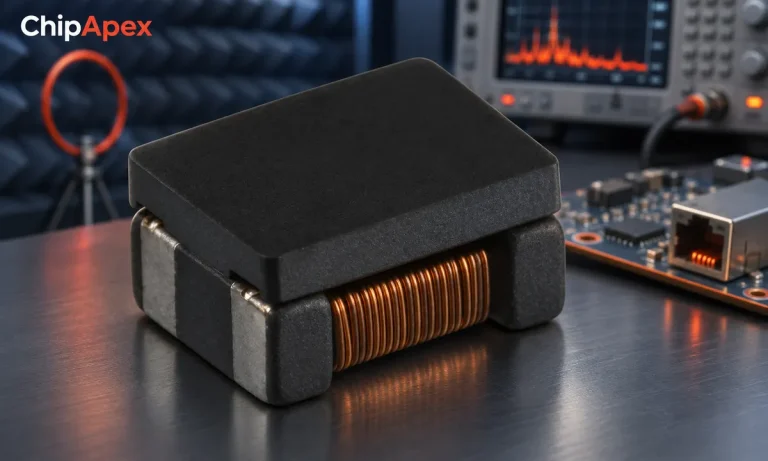
Select a common mode choke using noise frequency, current, insulation and signal integrity. Understand impedance curves, layout and filter limitations.
Read More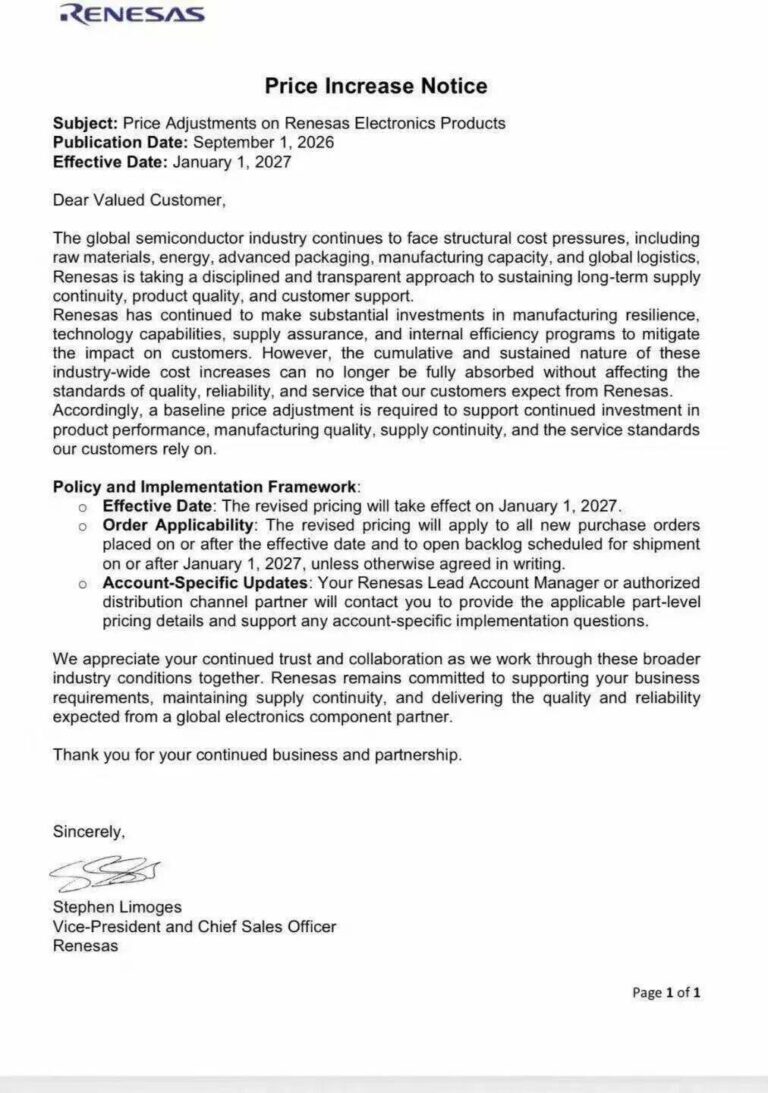
TOKYO — Global leading semiconductor and power electronic components manufacturer Renesas Electronics officially issued a new price adjustment notice in early September 2026, confirming…
Read More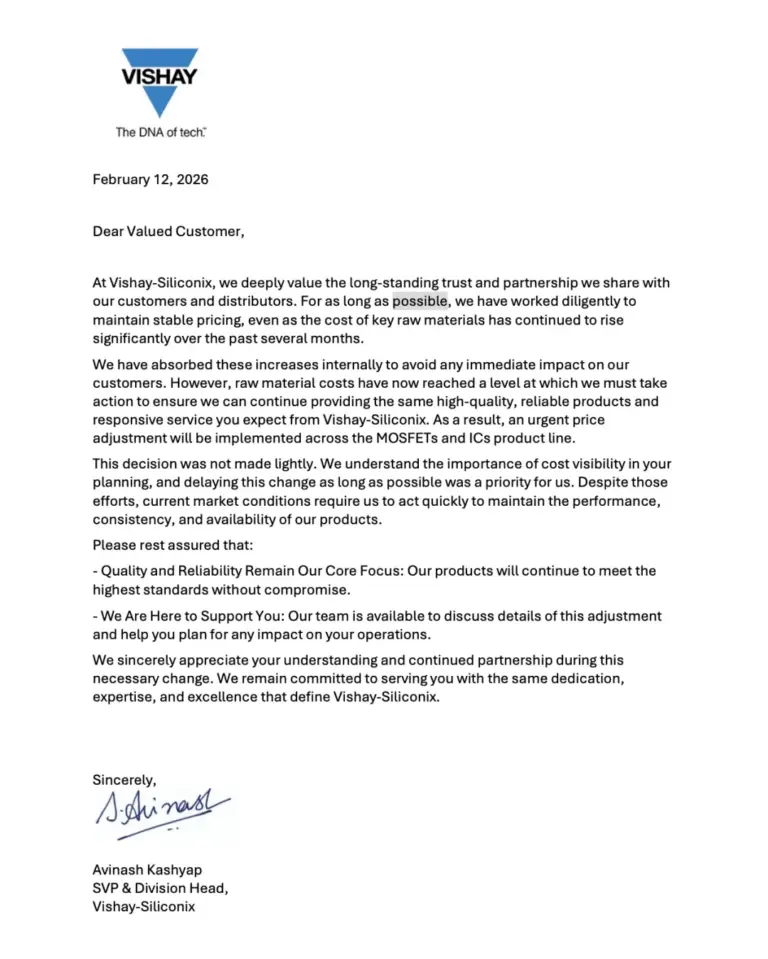
Vishay Intertechnology, Inc., a global leader in discrete semiconductors and passive electronic components, has officially announced a price adjustment for its Metal-Oxide-Semiconductor Field-Effect Transistors…
Read More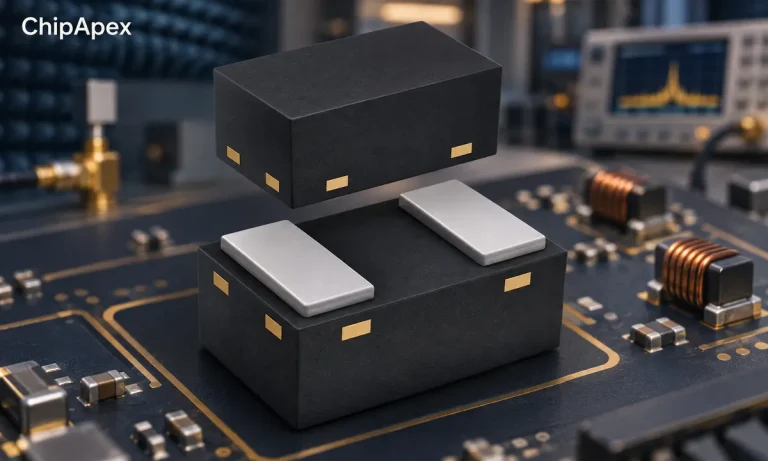
Compare variable capacitor types and varactor tuning. Understand capacitance-voltage curves, Q, bias and LC resonance before choosing a component.
Read More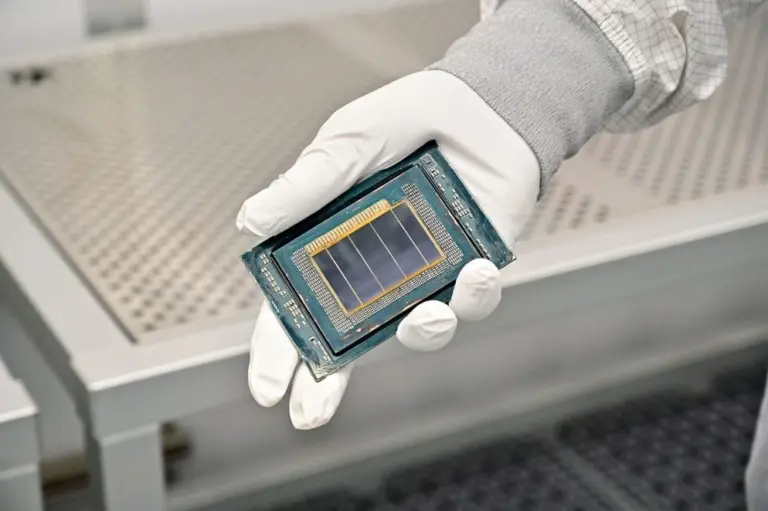
Recently, global semiconductor manufacturers have been constantly taking actions and presenting numerous new developments in aspects such as process technology and product research and…
Read More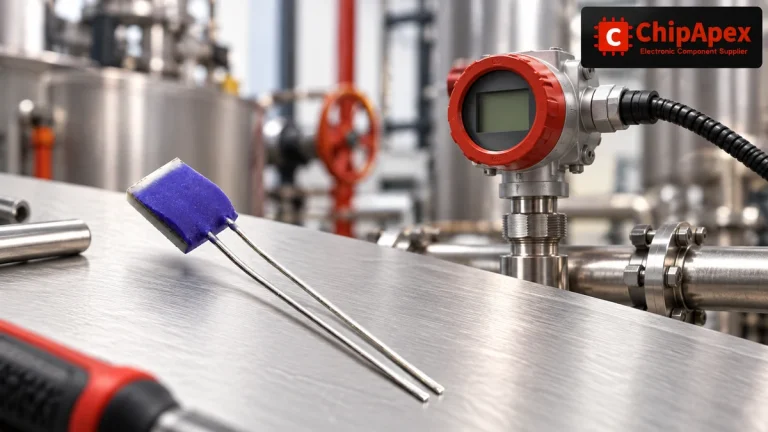
Compare Pt100 and Pt1000 RTDs, two-, three- and four-wire connections, excitation and self-heating. Build an error budget from element to reported temperature.
Read More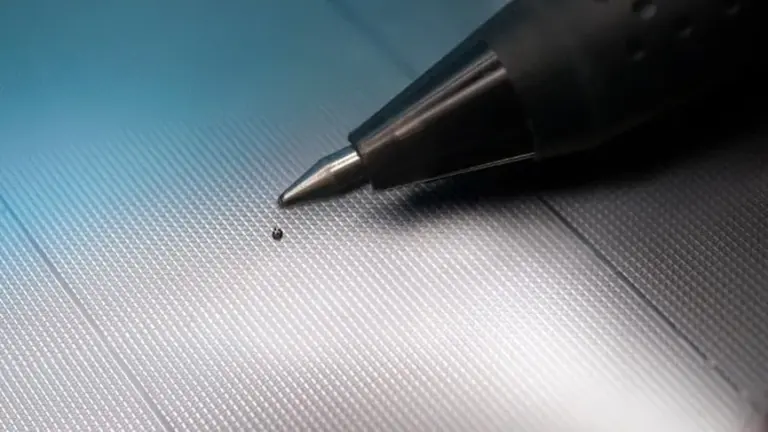
Recently, the global electronic components market has been constantly evolving, and different regions and enterprises have witnessed new moves in aspects such as technological…
Read More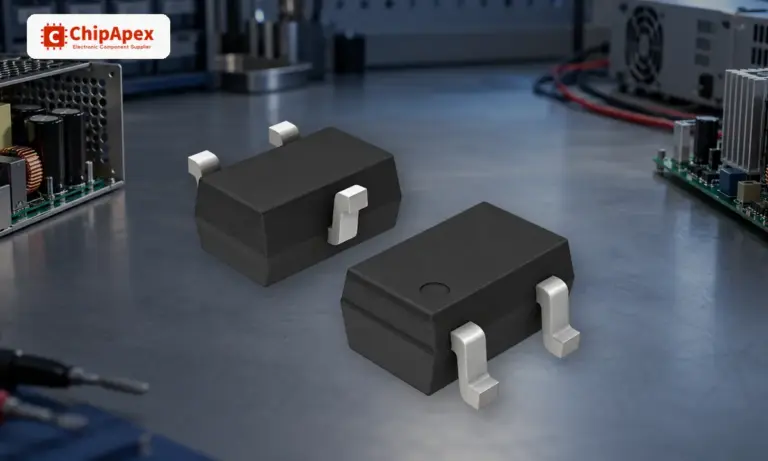
Learn how a diode conducts, how to identify anode and cathode, and when to choose rectifier, TVS, Zener or photodiode types for a circuit.
Read More
The activity of extra discounts on wholesale prices is in full swing…
Please fill in your contact information and we will send you the latest wholesale price list.