 ChipApex | Global Electronic Components Supplier

SEARCH
Search Product
Search Post
— IC芯片 | 连接器 | 传感器 | 被动器件 —
Search productSearch post
— IC芯片 | 连接器 | 传感器 | 被动器件 —

A capacitor (also known as a condensator) is a component in electronic circuits, that stores and releases electrical energy. It is made of conductive plates separated by an insulating material called the dielectric. When a voltage is applied across the plates, an electric field forms, causing positive charge to accumulate on one plate and negative charge on the other. This stored energy can be released when needed, making capacitors vital in various applications, including filtering, energy storage, signal processing, and power conditioning. There are several types of capacitors, each with unique characteristics and applications. Ceramic capacitors, made from ceramic materials as the dielectric, are widely used in high-frequency applications such as RF circuits, decoupling, and bypass applications due to their small size, low cost, high stability, and wide range of values. Multilayer ceramic capacitors (MLCCs) are a type of ceramic capacitor that consists of multiple layers of ceramic dielectric material and metal electrodes stacked together to form a compact, high-capacitance component. They are known for their small size, high capacitance per volume, excellent stability, and reliability. MLCCs are widely used in various electronic devices for applications such as decoupling, filtering, and signal smoothing, especially in high-frequency circuits. Electrolytic capacitors, which use a wet electrolytic solution as the dielectric, are common in power supply circuits, filtering, and coupling applications where large capacitance values are required. These capacitors are polarized, meaning they must be connected with the correct polarity. Film capacitors use plastic films like polyester, polypropylene, or polystyrene as the dielectric. They are employed in audio and high-frequency applications because of their stable performance, low loss, and suitability for high-frequency use. They are also non-polarized, making them versatile. Supercapacitors, or ultracapacitors, offer very high capacitance values by utilizing electrochemical double layers to generate pseudocapacitance. These capacitors are used in energy storage, power backup, and load leveling in hybrid vehicles due to their high energy density, long cycle life, and rapid charge/discharge cycles, effectively bridging the gap between batteries and traditional capacitors. Mica capacitors use mica as the dielectric material and are known for their excellent stability, low loss, and high precision. They are suitable for high-frequency and high-stability applications like radio transmitters and receivers. Tantalum capacitors, made from tantalum metal as the anode with an oxide layer as the dielectric, are used in space-constrained applications like mobile phones, laptops, and other portable electronics. They offer high capacitance per volume, stable performance, and reliability, although they are polarized. Capacitors are versatile components with a range of types suited to different applications. Understanding their characteristics and appropriate uses is essential for designing effective electronic circuits.
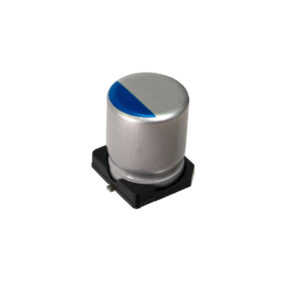 RCHV1470M1GDC8002EView Product
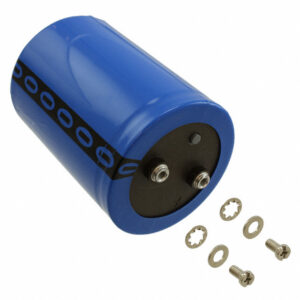 MAL210149473E3View Product
 935147521410-T3TView Product
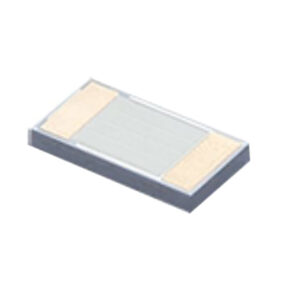 939118722456-T3SView Product
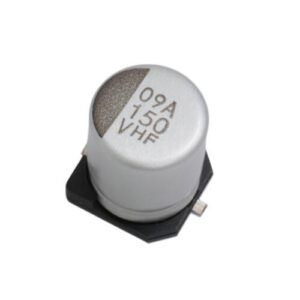 HHXF630ARA101MJC5GView Product
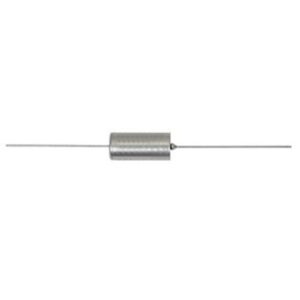 M39003/01-2699/TRView ProductDZN-2R5D335H5TView Product
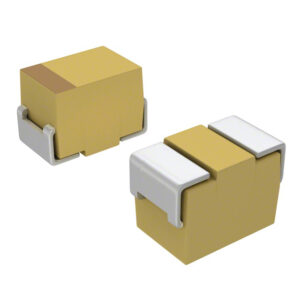 NOJP225M010RWJView ProductSCCS30B116SRTC1View Product
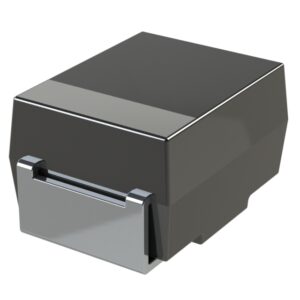 TCJB157M002R0070EView Product
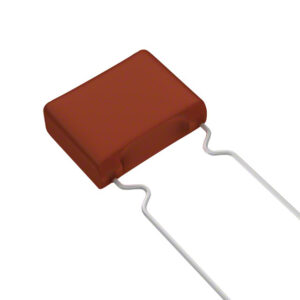 ECW-F2224JABView Product
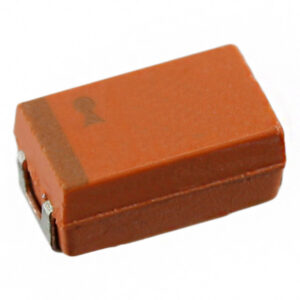 NOSC686M006R0200View Product
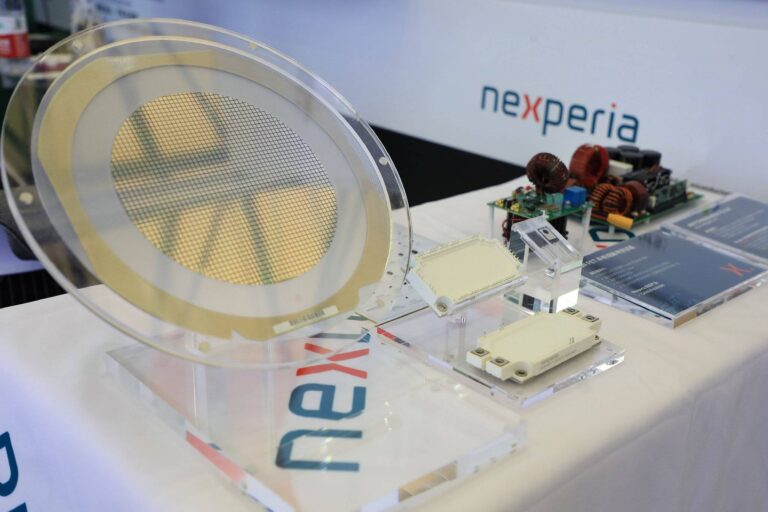
Dutch authorities announced on November 7 the lifting of control measures on Nexperia (formerly NXP Semiconductors’ Standard Products division), marking the end of a…
Read More
WILMINGTON, Mass. – July 3, 2026 – Analog Devices, Inc. (ADI), the global leading supplier of high-performance analog, mixed-signal and signal processing semiconductors, has…
Read More
September 16, 2026 – Global — Leading semiconductor manufacturer ON Semiconductor (onsemi, NASDAQ: ON) has officially issued a formal price adjustment letter to global…
Read More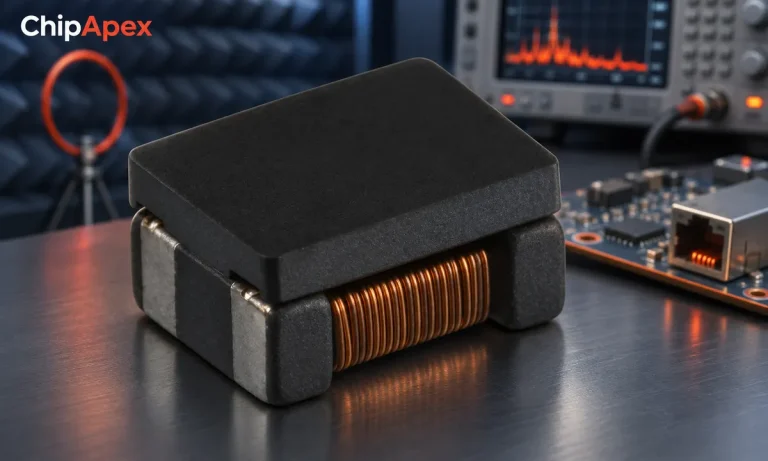
Select a common mode choke using noise frequency, current, insulation and signal integrity. Understand impedance curves, layout and filter limitations.
Read More
See how a MEMS gyroscope measures angular rate, why its angle estimate drifts, and which range, noise, interface and temperature specs to compare.
Read More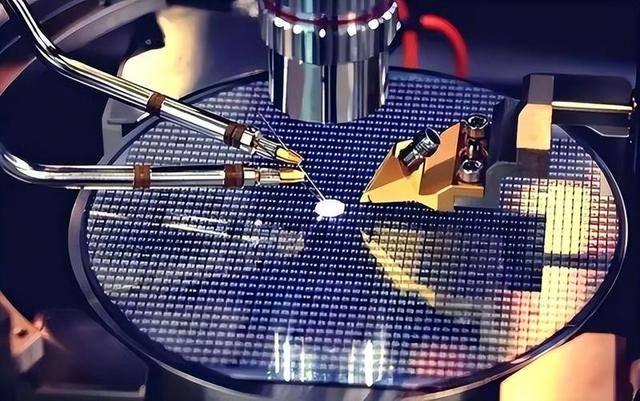
On September 22nd, it was reported that Samsung Electronics, the South Korean tech giant, had successfully passed NVIDIA’s certification test for its 12-layer HBM3E…
Read More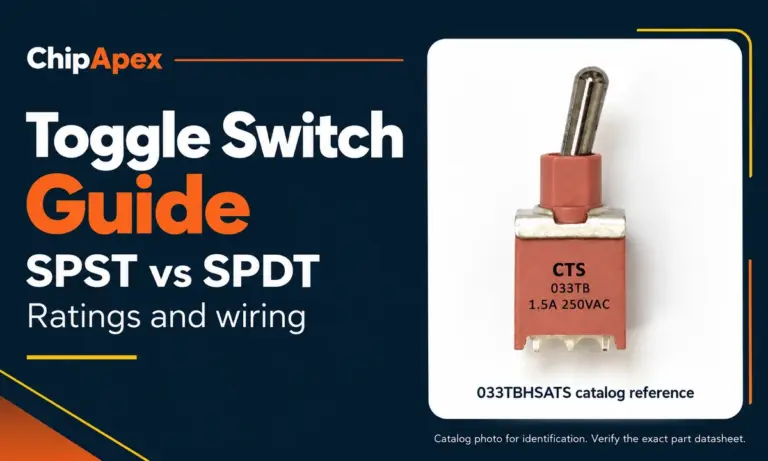
Compare SPST and SPDT toggle switches, understand AC/DC ratings, and follow wiring examples. Check contact action, mounting and parts in the ChipApex catalog.
Read More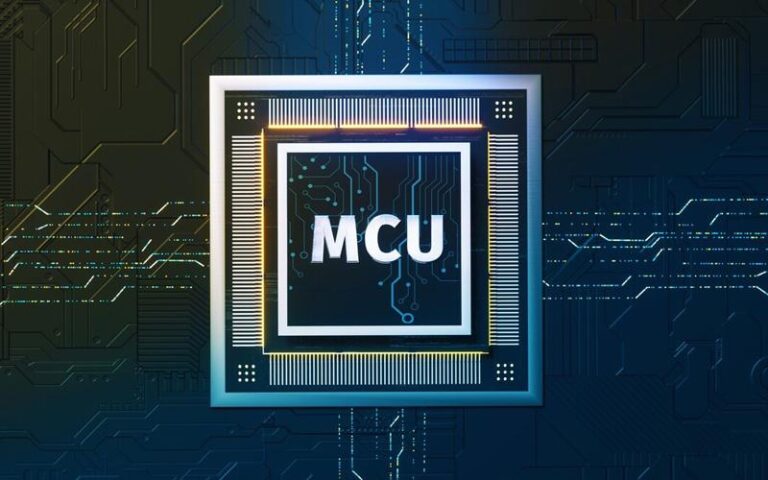
Selecting the right microcontroller (MCU) isn’t just about specs—it’s about balancing performance, power, cost, and supply chain reliability. As an engineer, you’ve probably faced…
Read More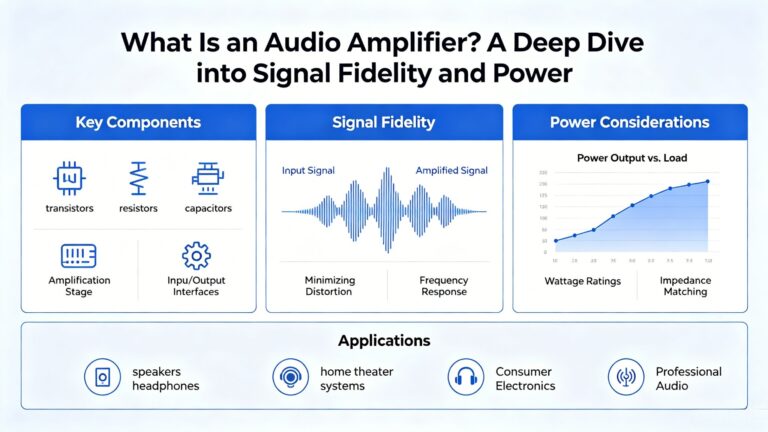
In the world of embedded electronics, getting a device to “think” is only half the battle. The other half is getting it to communicate…
Read More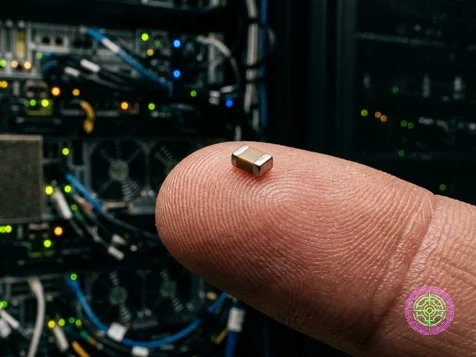
The multilayer ceramic capacitor (MLCC) market has fallen into a severe structural supply crunch in the third quarter of 2026, driven by explosive demand…
Read More
TOKYO, July 31, 2026 — Renesas Electronics Corporation has officially announced a major domestic manufacturing restructuring, confirming plans to gradually discontinue all wafer fabrication…
Read More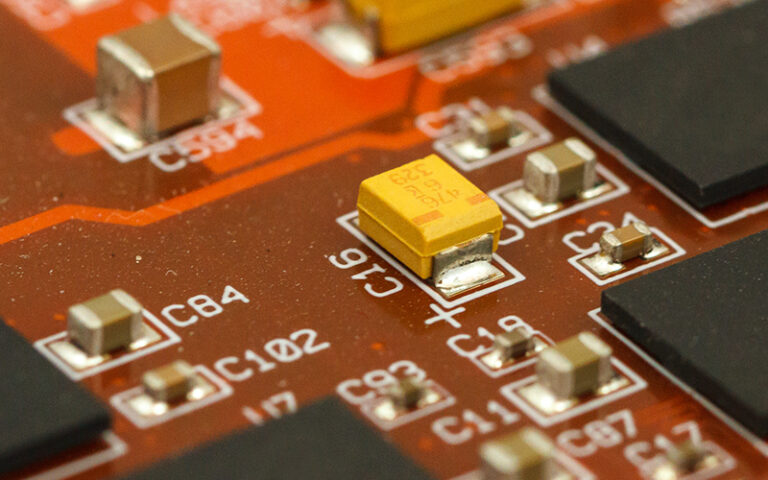
The global electronics industry is facing an escalating shortage of tantalum capacitors, a critical passive component, as surging demand from AI servers, automotive electronics,…
Read More
The activity of extra discounts on wholesale prices is in full swing…
Please fill in your contact information and we will send you the latest wholesale price list.

