ChipApex | Global Electronic Components Supplier

SEARCH
Search Product
Search Post
— IC芯片 | 连接器 | 传感器 | 被动器件 —
Search productSearch post
— IC芯片 | 连接器 | 传感器 | 被动器件 —
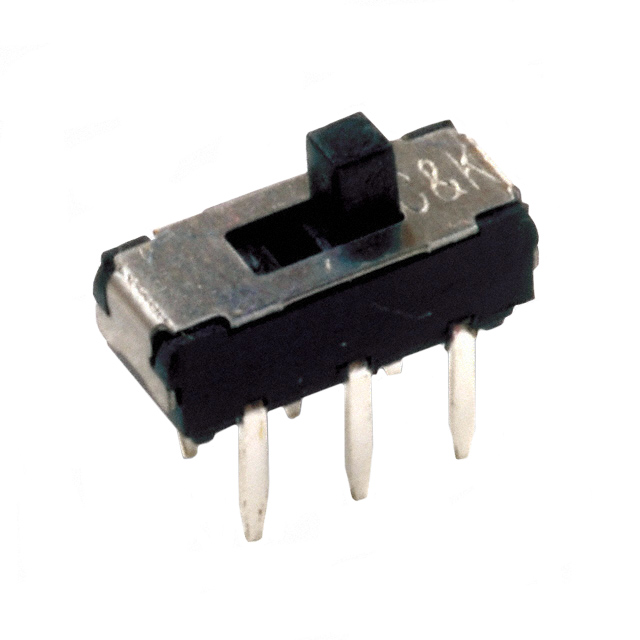
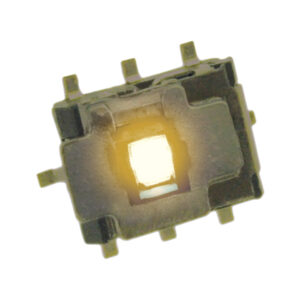
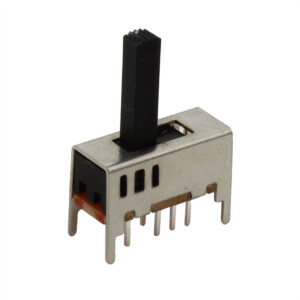
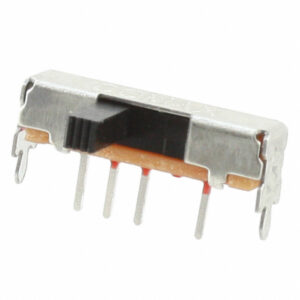
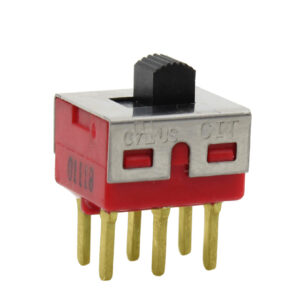
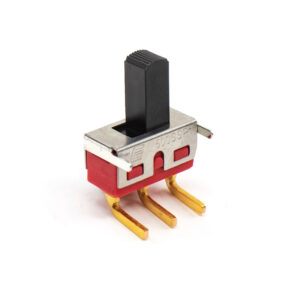
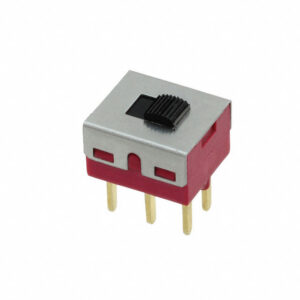
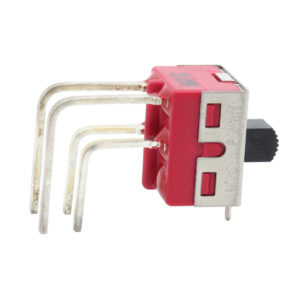
Slide Switches are an electromechanical device used to control current flow in a circuit path. Devices in this family are actuated by sliding a mechanical switch. The characteristics are circuit, contact timing, switch function, current rating, voltage rating (AC or DC), and actuator type. The actuator types are baton, flush, illuminated, plunger for cap, push-pull, recessed, rocker knob, screwdriver slot, snap on cap, and standard.
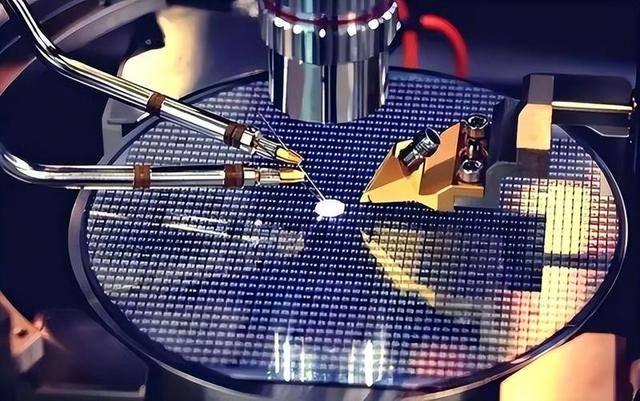
On September 22nd, it was reported that Samsung Electronics, the South Korean tech giant, had successfully passed NVIDIA’s certification test for its 12-layer HBM3E…
Read More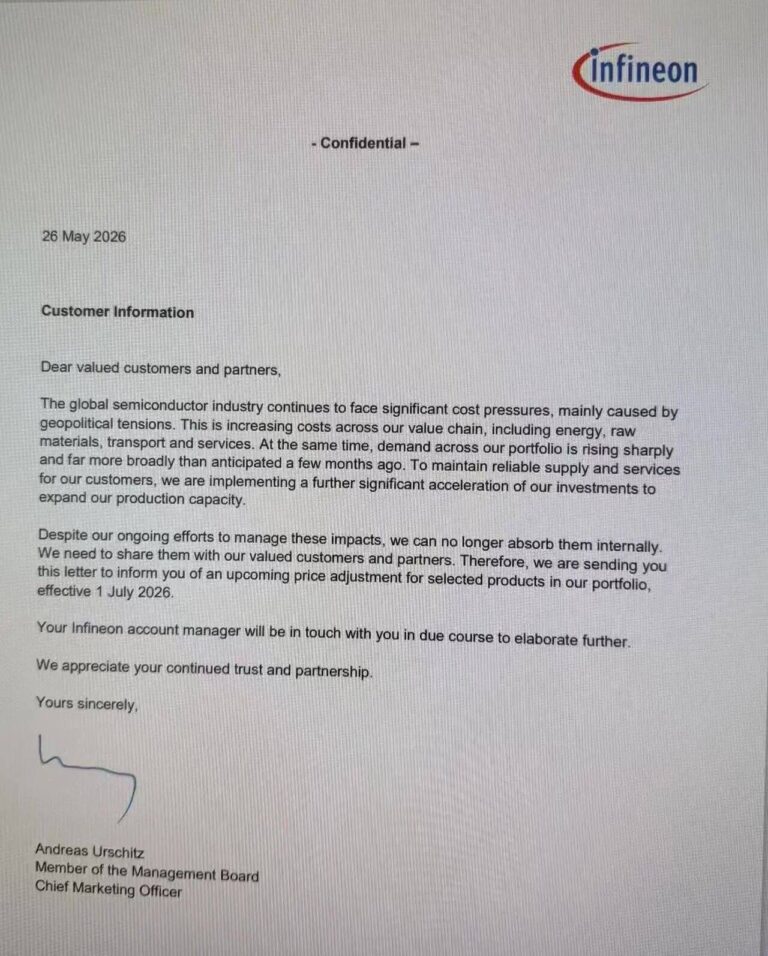
Munich, Germany – May 26, 2026 – Power semiconductor and automotive chip giant Infineon Technologies AG has formally notified customers worldwide of a second…
Read More
Choose a DIP switch by contact type, coded positions, footprint and signal ratings. Check logic polarity, assembly conditions and PCB configuration behavior.
Read More
See when an inductor behaves linearly, how DC bias and saturation reduce inductance, and which current and temperature curves to check.
Read More
Over the past week, the global electronic components sector has witnessed dual transformations in policy and technology: Coupled with mounting pressure from a worsening…
Read More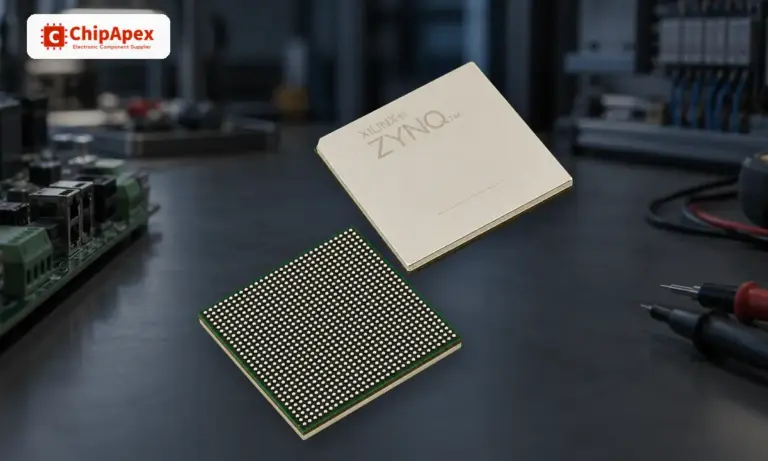
Learn what an integrated circuit is, how ICs work, the main types and the specs to check before choosing a part for your design…
Read More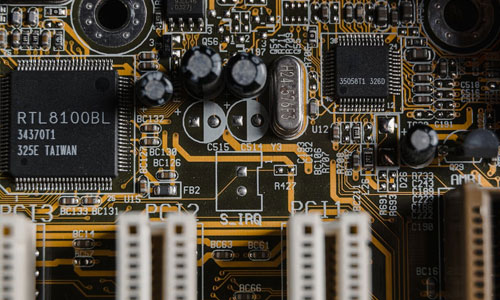
The rapid advancement of artificial intelligence (AI) is transforming industries across the globe, and the world of electronic components is no exception. From smarter…
Read More
CHICAGO, USA – May 27, 2026 – Global leading interconnect manufacturer Molex officially issued a global distributor price adjustment notice on May 27, confirming…
Read More
Learn how a diode conducts, how to identify anode and cathode, and when to choose rectifier, TVS, Zener or photodiode types for a circuit.
Read More
Selecting the right microcontroller (MCU) isn’t just about specs—it’s about balancing performance, power, cost, and supply chain reliability. As an engineer, you’ve probably faced…
Read More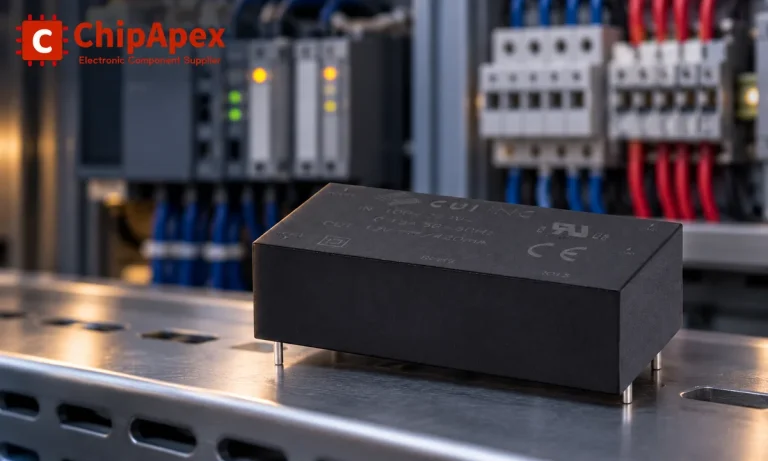
Choose an AC to DC converter by input range, output demand, isolation, efficiency and thermal derating. Compare architectures and check installation needs.
Read More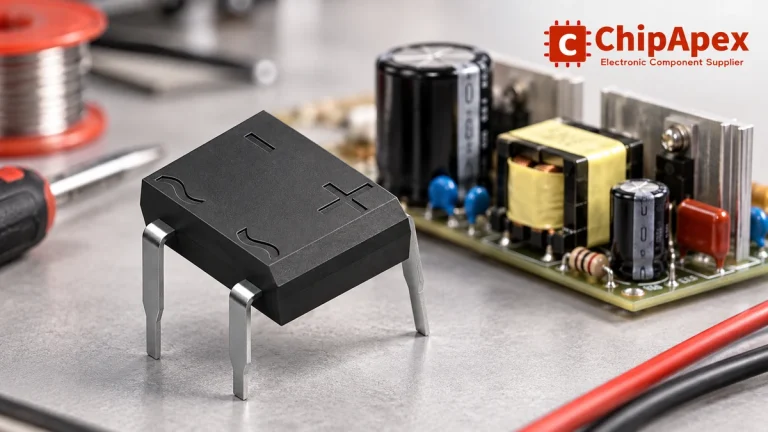
Select a bridge rectifier by reverse voltage, capacitor charging current, startup surge and cooling. Work through a stated DC voltage and ripple example.
Read More
The activity of extra discounts on wholesale prices is in full swing…
Please fill in your contact information and we will send you the latest wholesale price list.