ChipApex | Global Electronic Components Supplier

SEARCH
Search Product
Search Post
— IC芯片 | 连接器 | 传感器 | 被动器件 —
Search productSearch post
— IC芯片 | 连接器 | 传感器 | 被动器件 —

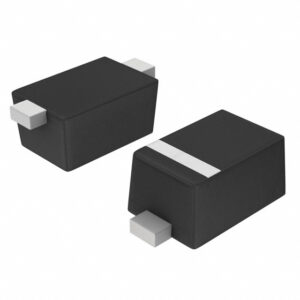
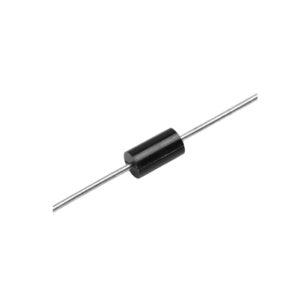
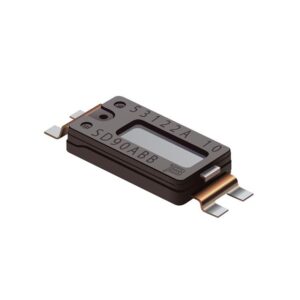
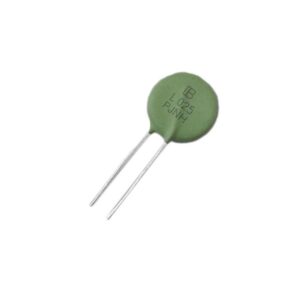
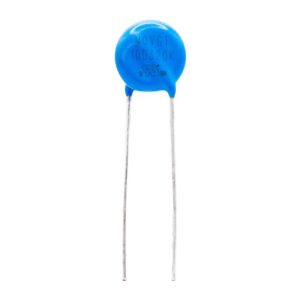
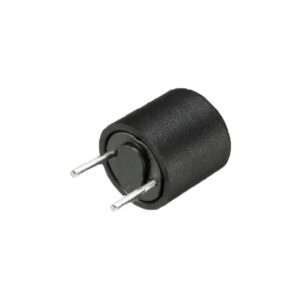
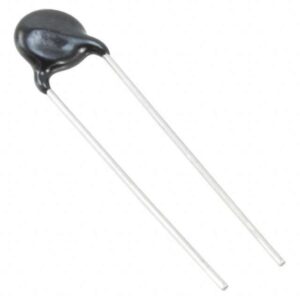
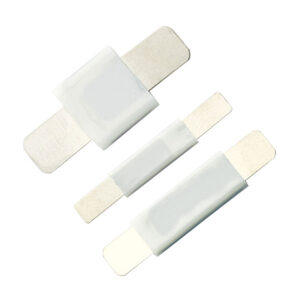
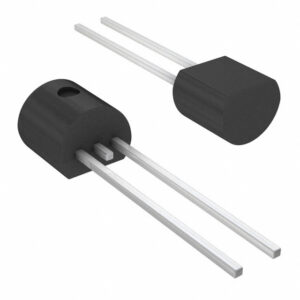
Circuit protection refers to the strategies and components used to shield electrical systems from damage caused by abnormal conditions like short circuits, overcurrent, overvoltage, or excessive temperature. A protected circuit is designed to safely disconnect or redirect dangerous electrical energy before it can harm devices, wiring, or users. Without appropriate protection, faults can cause equipment failure, fire hazards, or even electric shocks, especially in sensitive electronic and motor control applications. Two of the most widely used protection devices are fuses and circuit breakers. A fuse contains a metal wire that melts when the current exceeds a specific threshold, permanently breaking the circuit to prevent further damage. Fuses are simple and cost-effective, but must be replaced once blown. Circuit breakers, in contrast, are mechanical switches that detect overcurrent and trip open—disconnecting power without requiring replacement. These can be reset once the fault is cleared. Ground fault circuit interrupters (GFCIs) are a specialized type of breaker used to protect people from electric shock. They monitor current balance between the hot and neutral lines and trip instantly when leakage to ground is detected, often caused by damaged insulation or contact with water. In modern electronic systems, solid-state circuit protection devices are increasingly important. Components such as varistors—especially metal oxide varistors (MOVs)—and transient voltage suppressors (TVS) are designed to handle voltage spikes or transients caused by inductive loads, lightning strikes, or static discharge. These devices can absorb or redirect excess energy, protecting delicate semiconductors from failure. Other devices like thermal cutoffs (thermal fuses) disconnect circuits when operating temperatures rise too high, while gas discharge tubes (GDT) arresters protect against high-energy surges, especially in communication or low-voltage power lines.
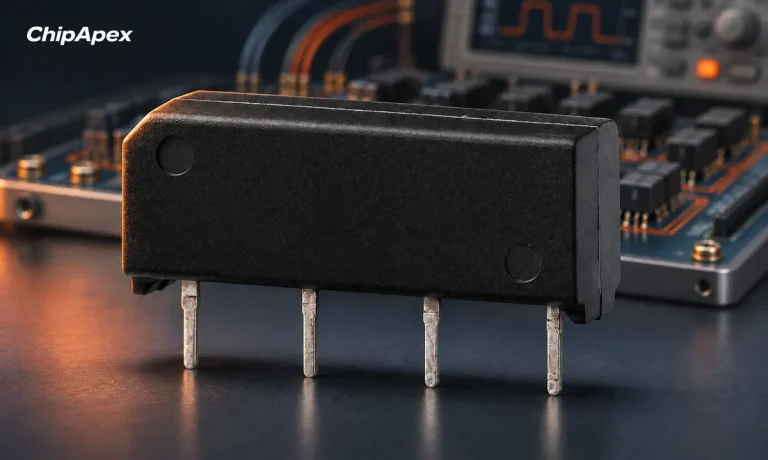
Choose a reed relay for signal switching. Understand hot and cold switching, leakage, contact resistance, isolation and measurement settling requirements.
Read More
Over the past week, the global electronic components sector has witnessed dual transformations in policy and technology: Coupled with mounting pressure from a worsening…
Read More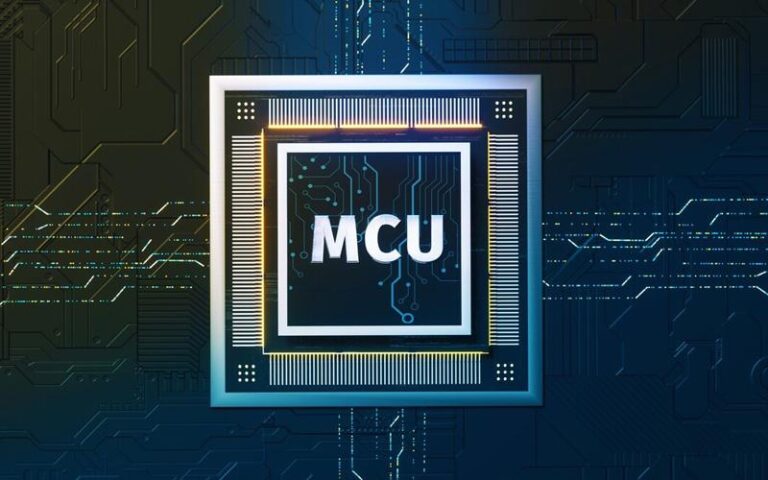
Selecting the right microcontroller (MCU) isn’t just about specs—it’s about balancing performance, power, cost, and supply chain reliability. As an engineer, you’ve probably faced…
Read More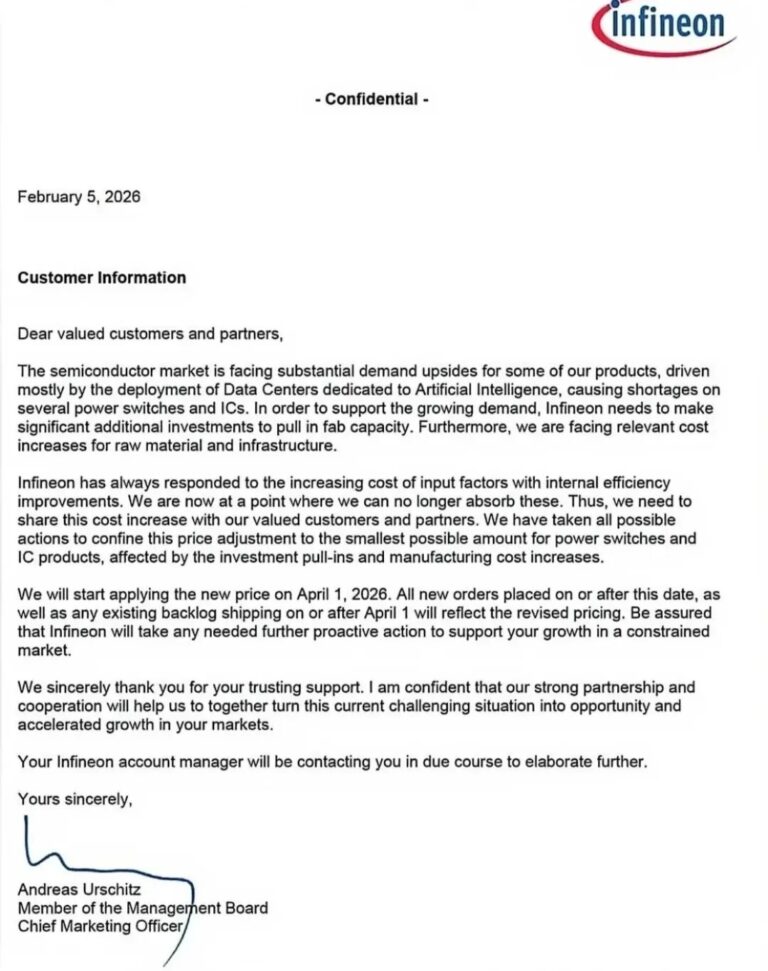
Munich, Germany – February 8, 2026 — Infineon Technologies, the German semiconductor giant, officially issued a price increase notice on February 5, announcing that…
Read More
In embedded design, the tug-of-war between cost and performance is constant. On one side, you have Microcontrollers (MCUs)—cheap, simple, and efficient. On the other,…
Read More
Choose an AC to DC converter by input range, output demand, isolation, efficiency and thermal derating. Compare architectures and check installation needs.
Read More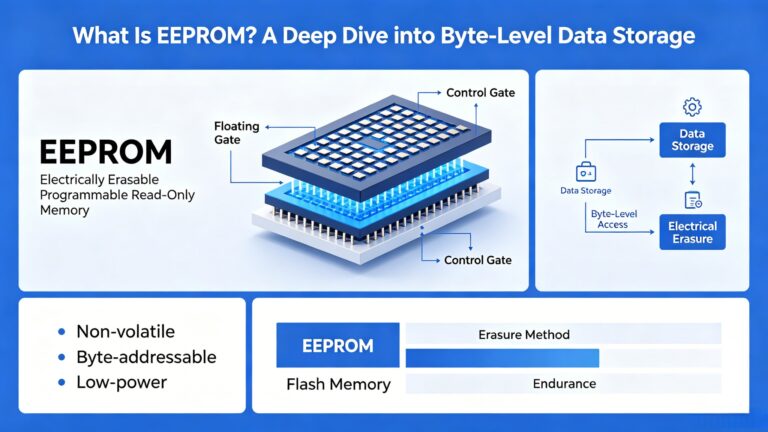
In the vast landscape of memory technology, EEPROM (Electrically Erasable Programmable Read-Only Memory) often plays the unsung hero. While NAND Flash grabs headlines for…
Read More
Learn what a battery BMS does, how protection differs from charging, and which pack specifications to check when sourcing BMS components through ChipApex.
Read More
Wilmington, Mass. & Milpitas, Calif. – May 19, 2026 – Analog Devices, Inc. (NASDAQ: ADI), a global leader in high-performance analog and mixed-signal semiconductors,…
Read More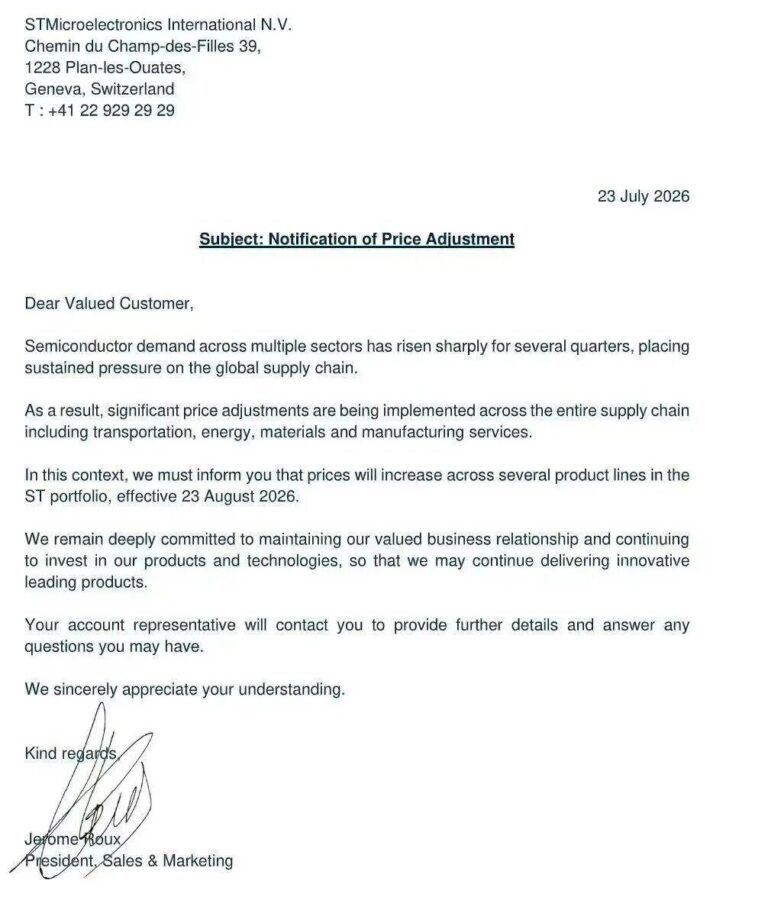
Geneva, Switzerland – August 20, 2026 – Global leading semiconductor manufacturer STMicroelectronics (ST) has officially issued a new global price adjustment notice to global…
Read More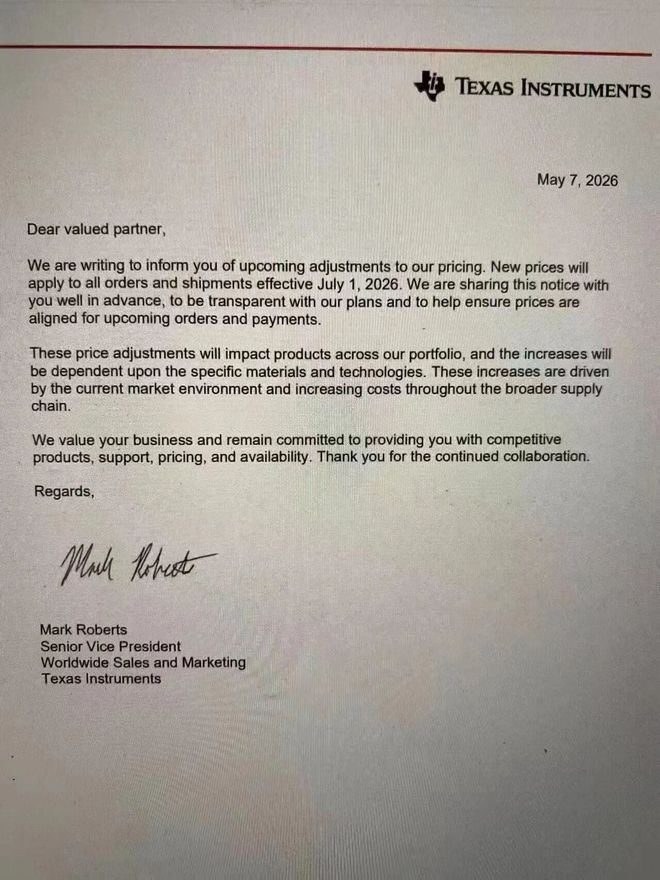
ChipApex – May 8, 2026 Texas Instruments (TI), the global leader in analog and embedded semiconductors, has officially notified customers of an upcoming company-wide…
Read More
The multilayer ceramic capacitor (MLCC) market has fallen into a severe structural supply crunch in the third quarter of 2026, driven by explosive demand…
Read More
The activity of extra discounts on wholesale prices is in full swing…
Please fill in your contact information and we will send you the latest wholesale price list.