ChipApex | Global Electronic Components Supplier

SEARCH
Search Product
Search Post
— IC芯片 | 连接器 | 传感器 | 被动器件 —
Search productSearch post
— IC芯片 | 连接器 | 传感器 | 被动器件 —

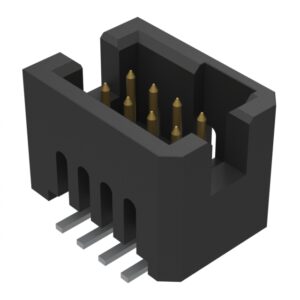
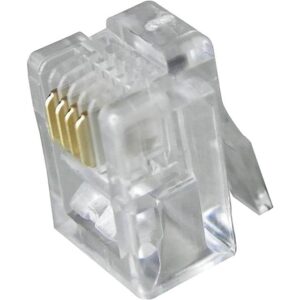
Connectors and interconnects are essential components that enable the connection of electrical circuits or fiber optic cables. They provide a reliable and reusable method for transmitting electrical signals or light pulses between different parts of an electronic system. The vast array of connector and interconnect designs caters to a wide range of applications and functionalities. A wide variety of styles are available for most applications, including banana plugs for lab equipment, coaxial connectors for RF, sockets for transistors and integrated circuits, standard AC power connectors, headphone plugs and jacks, high-voltage connectors, USB connectors, and more! The key features and benefits of connectors and interconnects include: Electrical Connection: Establish a secure and reliable path for electrical signals or light pulses to flow between components. Mating and Unmating: Allow for easy connection and disconnection of circuits, facilitating maintenance, repair, and modularity in electronic systems. Environmental Protection: Shield connections from dust, moisture, and other environmental elements to ensure reliable performance. Signal Integrity: Maintain signal quality by minimizing signal loss or distortion, particularly in high-frequency applications. Standardization: Many connector types adhere to industry standards, ensuring compatibility between components from different manufacturers. Connectors and interconnects are ubiquitous in modern electronics. They are found in everything from computers and smartphones to industrial machinery and medical devices. The specific type of connector chosen depends on factors like voltage, current rating, required bandwidth, environmental conditions, and desired mating mechanism.
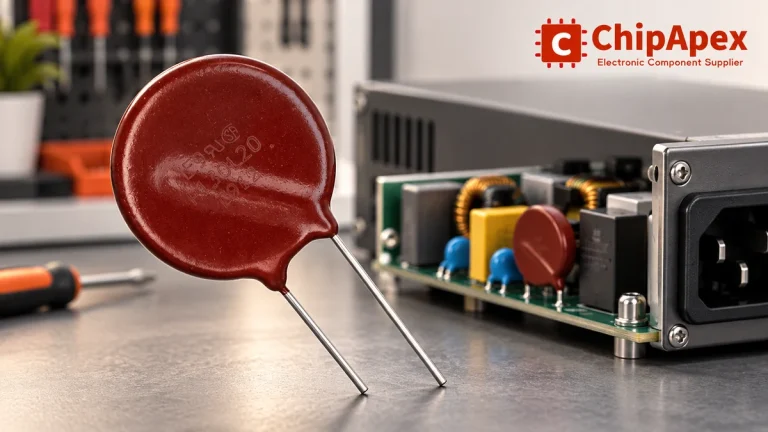
Select MOV varistors by continuous voltage, clamping behavior, surge waveform and repetition. Check thermal disconnection, fuse coordination and replacements.
Read More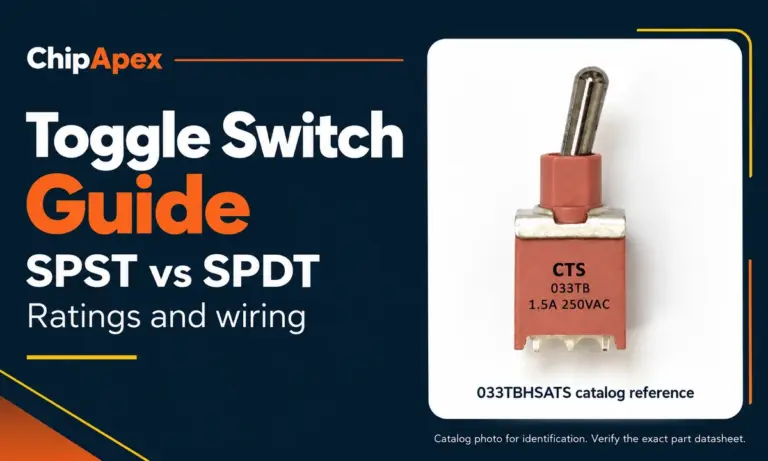
Compare SPST and SPDT toggle switches, understand AC/DC ratings, and follow wiring examples. Check contact action, mounting and parts in the ChipApex catalog.
Read More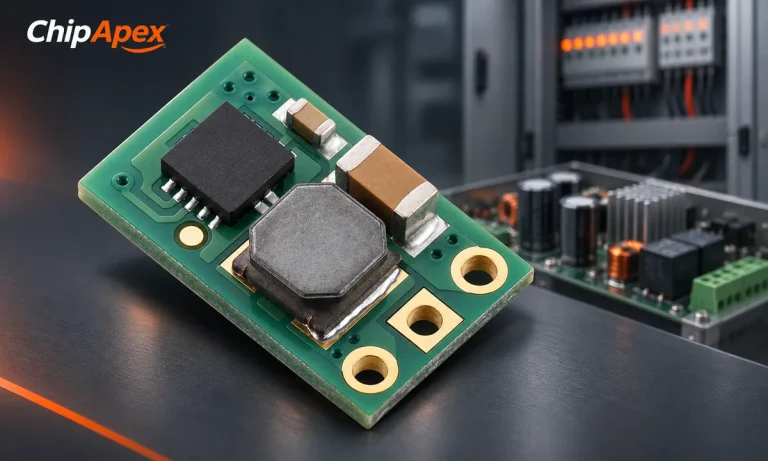
Select a DC-DC converter by input range, topology, isolation and temperature. Compare ripple, efficiency and load limits before choosing a component.
Read More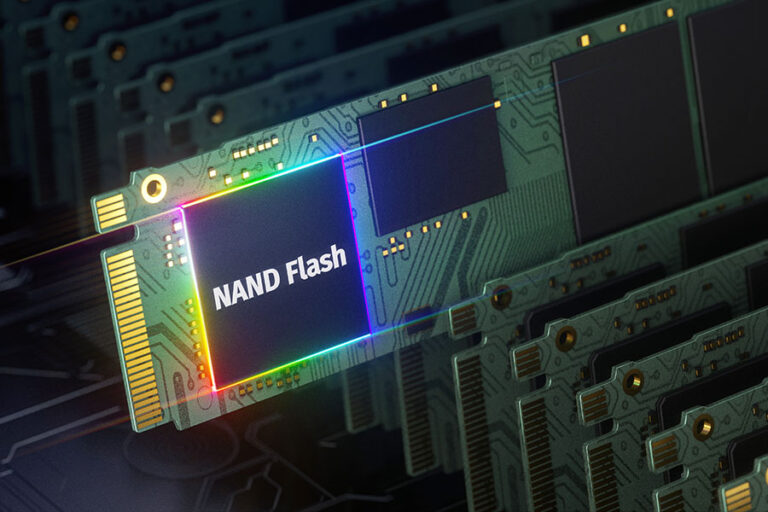
What Is NAND Flash? A Practical Guide for Engineers & Procurement Teams In today’s data-driven world—from smartphones and SSDs to industrial IoT devices—NAND flash…
Read More
Tokyo / Munich / Tessenderlo, December 24, 2025As the global semiconductor industry enters the first year of the 2nm process era, international electronic component…
Read More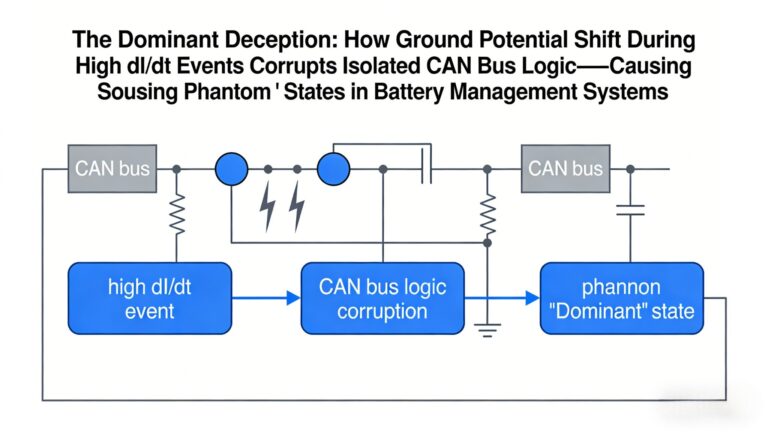
Stay ahead with ChipApex Insights — technical deep dives, market trends, and sourcing tips for memory, microcontrollers, power management, and industrial-grade components. Trusted by…
Read More
Recently, a survey by the Electronic Components Industry Association (ECIA) revealed that the sales sentiment of global electronic components remained optimistic in the third…
Read More
Find out when a bare shock switch needs a pull resistor, when an MCU internal pull-up is enough, and why sensor modules and piezo…
Read More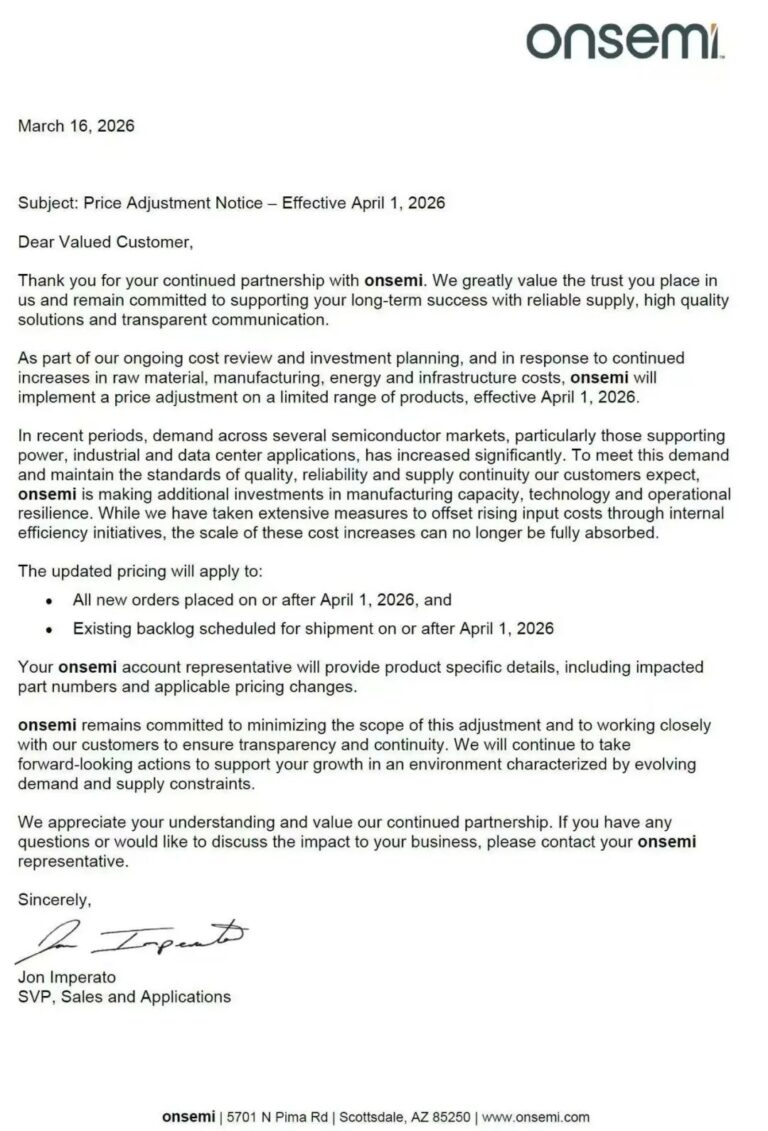
ON Semiconductor (onsemi), a global leader in intelligent power and sensing technologies, has announced plans to implement price adjustments for select product lines, effective…
Read More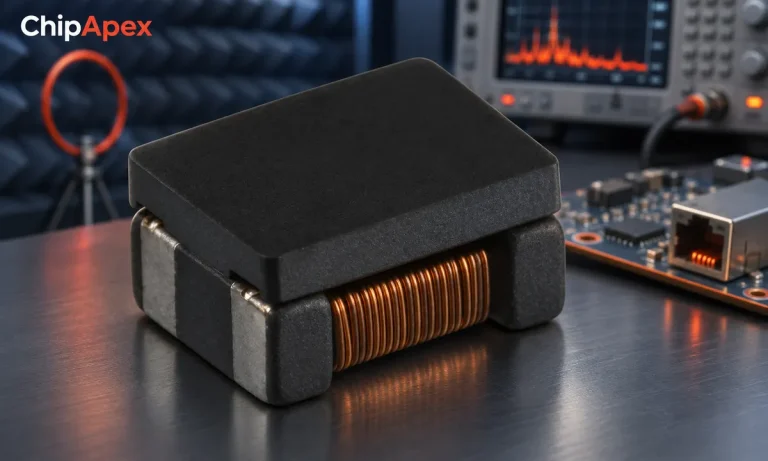
Select a common mode choke using noise frequency, current, insulation and signal integrity. Understand impedance curves, layout and filter limitations.
Read More
Learn what an IMU measures, how accelerometers and gyroscopes work together, why orientation estimates drift, and what to compare.
Read More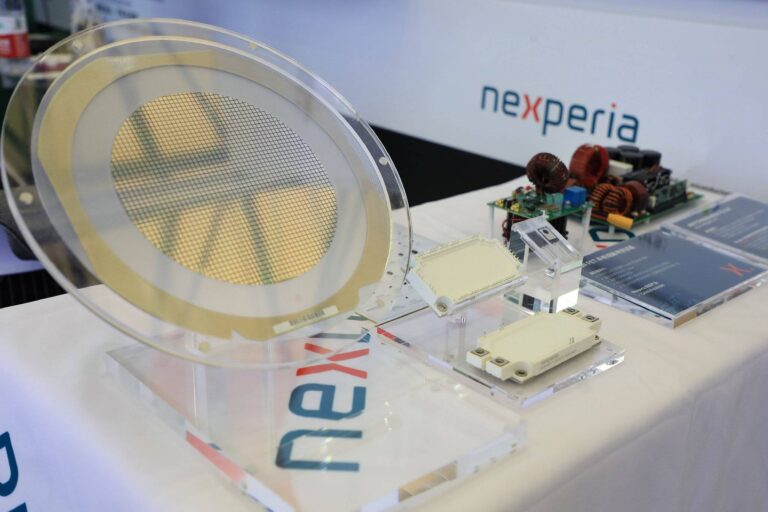
Dutch authorities announced on November 7 the lifting of control measures on Nexperia (formerly NXP Semiconductors’ Standard Products division), marking the end of a…
Read More
The activity of extra discounts on wholesale prices is in full swing…
Please fill in your contact information and we will send you the latest wholesale price list.