 ChipApex | Global Electronic Components Supplier

SEARCH
Search Product
Search Post
— IC芯片 | 连接器 | 传感器 | 被动器件 —
Search productSearch post
— IC芯片 | 连接器 | 传感器 | 被动器件 —
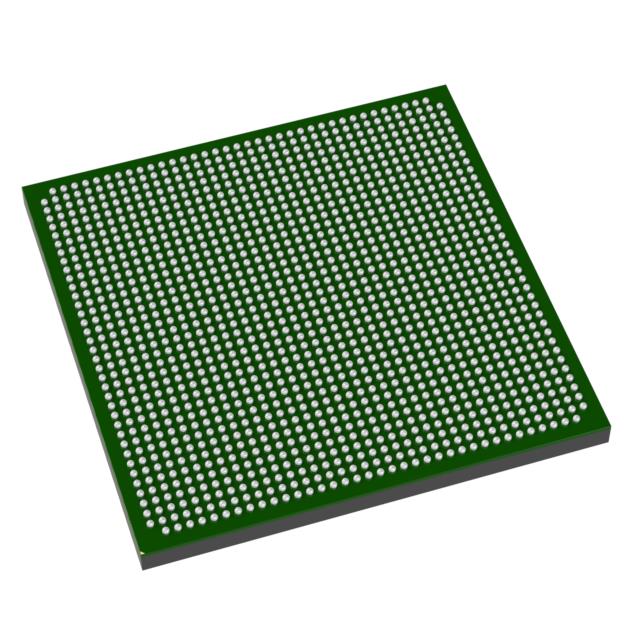
A Field Programmable Gate Array (FPGA) is a programmable integrated circuit that allows users to implement customized hardware logic configurations after manufacturing. FPGAs are user-configurable and are widely used for performing logical operations and information processing, often in applications demanding real-time performance and extremely high speeds. With a very high level of integrated functionality, FPGAs can replace general-purpose microprocessors in systems where known operations—such as receiving and processing data from high-speed data converters—need to be executed rapidly and deterministically. Unlike fixed-function chips, FPGAs are reprogrammable, meaning they can be configured multiple times using hardware description languages like Verilog. At the heart of an FPGA are configurable logic blocks (CLBs), programmable interconnects, logic gates, and flip-flops, which are organized into a flexible architecture called a gate array. These components support complex logic creation, digital signal processing, and extensive parallel processing. Typically, FPGAs require an external memory device—often flash memory or read-only storage—to hold the configuration data and reload it upon each startup. This makes them particularly well-suited for telecommunications, data center infrastructure, and advanced embedded systems where both performance and low power consumption are critical. FPGAs serve as a software-defined hardware platform, allowing designers to build custom processor logic or accelerate functions beyond what a typical microcontroller can handle. The flexibility to reconfigure them makes FPGAs a key technology for prototyping, evolving product designs, and deploying real-time hardware solutions.
 LFE3-17EA-7LMG328IView Product
 5AGTFC7H3F35I3NAAView Product
 EP2AGX95DF25C4GView Product
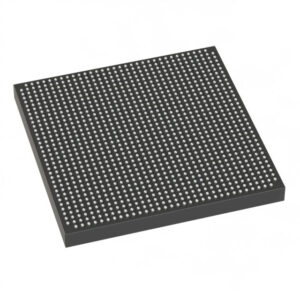 5SGXMA5K1F35C1WNView Product
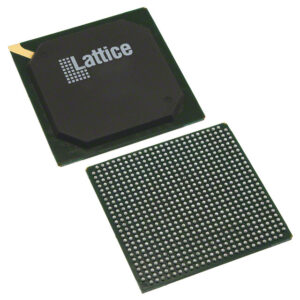 LFE3-150EA-9FN672CView Product
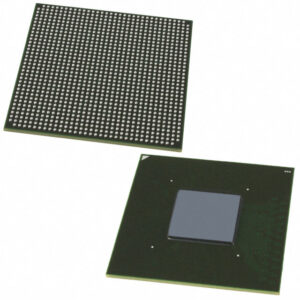 5AGXMB3G6F35C6NView Product
 5AGTMC3D3F27I5GView Product
 A54SX32A-FFGG144View Product
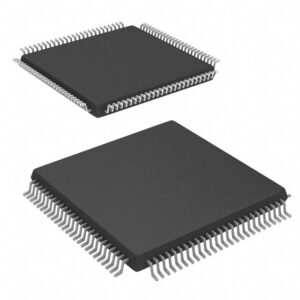 A3P030-1VQ100View Product
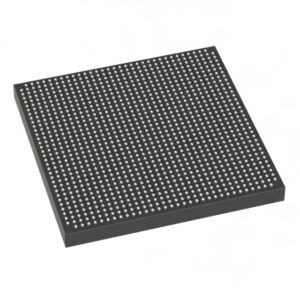 EP3SL200F1152I4View Product
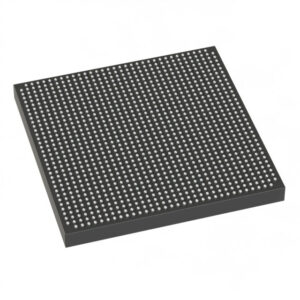 EP4SE360F35C2View Product
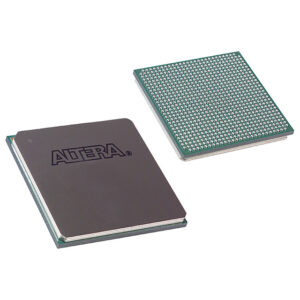 10AX022E3F29E1HGView Product
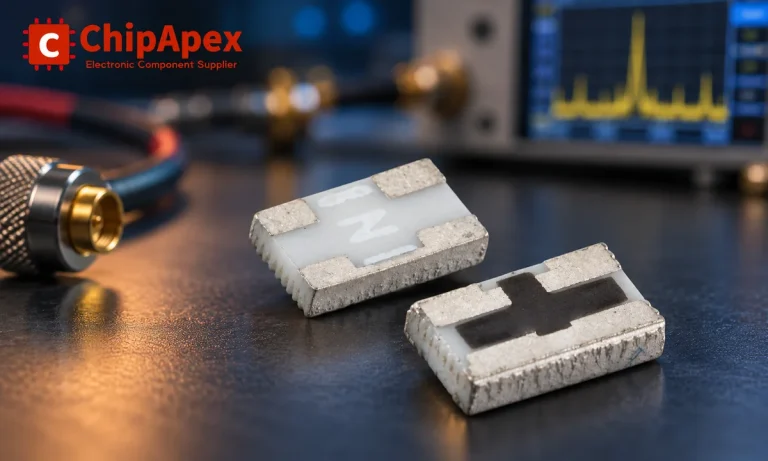
Understand RF attenuator dB values, fixed and programmable types, impedance, power limits and noise tradeoffs before choosing parts for an RF signal path.
Read More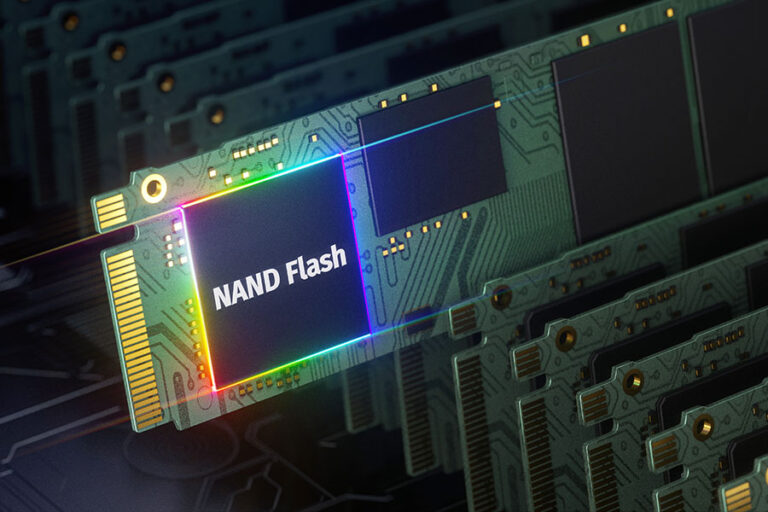
What Is NAND Flash? A Practical Guide for Engineers & Procurement Teams In today’s data-driven world—from smartphones and SSDs to industrial IoT devices—NAND flash…
Read More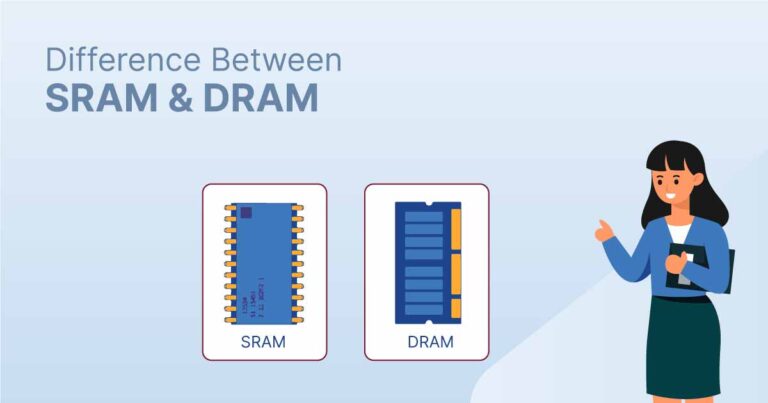
In an era dominated by AI accelerators with terabytes of HBM memory and consumer devices racing toward LPDDR5X bandwidth, it’s easy to wonder: why…
Read More
Vishay Intertechnology, Inc., a global leader in discrete semiconductors and passive electronic components, has officially announced a price adjustment for its Metal-Oxide-Semiconductor Field-Effect Transistors…
Read More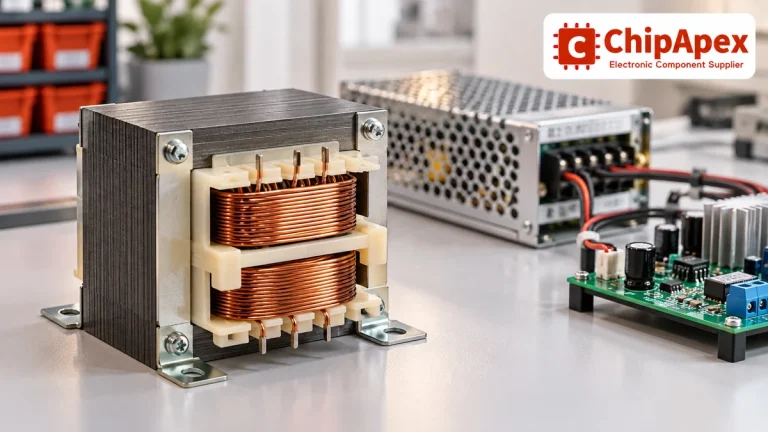
Select power transformers by input frequency, secondary VA, rectifier load, isolation, regulation and inrush. Build a clearer specification for your next RFQ.
Read More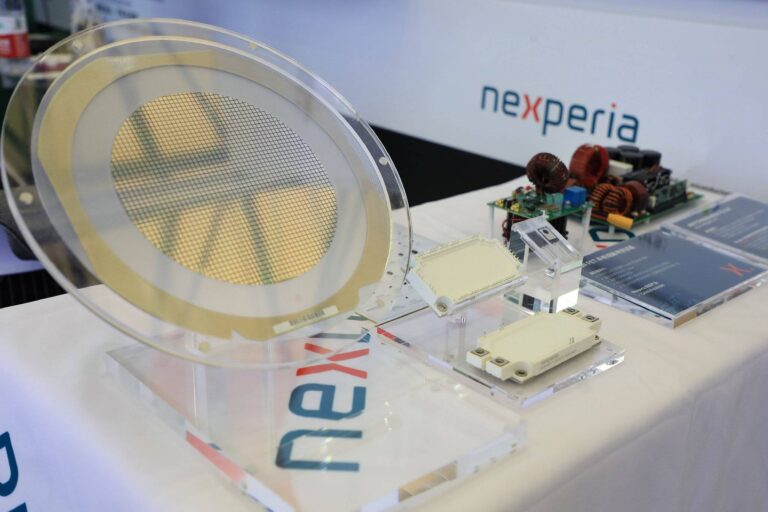
Dutch authorities announced on November 7 the lifting of control measures on Nexperia (formerly NXP Semiconductors’ Standard Products division), marking the end of a…
Read More
Compare Pt100 and Pt1000 RTDs, two-, three- and four-wire connections, excitation and self-heating. Build an error budget from element to reported temperature.
Read More
Compare RC, crystal and MEMS oscillator circuits. Check ppm, jitter, load capacitance, startup margin and output compatibility before choosing a clock source.
Read More
Understand tactile switches, PCB and keyboard differences, four-pin wiring, debounce, force, travel and replacement checks for reliable control inputs.
Read More
TOKYO — Global leading semiconductor and power electronic components manufacturer Renesas Electronics officially issued a new price adjustment notice in early September 2026, confirming…
Read More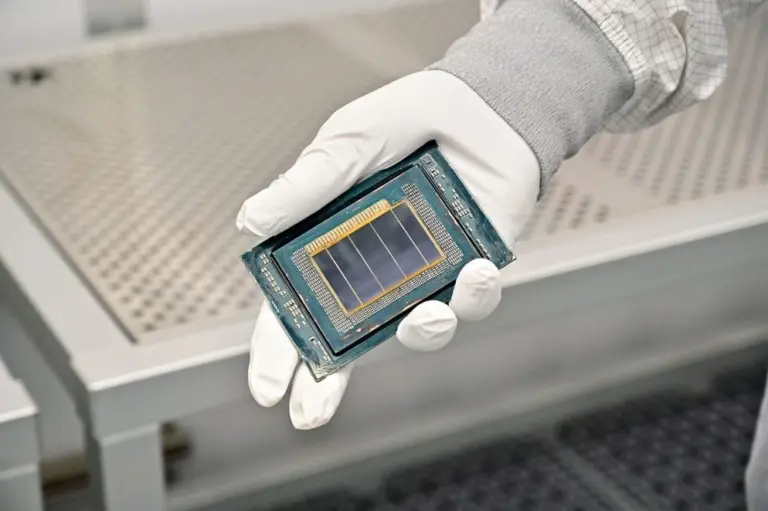
Recently, global semiconductor manufacturers have been constantly taking actions and presenting numerous new developments in aspects such as process technology and product research and…
Read More
Choose a DIP switch by contact type, coded positions, footprint and signal ratings. Check logic polarity, assembly conditions and PCB configuration behavior.
Read More
The activity of extra discounts on wholesale prices is in full swing…
Please fill in your contact information and we will send you the latest wholesale price list.

