ChipApex | Global Electronic Components Supplier

SEARCH
Search Product
Search Post
— IC芯片 | 连接器 | 传感器 | 被动器件 —
Search productSearch post
— IC芯片 | 连接器 | 传感器 | 被动器件 —
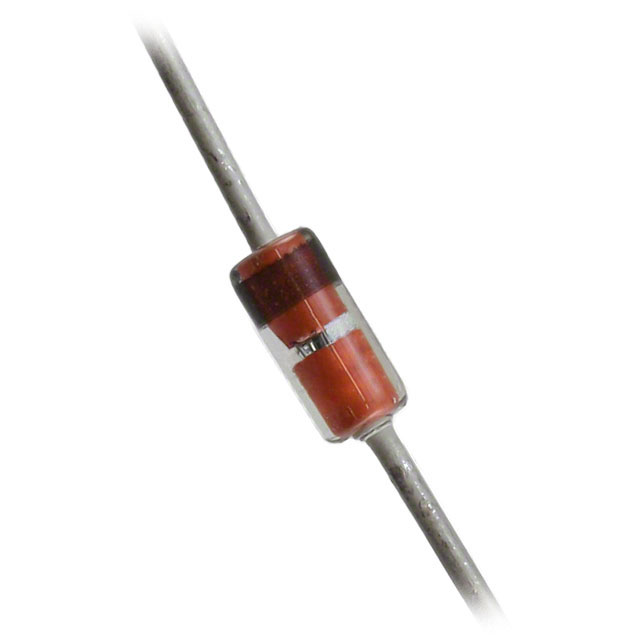
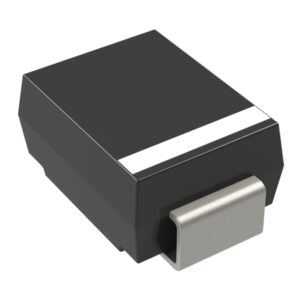
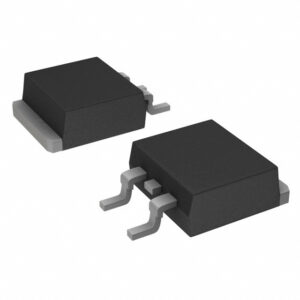
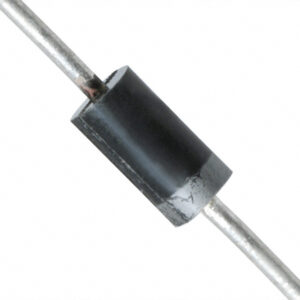
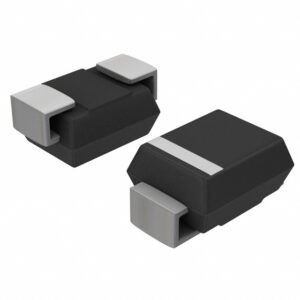
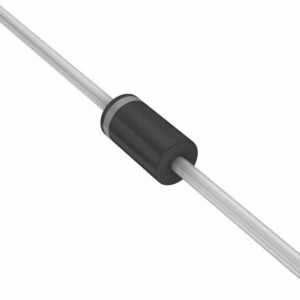
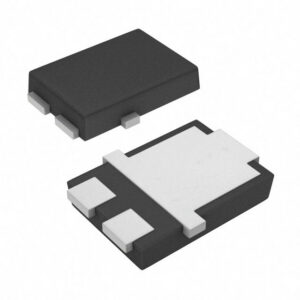
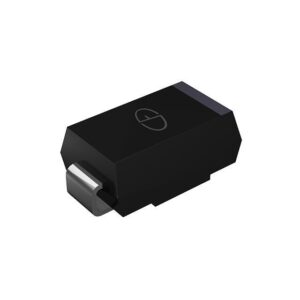
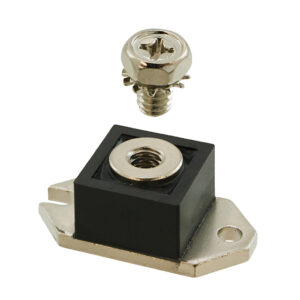
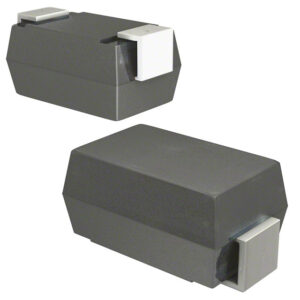
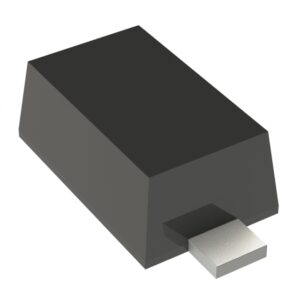
Standard Rectifier Diodes Standard Diodes (Silicon PN Junction) Standard diodes are the most basic type of rectifier diode, made from silicon with a PN junction. They’re commonly used in AC-to-DC converters, power rectification, and general circuit protection. These diodes typically have a forward voltage drop around 0.7V and are best suited for low-frequency switching. Their reverse recovery time (how quickly they stop conducting when switched off) is relatively slow, which limits their use in high-speed applications. They also have low reverse leakage current, which makes them reliable for steady-state operations. Schottky Barrier Diodes (SBD) Schottky diodes (SBDs) use a metal-semiconductor junction instead of a traditional PN junction, resulting in faster switching speeds and lower forward voltage drops—often between 0.2V and 0.4V. This makes them ideal for DC-DC converters, high-efficiency power supplies, and circuits where minimizing power loss is critical. However, one drawback of SBDs is their higher reverse leakage current, especially at elevated temperatures, which can be a concern in precision or battery-operated devices. Super Barrier Rectifiers (SBR) Super Barrier Rectifiers (SBRs) combine the best traits of standard diodes and Schottky diodes. They offer low forward voltage drop like SBDs, but with significantly lower reverse leakage current and improved reverse voltage handling. SBRs are well-suited for switching power converters, adapters, and automotive electronics, where energy efficiency and thermal stability are important. They’re often a better choice than Schottky diodes when the application involves higher ambient temperatures or larger voltage transients. Avalanche Diodes Avalanche diodes are designed to operate reliably in reverse breakdown mode, where they safely conduct current once a specific reverse voltage threshold is exceeded. Unlike standard diodes that can be damaged by breakdown, avalanche diodes are built to handle this condition repeatedly and predictably. In fast switching rectification, avalanche diodes are sometimes preferred over standard PN diodes because of their improved reverse recovery behavior, which reduces switching losses and improves overall converter efficiency. Their ability to withstand high reverse voltage transients without degradation makes them particularly suited for snubber circuits, flyback converters, and hard-switched topologies. Silicon Carbide (SiC) Diodes SiC diodes are built from silicon carbide, a wide-bandgap material that allows them to handle very high voltages (600V and up) and extreme temperatures (>150°C). They are ideal for industrial converters, electric vehicle chargers, solar inverters, and motor drives, especially in circuits requiring fast switching and zero reverse recovery time. Although more expensive than silicon-based diodes, their durability and efficiency at high voltages and frequencies often make them the best long-term choice in demanding applications.

PLANO, Texas – March 20, 2026 – Diodes Incorporated (Nasdaq: DIOD), a leading global manufacturer and supplier of high-quality application-specific standard products in the…
Read More
As the backbone of modern technology, electronic components are undergoing revolutionary changes, driven by advancements in materials science, miniaturization, and smart manufacturing. From ultra-efficient…
Read More
Recently, global semiconductor manufacturers have been constantly taking actions and presenting numerous new developments in aspects such as process technology and product research and…
Read More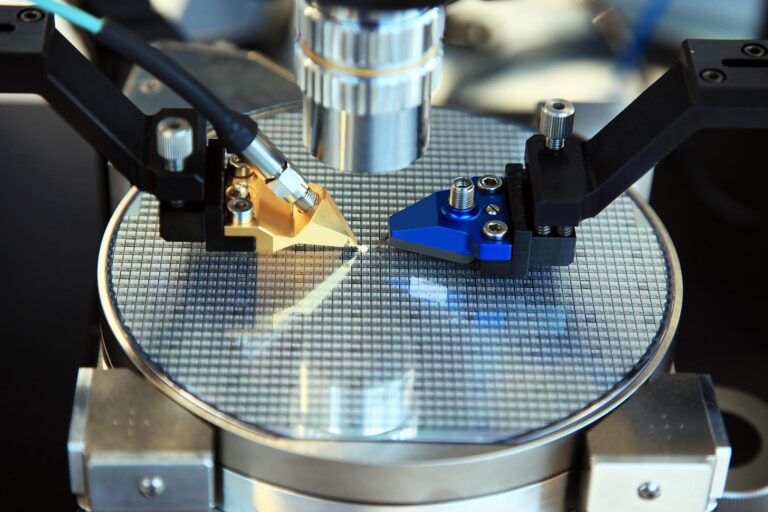
May 4, 2026 — The global power semiconductor market is grappling with a worsening supply crunch, as lead times for key components have extended…
Read More
Choose a DIP switch by contact type, coded positions, footprint and signal ratings. Check logic polarity, assembly conditions and PCB configuration behavior.
Read More
A perfect storm of surging demand and supply chain disruptions is roiling the global electronic components market, with advanced semiconductors and critical materials now…
Read More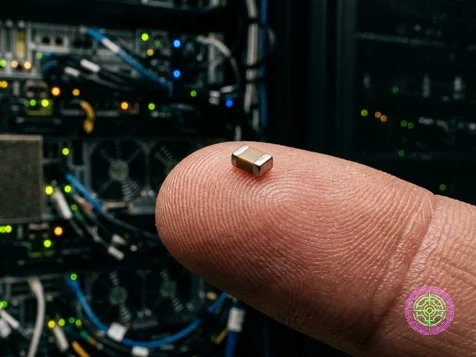
The multilayer ceramic capacitor (MLCC) market has fallen into a severe structural supply crunch in the third quarter of 2026, driven by explosive demand…
Read More
Learn why PTC resistance rises with temperature, how it differs from NTC, and which ratings matter for sensing and protection.
Read More
Recently, global semiconductor manufacturers have been constantly making moves in aspects such as technological cooperation, product manufacturing processes, and market layout, demonstrating the rapid…
Read More
Recently, the global electronic components market has been constantly evolving, and different regions and enterprises have witnessed new moves in aspects such as technological…
Read More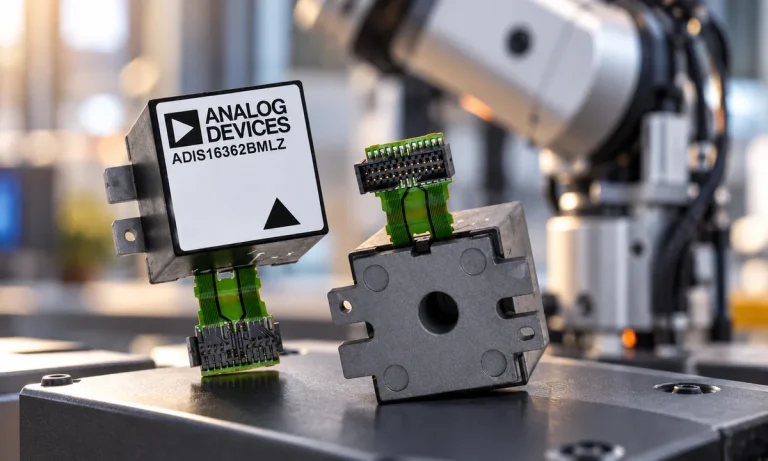
Learn what an IMU measures, how accelerometers and gyroscopes work together, why orientation estimates drift, and what to compare.
Read More
See when an inductor behaves linearly, how DC bias and saturation reduce inductance, and which current and temperature curves to check.
Read More
The activity of extra discounts on wholesale prices is in full swing…
Please fill in your contact information and we will send you the latest wholesale price list.