 ChipApex | Global Electronic Components Supplier

SEARCH
Search Product
Search Post
Search productSearch post

Products in the image sensor and camera family are component or module-level devices used to electronically capture visual information in the visible and/or infrared spectrums. Consisting of an array of photosensitive elements connected to a shared control and interface mechanism, available products include those adapted to common still image and video capture as well as more specialized applications such as thermal and spatial imaging.
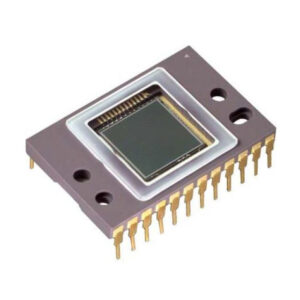 KAF-0402-ABA-CP-B1View Product
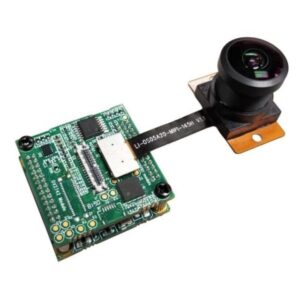 LI-USB30-OS05A20-110HView Product
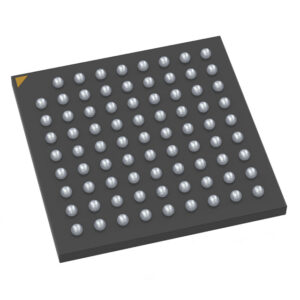 AR0134CSSM00SUEA0-DPBR1View Product
 OX01E20-E48A-001CView ProductOH00000-EG01-B0BB-0131View Product
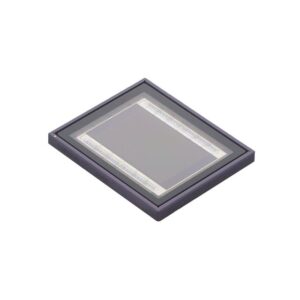 NOIX1SN045KB-GTIView ProductOS08A10-H92AView ProductTCD1103GFG(8Z)View ProductOX01F10-B58Y-1CView Product
 MT9V034C12STM-DP1View ProductOV02310-E75Y-1DView ProductOV08858-G04A-2AView Product

On October 1, 2025 local time, OpenAI, an artificial intelligence research company, announced the establishment of a cooperative relationship with Samsung Electronics and SK…
Read More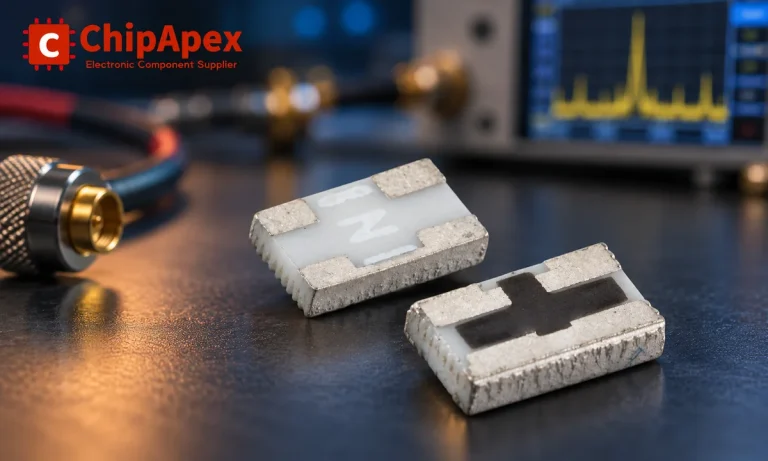
Understand RF attenuator dB values, fixed and programmable types, impedance, power limits and noise tradeoffs before choosing parts for an RF signal path.
Read More
Geneva, Switzerland – August 20, 2026 – Global leading semiconductor manufacturer STMicroelectronics (ST) has officially issued a new global price adjustment notice to global…
Read More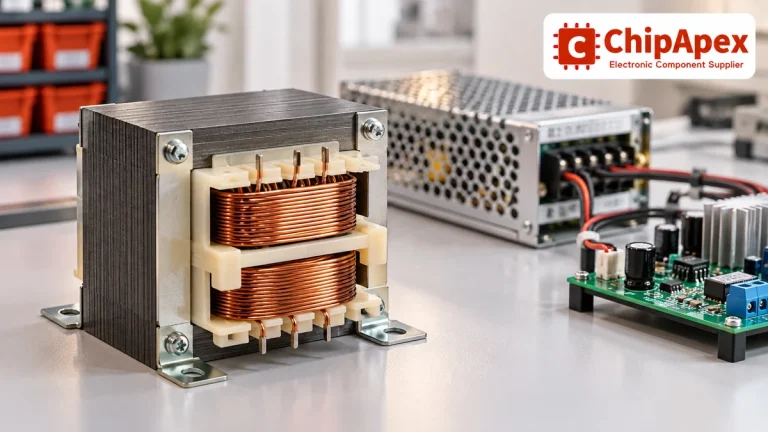
Select power transformers by input frequency, secondary VA, rectifier load, isolation, regulation and inrush. Build a clearer specification for your next RFQ.
Read More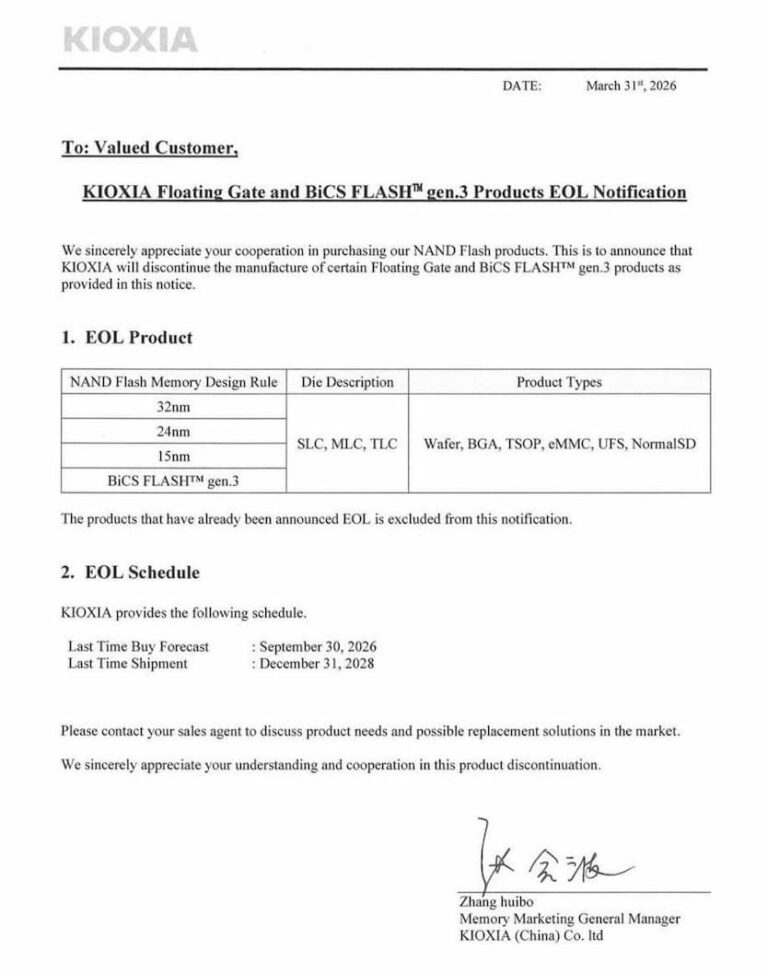
TOKYO, April 1, 2026 – Kioxia Corporation (formerly Toshiba Memory Corporation), a global leader in flash memory and storage solutions, has officially issued a…
Read More
Recently, global semiconductor manufacturers have been constantly making moves in aspects such as technological cooperation, product manufacturing processes, and market layout, demonstrating the rapid…
Read More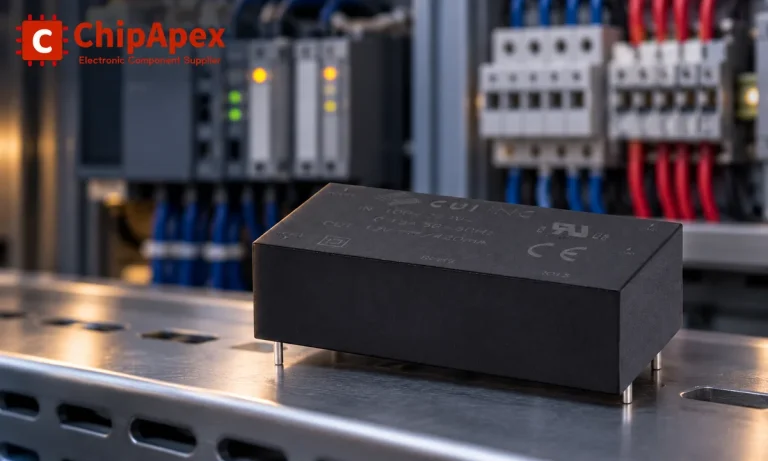
Choose an AC to DC converter by input range, output demand, isolation, efficiency and thermal derating. Compare architectures and check installation needs.
Read More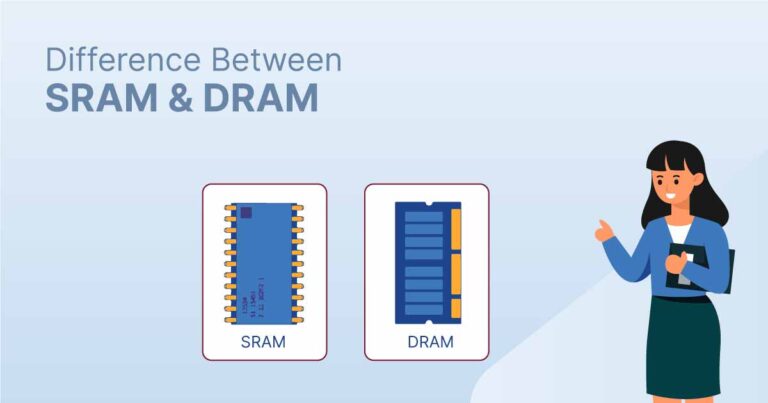
In an era dominated by AI accelerators with terabytes of HBM memory and consumer devices racing toward LPDDR5X bandwidth, it’s easy to wonder: why…
Read More
Learn how a diode conducts, how to identify anode and cathode, and when to choose rectifier, TVS, Zener or photodiode types for a circuit.
Read More
Learn how an analog front end conditions sensor signals. Compare gain, noise, filtering, ADC settling and integration options before selecting components.
Read More
Calculate high-side and low-side local oscillator frequencies, locate the receiver image and check how much LO drive reaches the RF mixer input port.
Read More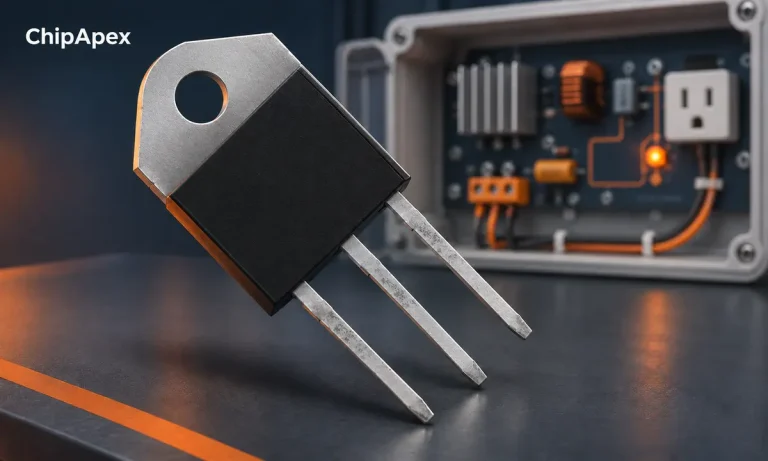
Learn how a TRIAC switches AC loads. Understand triggering, latching, holding current, phase control and thermal limits before choosing a component.
Read More
The activity of extra discounts on wholesale prices is in full swing…
Please fill in your contact information and we will send you the latest wholesale price list.

