 ChipApex | Global Electronic Components Supplier

SEARCH
Search Product
Search Post
Search productSearch post
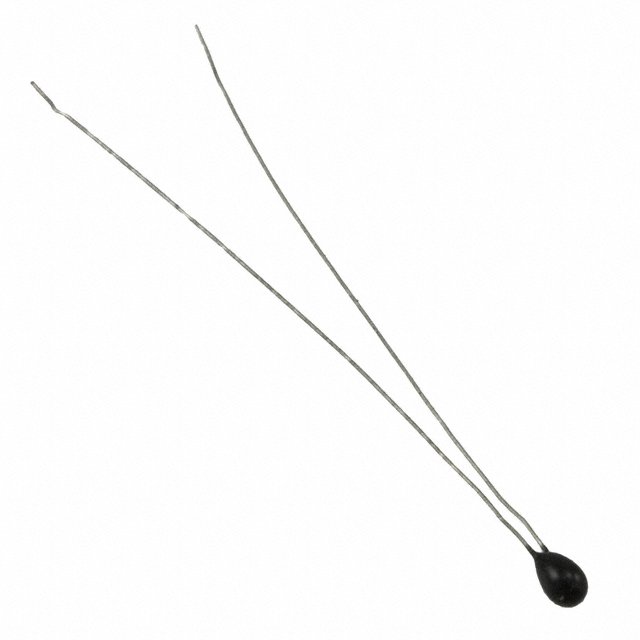
NTC Thermistors, or Negative Temperature Coefficient Thermistors, are devices that change resistance in response to changes in temperature. With negative coefficient parts, their resistance decreases as their temperature increases. They are typically defined with variables such as the parts base resistance value at a set temperature, usually 25°C, and B values, the performance curve of temperature vs. resistance calibrated between two fixed points.
 NRNE902H3930B2HView Product
 BN35-3T103FB-50View Product
 NT06104J3600B1GView Product
 NXFT15XM202GA2B025View Product
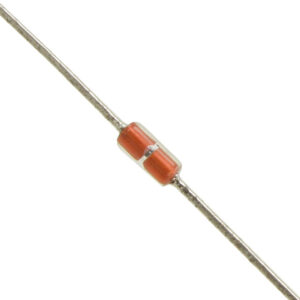 USUG1000-503JView Product
 NTCLE300E3103SBView ProductNKA202C2R2View Product
 A/AN-R2SO-A20-C6View Product
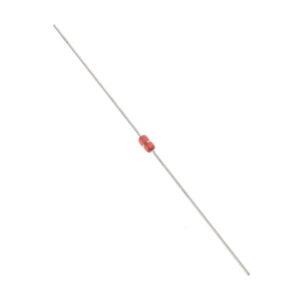 TH310J37GBSNView Product
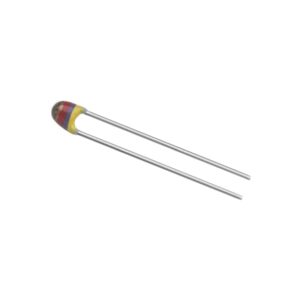 NTCLE100E3339JT2AView Product
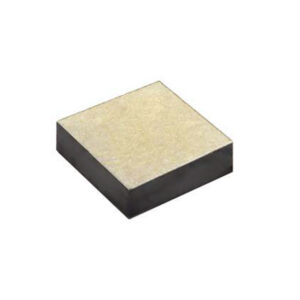 NTCC300E4203JTView Product
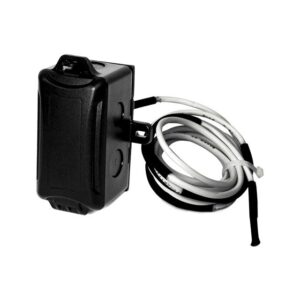 A/AN-FA-24'-PBView Product
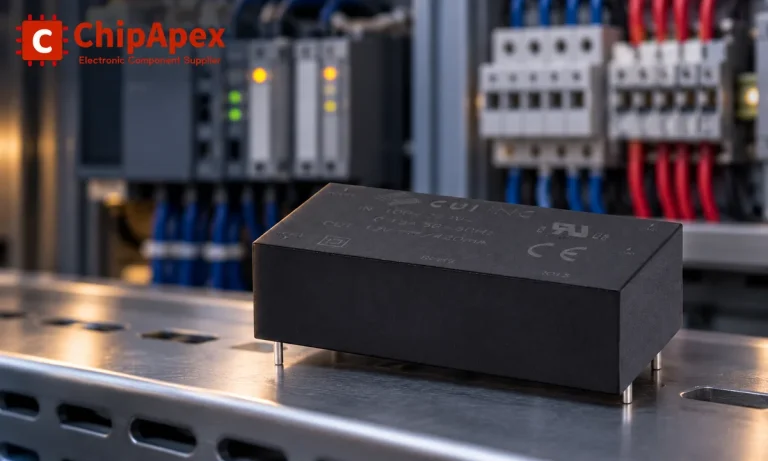
Choose an AC to DC converter by input range, output demand, isolation, efficiency and thermal derating. Compare architectures and check installation needs.
Read More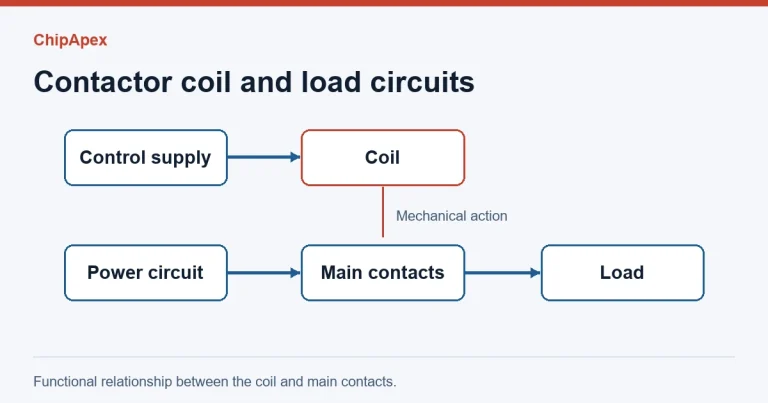
Learn what a contactor does, how it differs from a relay or starter, and how to check coil voltage, motor duty and protection before…
Read More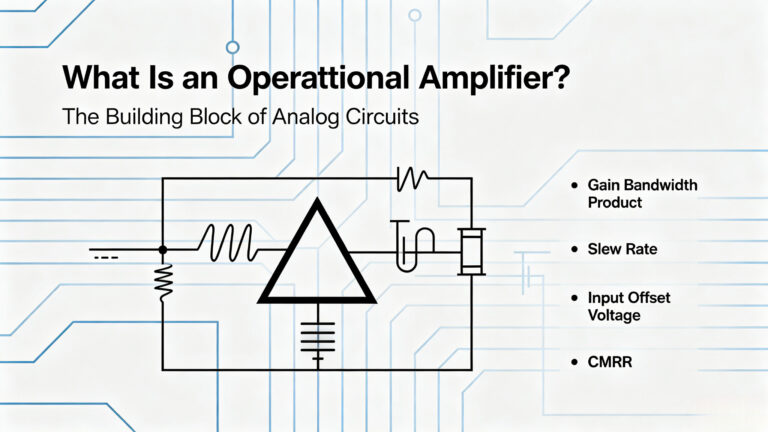
If you’ve spent any time staring at a schematic, you’ve seen the triangle. Two inputs, one output, and a gain symbol that looks deceptively…
Read More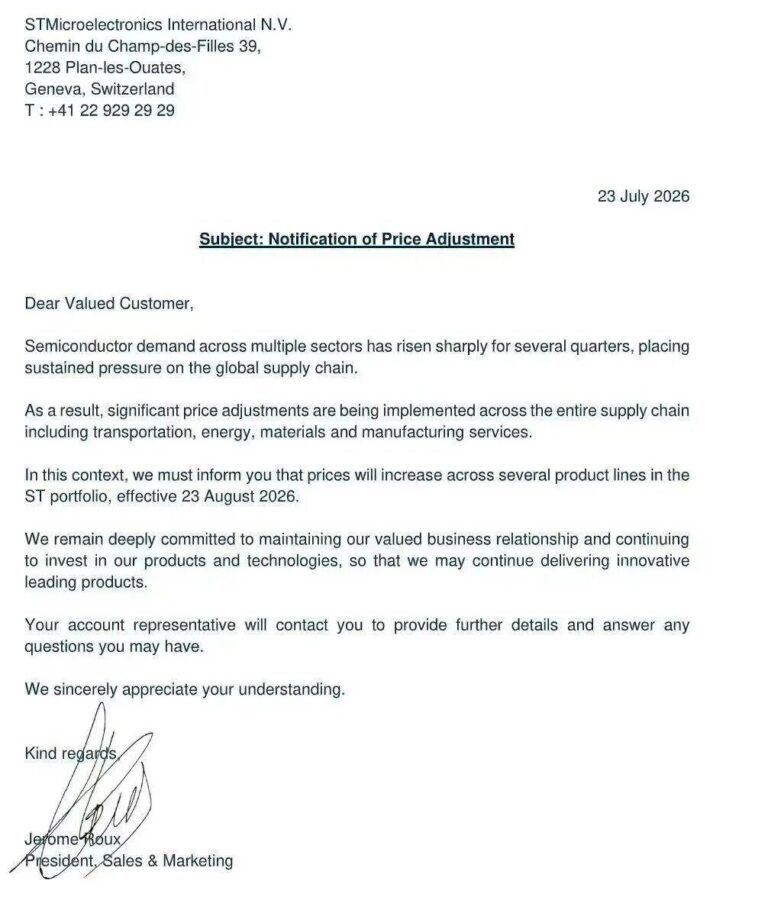
Geneva, Switzerland – August 20, 2026 – Global leading semiconductor manufacturer STMicroelectronics (ST) has officially issued a new global price adjustment notice to global…
Read More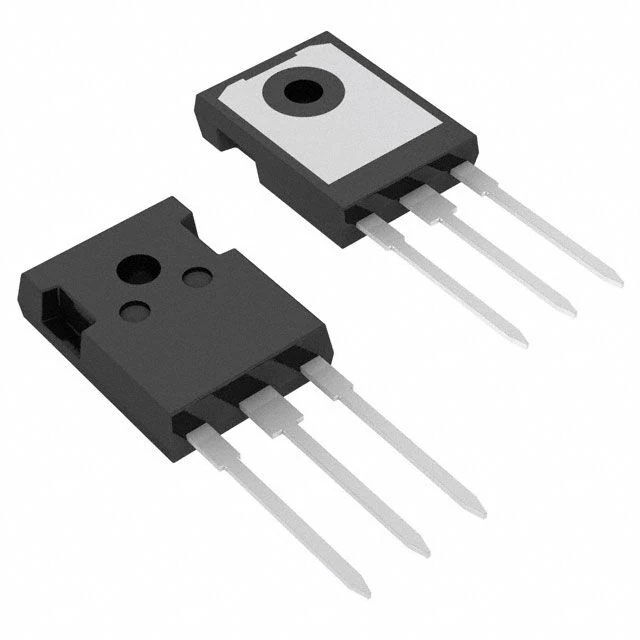
Learn how an IGBT works, compare MOSFET and IGBT losses, and check switching energy, gate drive, thermal limits and protection using a worked example.
Read More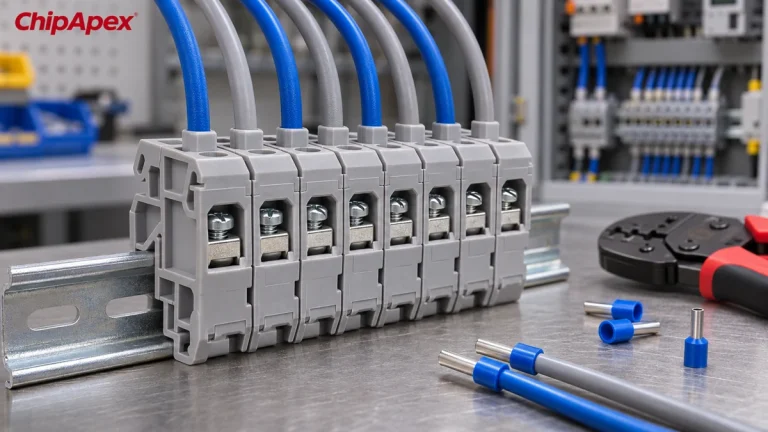
Compare screw and spring terminal blocks. Check conductor range, ferrules, strip length, torque, pitch and DIN rail accessories before completing the BOM.
Read More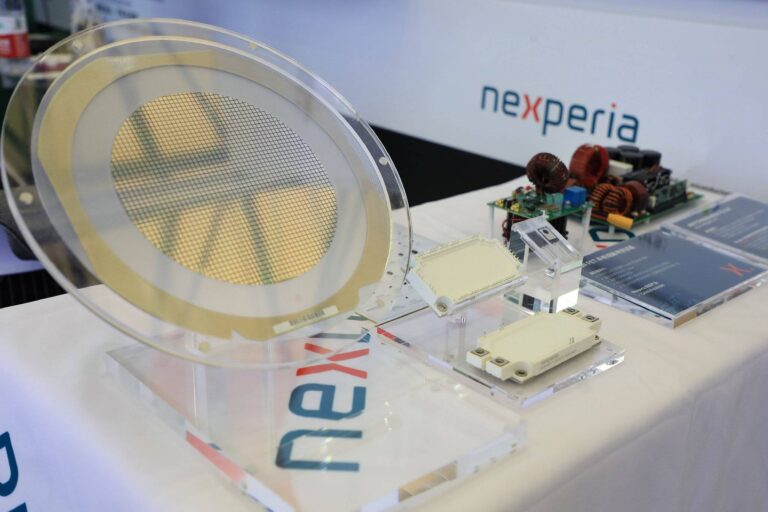
Dutch authorities announced on November 7 the lifting of control measures on Nexperia (formerly NXP Semiconductors' Standard Products division), marking the end of a…
Read More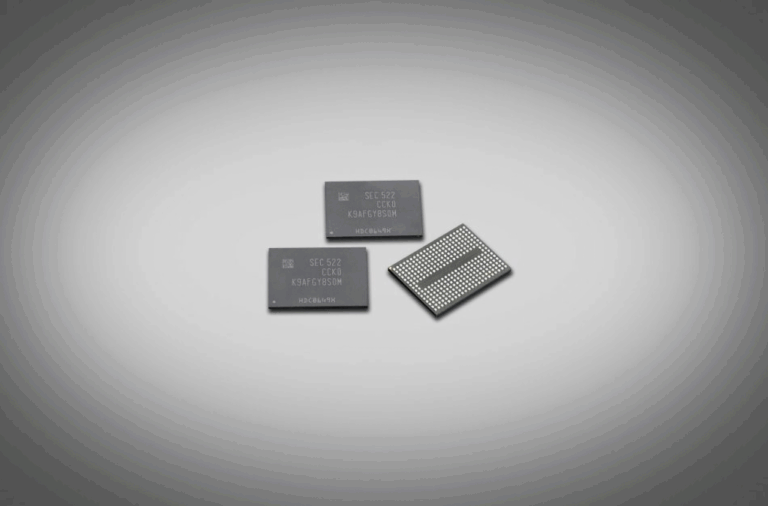
Date: May 13, 2026 The global memory industry is facing an unprecedented supply crunch in legacy MLC NAND Flash. Leading manufacturers including Samsung Electronics…
Read More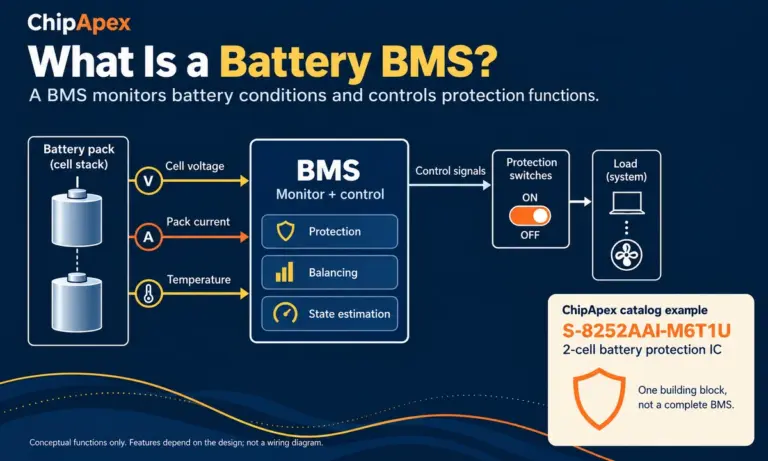
Learn what a battery BMS does, how protection differs from charging, and which pack specifications to check when sourcing BMS components through ChipApex.
Read More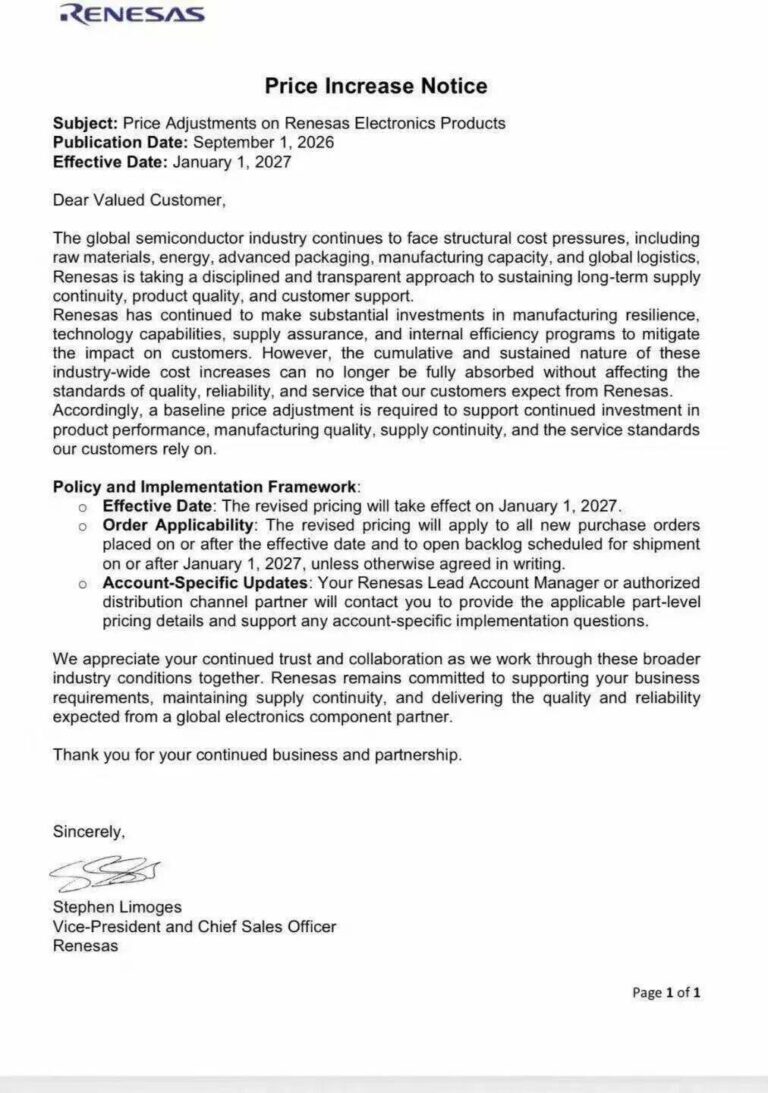
TOKYO — Global leading semiconductor and power electronic components manufacturer Renesas Electronics officially issued a new price adjustment notice in early September 2026, confirming…
Read More
Compare gas sensor technologies, cross-sensitivity and calibration needs. Define the gas, range and environment before choosing a sensing component.
Read More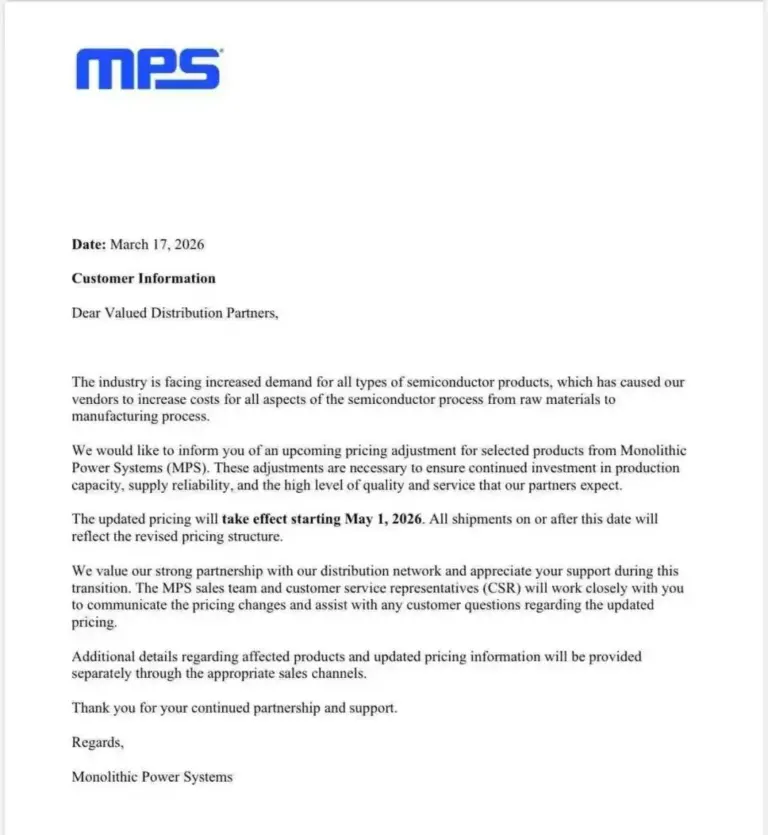
Monolithic Power Systems (MPS), a global leader in analog and mixed-signal semiconductors, has notified its distribution partners of an upcoming price increase for selected…
Read More
The activity of extra discounts on wholesale prices is in full swing…
Please fill in your contact information and we will send you the latest wholesale price list.

