ChipApex | Global Electronic Components Supplier

SEARCH
Search Product
Search Post
Search productSearch post
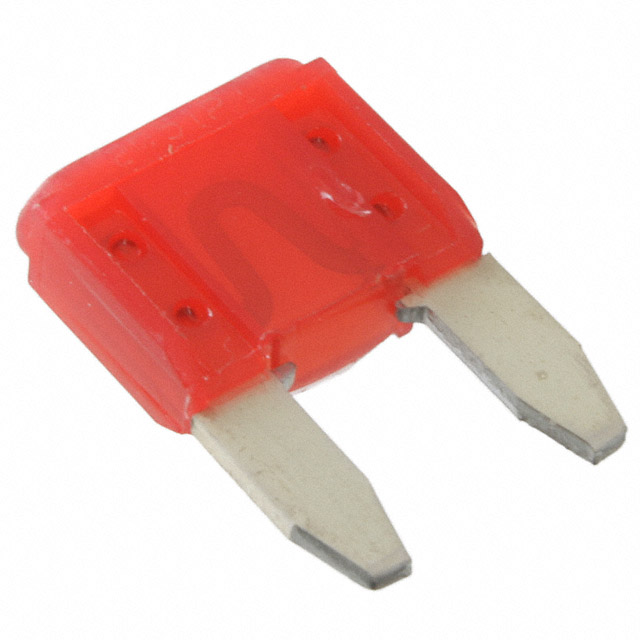
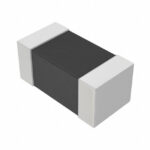
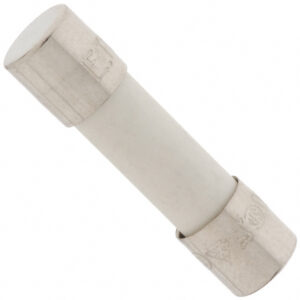
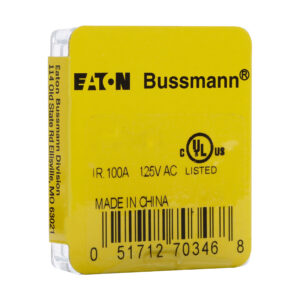
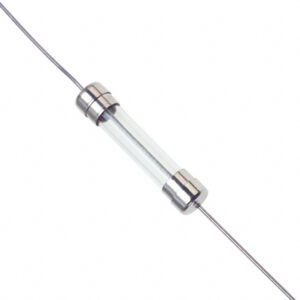
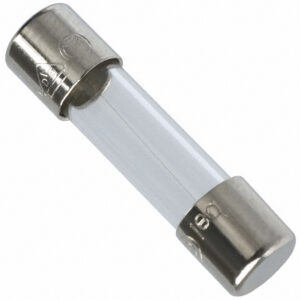
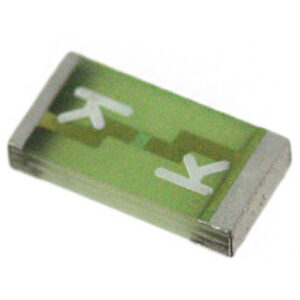
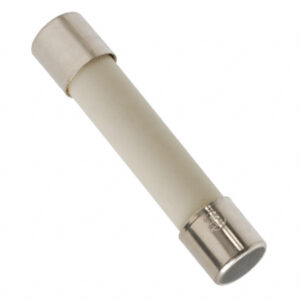
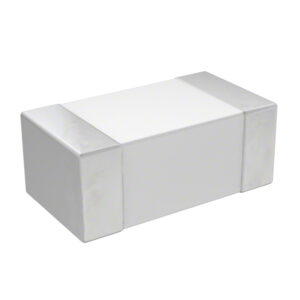
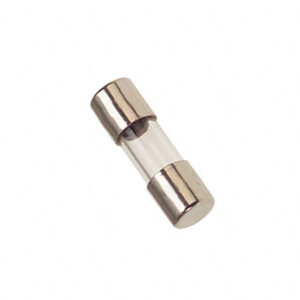
A fuse is a device designed to stop current flow when it exceeds a certain limit (overcurrent protection). The devices works by creating an opening in a material situated between two end terminals. The material will melt (blow) from an increase in heat generated by the device as the current flow changes. The amount of time it takes the device to blow is often defined as fast or slow-blow.
| Select products | Mfr | Description | Package | Supplier Device Package | Mounting Type | Series | Operating Temperature |
|---|---|---|---|---|---|---|---|
| Panasonic Electronic Components | FUSE 1.5A 32V FAST SMD 0603 | Cut Tape (CT) | Surface Mount | ERBFE | -40°C ~ 125°C | ||
 ERB-RD0R25X $0.26 | Panasonic Electronic Components | FUSE BOARD MNT 250MA 32VDC 0402 | Tape & Reel (TR),Cut Tape (CT) | Surface Mount | ERB-RD | -40°C ~ 125°C | |
ERB-RD0R31X $0.26 | Panasonic Electronic Components | FUSE BOARD MNT 310MA 32VDC 0402 | Tape & Reel (TR),Cut Tape (CT) | Surface Mount | ERB-RD | -40°C ~ 125°C | |
ERB-RD0R37X $0.27 | Panasonic Electronic Components | FUSE BOARD MNT 370MA 32VDC 0402 | Tape & Reel (TR),Cut Tape (CT) | Surface Mount | ERB-RD | -40°C ~ 125°C | |
 ERB-RD0R50X $0.25 | Panasonic Electronic Components | FUSE BOARD MNT 500MA 32VDC 0402 | Tape & Reel (TR),Cut Tape (CT) | Surface Mount | ERB-RD | -40°C ~ 125°C | |
ERB-RD0R63X $0.27 | Panasonic Electronic Components | FUSE BOARD MNT 630MA 32VDC 0402 | Tape & Reel (TR),Cut Tape (CT) | Surface Mount | ERB-RD | -40°C ~ 125°C | |
ERB-RD0R75X $0.25 | Panasonic Electronic Components | FUSE BOARD MNT 750MA 32VDC 0402 | Tape & Reel (TR),Cut Tape (CT) | Surface Mount | ERB-RD | -40°C ~ 125°C | |
ERB-RD1R00X $0.25 | Panasonic Electronic Components | FUSE BOARD MOUNT 1A 32VDC 0402 | Tape & Reel (TR),Cut Tape (CT) | Surface Mount | ERB-RD | -40°C ~ 125°C |
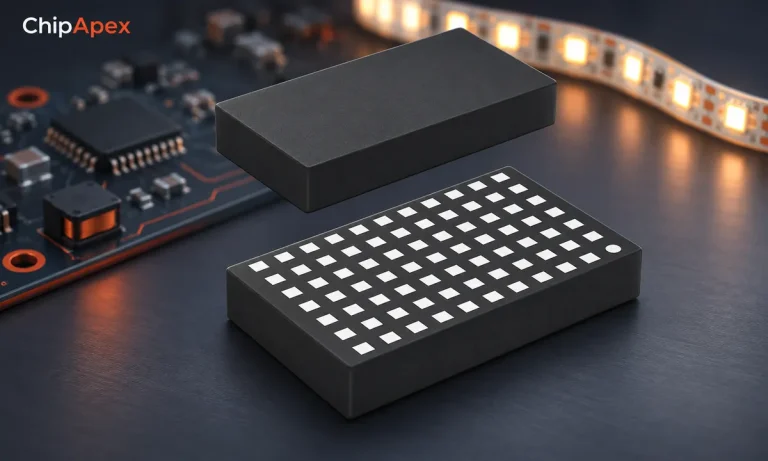
Choose LED drivers by current, string voltage, dimming and thermal limits. Understand constant-current operation and the checks needed for your load.
Read More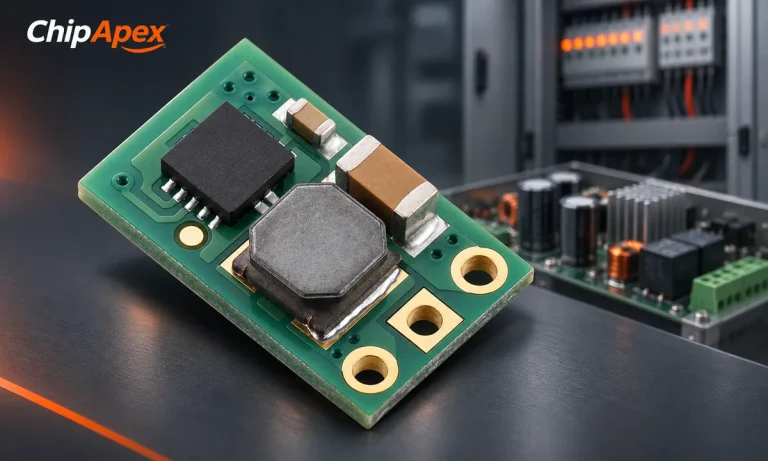
Select a DC-DC converter by input range, topology, isolation and temperature. Compare ripple, efficiency and load limits before choosing a component.
Read More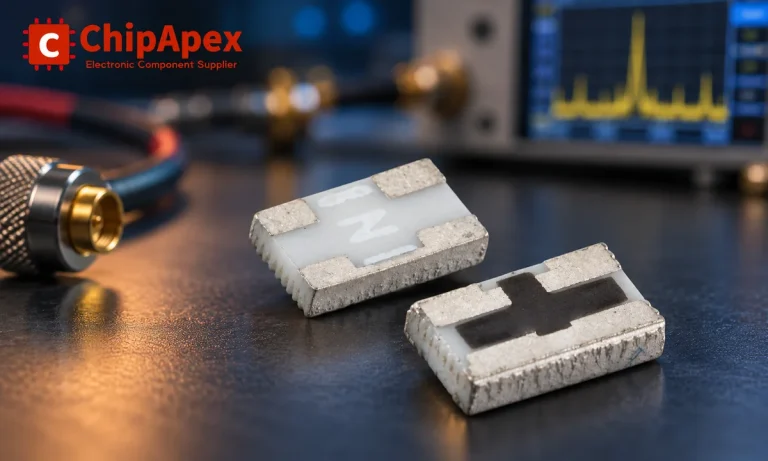
Understand RF attenuator dB values, fixed and programmable types, impedance, power limits and noise tradeoffs before choosing parts for an RF signal path.
Read More
Compare variable capacitor types and varactor tuning. Understand capacitance-voltage curves, Q, bias and LC resonance before choosing a component.
Read More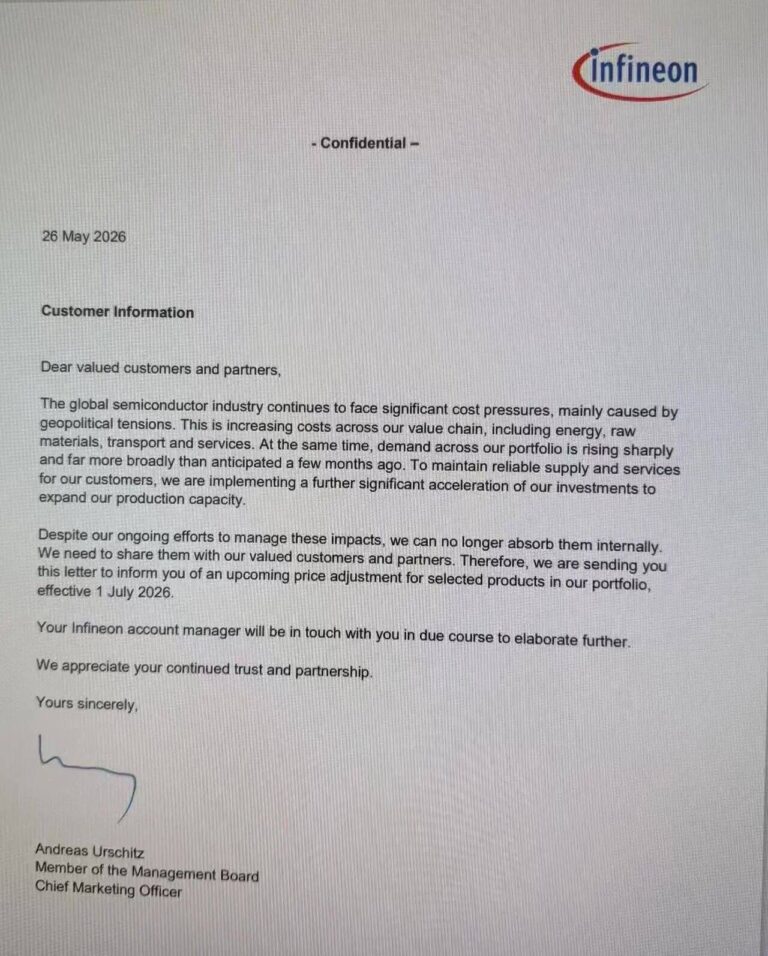
Munich, Germany – May 26, 2026 – Power semiconductor and automotive chip giant Infineon Technologies AG has formally notified customers worldwide of a second…
Read More
Learn how logic gates work, read AND, NAND and XOR truth tables, and choose a gate IC by input thresholds, output levels, propagation delay…
Read More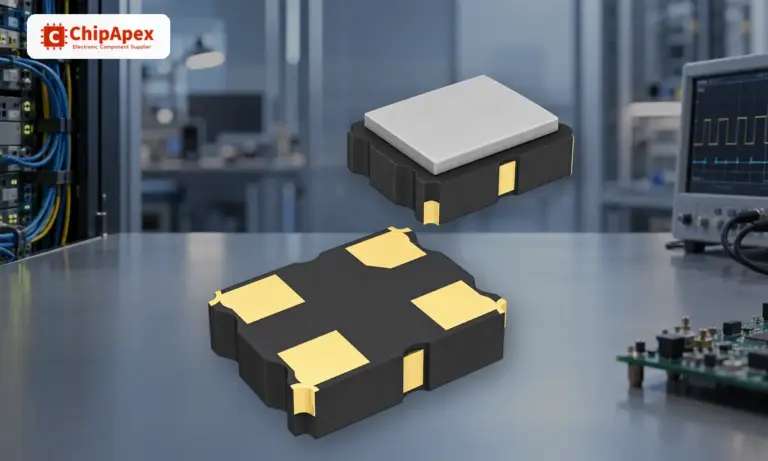
Understand how oscillators generate timing signals, how they differ from crystals, and which frequency, output and stability specs matter when choosing one.
Read More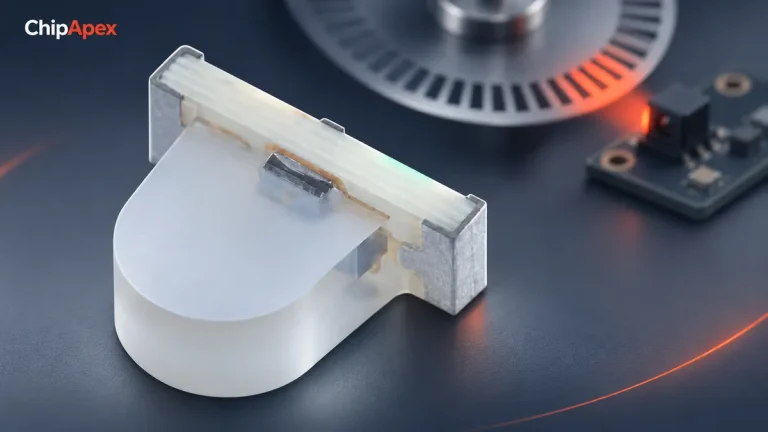
Understand phototransistor operation, load-resistor selection, saturation and response time. Compare detector types and prepare component sourcing requirements.
Read More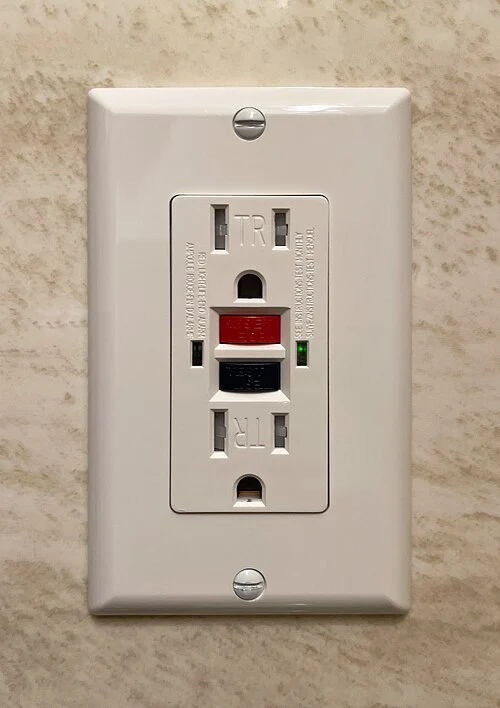
Compare standard breakers, GFCI receptacles and GFCI breakers, including the faults each detects and the ratings and listings to check before specifying.
Read More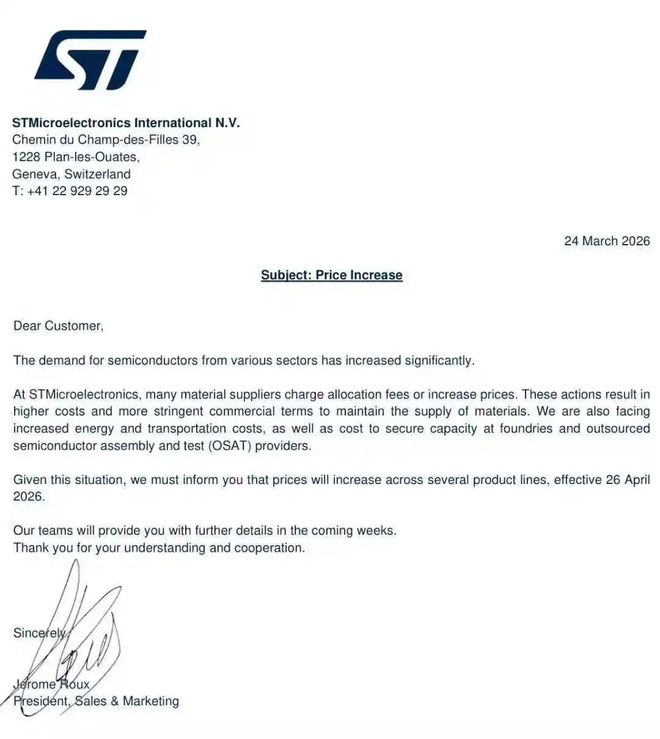
Geneva, Switzerland – March 25, 2026 – STMicroelectronics N.V. (NYSE: STM), a global semiconductor leader serving customers across the electronics applications spectrum, has announced…
Read More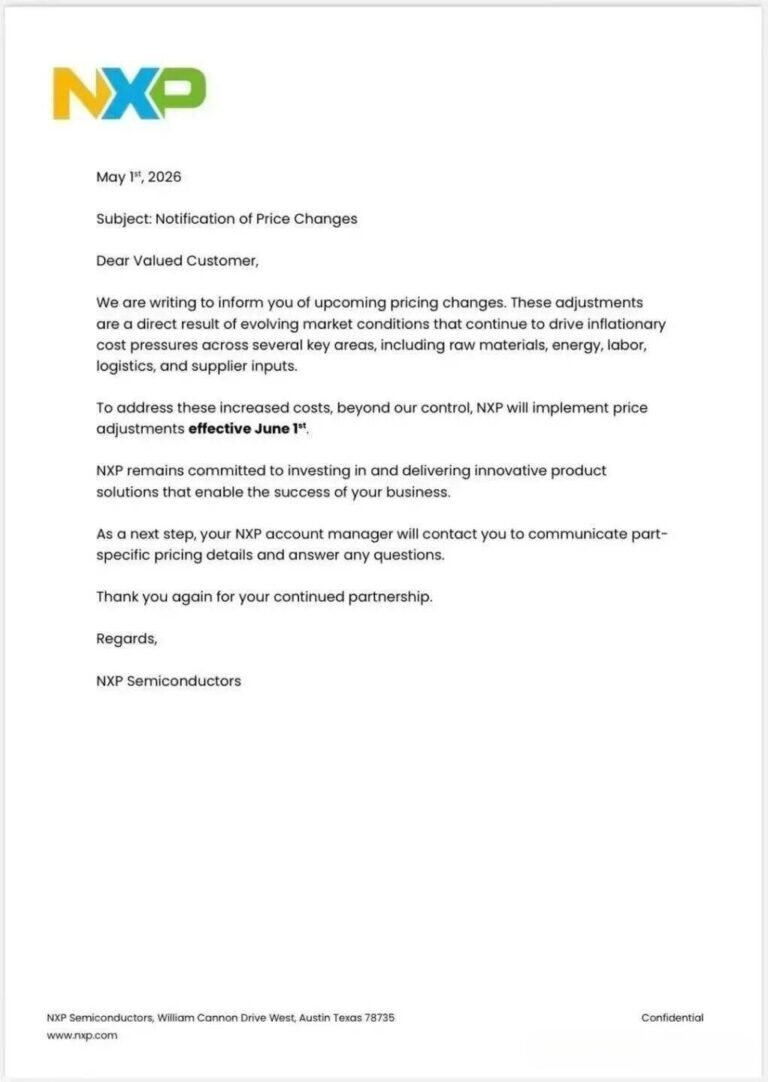
May 8, 2026 – Eindhoven, Netherlands NXP Semiconductors (NXPI), a global leader in automotive and industrial semiconductor solutions, has officially notified its worldwide channel…
Read More
WILMINGTON, Mass. – July 3, 2026 – Analog Devices, Inc. (ADI), the global leading supplier of high-performance analog, mixed-signal and signal processing semiconductors, has…
Read More
The activity of extra discounts on wholesale prices is in full swing…
Please fill in your contact information and we will send you the latest wholesale price list.