ChipApex | Global Electronic Components Supplier

SEARCH
Search Product
Search Post
— IC芯片 | 连接器 | 传感器 | 被动器件 —
Search productSearch post
— IC芯片 | 连接器 | 传感器 | 被动器件 —
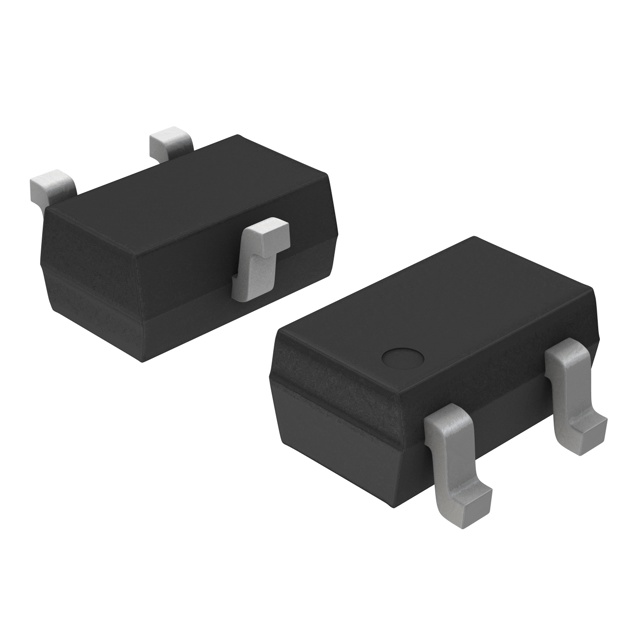
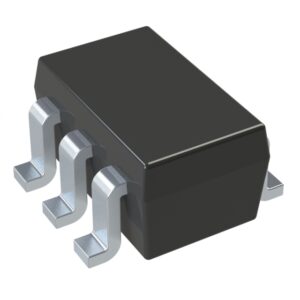
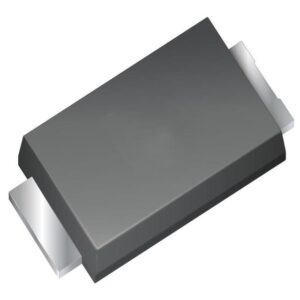
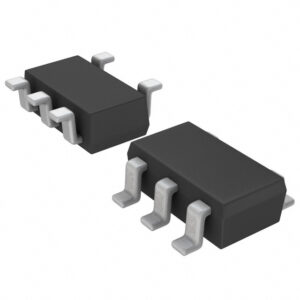
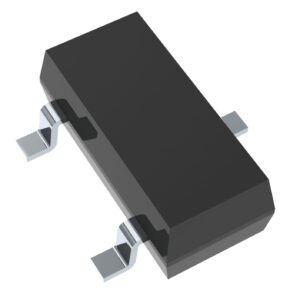
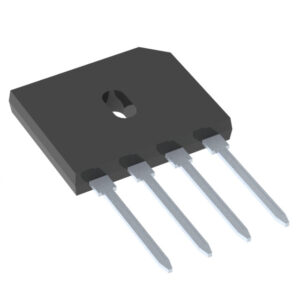
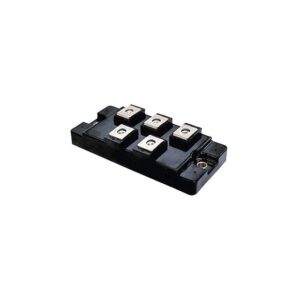
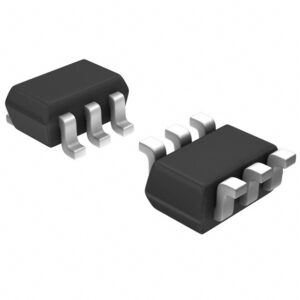
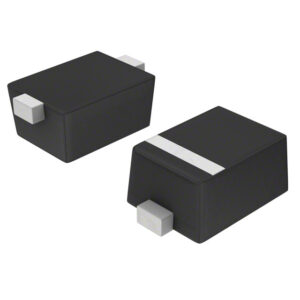
A diode is a semiconductor device that primarily allows current flow in one direction while blocking it in the opposite direction. It achieves this behavior through a p-n junction, where p-type and n-type semiconductor materials form a depletion region that controls the movement of charge carriers depending on the applied voltage. While most diodes only conduct when forward biased, certain types like the Zener diode are specially designed to conduct in reverse bias once a specific breakdown voltage is reached, making them ideal for voltage regulation and overvoltage protection. Diode Selection For Power Supply and AC-to-DC Conversion Standard Rectifier Diodes : Use these for basic AC-to-DC conversion in power supplies or for switching applications. Bridge Rectifiers : Choose these pre-packaged sets of four diodes (single phase) or six diodes (three phase) when you need full-wave rectification of AC power. Unlike single-diode configurations that only utilize half of the AC waveform, bridge rectifiers convert both positive and negative half-cycles into positive DC output, resulting in efficient power conversion and smoother output voltage with less ripple. For RF/High-Speed Applications Schottky Diodes: Select these when you need fast switching speeds and low voltage drop (0.2-0.4V compared to 0.6-0.7V in standard diodes). Schottky diodes use a metal-semiconductor junction instead of a p-n junction, which allows for faster electron movement and reduced recovery time. This makes them ideal for high-frequency applications like digital circuits, RF applications, and switch-mode power supplies where efficiency is crucial. PIN Diodes: Ideal for RF switching and signal attenuation with minimal distortion at high frequencies. These diodes feature an intrinsic (undoped) semiconductor layer between the p-type and n-type regions, which improves their high-frequency performance. Their resistance can be controlled by varying the forward bias current, making them excellent for RF switches, attenuators, and modulators in communication equipment. For Frequency Tuning Varicap/Varactor Diodes: These provide variable capacitance when reverse-biased, making them perfect for tuning circuits in radios and oscillators. When the reverse voltage applied to these diodes changes, the width of the depletion region between the p and n regions also changes, effectively altering the capacitance. This voltage-controlled capacitance property allows for electronic tuning in applications like FM radio receivers, voltage-controlled oscillators, and frequency synthesizers. For Voltage Regulation Zener Diodes : These maintain a constant voltage when operated in reverse bias mode beyond their breakdown voltage, making them excellent for voltage regulation. Unlike regular diodes that can be damaged by reverse breakdown, Zener diodes are specifically designed to operate safely in this region. They\\\'re manufactured with specific, precise breakdown voltages allowing them to clip excess voltage and protect sensitive components in circuits where voltage stability is critical.
Samsung Electronics, the world’s largest memory chip manufacturer, has officially confirmed the end-of-life (EOL) for its LPDDR4 and LPDDR4X low-power DRAM products, marking a…
Read More
September 16, 2026 – Global — Leading semiconductor manufacturer ON Semiconductor (onsemi, NASDAQ: ON) has officially issued a formal price adjustment letter to global…
Read More
Selecting the right microcontroller (MCU) isn’t just about specs—it’s about balancing performance, power, cost, and supply chain reliability. As an engineer, you’ve probably faced…
Read More
The global memory market is entering an unprecedented supply-constrained phase as soaring demand from artificial intelligence (AI) infrastructure collides with strategic capacity reallocations by…
Read More
Every audio power amplifier design starts with the same fundamental challenge: converting a low-voltage line-level signal into the high-current drive required by a reactive…
Read More
Choose logic inverter ICs by thresholds, supply, output drive and delay. Compare standard and Schmitt-trigger inputs, power sequencing and replacement checks.
Read More
Learn how a diode conducts, how to identify anode and cathode, and when to choose rectifier, TVS, Zener or photodiode types for a circuit.
Read More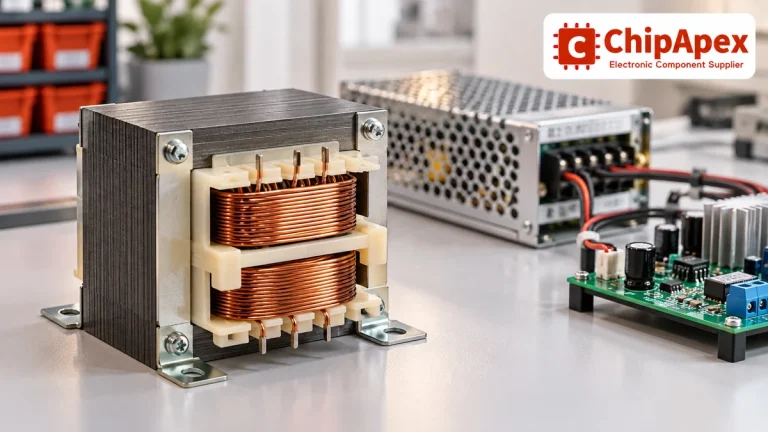
Select power transformers by input frequency, secondary VA, rectifier load, isolation, regulation and inrush. Build a clearer specification for your next RFQ.
Read More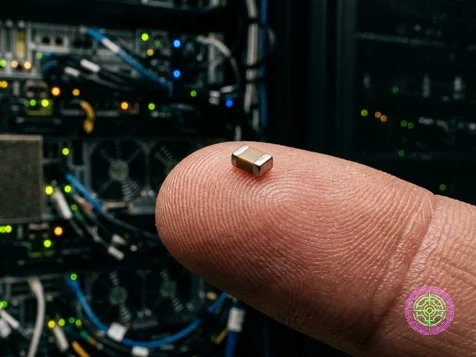
The multilayer ceramic capacitor (MLCC) market has fallen into a severe structural supply crunch in the third quarter of 2026, driven by explosive demand…
Read More
Compare Pt100 and Pt1000 RTDs, two-, three- and four-wire connections, excitation and self-heating. Build an error budget from element to reported temperature.
Read More
Over the past week, the global electronic components sector has witnessed dual transformations in policy and technology: Coupled with mounting pressure from a worsening…
Read More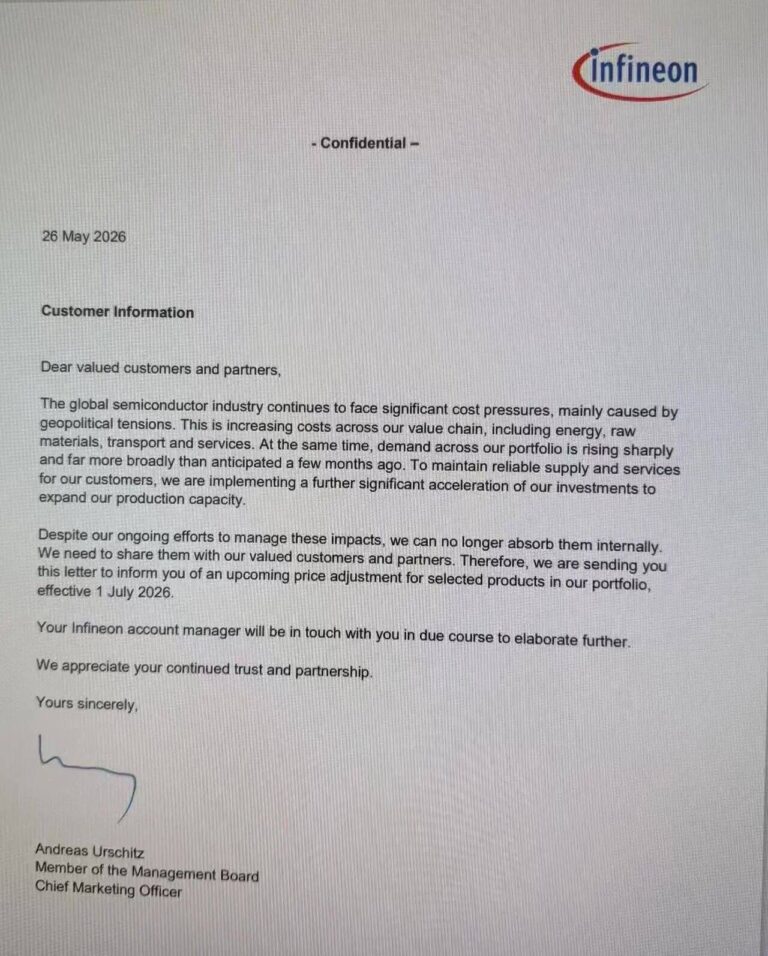
Munich, Germany – May 26, 2026 – Power semiconductor and automotive chip giant Infineon Technologies AG has formally notified customers worldwide of a second…
Read More
The activity of extra discounts on wholesale prices is in full swing…
Please fill in your contact information and we will send you the latest wholesale price list.