ChipApex | Global Electronic Components Supplier

SEARCH
Search Product
Search Post
Search productSearch post
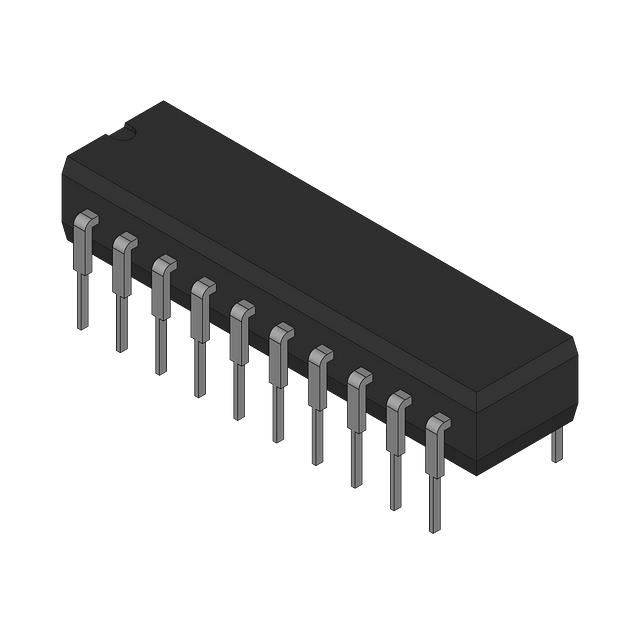
Products in the logic comparator family are used to generate an output based on comparison of information represented in a digital format; identity types indicate whether or not two inputs are identical, magnitude types also indicate which of the two inputs is greater when they are not identical. They are distinct from devices that compare the magnitude of two analog inputs, which are known as linear comparators and are catalogued separately.
| Select products | Mfr | Description | Package | Supplier Device Package | Mounting Type | Series | Operating Temperature |
|---|---|---|---|---|---|---|---|
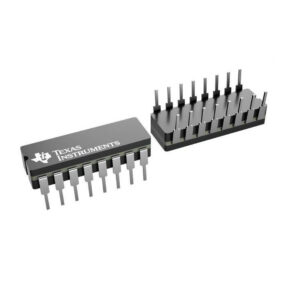
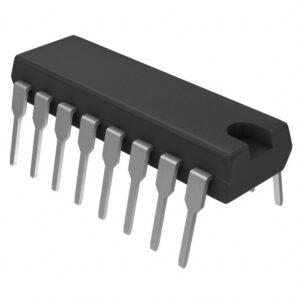
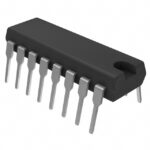 HCF4063BEY $0.25 | STMicroelectronics | IC COMPARATOR MAG 4BIT 16DIP | Tube | 16-DIP | Through Hole | 4000B | -55°C ~ 125°C |
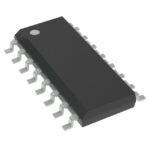 HCF4063M013TR $0.09 | STMicroelectronics | IC COMPARATOR MAG 4BIT 16SO | Tape & Reel (TR) | 16-SO | Surface Mount | 4000B | -55°C ~ 125°C |
| STMicroelectronics | IC COMPARATOR MAG 4BIT 16DIP | Tube | 16-DIP | Through Hole | 4000B | -55°C ~ 125°C | |
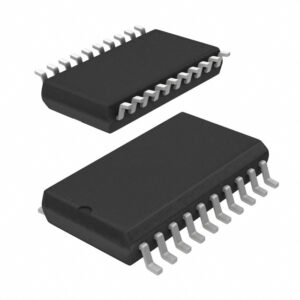
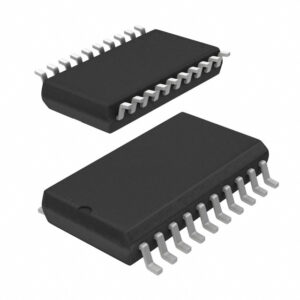
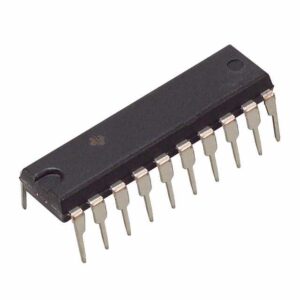
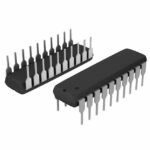 M74HC688B1R $0.46 | STMicroelectronics | IC COMPARATOR IDENTITY 8B 20DIP | Tube | 20-DIP | Through Hole | 74HC | -55°C ~ 125°C |
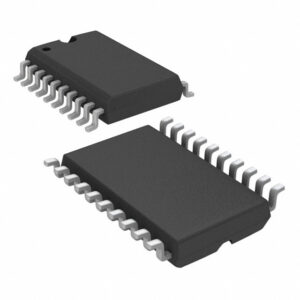
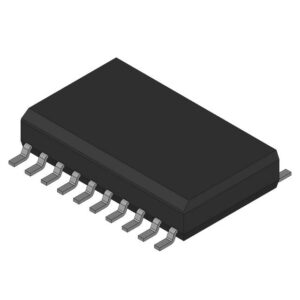
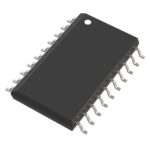 M74HC688RM13TR $0.18 | STMicroelectronics | IC COMPARATOR IDENTITY 8BIT 20SO | Tape & Reel (TR) | 20-SO | Surface Mount | 74HC | -55°C ~ 125°C |
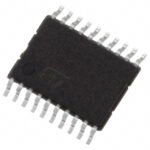 M74HC688TTR $0.37 | STMicroelectronics | IC COMPARATOR IDENTITY 20TSSOP | Tape & Reel (TR),Cut Tape (CT) | 20-TSSOP | Surface Mount | 74HC | -55°C ~ 125°C |
M74HC85B1R $0.14 | STMicroelectronics | IC COMPARATOR MAG 4BIT 16DIP | Tube | 16-DIP | Through Hole | 74HC | -55°C ~ 125°C |
| STMicroelectronics | IC COMPARATOR MAG 4BIT 16SO | Tape & Reel (TR),Cut Tape (CT) | 16-SO | Surface Mount | 74HC | -55°C ~ 125°C |
Learn how a thermostat in a heater works. Check hysteresis, reset mode, thermal placement and contact ratings before selecting a mechanical control.
Read More
Understand voltage controlled oscillator tuning, phase noise and PLL operation. Check supply noise, output loading and requirements before selection.
Read More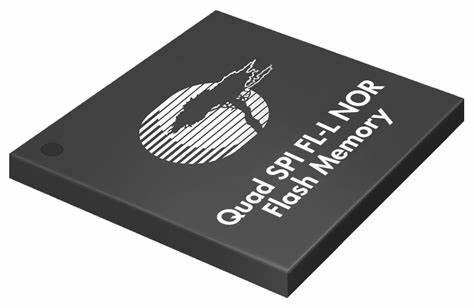
What Is NOR Flash? Why It Still Powers Critical Embedded Systems When your car’s engine control unit boots in milliseconds… When a medical device…
Read More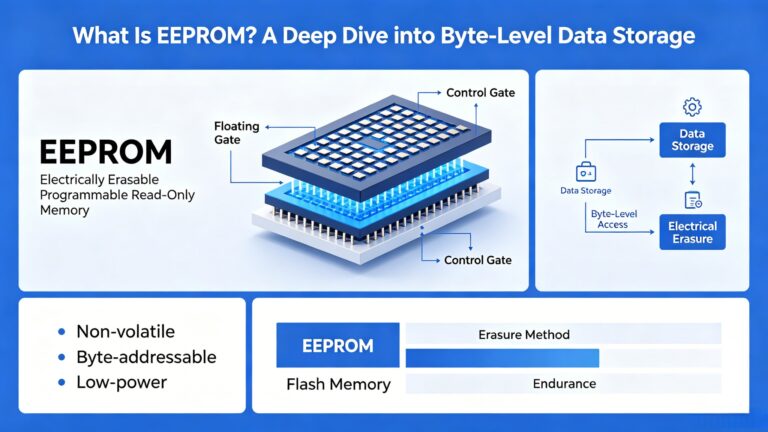
In the vast landscape of memory technology, EEPROM (Electrically Erasable Programmable Read-Only Memory) often plays the unsung hero. While NAND Flash grabs headlines for…
Read More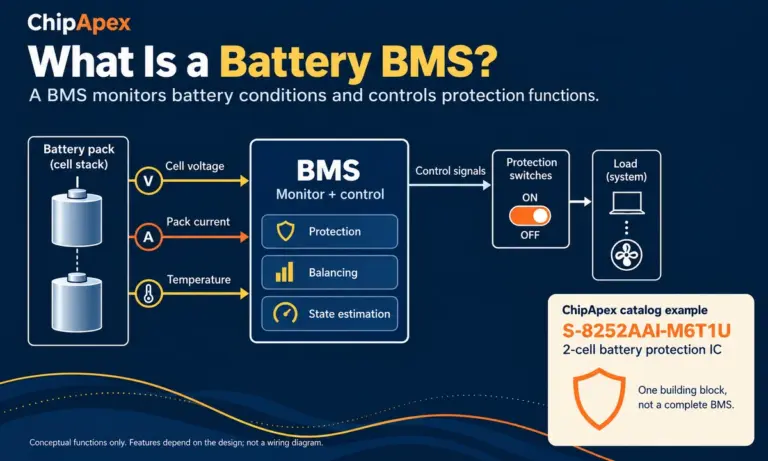
Learn what a battery BMS does, how protection differs from charging, and which pack specifications to check when sourcing BMS components through ChipApex.
Read More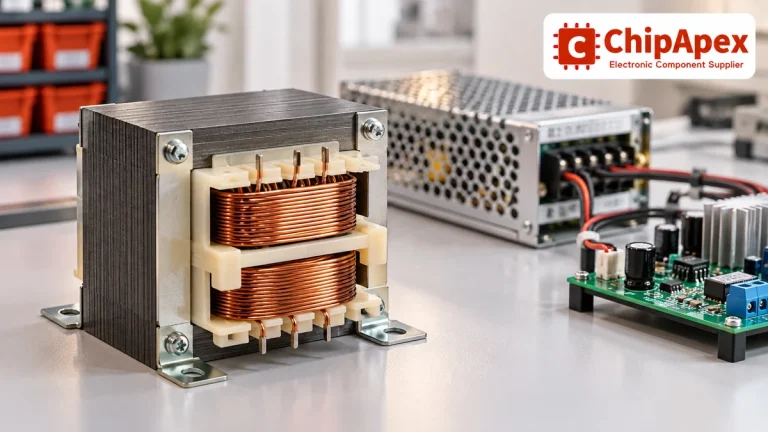
Select power transformers by input frequency, secondary VA, rectifier load, isolation, regulation and inrush. Build a clearer specification for your next RFQ.
Read More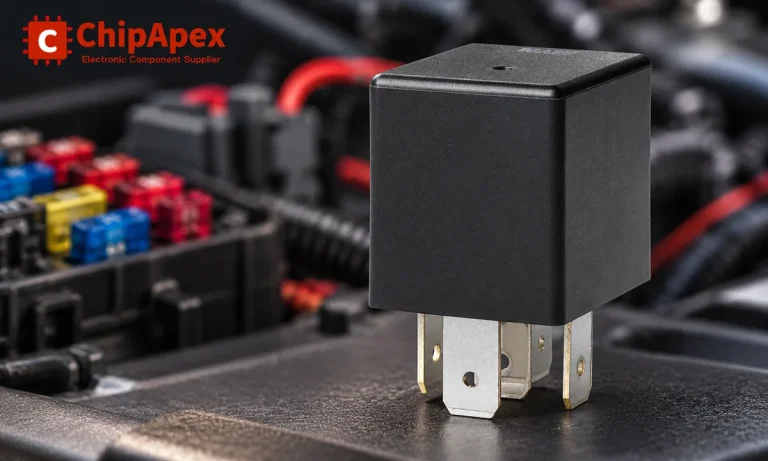
Learn the relay definition, coil and contact operation, NO and NC forms, load ratings and suppression choices. Compare mechanical, reed and solid-state types.
Read More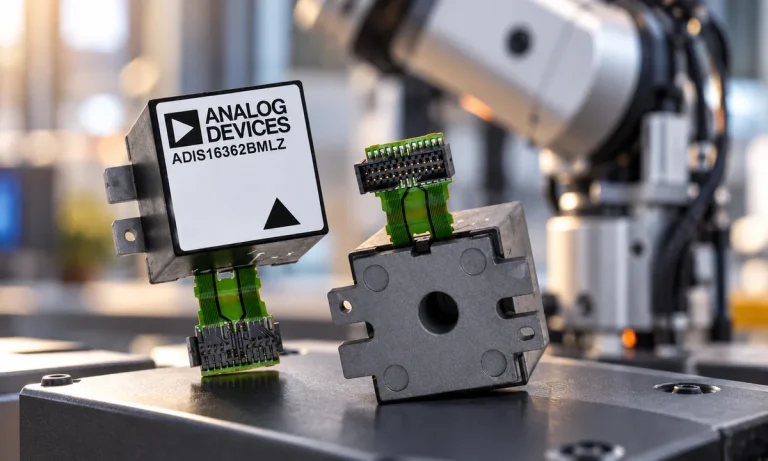
Learn what an IMU measures, how accelerometers and gyroscopes work together, why orientation estimates drift, and what to compare.
Read More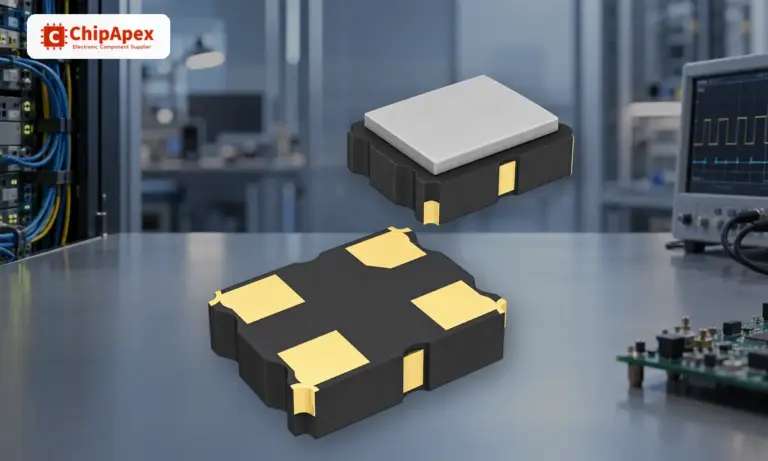
Understand how oscillators generate timing signals, how they differ from crystals, and which frequency, output and stability specs matter when choosing one.
Read More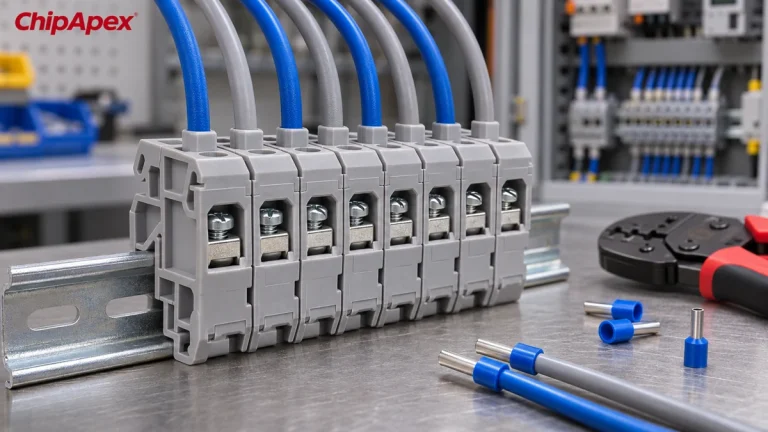
Compare screw and spring terminal blocks. Check conductor range, ferrules, strip length, torque, pitch and DIN rail accessories before completing the BOM.
Read More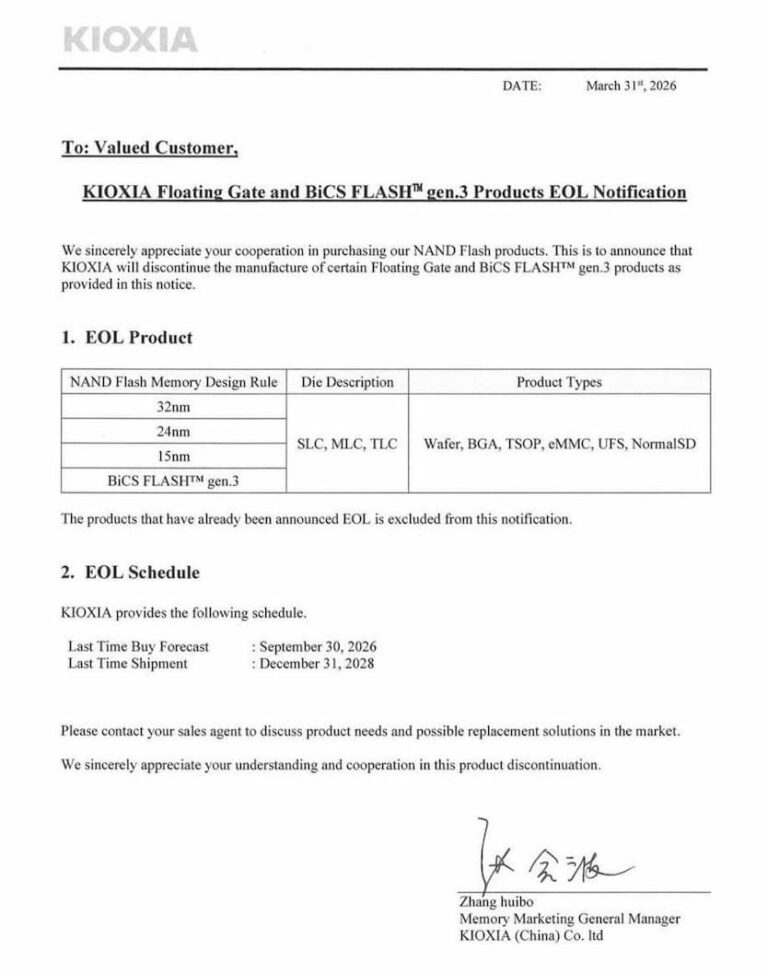
TOKYO, April 1, 2026 – Kioxia Corporation (formerly Toshiba Memory Corporation), a global leader in flash memory and storage solutions, has officially issued a…
Read More
Recently, the global electronic component market has witnessed a series of new developments. The strategic layouts and market collaborations of major enterprises are constantly…
Read More
The activity of extra discounts on wholesale prices is in full swing…
Please fill in your contact information and we will send you the latest wholesale price list.