 ChipApex | Global Electronic Components Supplier

SEARCH
Search Product
Search Post
Search productSearch post

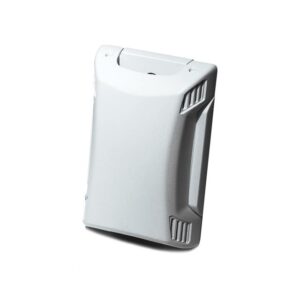
Sensor and transducer products facilitate the measurement or detection of physical processes and phenomena, often though not always by transforming them into an electrical signal of some format. Among others, products are available for the measurement of color, fluid level or flow, gas concentration, image detection, magnetic field, linear acceleration or rotation, vibration, light intensity, object presence, distance, temperature, mechanical strain, and others.
| Select products | Mfr | Description | Package | Supplier Device Package | Mounting Type | Series | Operating Temperature |
|---|---|---|---|---|---|---|---|
 ICU-10201-PC $8.66 | TDK-Lambda | TOF CHIRP TIME OF FLIGHT SENSOR | Tape & Reel (TR) | - | - |
TCUT1600X01_AView Product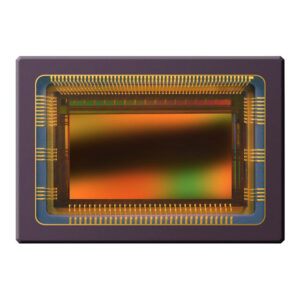 CMV2000-2E12M1PPView Product060-9189-02TJGView Product
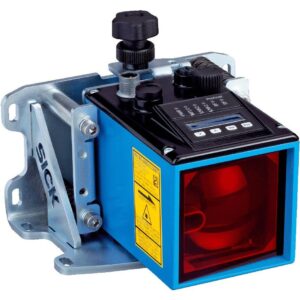 1052692View Product
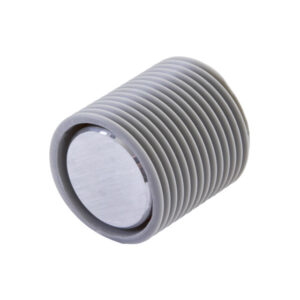 MB7062-610View Product
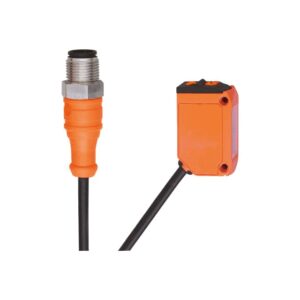 O6T201View ProductG-NSDOG2-003 W/CAL CERT G-NSMIS-005View Product
 A/1K-NI-R2-RJ6View ProductAEDR-9930E2-102View Product
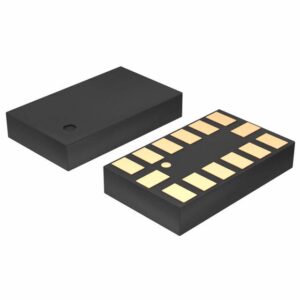 LIS352AXView Product08330000500View ProductNS05C220J5-151DView Product

TOKYO, July 31, 2026 — Renesas Electronics Corporation has officially announced a major domestic manufacturing restructuring, confirming plans to gradually discontinue all wafer fabrication…
Read More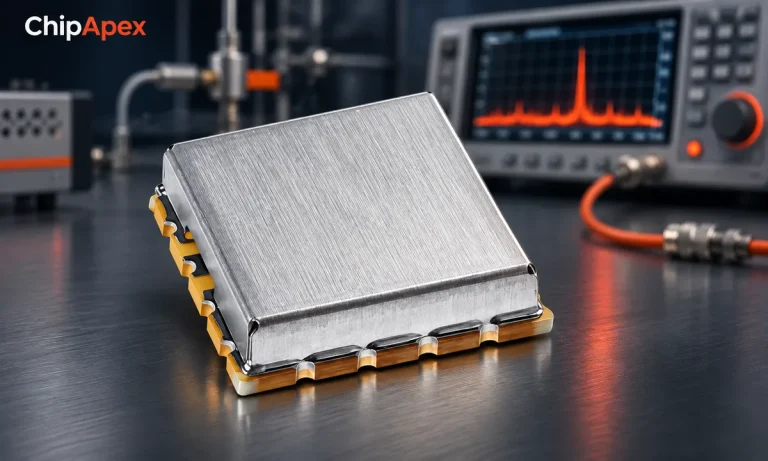
Understand voltage controlled oscillator tuning, phase noise and PLL operation. Check supply noise, output loading and requirements before selection.
Read More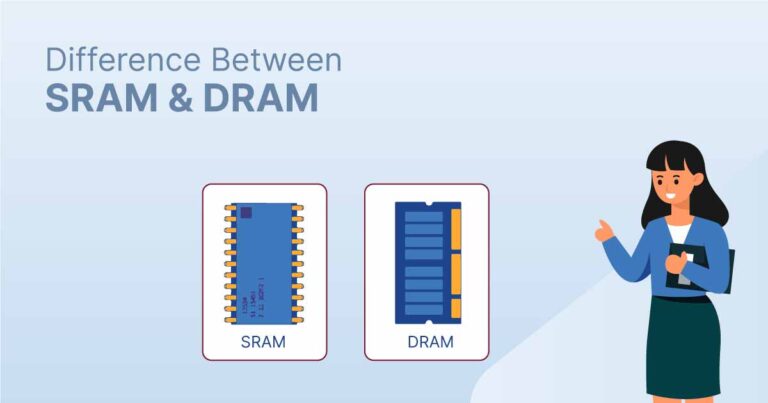
In an era dominated by AI accelerators with terabytes of HBM memory and consumer devices racing toward LPDDR5X bandwidth, it’s easy to wonder: why…
Read More
Compare RC, crystal and MEMS oscillator circuits. Check ppm, jitter, load capacitance, startup margin and output compatibility before choosing a clock source.
Read More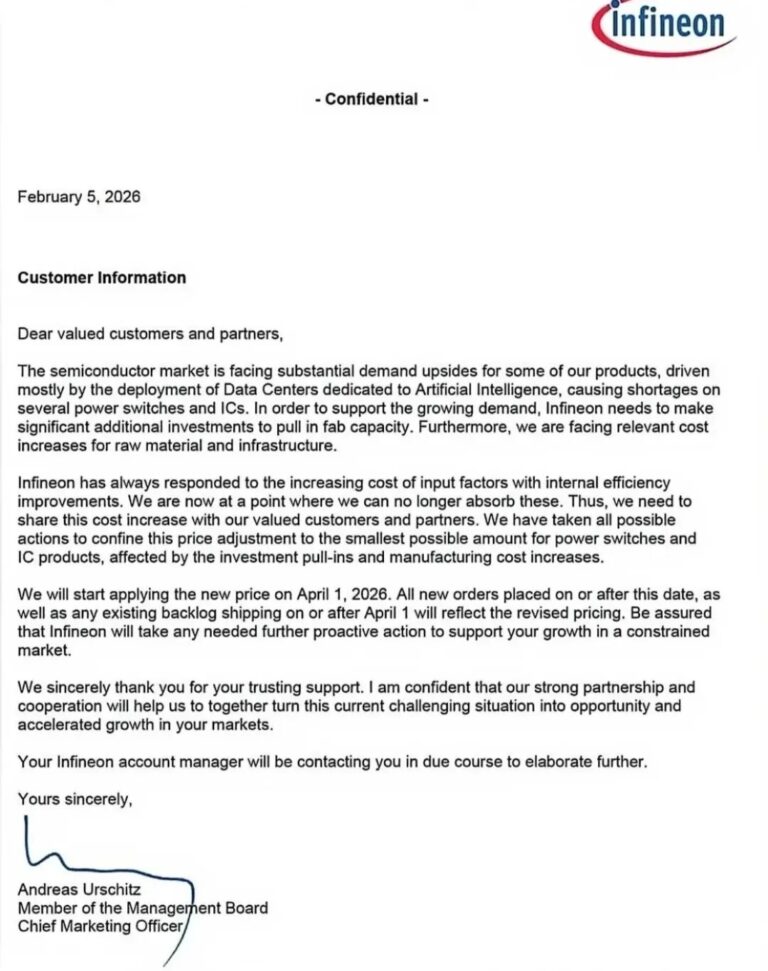
Munich, Germany – February 8, 2026 — Infineon Technologies, the German semiconductor giant, officially issued a price increase notice on February 5, announcing that…
Read More
Select a DC-DC converter by input range, topology, isolation and temperature. Compare ripple, efficiency and load limits before choosing a component.
Read More
Understand UART protocol framing, baud rate and electrical interfaces. Learn 8N1 timing, TX/RX wiring, buffering and practical troubleshooting steps.
Read More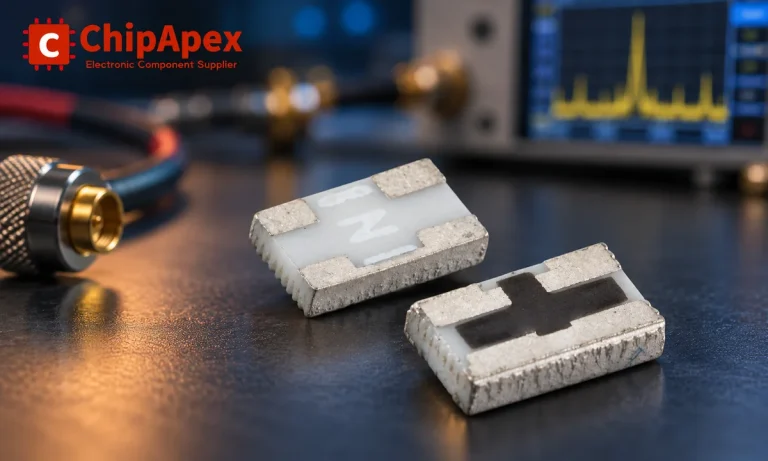
Understand RF attenuator dB values, fixed and programmable types, impedance, power limits and noise tradeoffs before choosing parts for an RF signal path.
Read More
What Is NAND Flash? A Practical Guide for Engineers & Procurement Teams In today’s data-driven world—from smartphones and SSDs to industrial IoT devices—NAND flash…
Read More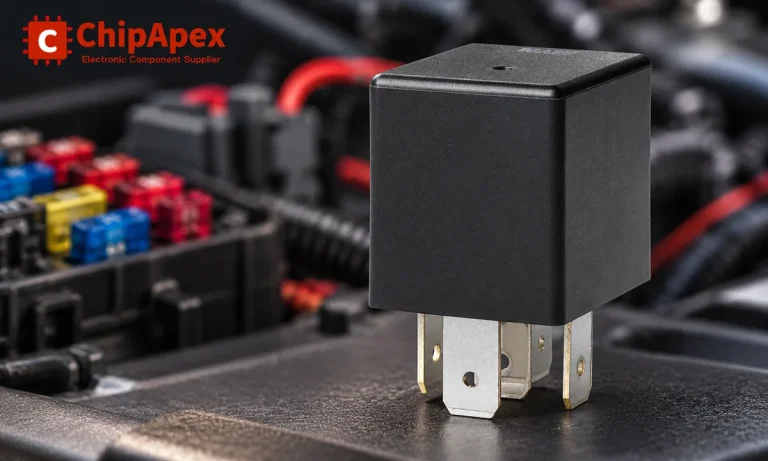
Learn the relay definition, coil and contact operation, NO and NC forms, load ratings and suppression choices. Compare mechanical, reed and solid-state types.
Read More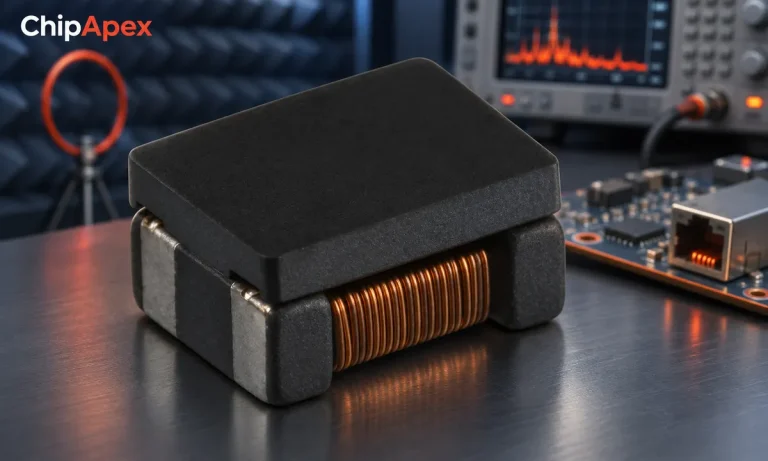
Select a common mode choke using noise frequency, current, insulation and signal integrity. Understand impedance curves, layout and filter limitations.
Read More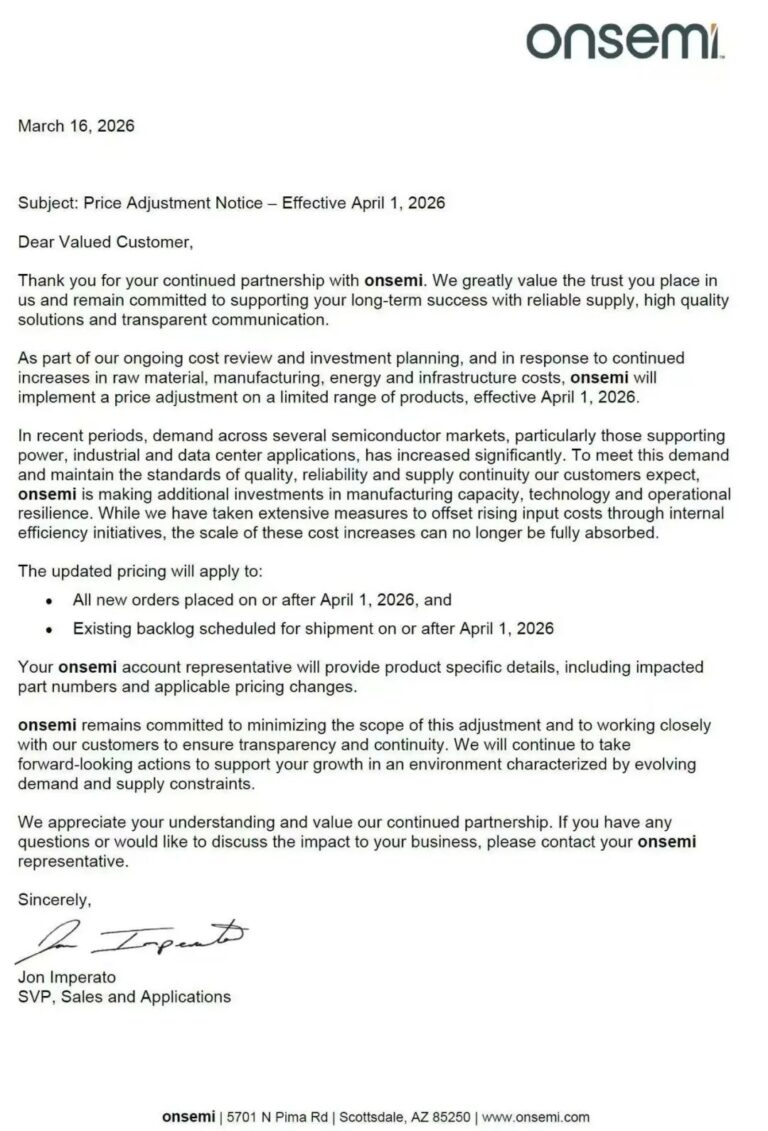
ON Semiconductor (onsemi), a global leader in intelligent power and sensing technologies, has announced plans to implement price adjustments for select product lines, effective…
Read More
The activity of extra discounts on wholesale prices is in full swing…
Please fill in your contact information and we will send you the latest wholesale price list.

