 ChipApex | Global Electronic Components Supplier

SEARCH
Search Product
Search Post
Search productSearch post
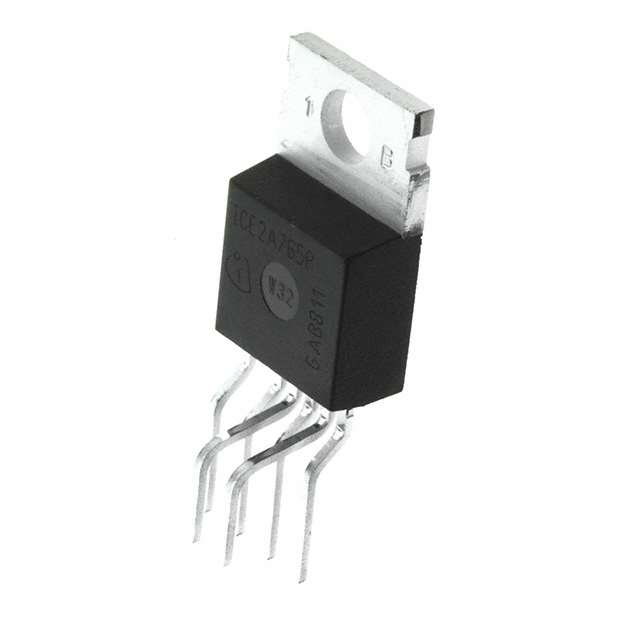
Power Management Integrated Circuits (PMICs) are multi-functional chips that manage the flow of electrical power within an electronic device. They combine several power management functions into a single, compact package, simplifying circuit design and reducing board space. Included in this category is PMICs for AC/DC Converters, Gate Drivers, Power Supply Controllers, Supervisors, and more! The key features and benefits of PMICs include: Multiple Integrated Functions: Can perform a variety of tasks such as voltage regulation, battery charging and management, load switching, and power sequencing, eliminating the need for multiple discrete components. Improved Efficiency: Optimize power conversion and reduce overall system power consumption, leading to extended battery life in portable devices and lower operating costs. Space Saving Design: Reduce board size and complexity by integrating multiple functions into a single chip, making them ideal for space-constrained applications. Enhanced System Stability: Provide features like power sequencing and inrush current limiting to ensure stable operation and protect sensitive electronic components. Simplified Design: Reduce design complexity by offering pre-defined configurations and programmable features, allowing engineers to focus on core functionalities of their devices. PMICs are widely used in a variety of electronic devices, including smartphones, laptops, tablets, wearables, portable medical devices, internet of things (IoT) devices, and industrial control systems. Their ability to efficiently manage power, save space, and simplify design makes them a critical component for modern electronics.
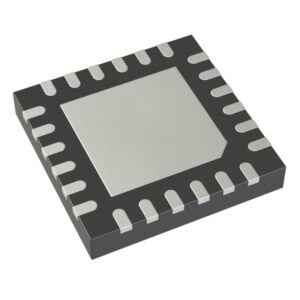 MAX3946ETG+TView Product
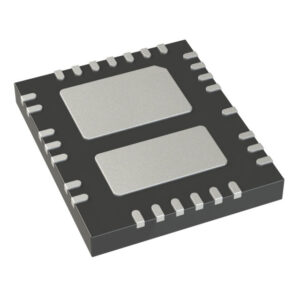 LT3954IUHE#TRPBFView Product
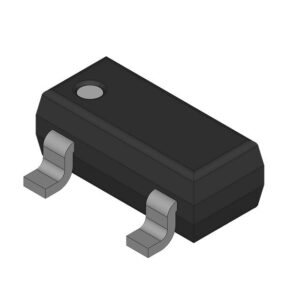 LM4040B41IDBZRView Product
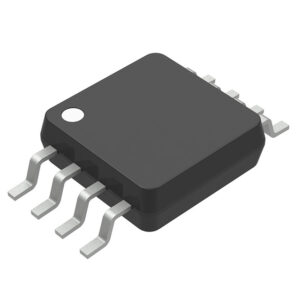 LP2975AIMMX-5.0View Product
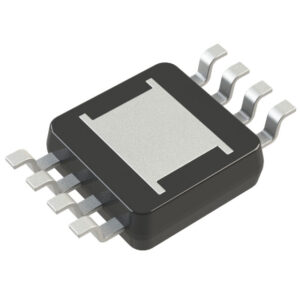 LT1965EMS8E-2.5#PBFView Product
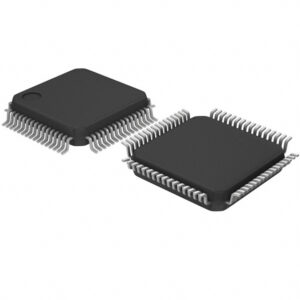 MAX71313LECB+TView Product
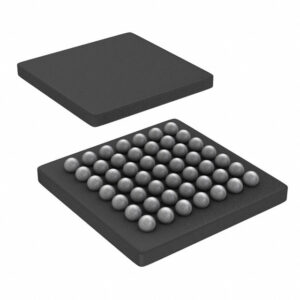 BQ24165YFFTView Product
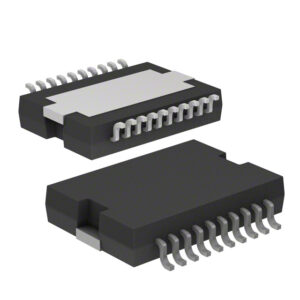 BTS840S2View Product
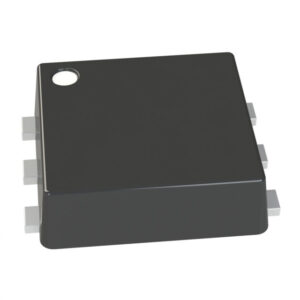 S-8230AAG-I6T1UView Product
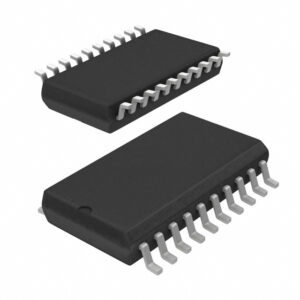 HIP4080AIBZTView Product
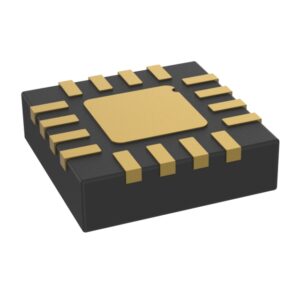 MIC2811-4GJLYML-TRView Product
 SI3459A-B02-IMView Product
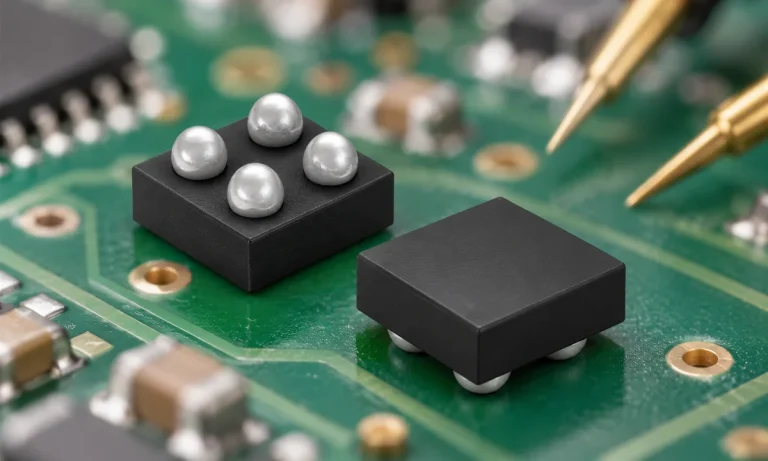
Understand how a comparator switches at a voltage threshold, why hysteresis prevents chatter, and which output and input specs matter.
Read More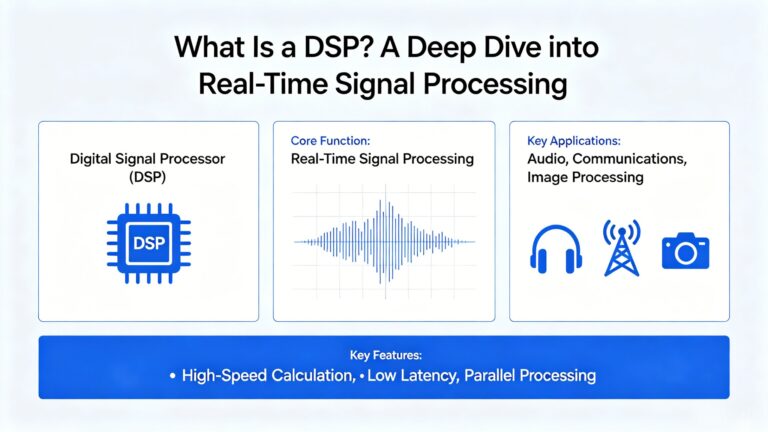
In the embedded world, general-purpose CPUs are great at running operating systems, and MCUs excel at logic control. But when you need to process…
Read More
Choose an ADC converter by resolution, sample rate, noise and input design. Review practical tradeoffs and prepare component requirements for ChipApex.
Read More
Recently, global semiconductor manufacturers have been constantly making moves in aspects such as technological cooperation, product manufacturing processes, and market layout, demonstrating the rapid…
Read More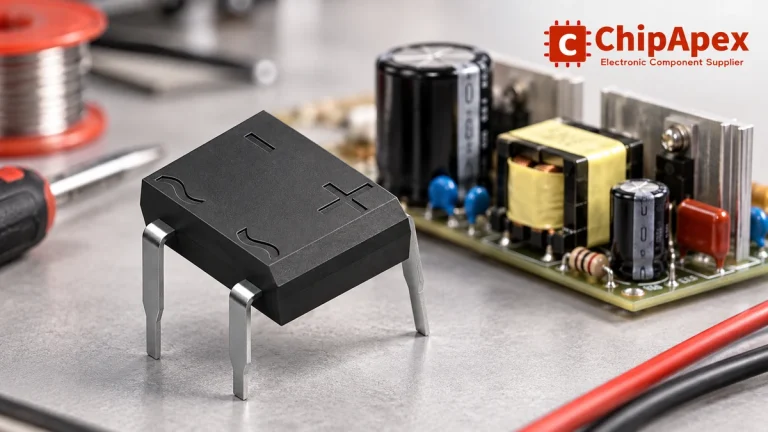
Select a bridge rectifier by reverse voltage, capacitor charging current, startup surge and cooling. Work through a stated DC voltage and ripple example.
Read More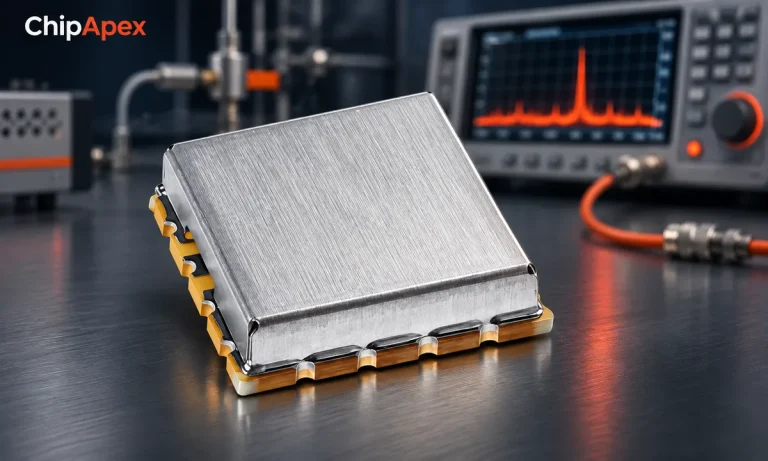
Understand voltage controlled oscillator tuning, phase noise and PLL operation. Check supply noise, output loading and requirements before selection.
Read More
As 2025 draws to a close, the global semiconductor industry stands at a crossroads. Intertwined with escalating geopolitical tensions, supply chain disruptions, and groundbreaking…
Read More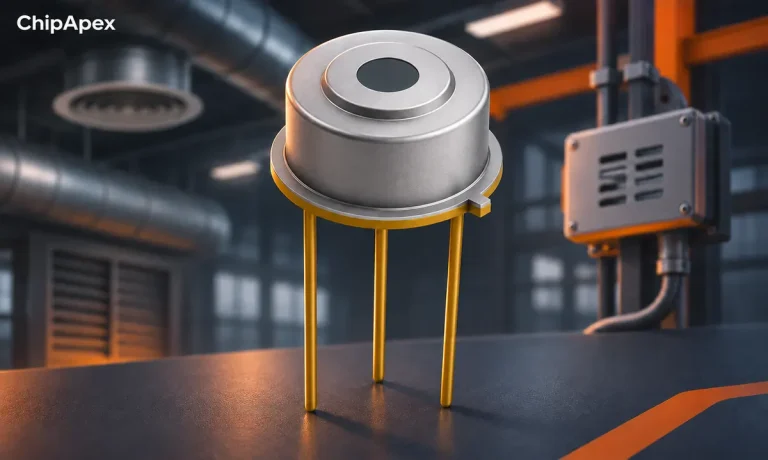
Compare gas sensor technologies, cross-sensitivity and calibration needs. Define the gas, range and environment before choosing a sensing component.
Read More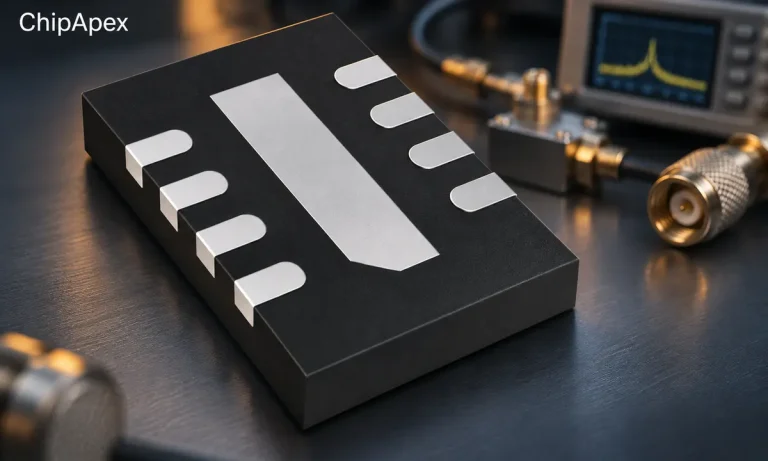
Understand RF detector response, dynamic range and calibration. Compare envelope, logarithmic and RMS behavior before choosing a measurement component.
Read More
The global memory market is entering an unprecedented supply-constrained phase as soaring demand from artificial intelligence (AI) infrastructure collides with strategic capacity reallocations by…
Read More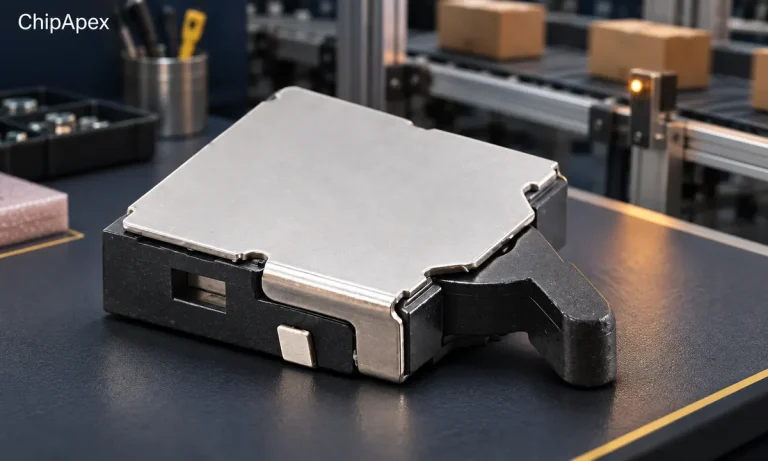
Choose a limit switch by actuator, travel, contact ratings and environment. Understand pretravel, overtravel and practical checks for machine integration.
Read More
Understand UART protocol framing, baud rate and electrical interfaces. Learn 8N1 timing, TX/RX wiring, buffering and practical troubleshooting steps.
Read More
The activity of extra discounts on wholesale prices is in full swing…
Please fill in your contact information and we will send you the latest wholesale price list.

