 ChipApex | Global Electronic Components Supplier

SEARCH
Search Product
Search Post
Search productSearch post
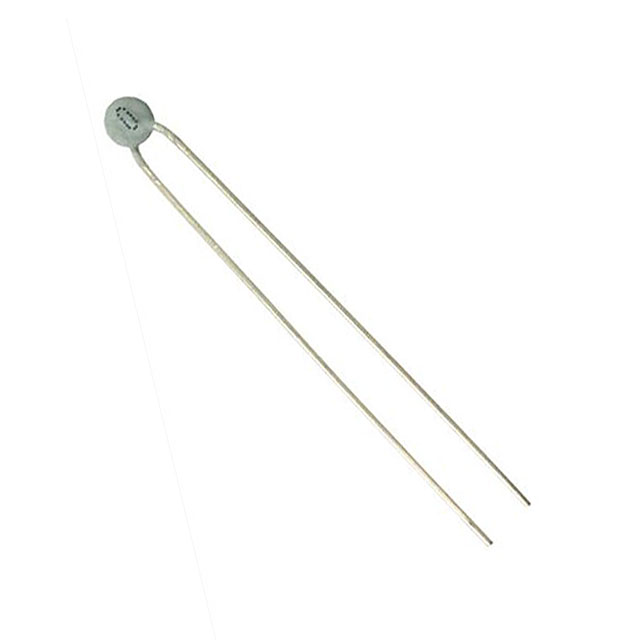
Positive Temperature Coefficient (PTC) thermistor temperature sensors are devices that exhibit an increase in resistance in response to an increase in temperature. Thermistors produce an output signal that is relatively large and easy to measure compared to many other temperature sensor types, though their characteristics tend to be less stable and less suitable for precise temperature measurements. PTC thermistors in particular are often adapted for over-temperature detection applications, and often exhibit a distinctly nonlinear temperature-resistance relationship that makes them useful for detection of an imprecise \"high\" temperature condition, though poor for making accurate measurements.
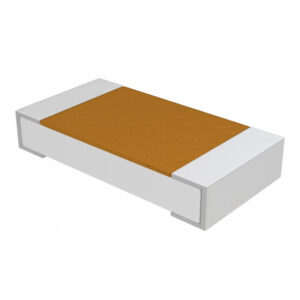 PTFT1206L0220JVView ProductTFPT1206L2201JVView Product
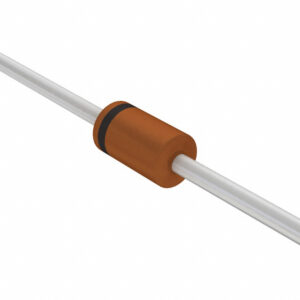 KTY83/122,153View Product
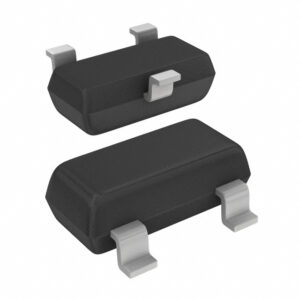 KTY82/120/DG/B2,21View Product
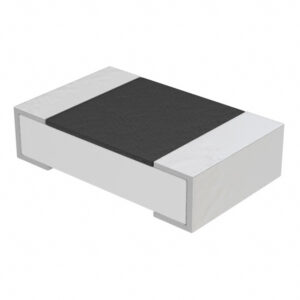 PTFT0805L6800JWView Product
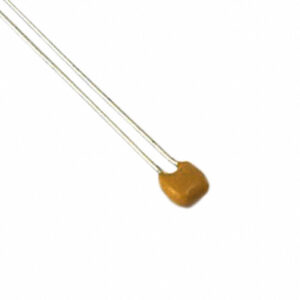 TFPTL15L2201JL2BView Product
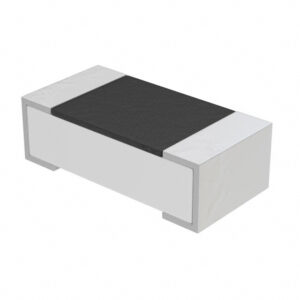 PTFT0603L4700JVView ProductTFPT1206L3301FMView Product
 B59084G1120A161View Product
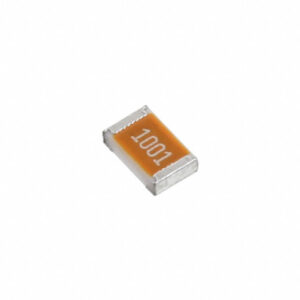 TFPT0805L1200JVView Product
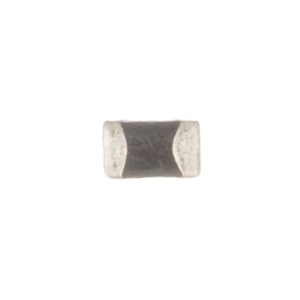 PT08R472P60View Product
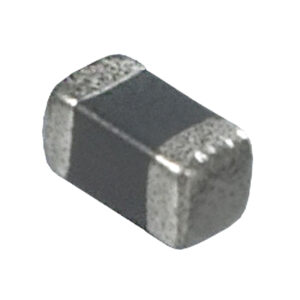 PRF18BB471RS5RBView Product

Vishay Intertechnology, Inc., a global leader in discrete semiconductors and passive electronic components, has officially announced a price adjustment for its Metal-Oxide-Semiconductor Field-Effect Transistors…
Read More
In the world of embedded electronics, getting a device to "think" is only half the battle. The other half is getting it to communicate…
Read More
Munich, Germany – May 26, 2026 – Power semiconductor and automotive chip giant Infineon Technologies AG has formally notified customers worldwide of a second…
Read More
Stay ahead with ChipApex Insights — technical deep dives, market trends, and sourcing tips for memory, microcontrollers, power management, and industrial-grade components. Trusted by…
Read More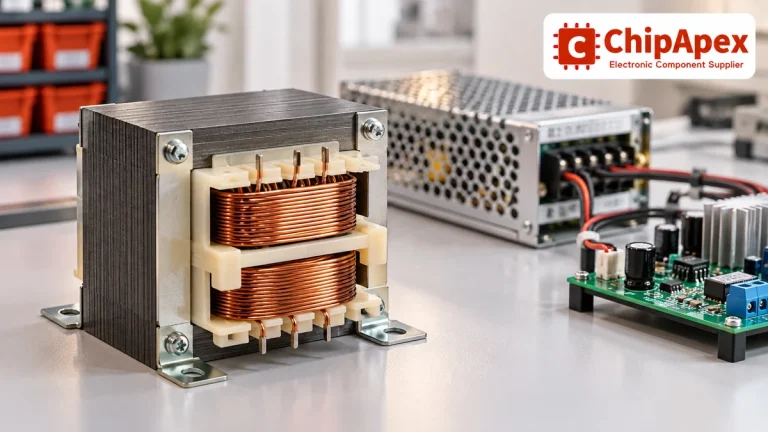
Select power transformers by input frequency, secondary VA, rectifier load, isolation, regulation and inrush. Build a clearer specification for your next RFQ.
Read More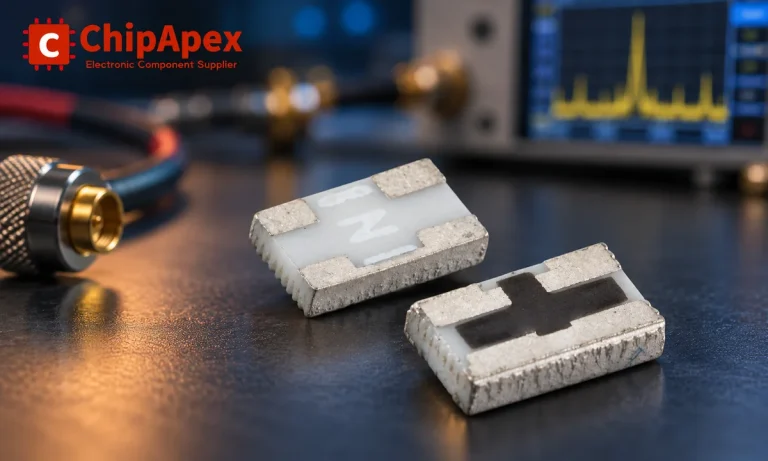
Understand RF attenuator dB values, fixed and programmable types, impedance, power limits and noise tradeoffs before choosing parts for an RF signal path.
Read More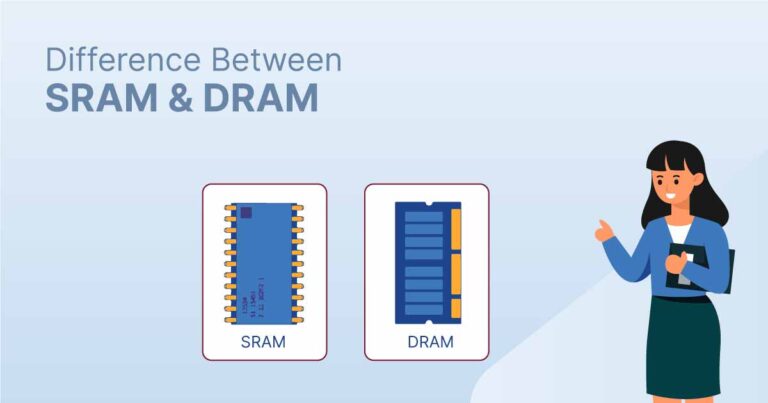
In an era dominated by AI accelerators with terabytes of HBM memory and consumer devices racing toward LPDDR5X bandwidth, it’s easy to wonder: why…
Read More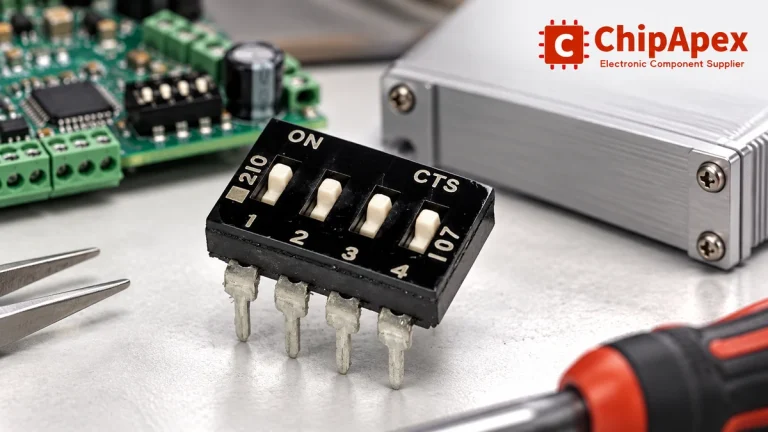
Choose a DIP switch by contact type, coded positions, footprint and signal ratings. Check logic polarity, assembly conditions and PCB configuration behavior.
Read MoreA digital-to-analog converter (DAC) turns a digital number into an analog voltage or current. It lets a controller set a physical output, such as…
Read More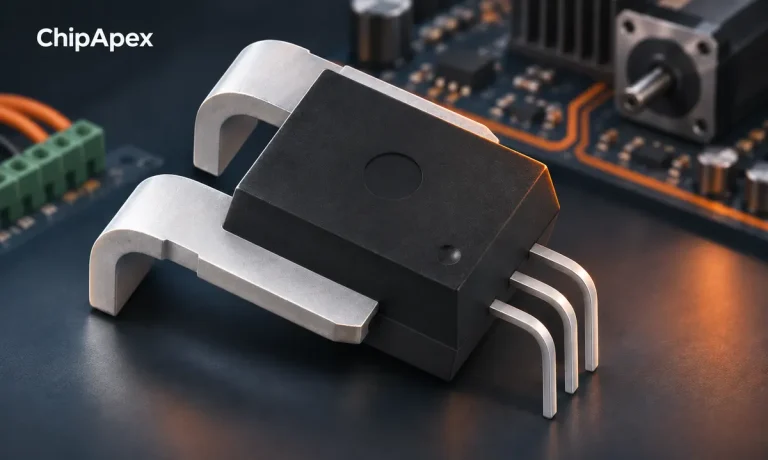
Compare Hall, shunt, current transformer and Rogowski sensing. Check AC/DC capability, accuracy, isolation, heat and response before selecting a sensor.
Read More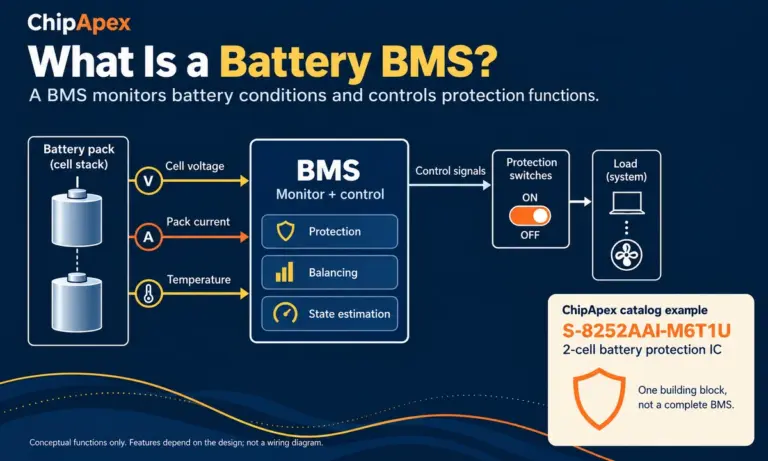
Learn what a battery BMS does, how protection differs from charging, and which pack specifications to check when sourcing BMS components through ChipApex.
Read More
Tokyo / Munich / Tessenderlo, December 24, 2025 As the global semiconductor industry enters the first year of the 2nm process era, international electronic…
Read More
The activity of extra discounts on wholesale prices is in full swing…
Please fill in your contact information and we will send you the latest wholesale price list.

