ChipApex | Global Electronic Components Supplier

SEARCH
Search Product
Search Post
Search productSearch post
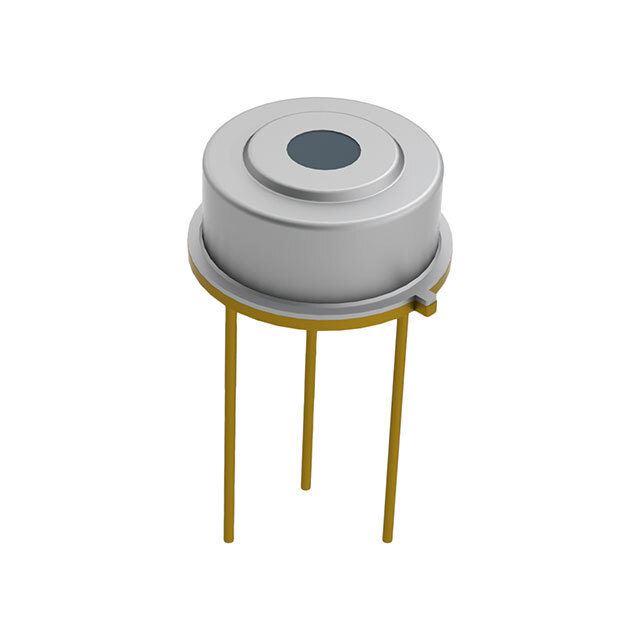
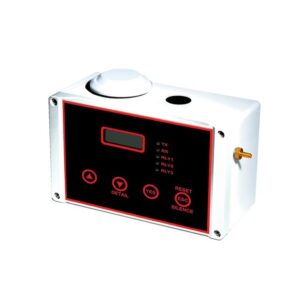
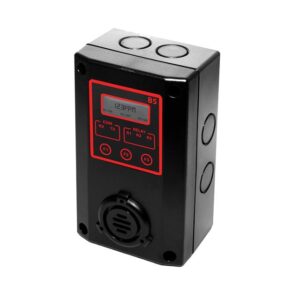
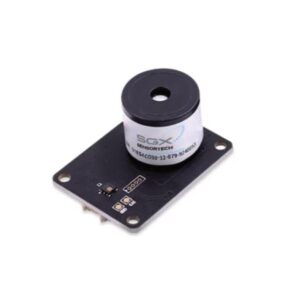
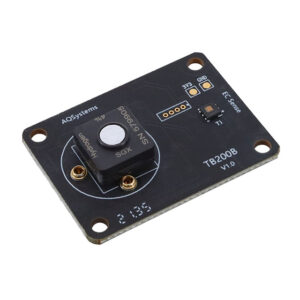
Gas Sensors are designed to detect and respond to the presence or a change in the concentration of a gas. They are characterized by the type of gas being detected. Examples include: acetylene, alcohol, benzine, butane, ammonia, carbon dioxide, carbon monoxide, hydrocarbons, hydrogen, hydrogen sulfide, methane, natural gas, nitrogen dioxide, oxygen, ozone, propane, and sulfur dioxide.
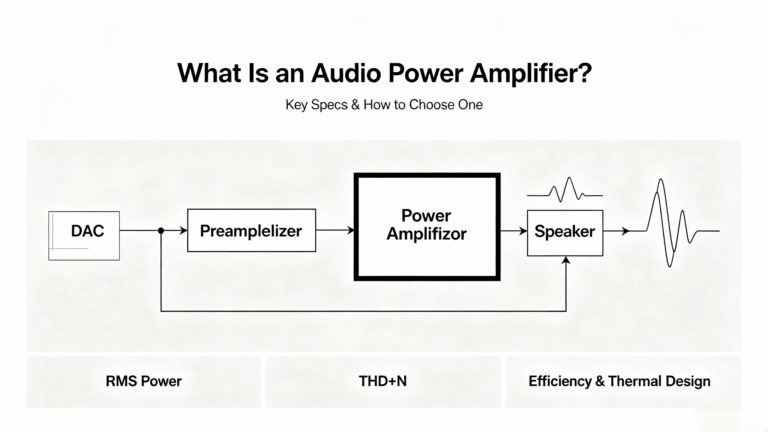
Every audio power amplifier design starts with the same fundamental challenge: converting a low-voltage line-level signal into the high-current drive required by a reactive…
Read More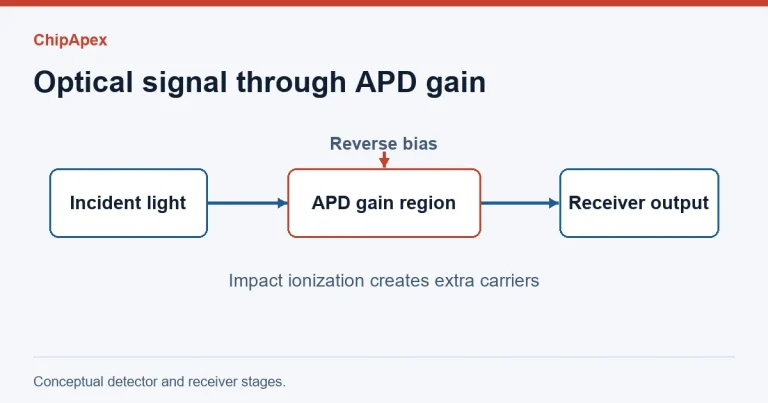
See how avalanche photodiodes multiply photocurrent and compare APD and PIN detectors by gain, noise, bias, bandwidth and operating temperature.
Read More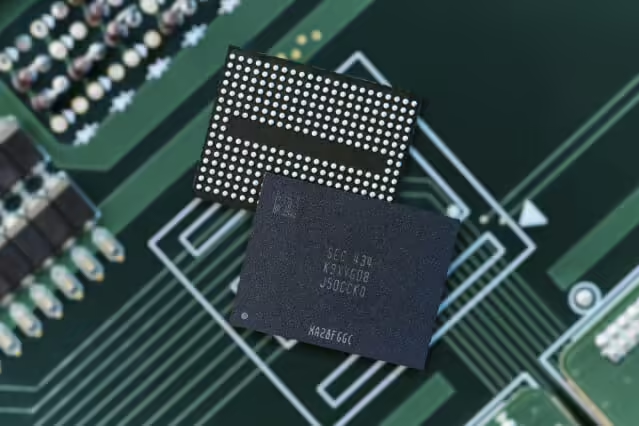
Recently, the global electronic component market has witnessed complex and changeable trends. In the memory chip sector, the wave of price increases continues to…
Read More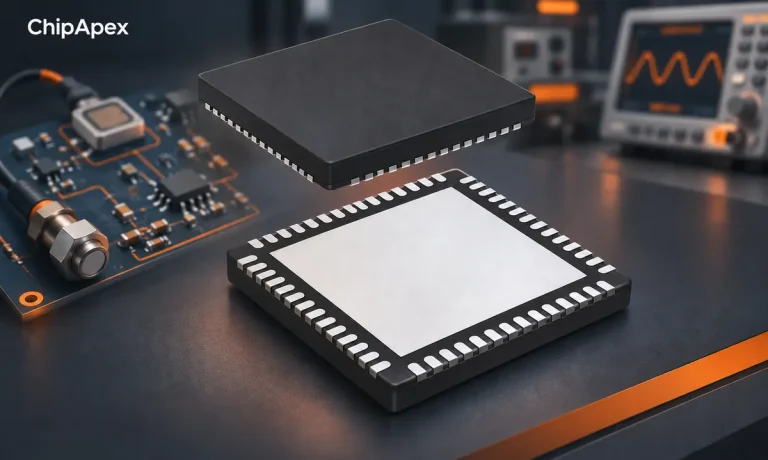
Learn how an analog front end conditions sensor signals. Compare gain, noise, filtering, ADC settling and integration options before selecting components.
Read More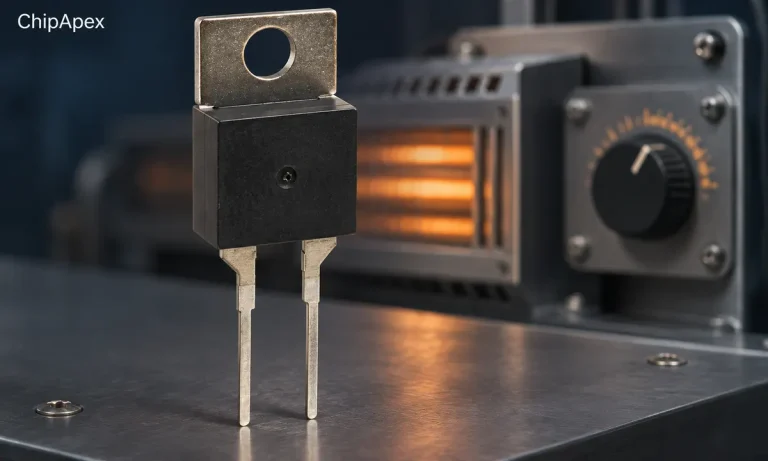
Learn how a thermostat in a heater works. Check hysteresis, reset mode, thermal placement and contact ratings before selecting a mechanical control.
Read More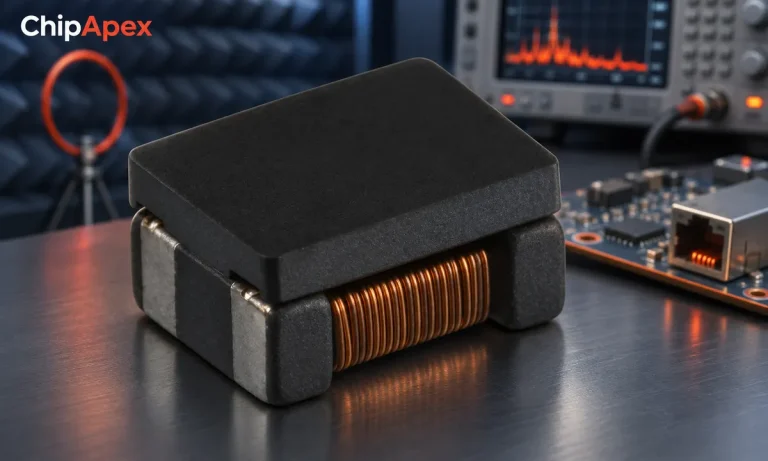
Select a common mode choke using noise frequency, current, insulation and signal integrity. Understand impedance curves, layout and filter limitations.
Read More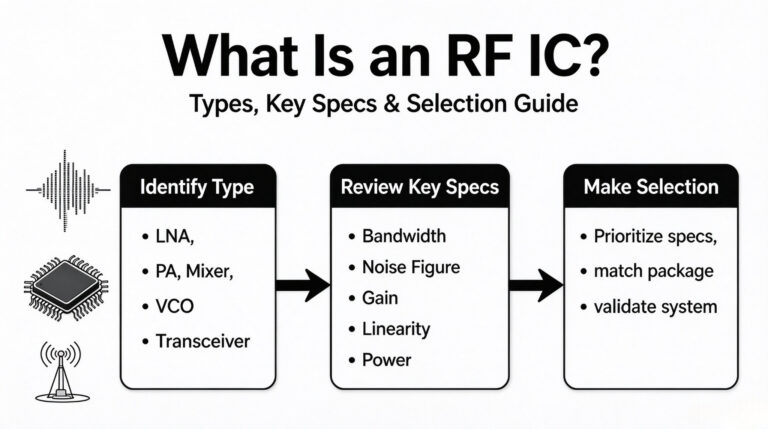
An RF IC, or radio-frequency integrated circuit, is a chip that processes wireless signals between the antenna and the baseband processor. Instead of building…
Read More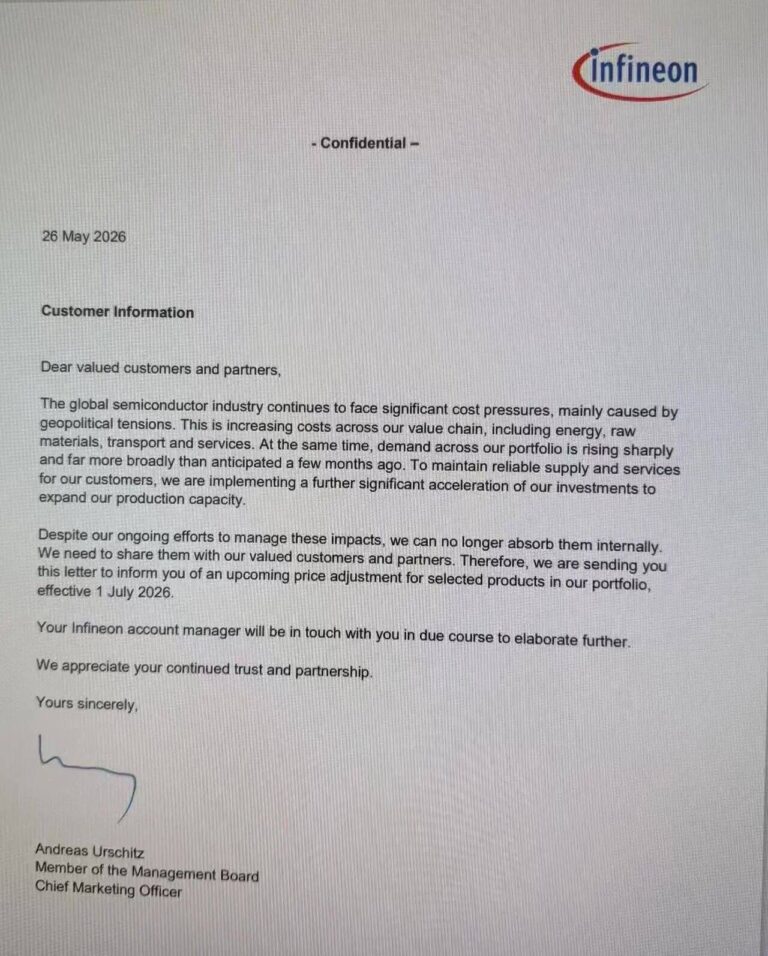
Munich, Germany – May 26, 2026 – Power semiconductor and automotive chip giant Infineon Technologies AG has formally notified customers worldwide of a second…
Read More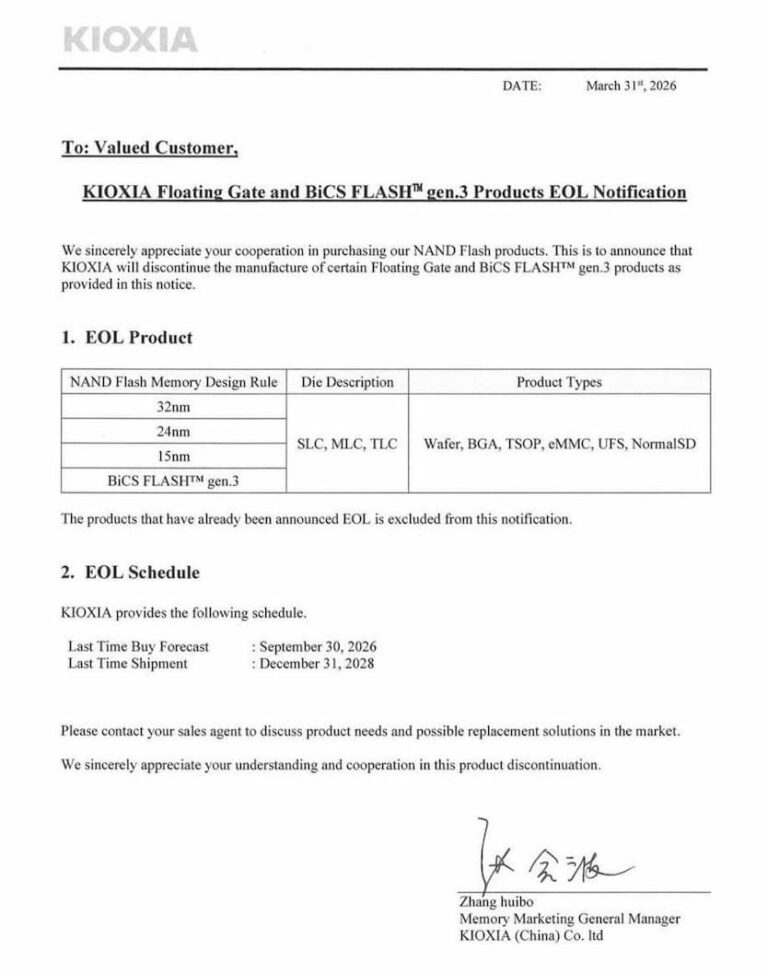
TOKYO, April 1, 2026 – Kioxia Corporation (formerly Toshiba Memory Corporation), a global leader in flash memory and storage solutions, has officially issued a…
Read More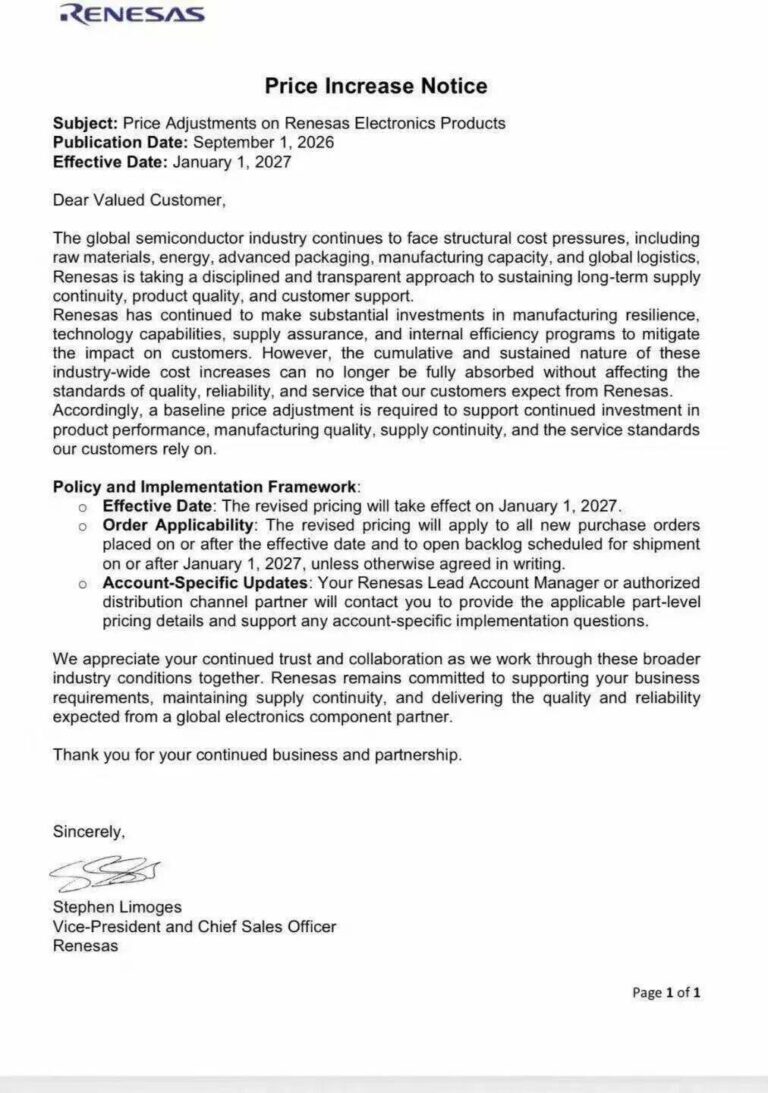
TOKYO — Global leading semiconductor and power electronic components manufacturer Renesas Electronics officially issued a new price adjustment notice in early September 2026, confirming…
Read More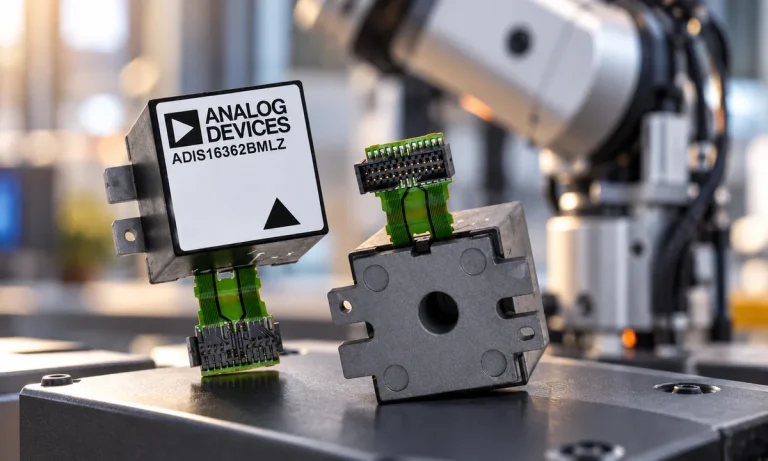
Learn what an IMU measures, how accelerometers and gyroscopes work together, why orientation estimates drift, and what to compare.
Read More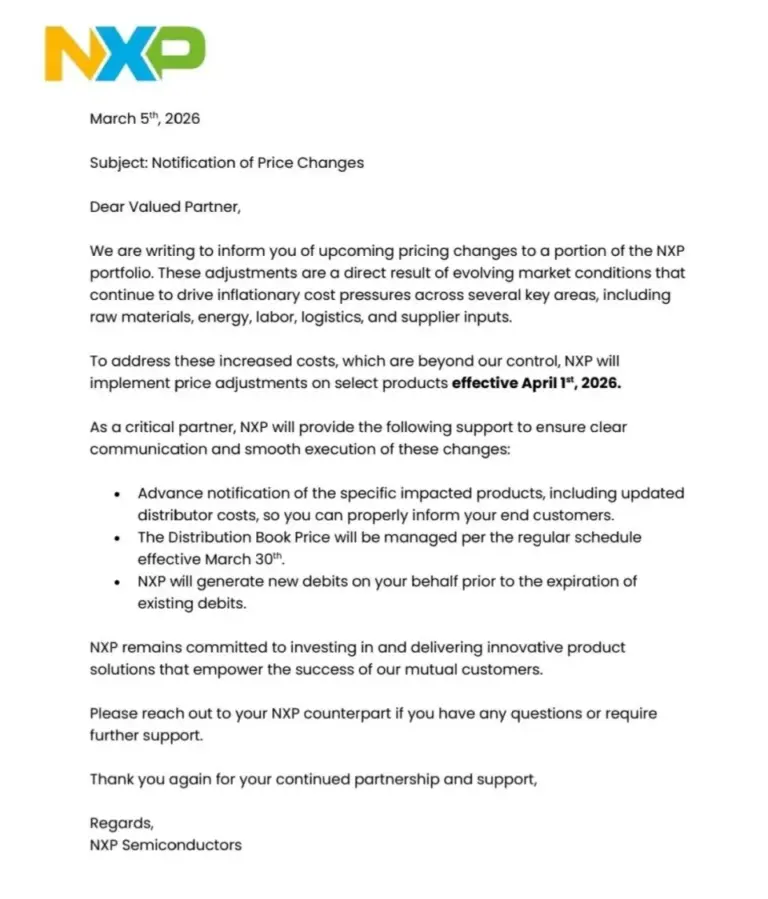
NXP Semiconductors (NASDAQ: NXPI), a global leader in automotive, industrial, and IoT semiconductors, has officially notified customers of an upcoming price adjustment for select…
Read More
The activity of extra discounts on wholesale prices is in full swing…
Please fill in your contact information and we will send you the latest wholesale price list.