 ChipApex | Global Electronic Components Supplier

SEARCH
Search Product
Search Post
— IC芯片 | 连接器 | 传感器 | 被动器件 —
Search productSearch post
— IC芯片 | 连接器 | 传感器 | 被动器件 —
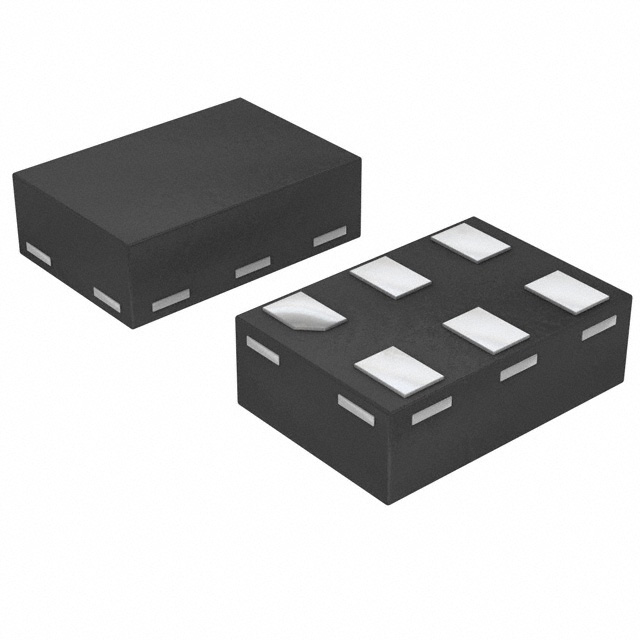
Logic buffers, drivers, receivers and transceivers allow isolated access to logic signals from one circuit for use in another circuit. Buffers pass their input signal, either unchanged or inverted, to their output and may be used to clean up a weak signal or drive a load. In a boolean logic simulator, a buffer is mainly used to increase propagation delay. Logic receivers and transceivers allow isolated communication between data buses.
| Select products | Mfr | Description | Package | Supplier Device Package | Mounting Type | Series | Operating Temperature |
|---|---|---|---|---|---|---|---|
 SN74LS07DRE4 $0.50 | Texas Instruments | IC BUF NON-INVERT 5.25V 14SOIC | Tape & Reel (TR),Cut Tape (CT) | 14-SOIC | Surface Mount | 74LS | 0°C ~ 70°C (TA) |
 SN74LS07N $0.63 | Texas Instruments | IC BUF NON-INVERT 5.25V 14DIP | Bulk,Tube | 14-PDIP | Through Hole | 74LS | 0°C ~ 70°C (TA) |
 SN74LS07NS $0.71 | Texas Instruments | IC BUFFER NON-INVERT 5.25V 14SOP | Tube | 14-SO | Surface Mount | 74LS | 0°C ~ 70°C (TA) |
SN74LS07NSR $0.97 | Texas Instruments | IC BUF NON-INVERT 5.25V 14SOP | Tape & Reel (TR),Cut Tape (CT) | 14-SO | Surface Mount | 74LS | 0°C ~ 70°C (TA) |
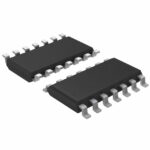 SN74LS125AD $0.77 | Texas Instruments | IC BUF NON-INVERT 5.25V 14SOIC | Tube | 14-SOIC | Surface Mount | 74LS | 0°C ~ 70°C (TA) |
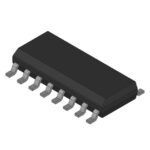 SN74LS125AD $0.37 | onsemi | IC BUFF NON-INVERT 5.25V 14SOIC | Tube | 14-SOIC | Surface Mount | 74LS | 0°C ~ 70°C (TA) |
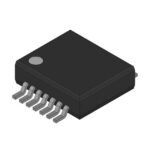 SN74LS125ADB $0.35 | Texas Instruments | IC BUFF NON-INVERT 5.25V 14SSOP | Bulk | 14-SSOP | Surface Mount | 74LS | 0°C ~ 70°C (TA) |
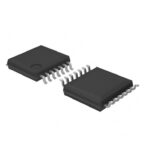 SN74LS125ADBR $0.87 | Texas Instruments | IC BUF NON-INVERT 5.25V 14SSOP | Tape & Reel (TR),Cut Tape (CT) | 14-SSOP | Surface Mount | 74LS | 0°C ~ 70°C (TA) |
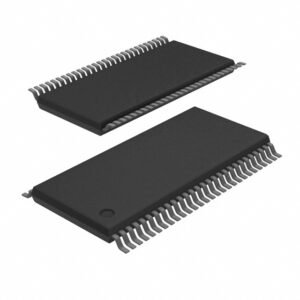 SN74ABT16827DLRView Product
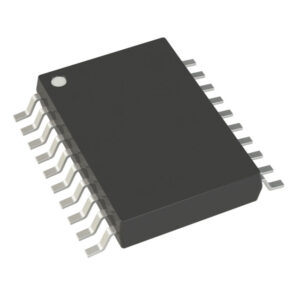 74ABT2241PW,118View Product
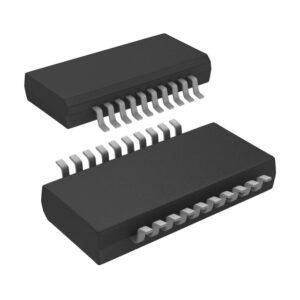 CY74FCT2245CTQCTView Product
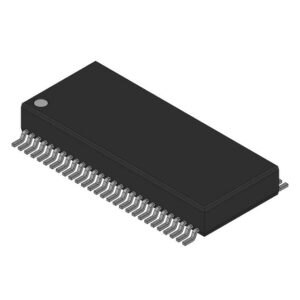 SN74ALVC16721DLView Product
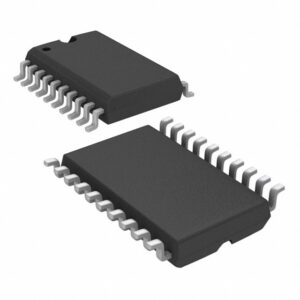 SN74AC240DWView Product
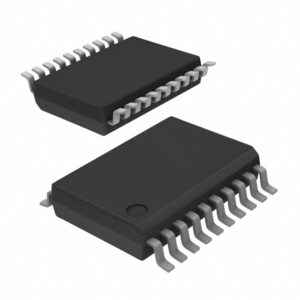 74LVTH244MSAXView Product
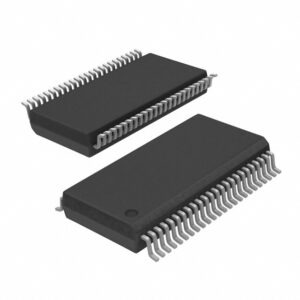 SN74AHC16240DLView Product
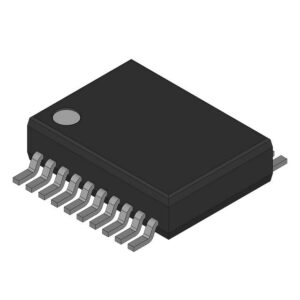 74LVTH240MSAXView Product
 SN54LS241JView Product
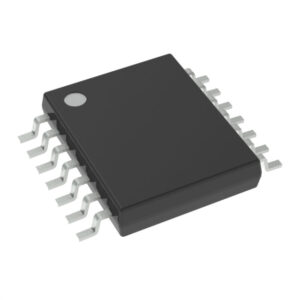 SN74LVTH125PWG4View Product
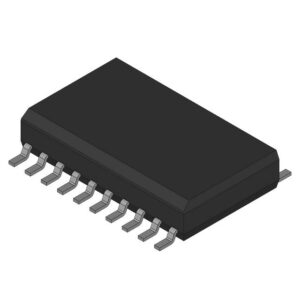 SN64BCT240DWView Product
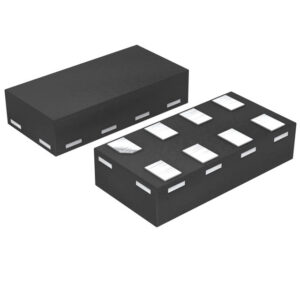 74AHC2G125GD,125View Product

Choose a DIP switch by contact type, coded positions, footprint and signal ratings. Check logic polarity, assembly conditions and PCB configuration behavior.
Read More
A perfect storm of surging demand and supply chain disruptions is roiling the global electronic components market, with advanced semiconductors and critical materials now…
Read More
See when an inductor behaves linearly, how DC bias and saturation reduce inductance, and which current and temperature curves to check.
Read More
Learn how an analog front end conditions sensor signals. Compare gain, noise, filtering, ADC settling and integration options before selecting components.
Read More
Recently, global semiconductor manufacturers have been constantly making moves in aspects such as technological cooperation, product manufacturing processes, and market layout, demonstrating the rapid…
Read More
Learn what data acquisition means, from sensors and conditioning to sampling and storage. Review channel timing, wiring, calibration and data quality.
Read More
Learn how a JFET works and how to compare bias, leakage, noise and pinout. Review practical selection questions for high-impedance analog circuits.
Read More
Learn why PTC resistance rises with temperature, how it differs from NTC, and which ratings matter for sensing and protection.
Read More
As 2025 draws to a close, the global semiconductor industry stands at a crossroads. Intertwined with escalating geopolitical tensions, supply chain disruptions, and groundbreaking…
Read More
Select MOV varistors by continuous voltage, clamping behavior, surge waveform and repetition. Check thermal disconnection, fuse coordination and replacements.
Read More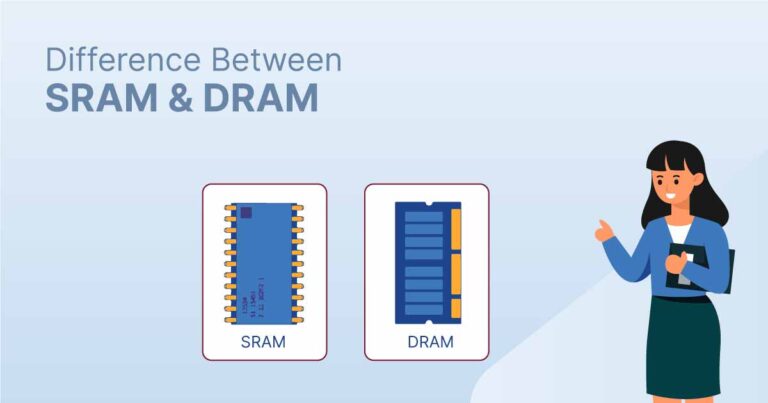
In an era dominated by AI accelerators with terabytes of HBM memory and consumer devices racing toward LPDDR5X bandwidth, it’s easy to wonder: why…
Read More
Selecting the right microcontroller (MCU) isn’t just about specs—it’s about balancing performance, power, cost, and supply chain reliability. As an engineer, you’ve probably faced…
Read More
The activity of extra discounts on wholesale prices is in full swing…
Please fill in your contact information and we will send you the latest wholesale price list.

