 ChipApex | Global Electronic Components Supplier

SEARCH
Search Product
Search Post
— IC芯片 | 连接器 | 传感器 | 被动器件 —
Search productSearch post
— IC芯片 | 连接器 | 传感器 | 被动器件 —
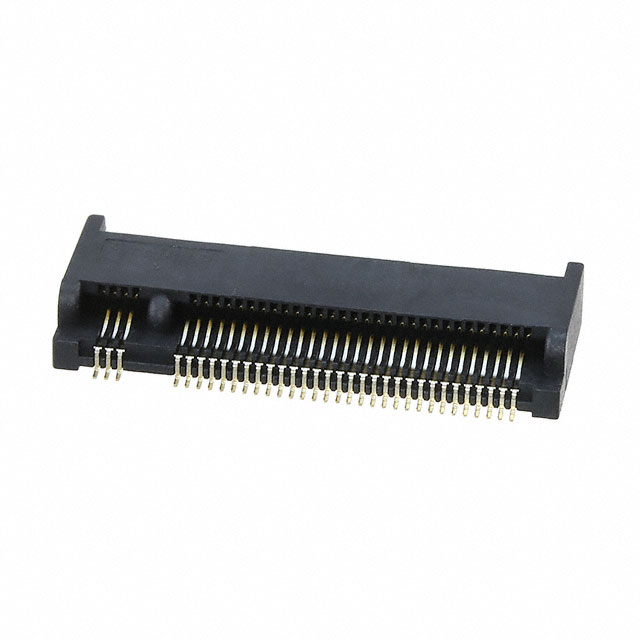
Card edge or edgeboard connectors are a style of connector system in which (typically) a pattern of exposed copper regions at the periphery of a printed circuit board constitutes one-half of a mating connector pair. A common use case being the connection of accessory cards such as graphics accelerators to computer motherboards in desktop PC applications, they offer a relatively low-cost, high density interconnect option for applications where durability is not a primary concern.
| Select products | Mfr | Description | Package | Supplier Device Package | Mounting Type | Series | Operating Temperature |
|---|---|---|---|---|---|---|---|
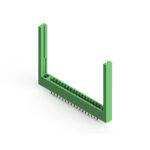 305-034-556-268 $10.45 | EDAC Inc. | CONN EDGE DUAL FMALE 34POS 0.156 | Box | Board Edge, Straddle Mount | 305 | -40°C ~ 105°C | |
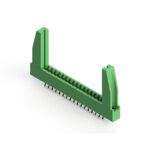 305-034-556-278 $10.45 | EDAC Inc. | CONN EDGE DUAL FMALE 34POS 0.156 | Box | Board Edge, Straddle Mount | 305 | -40°C ~ 105°C | |
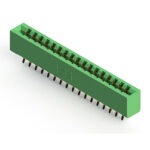 305-034-556-501 $8.00 | EDAC Inc. | CONN EDGE DUAL FMALE 34POS 0.156 | Box | Board Edge, Straddle Mount | 305 | -40°C ~ 105°C | |
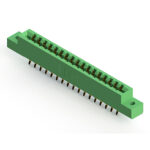 305-034-556-502 $8.00 | EDAC Inc. | CONN EDGE DUAL FMALE 34POS 0.156 | Box | Board Edge, Straddle Mount | 305 | -40°C ~ 105°C | |
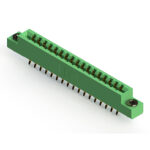 305-034-556-503 $9.81 | EDAC Inc. | CONN EDGE DUAL FMALE 34POS 0.156 | Box | Board Edge, Straddle Mount | 305 | -40°C ~ 105°C | |
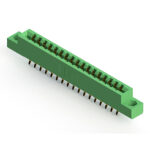 305-034-556-504 $8.00 | EDAC Inc. | CONN EDGE DUAL FMALE 34POS 0.156 | Box | Board Edge, Straddle Mount | 305 | -40°C ~ 105°C | |
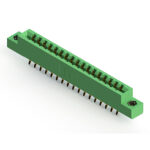 305-034-556-507 $9.81 | EDAC Inc. | CONN EDGE DUAL FMALE 34POS 0.156 | Box | Board Edge, Straddle Mount | 305 | -40°C ~ 105°C | |
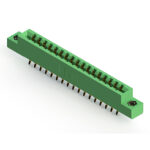 305-034-556-508 $9.81 | EDAC Inc. | CONN EDGE DUAL FMALE 34POS 0.156 | Box | Board Edge, Straddle Mount | 305 | -40°C ~ 105°C |
 AMM31DTBN-S189View Product
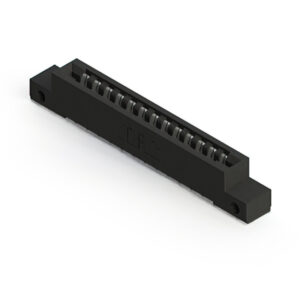 857-013-427-112View Product
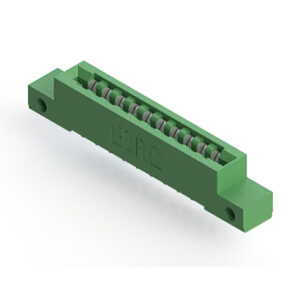 307-010-421-112View Product
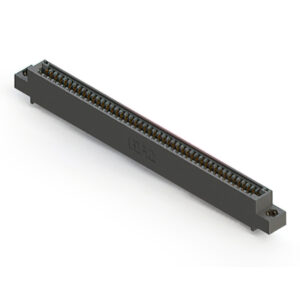 895-092-556-507View Product
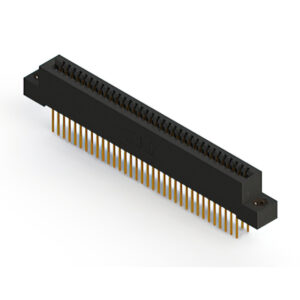 892-068-523-208View Product
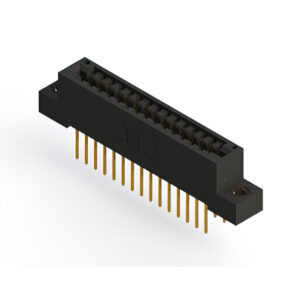 396-030-526-207View Product
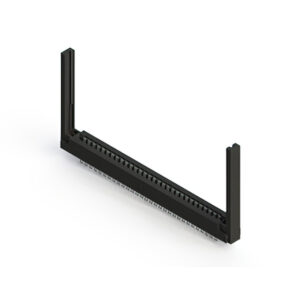 357-060-455-268View ProductRSM10DRTFView Product
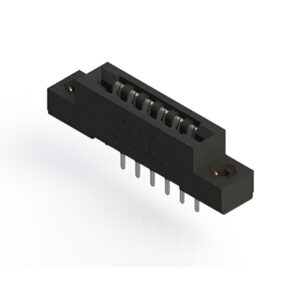 857-006-427-108View Product
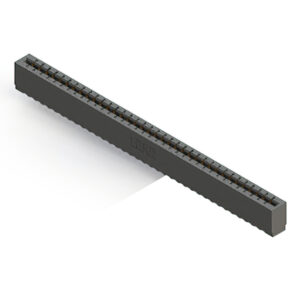 717-036-525-101View Product
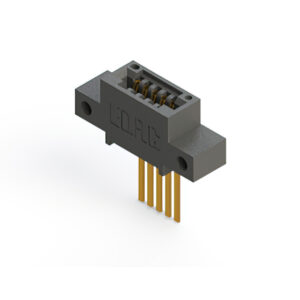 895-005-544-412View Product
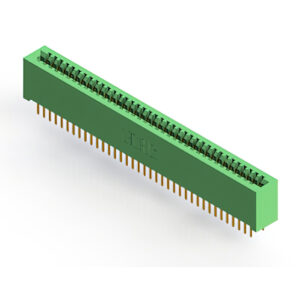 842-074-520-201View Product
Latest updates from leading semiconductor manufacturers: Wolfspeed launches new SiC modules, AMD reveals MI430X with HBM4, TSMC eyes third Japan fab, and Samsung samples…
Read More
Stay ahead with ChipApex Insights — technical deep dives, market trends, and sourcing tips for memory, microcontrollers, power management, and industrial-grade components. Trusted by…
Read More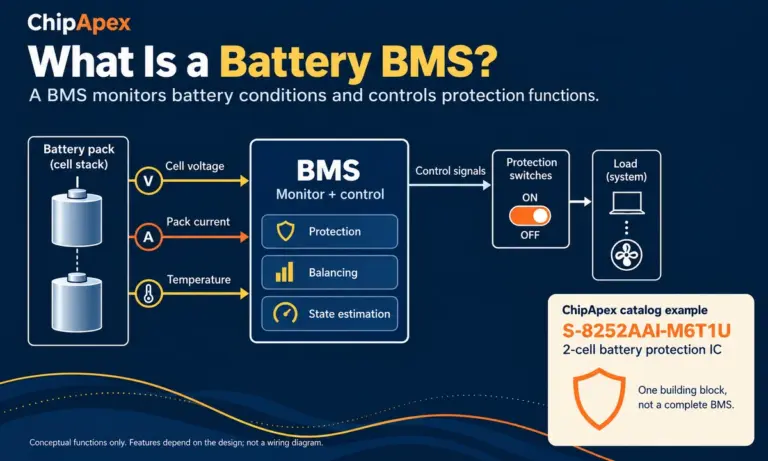
Learn what a battery BMS does, how protection differs from charging, and which pack specifications to check when sourcing BMS components through ChipApex.
Read More
The global memory market is entering an unprecedented supply-constrained phase as soaring demand from artificial intelligence (AI) infrastructure collides with strategic capacity reallocations by…
Read More
Tempe, Arizona‑based semiconductor giant Microchip Technology has formally rolled out selective product price increases across its MCU, power‑management IC, memory controller and analog component…
Read More
If you’ve spent any time staring at a schematic, you’ve seen the triangle. Two inputs, one output, and a gain symbol that looks deceptively…
Read More
Recently, the global electronic component market has witnessed a series of new developments. The strategic layouts and market collaborations of major enterprises are constantly…
Read More
Learn how a diode conducts, how to identify anode and cathode, and when to choose rectifier, TVS, Zener or photodiode types for a circuit.
Read More
Find out when a bare shock switch needs a pull resistor, when an MCU internal pull-up is enough, and why sensor modules and piezo…
Read More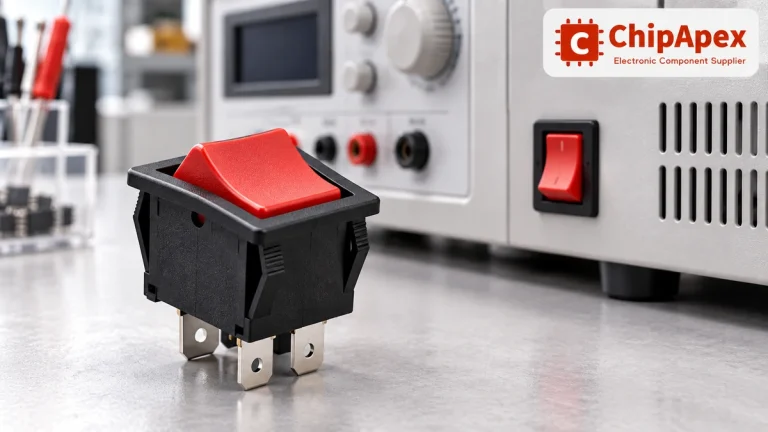
Choose a rocker switch by AC/DC ratings, contact arrangement, illumination, panel fit and sealing. Get practical checks for engineering and component sourcing.
Read More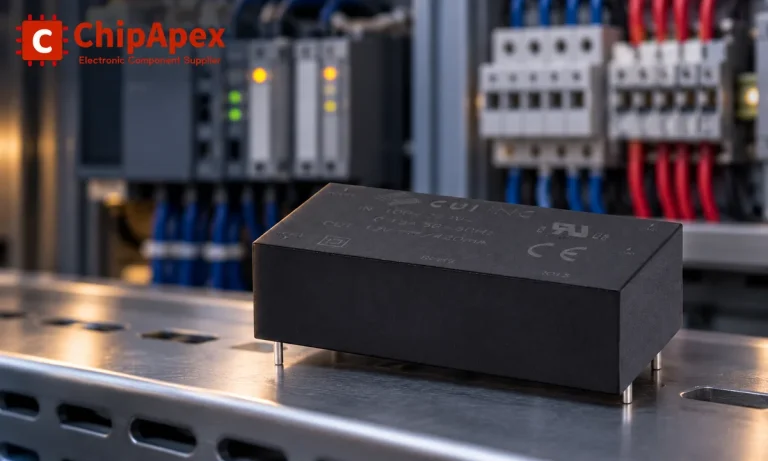
Choose an AC to DC converter by input range, output demand, isolation, efficiency and thermal derating. Compare architectures and check installation needs.
Read More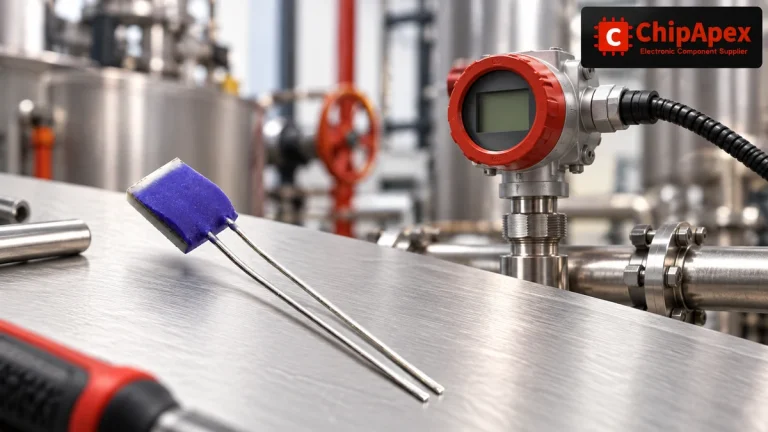
Compare Pt100 and Pt1000 RTDs, two-, three- and four-wire connections, excitation and self-heating. Build an error budget from element to reported temperature.
Read More
The activity of extra discounts on wholesale prices is in full swing…
Please fill in your contact information and we will send you the latest wholesale price list.

