ChipApex | Global Electronic Components Supplier

SEARCH
Search Product
Search Post
— IC芯片 | 连接器 | 传感器 | 被动器件 —
Search productSearch post
— IC芯片 | 连接器 | 传感器 | 被动器件 —
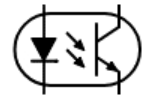
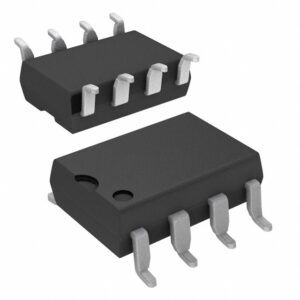
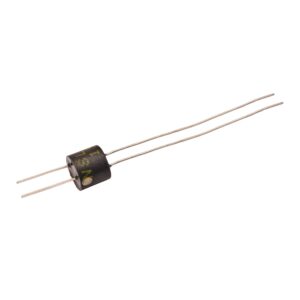
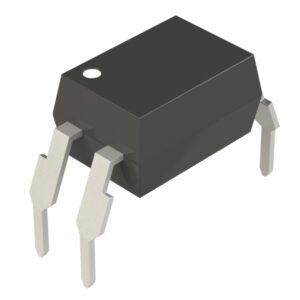
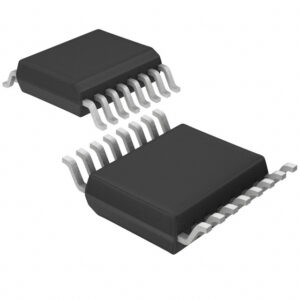
Isolators are components used to transmit signals across two sections of a circuit that must remain electrically separated for safety, noise immunity, or functional reasons. This electrical separation—called galvanic isolation—prevents current flow while still allowing data or control signals to pass through. Isolators are especially important in high-voltage or noisy environments, such as industrial automation, motor control systems, or medical electronics. Isolators are signal-level devices that facilitate safe communication between subsystems without direct electrical contact. There are two primary types of isolators: optical isolators (also known as optocouplers) and digital isolators. Optical isolators use light to transmit information across an isolation barrier. A typical optocoupler consists of an LED on the input side and a phototransistor, photodiode, SCR, or Triac on the output side. When current flows through the LED, it emits light that activates the output component, allowing the signal to be reproduced on the isolated side. Optocouplers are widely used in applications requiring moderate speed and high-voltage isolation—such as microcontroller interfaces, SMPS (switch mode power supply) feedback loops, or PLC input modules. They are favored for their simplicity and excellent electrical noise immunity. Digital isolators, on the other hand, do not rely on light. Instead, they typically use capacitive or magnetic coupling to transmit digital signals across the isolation barrier. These isolators offer several advantages over optocouplers, including higher data rates, lower power consumption, better temperature stability, and longer lifespan since they avoid LED aging. Digital isolators are particularly well-suited for high-speed communication interfaces like SPI, I²C, or UART, where timing and signal integrity are critical. However, they may be more sensitive to certain types of transient interference, depending on the design and application. Choosing between an optical and a digital isolator depends on several factors: signal type (analog or digital), speed, voltage isolation requirements, environmental conditions, and reliability expectations. For example, optocouplers might still be preferred in high-voltage analog feedback paths due to their robust noise immunity, while digital isolators may be better suited for fast, compact, low-power digital systems.
| Select products | Mfr | Description | Package | Supplier Device Package | Mounting Type | Series | Operating Temperature |
|---|---|---|---|---|---|---|---|
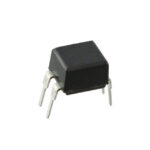 HCPL-817-00AE $0.42 | Broadcom Limited | OPTOISOLATOR 5KV 1CH TRANS 4-DIP | Tube | 4-DIP | Through Hole | - | -30°C ~ 100°C |
HCPL-817-00BE $0.42 | Broadcom Limited | OPTOISOLATOR 5KV 1CH TRANS 4-DIP | Tube | 4-DIP | Through Hole | - | -30°C ~ 100°C |
HCPL-817-00CE $0.12 | Broadcom Limited | OPTOISOLATOR 5KV 1CH TRANS 4-DIP | Tube | 4-DIP | Through Hole | - | -30°C ~ 100°C |
HCPL-817-00DE $0.42 | Broadcom Limited | OPTOISOLATOR 5KV 1CH TRANS 4-DIP | Tube | 4-DIP | Through Hole | - | -30°C ~ 100°C |
HCPL-817-00LE $0.12 | Broadcom Limited | OPTOISOLATOR 5KV 1CH TRANS 4-DIP | Tube | 4-DIP | Through Hole | - | -30°C ~ 100°C |
HCPL-817-060E $0.15 | Broadcom Limited | OPTOISOLATOR 5KV 1CH TRANS 4-DIP | Tube | 4-DIP | Through Hole | - | -30°C ~ 100°C |
HCPL-817-06AE $0.14 | Broadcom Limited | OPTOISOLATOR 5KV 1CH TRANS 4-DIP | Tube | 4-DIP | Through Hole | - | -30°C ~ 100°C |
HCPL-817-06BE $0.57 | Broadcom Limited | OPTOISOLATOR 5KV 1CH TRANS 4-DIP | Tube,Tube | 4-DIP | Through Hole | - | -30°C ~ 100°C |

ChipApex – May 8, 2026 Texas Instruments (TI), the global leader in analog and embedded semiconductors, has officially notified customers of an upcoming company-wide…
Read More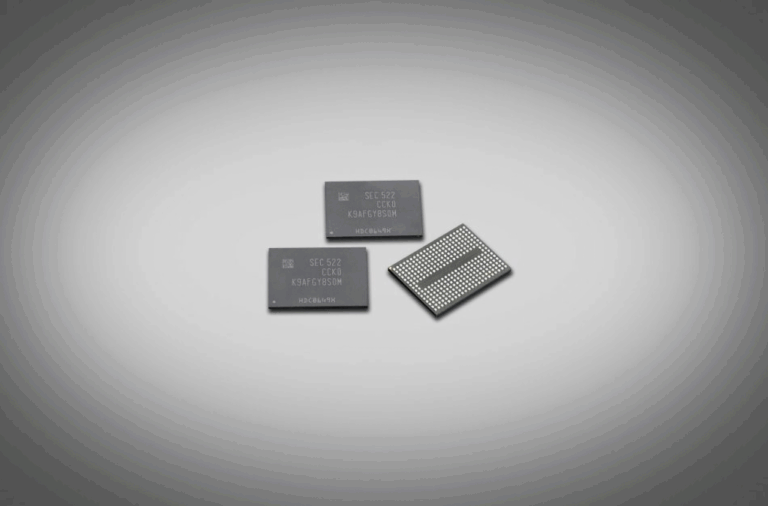
Date: May 13, 2026 The global memory industry is facing an unprecedented supply crunch in legacy MLC NAND Flash. Leading manufacturers including Samsung Electronics…
Read More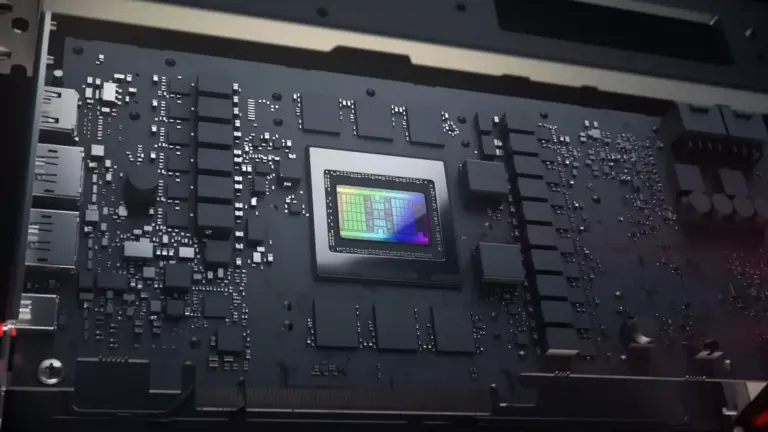
Latest updates from leading semiconductor manufacturers: Wolfspeed launches new SiC modules, AMD reveals MI430X with HBM4, TSMC eyes third Japan fab, and Samsung samples…
Read More
Select a bridge rectifier by reverse voltage, capacitor charging current, startup surge and cooling. Work through a stated DC voltage and ripple example.
Read More
Wilmington, Mass. & Milpitas, Calif. – May 19, 2026 – Analog Devices, Inc. (NASDAQ: ADI), a global leader in high-performance analog and mixed-signal semiconductors,…
Read More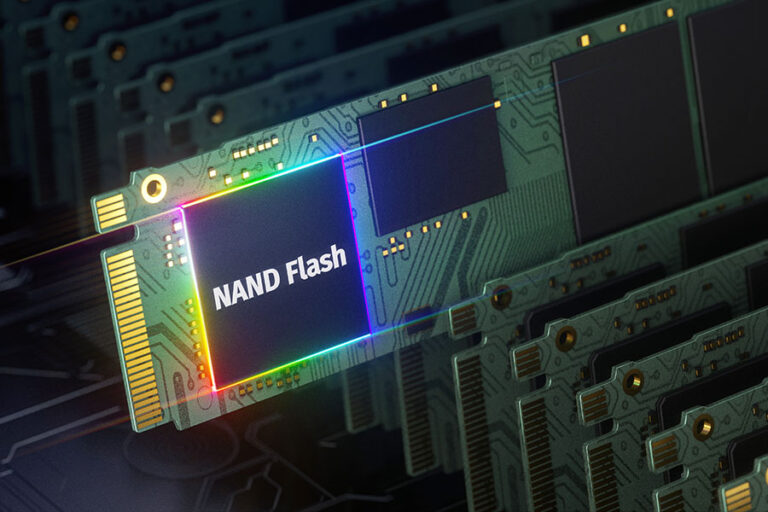
What Is NAND Flash? A Practical Guide for Engineers & Procurement Teams In today’s data-driven world—from smartphones and SSDs to industrial IoT devices—NAND flash…
Read More
SANTA CLARA, Calif. — Leading semiconductor solution provider Marvell Technology (NASDAQ: MRVL) officially rolled out a selective price adjustment for its core electronic component…
Read More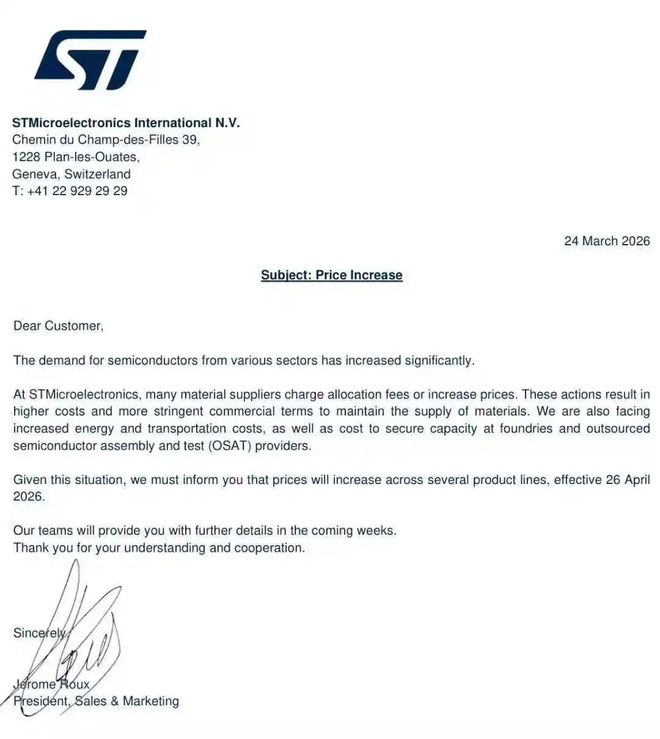
Geneva, Switzerland – March 25, 2026 – STMicroelectronics N.V. (NYSE: STM), a global semiconductor leader serving customers across the electronics applications spectrum, has announced…
Read More
Understand tactile switches, PCB and keyboard differences, four-pin wiring, debounce, force, travel and replacement checks for reliable control inputs.
Read More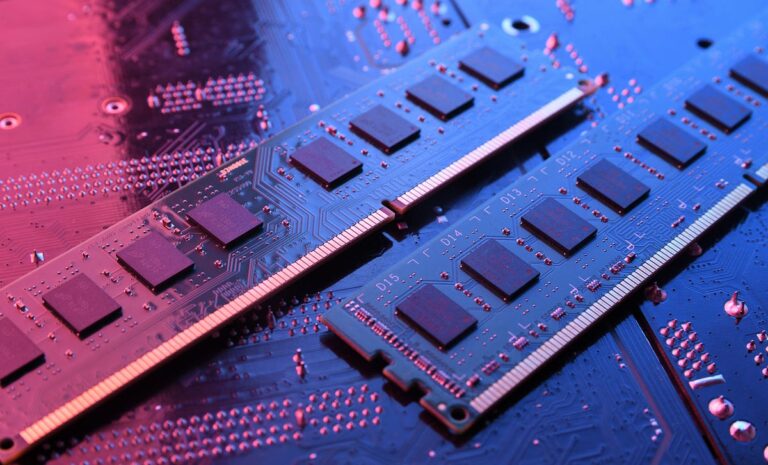
In the world of electronics, memory components play a critical role in system performance—and DRAM (Dynamic Random-Access Memory) is one of the most widely…
Read More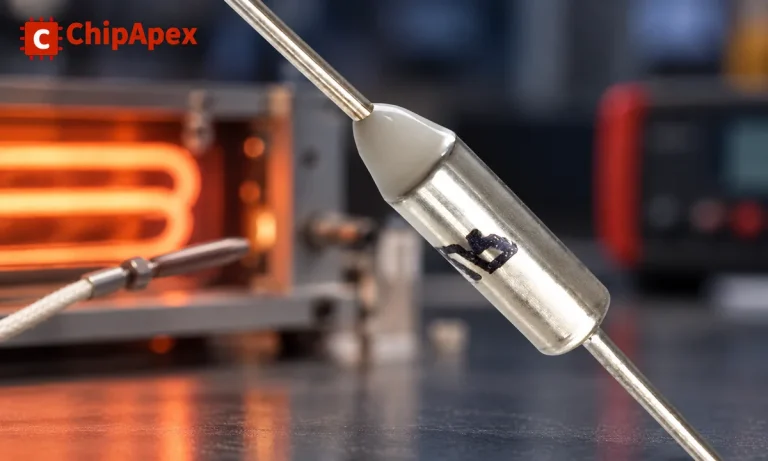
Understand thermal fuse operation, Tf, Th and Tm, electrical ratings and mounting. Check temperature limits and replacement requirements for your design.
Read More
On October 1, 2025 local time, OpenAI, an artificial intelligence research company, announced the establishment of a cooperative relationship with Samsung Electronics and SK…
Read More
The activity of extra discounts on wholesale prices is in full swing…
Please fill in your contact information and we will send you the latest wholesale price list.