 ChipApex | Global Electronic Components Supplier

SEARCH
Search Product
Search Post
— IC芯片 | 连接器 | 传感器 | 被动器件 —
Search productSearch post
— IC芯片 | 连接器 | 传感器 | 被动器件 —
Consult the customer manager about the wholesale price.
consultation hotline:86-132-6715-2157
email:[email protected]
Contact the product manager for consultation. One-stop consultation is available.
Do you want a lower wholesale price? Please send us your inquiry and we will reply immediately.
The Appleton 7400UST-APTN is a heavy-duty, explosion-proof receptacle designed for hazardous locations. It features a 3-pole, 4-wire configuration with a NEMA L5-30R locking interface, rated for 30 amperes and 250 volts. The unit utilizes a robust thermoplastic housing constructed from UV-resistant materials to withstand harsh environmental conditions. It includes a hinged cover mechanism that ensures the contacts remain sealed when not in use, providing protection against dust, moisture, and corrosive agents. This component is engineered to meet stringent safety standards for industrial environments where flammable gases or vapors may be present.
Verify that the installation environment matches the specific hazardous location class and division ratings specified in the official Appleton certification documents. Ensure compatibility with existing conduit fittings and grounding requirements before procurement. Confirm that the voltage and current ratings align with the circuit design specifications to prevent operational hazards.
Select this model only when a 30-ampere, 250-volt locking receptacle is required for Class I, Division 1 or 2 hazardous locations. Consider the NEMA L5-30R plug compatibility with downstream equipment. Evaluate the need for the hinged cover feature versus fixed covers based on maintenance frequency and environmental exposure levels in the specific application site.
Appleton is a brand known for electrical components used in demanding industrial settings. The 7400 series represents a line of heavy-duty receptacles designed for durability and safety in explosive atmospheres. This specific model integrates standard locking mechanisms with specialized housing materials to ensure long-term reliability in corrosive or wet environments common in heavy industry.
Direct replacements must match the NEMA L5-30R configuration and hazardous location certifications. Verify that any substitute part meets the same UL or CSA listing requirements for the intended Class and Division. Physical dimensions and mounting hole patterns should be checked to ensure fitment within existing enclosures or panels.
 7400UST-APTN
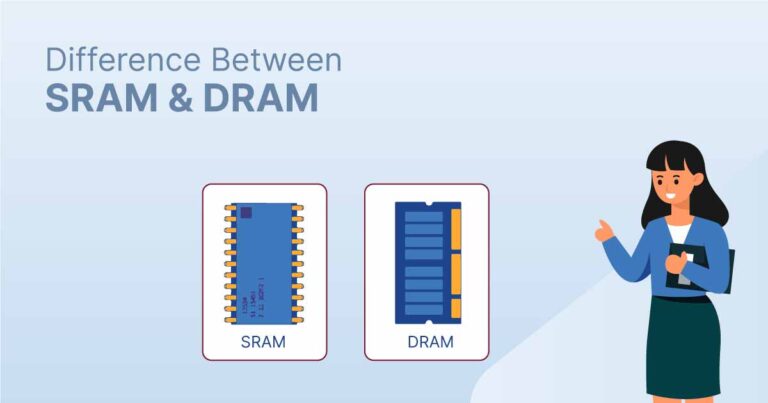
In an era dominated by AI accelerators with terabytes of HBM memory and consumer devices racing toward LPDDR5X bandwidth, it’s easy to wonder: why…
Read More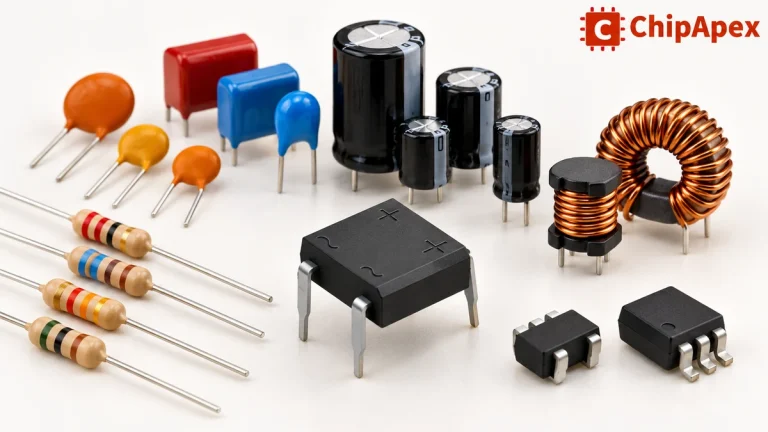
Explore electronic component types, functions, packages and datasheets. Learn selection, replacement and BOM checks before ordering parts for your PCB.
Read More
Understand how oscillators generate timing signals, how they differ from crystals, and which frequency, output and stability specs matter when choosing one.
Read More
Compare RC, crystal and MEMS oscillator circuits. Check ppm, jitter, load capacitance, startup margin and output compatibility before choosing a clock source.
Read More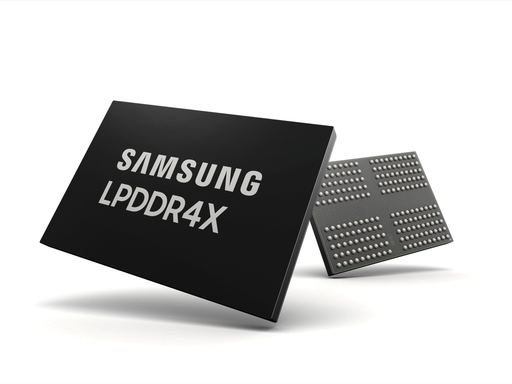
Samsung Electronics, the world’s largest memory chip manufacturer, has officially confirmed the end-of-life (EOL) for its LPDDR4 and LPDDR4X low-power DRAM products, marking a…
Read More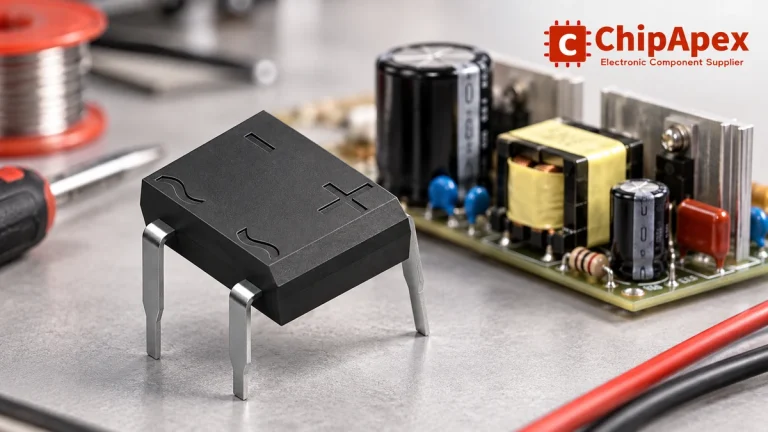
Select a bridge rectifier by reverse voltage, capacitor charging current, startup surge and cooling. Work through a stated DC voltage and ripple example.
Read More
Learn the relay definition, coil and contact operation, NO and NC forms, load ratings and suppression choices. Compare mechanical, reed and solid-state types.
Read More
Embedded Integrated Circuit Modules: The Backbone of Modern Technology Embedded Integrated Circuit Modules (EICMs) have become an indispensable part of modern technology. Serving as…
Read More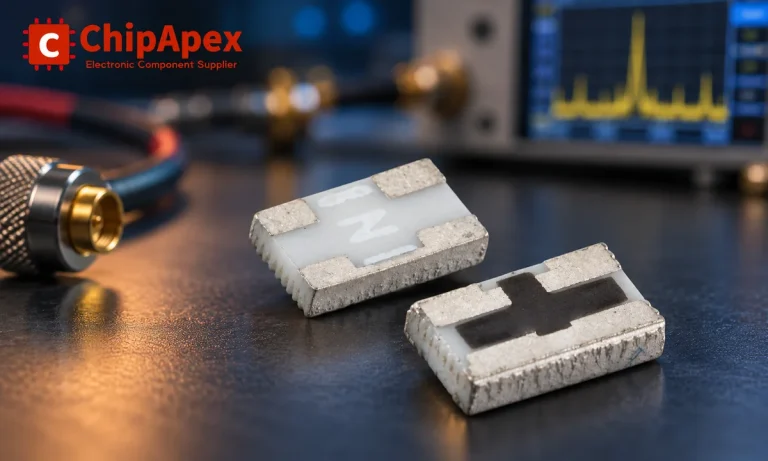
Understand RF attenuator dB values, fixed and programmable types, impedance, power limits and noise tradeoffs before choosing parts for an RF signal path.
Read More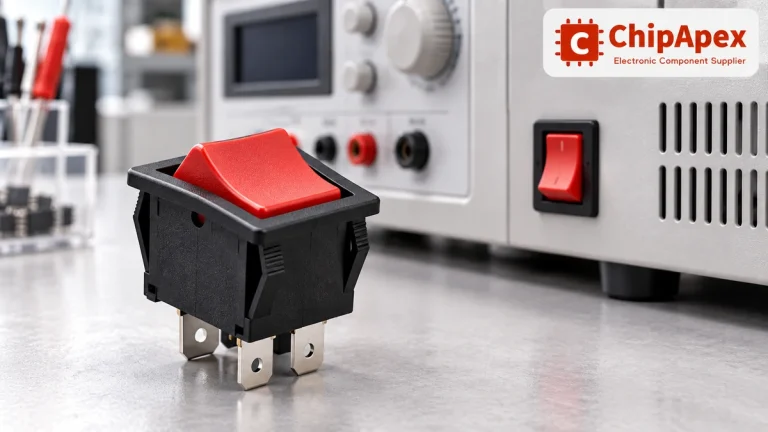
Choose a rocker switch by AC/DC ratings, contact arrangement, illumination, panel fit and sealing. Get practical checks for engineering and component sourcing.
Read More
Every audio power amplifier design starts with the same fundamental challenge: converting a low-voltage line-level signal into the high-current drive required by a reactive…
Read More
In embedded design, the tug-of-war between cost and performance is constant. On one side, you have Microcontrollers (MCUs)—cheap, simple, and efficient. On the other,…
Read More
The activity of extra discounts on wholesale prices is in full swing…
Please fill in your contact information and we will send you the latest wholesale price list.




