 ChipApex | Global Electronic Components Supplier

SEARCH
Search Product
Search Post
— IC芯片 | 连接器 | 传感器 | 被动器件 —
Search productSearch post
— IC芯片 | 连接器 | 传感器 | 被动器件 —
Consult the customer manager about the wholesale price.
consultation hotline:86-132-6715-2157
email:[email protected]
Contact the product manager for consultation. One-stop consultation is available.
Do you want a lower wholesale price? Please send us your inquiry and we will reply immediately.
74LV125D,118 is listed in the Buffers, Drivers, Receivers, Transceivers range at ChipApex. The manufacturer field lists NXP USA Inc.. Its product description is IC BUFFER NON-INVERT 5.5V 14SO. Review the specifications below when checking this part for your BOM.
The 74LV125D,118 is a low-voltage Si-gate CMOS quad buffer and line driver manufactured by NXP USA Inc. It features four non-inverting buffers with three-state outputs controlled by active-low output enable inputs (nOE). The device operates within a supply voltage range of 1.0 V to 5.5 V and accepts TTL input levels between VCC = 2.7 V and VCC = 3.6 V. It is housed in a 14-lead SOIC package (SOT108-1) and supports operating temperatures from -40 °C to +125 °C.
Verify the specific ordering suffix '118' against current manufacturer documentation to confirm packaging and tape/reel specifications. Confirm RoHS compliance status and REACH registration details directly with NXP or authorized distributors prior to procurement. Ensure the SOIC-14 package variant matches the required PCB footprint dimensions.
Select this component for designs requiring wide voltage compatibility and three-state bus management. It serves as a direct functional replacement for 74HC125 and 74HCT125 devices where lower power consumption or broader voltage tolerance is needed. Verify that the input transition rates and load capacitance requirements align with the specified dynamic characteristics for the target operating voltage.
This part belongs to the 74LV series of low-voltage CMOS logic devices. It is functionally equivalent to the standard 74HC125 but optimized for operation down to 1.0 V. The 'D' designation indicates the SOIC-14 plastic small outline package, while the ',118' suffix typically denotes the specific reel packaging configuration provided by the manufacturer.
The datasheet explicitly states the device is pin and function compatible with 74HC125 and 74HCT125. These parts can be substituted if voltage ranges and drive strengths meet the system requirements.
Explore related parts through Logic, Integrated Circuits (ICs), all product categories, ChipApex homepage.
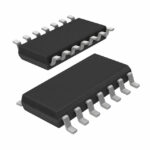 74LV125D,118
74LV125D,118 is listed in the Buffers, Drivers, Receivers, Transceivers range at ChipApex. The manufacturer field lists NXP USA Inc.. Its product description is IC…
Read More
Choose an AC to DC converter by input range, output demand, isolation, efficiency and thermal derating. Compare architectures and check installation needs.
Read More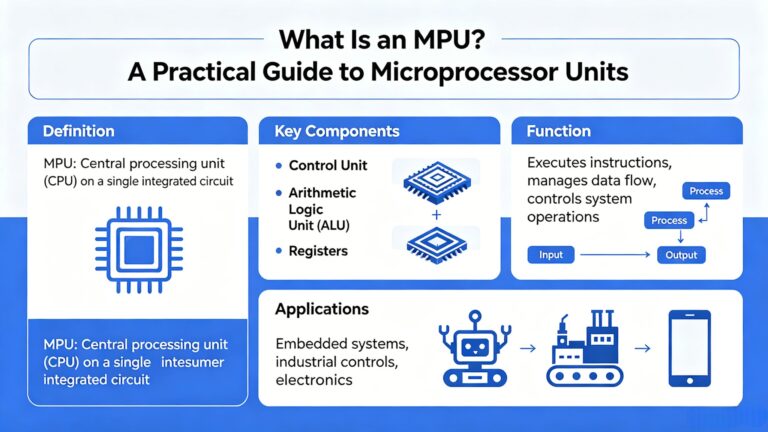
74LV125D,118 is listed in the Buffers, Drivers, Receivers, Transceivers range at ChipApex. The manufacturer field lists NXP USA Inc.. Its product description is IC…
Read More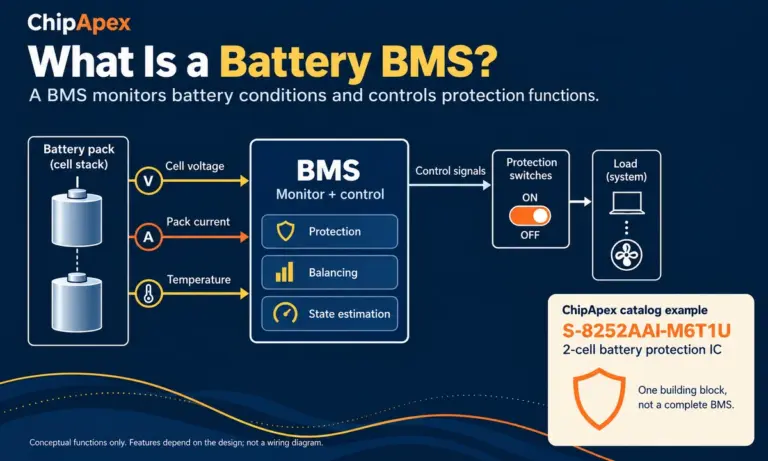
Learn what a battery BMS does, how protection differs from charging, and which pack specifications to check when sourcing BMS components through ChipApex.
Read More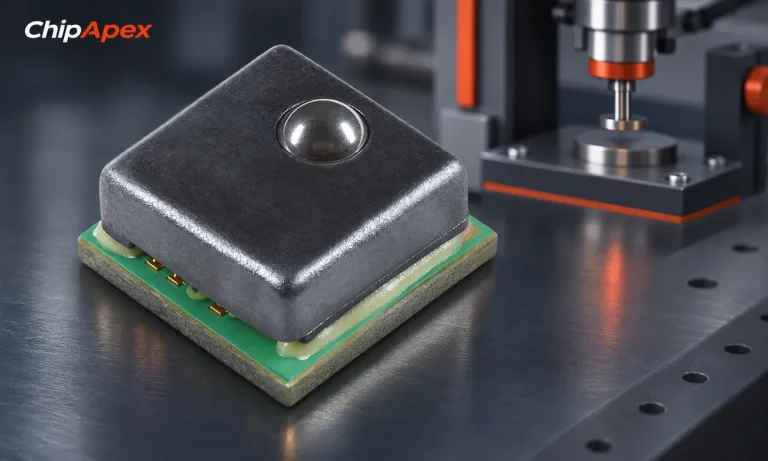
Understand load cell sensor output, bridge wiring and calibration. Learn how mV/V sensitivity, mechanics and ADC noise affect measurement accuracy.
Read More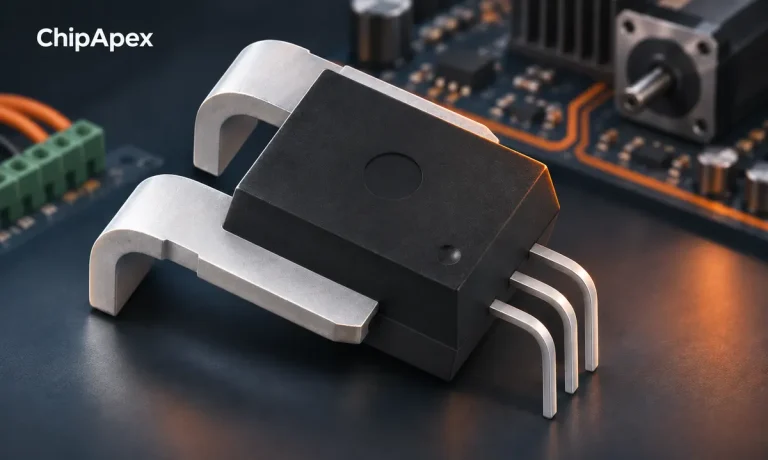
Compare Hall, shunt, current transformer and Rogowski sensing. Check AC/DC capability, accuracy, isolation, heat and response before selecting a sensor.
Read More
74LV125D,118 is listed in the Buffers, Drivers, Receivers, Transceivers range at ChipApex. The manufacturer field lists NXP USA Inc.. Its product description is IC…
Read More
74LV125D,118 is listed in the Buffers, Drivers, Receivers, Transceivers range at ChipApex. The manufacturer field lists NXP USA Inc.. Its product description is IC…
Read More
74LV125D,118 is listed in the Buffers, Drivers, Receivers, Transceivers range at ChipApex. The manufacturer field lists NXP USA Inc.. Its product description is IC…
Read More
74LV125D,118 is listed in the Buffers, Drivers, Receivers, Transceivers range at ChipApex. The manufacturer field lists NXP USA Inc.. Its product description is IC…
Read More
74LV125D,118 is listed in the Buffers, Drivers, Receivers, Transceivers range at ChipApex. The manufacturer field lists NXP USA Inc.. Its product description is IC…
Read More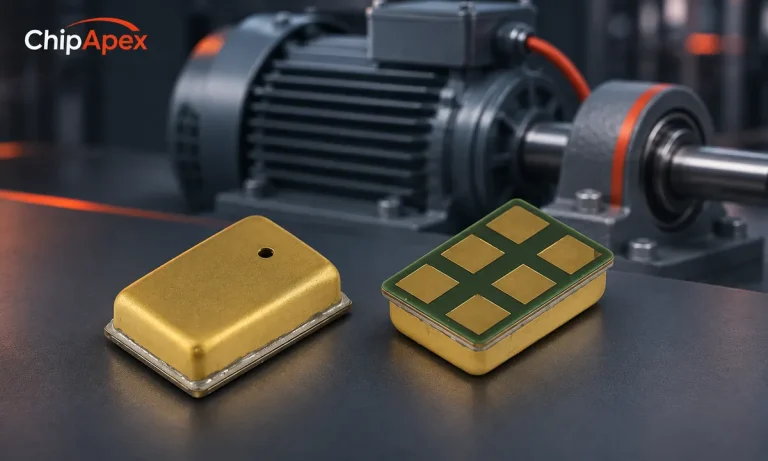
Choose a vibration sensor for machine monitoring. Compare sensing methods, bandwidth, noise and mounting, then define the signal-chain requirements.
Read More
The activity of extra discounts on wholesale prices is in full swing…
Please fill in your contact information and we will send you the latest wholesale price list.





