 ChipApex | Global Electronic Components Supplier

SEARCH
Search Product
Search Post
— IC芯片 | 连接器 | 传感器 | 被动器件 —
Search productSearch post
— IC芯片 | 连接器 | 传感器 | 被动器件 —
Consult the customer manager about the wholesale price.
consultation hotline:86-132-6715-2157
email:[email protected]
Contact the product manager for consultation. One-stop consultation is available.
Do you want a lower wholesale price? Please send us your inquiry and we will reply immediately.
AFE1256TDS is listed in the Analog Front End (AFE) range at ChipApex. The manufacturer field lists Texas Instruments. Its product description is IC AFE 256 CHAN 16BIT 314COF. Review the specifications below when checking this part for your BOM.
The AFE1256TDS is a digital X-ray detector analog front-end (AFE) manufactured by Texas Instruments. It integrates 256 channels for direct connection to sensor arrays, typically via anisotropic conductive film (ACF) or thermal bonding due to fine-pitch interfaces. The device operates within an ambient temperature range of 0°C to +85°C and requires an analog supply voltage between 3.2 V and 3.6 V. Designed for high-resolution imaging applications, it serves as a specialized data converter IC within the AFE0256 series.
Verify the specific suffix 'TDS' against official Texas Instruments documentation to confirm package type and electrical characteristics. Ensure compatibility with existing sensor array pitch specifications, particularly regarding the 100um spacing mentioned in related family discussions. Confirm RoHS compliance status through current datasheets before procurement.
Select this component when designing systems requiring 256-channel simultaneous signal processing for X-ray detection. Consider the TQFP-packaged AFE0064 if standard PCB mounting is required instead of direct die attachment, noting its lower 64-channel count. Evaluate interface constraints carefully, as standard connectors are generally unsuitable for the fine-pitch glass interface associated with this device family.
The AFE1256TDS belongs to the AFE0256 series of analog front-ends designed for medical and industrial imaging. It complements other TI data converters like the ADS1256 ADCs but focuses on pre-amplification and conditioning for large-scale sensor arrays rather than standalone digitization.
The AFE0064 is a documented alternative within the same ecosystem, offering a TQFP package for easier board integration, though it provides only 64 channels compared to the 256 channels of the AFE1256 series.
Explore related parts through Data Acquisition, Integrated Circuits (ICs), all product categories, ChipApex homepage.
 AFE1256TDS

AFE1256TDS is listed in the Analog Front End (AFE) range at ChipApex. The manufacturer field lists Texas Instruments. Its product description is IC AFE…
Read More
Learn how a JFET works and how to compare bias, leakage, noise and pinout. Review practical selection questions for high-impedance analog circuits.
Read More
AFE1256TDS is listed in the Analog Front End (AFE) range at ChipApex. The manufacturer field lists Texas Instruments. Its product description is IC AFE…
Read More
AFE1256TDS is listed in the Analog Front End (AFE) range at ChipApex. The manufacturer field lists Texas Instruments. Its product description is IC AFE…
Read More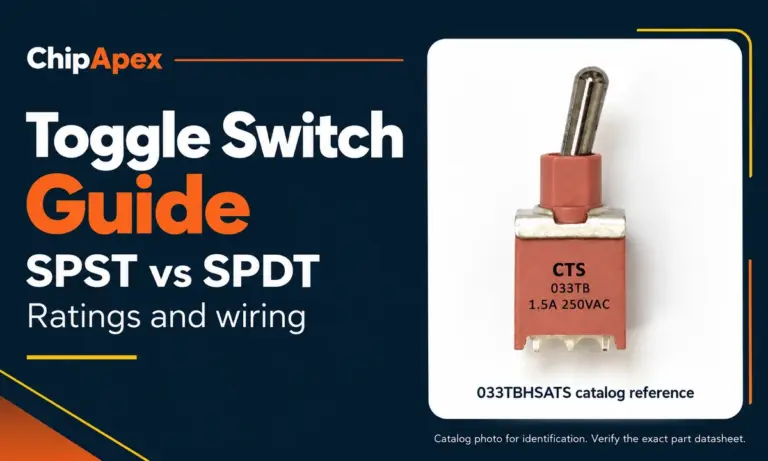
Compare SPST and SPDT toggle switches, understand AC/DC ratings, and follow wiring examples. Check contact action, mounting and parts in the ChipApex catalog.
Read More
Learn how a diode conducts, how to identify anode and cathode, and when to choose rectifier, TVS, Zener or photodiode types for a circuit.
Read More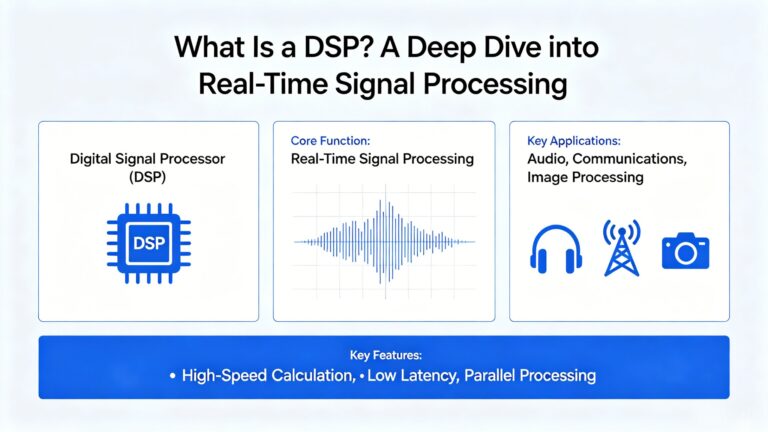
AFE1256TDS is listed in the Analog Front End (AFE) range at ChipApex. The manufacturer field lists Texas Instruments. Its product description is IC AFE…
Read More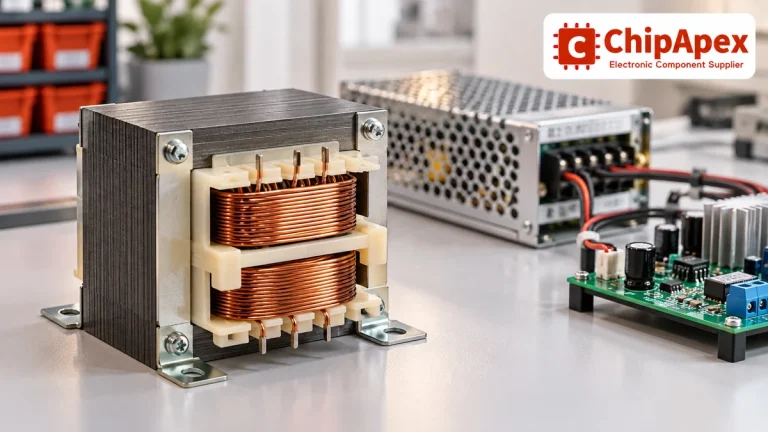
Select power transformers by input frequency, secondary VA, rectifier load, isolation, regulation and inrush. Build a clearer specification for your next RFQ.
Read More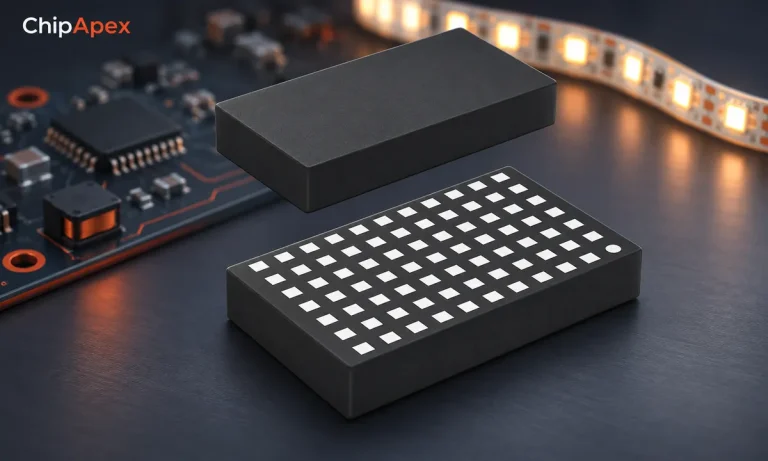
Choose LED drivers by current, string voltage, dimming and thermal limits. Understand constant-current operation and the checks needed for your load.
Read More
AFE1256TDS is listed in the Analog Front End (AFE) range at ChipApex. The manufacturer field lists Texas Instruments. Its product description is IC AFE…
Read More
Learn why PTC resistance rises with temperature, how it differs from NTC, and which ratings matter for sensing and protection.
Read More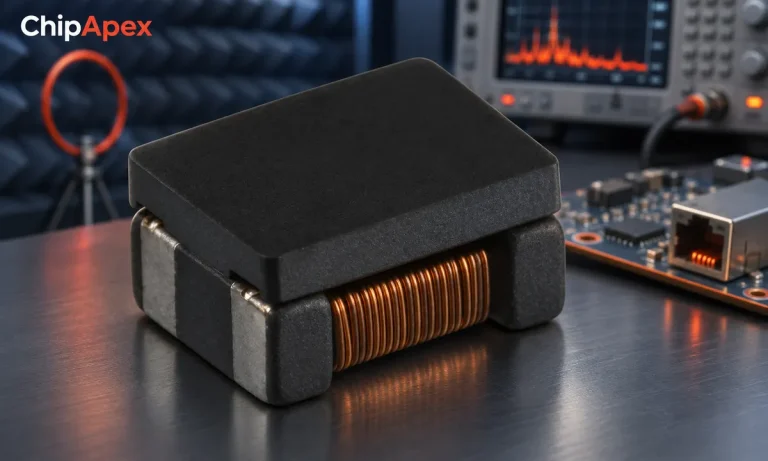
Select a common mode choke using noise frequency, current, insulation and signal integrity. Understand impedance curves, layout and filter limitations.
Read More
The activity of extra discounts on wholesale prices is in full swing…
Please fill in your contact information and we will send you the latest wholesale price list.





