ChipApex | Global Electronic Components Supplier

SEARCH
Search Product
Search Post
— IC芯片 | 连接器 | 传感器 | 被动器件 —
Search productSearch post
— IC芯片 | 连接器 | 传感器 | 被动器件 —
Consult the customer manager about the wholesale price.
consultation hotline:86-132-6715-2157
email:[email protected]
Contact the product manager for consultation. One-stop consultation is available.
Do you want a lower wholesale price? Please send us your inquiry and we will reply immediately.
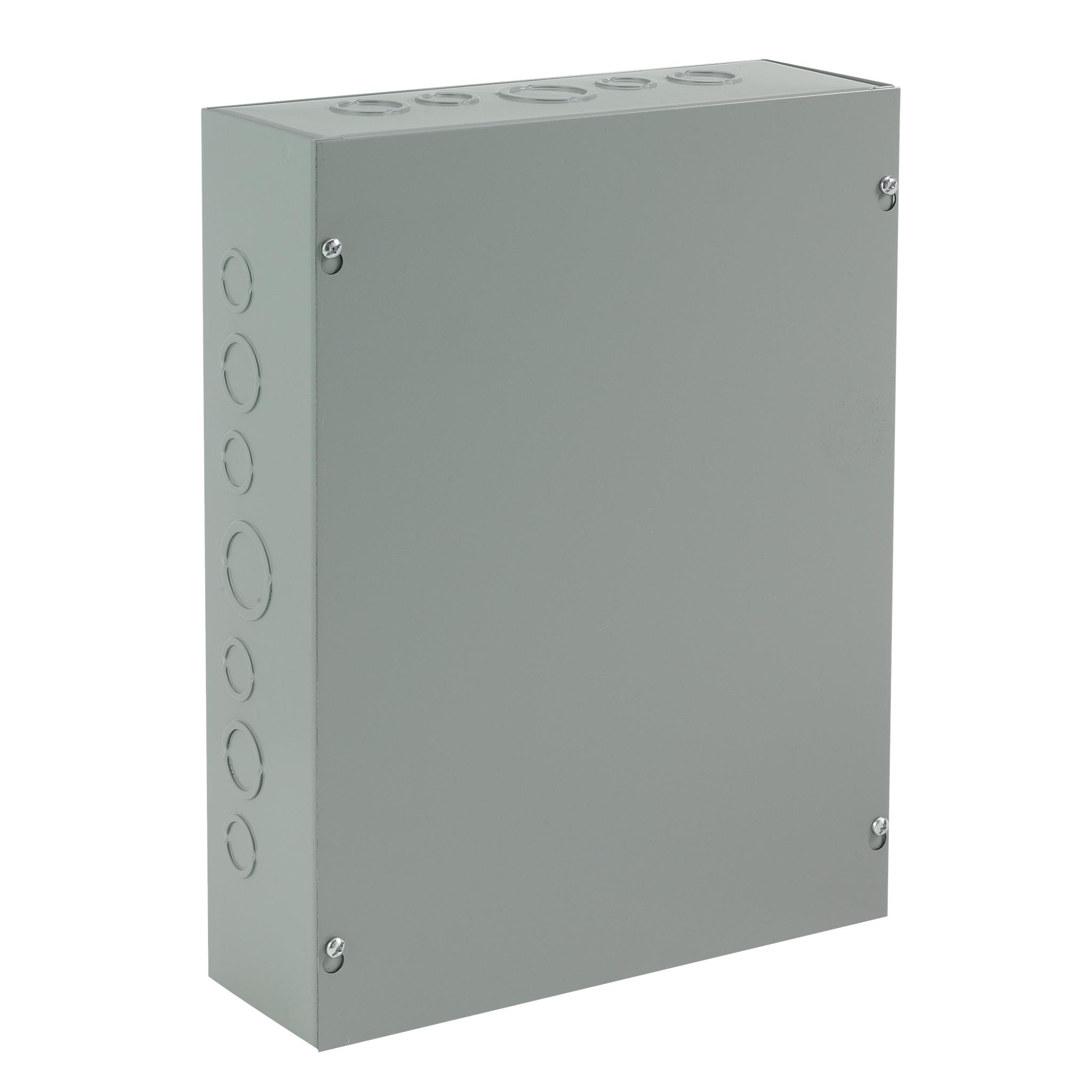
The ASE8X6X3 is a pull box manufactured by Hoffman Enclosures, Inc., designed for electrical component housing. The unit features dimensions of 8.00 inches in length, 6.00 inches in width, and 3.00 inches in depth. Constructed from steel with an ANSI 61 gray polyester powder paint finish, it provides NEMA 12 protection against dust, dirt, and dripping non-corrosive liquids. The enclosure utilizes a continuous hinge design with screw-down clamps for secure closure.
Verify the specific gauge thickness (16 or 14 gauge) required for the application, as specifications may vary. Confirm that the standard delivery time aligns with project schedules. Ensure compatibility with existing panel cutouts and conduit entries before finalizing procurement orders.
Select this model when NEMA 12 ingress protection is necessary for panel-mounted applications. The 8x6x3 inch footprint suits moderate component counts. Verify that the steel construction meets environmental durability requirements compared to plastic alternatives.
This part belongs to the ASE series of pull boxes from Hoffman Enclosures. These units are engineered for general-purpose electrical enclosures where protection from environmental contaminants is required. The series typically includes various sizes to accommodate different internal component layouts.
No public confirmed substitute part numbers are available.
 ASE8X6X3

The Dutch government’s intervention in the control of Nexperia (Anshi Semiconductor) is triggering a chain reaction of turmoil in the global power semiconductor market.…
Read More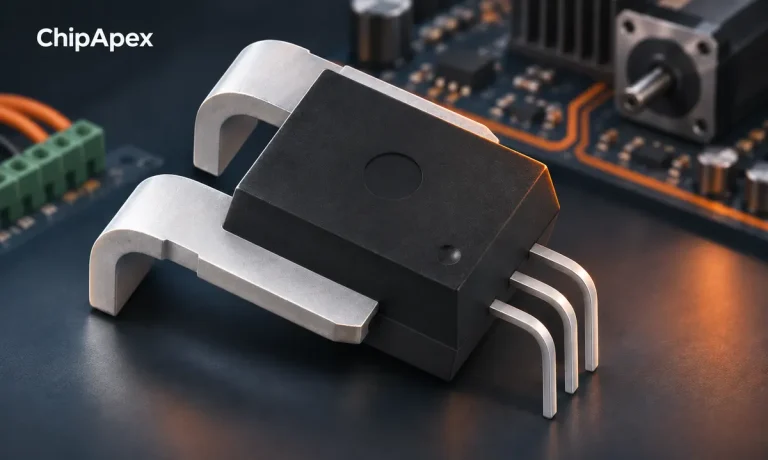
Compare Hall, shunt, current transformer and Rogowski sensing. Check AC/DC capability, accuracy, isolation, heat and response before selecting a sensor.
Read More
If you’ve spent any time staring at a schematic, you’ve seen the triangle. Two inputs, one output, and a gain symbol that looks deceptively…
Read More
In embedded design, the tug-of-war between cost and performance is constant. On one side, you have Microcontrollers (MCUs)—cheap, simple, and efficient. On the other,…
Read More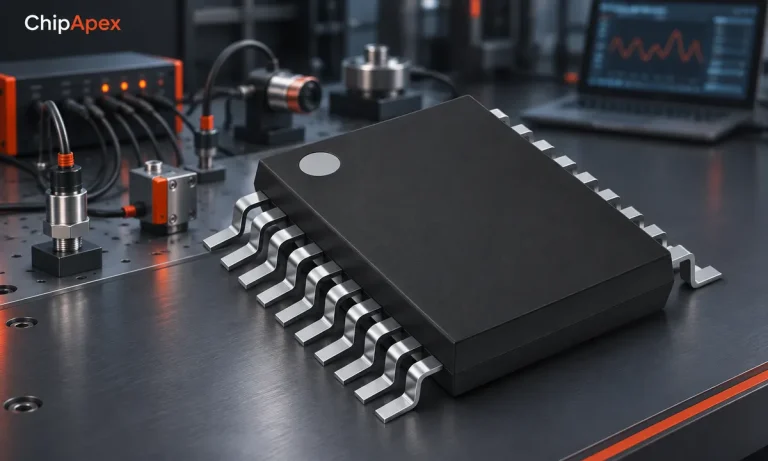
Learn what data acquisition means, from sensors and conditioning to sampling and storage. Review channel timing, wiring, calibration and data quality.
Read More
Learn how a pressure transducer converts pressure into voltage, current, or digital output, and compare pressure references and key selection specs.
Read More
Understand load cell sensor output, bridge wiring and calibration. Learn how mV/V sensitivity, mechanics and ADC noise affect measurement accuracy.
Read More
Choose an AC to DC converter by input range, output demand, isolation, efficiency and thermal derating. Compare architectures and check installation needs.
Read More
Choose an ADC converter by resolution, sample rate, noise and input design. Review practical tradeoffs and prepare component requirements for ChipApex.
Read More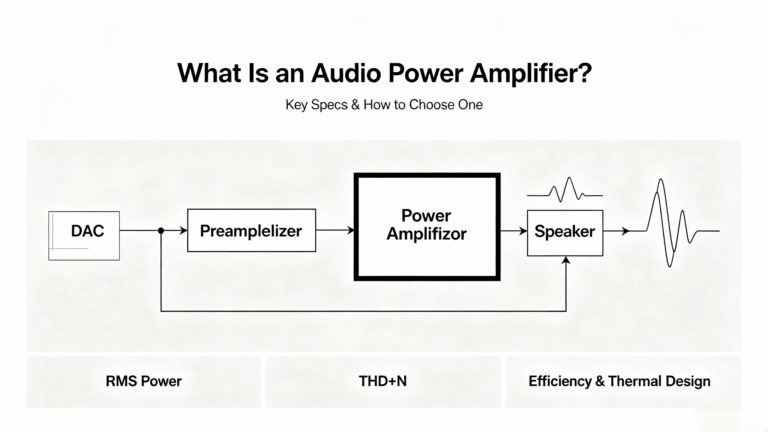
Every audio power amplifier design starts with the same fundamental challenge: converting a low-voltage line-level signal into the high-current drive required by a reactive…
Read More
Understand how a comparator switches at a voltage threshold, why hysteresis prevents chatter, and which output and input specs matter.
Read More
Choose LED drivers by current, string voltage, dimming and thermal limits. Understand constant-current operation and the checks needed for your load.
Read More
The activity of extra discounts on wholesale prices is in full swing…
Please fill in your contact information and we will send you the latest wholesale price list.