ChipApex | Global Electronic Components Supplier

SEARCH
Search Product
Search Post
— IC芯片 | 连接器 | 传感器 | 被动器件 —
Search productSearch post
— IC芯片 | 连接器 | 传感器 | 被动器件 —
Consult the customer manager about the wholesale price.
consultation hotline:86-132-6715-2157
email:[email protected]
Contact the product manager for consultation. One-stop consultation is available.
Do you want a lower wholesale price? Please send us your inquiry and we will reply immediately.
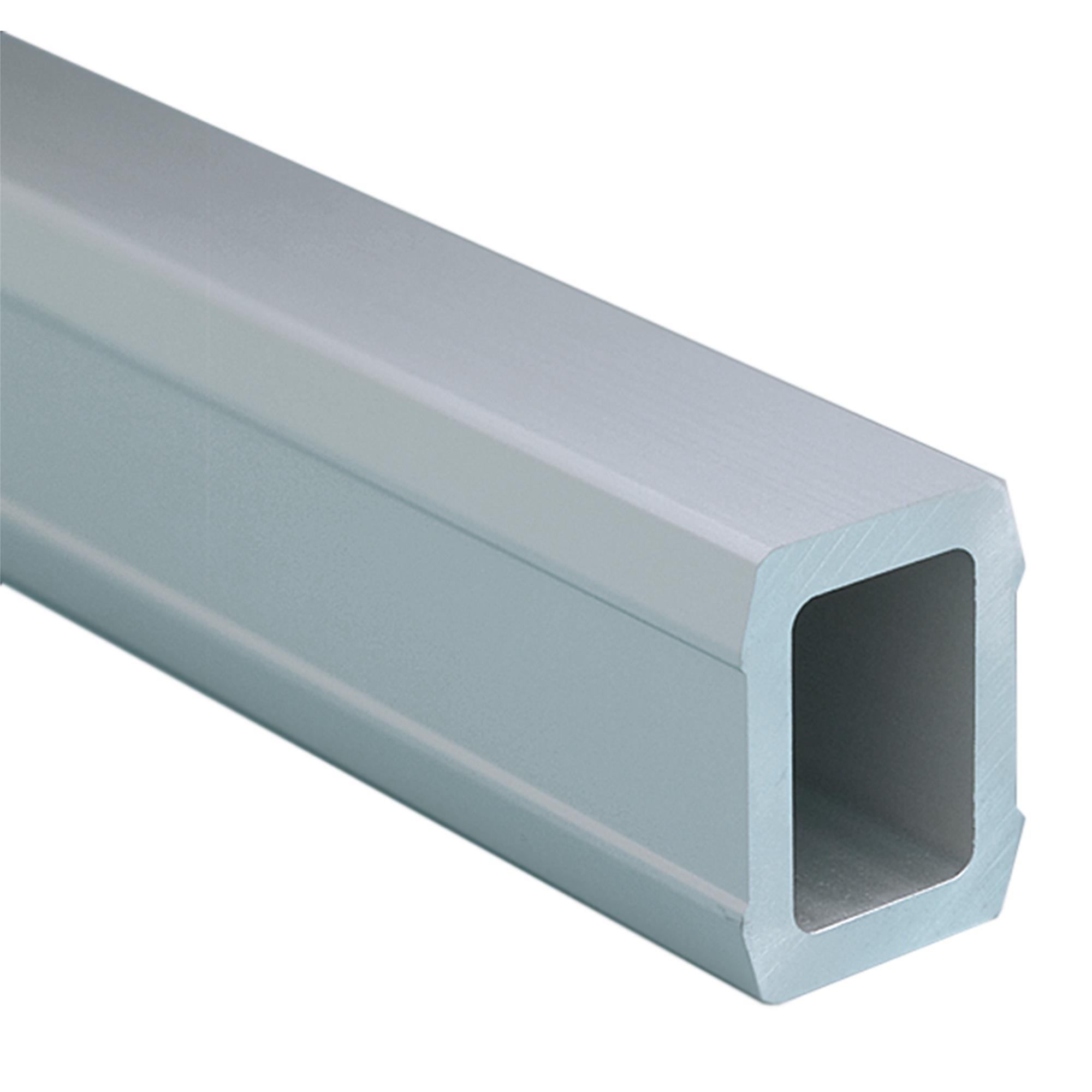
The CCS2T5 is a hollow aluminum extrusion tube designed for the nVent Hoffman Compact Series 2 pendant arm system. It measures 500 mm in length with cross-sectional dimensions of 45 mm by 60 mm. The component serves as a structural support and wiring conduit, featuring a light gray finish. Connection components are secured to the support arm using set screws, ensuring stable integration within industrial enclosure setups.
Verify that the required length matches the 500 mm specification, as other lengths such as 1000 mm and 1500 mm are available in the series. Confirm compatibility with the Compact Series 2 system rather than older Compact models. Ensure set screws are included or sourced separately for securing connection components to the aluminum extrusion.
Select this part when a 500 mm support tube is required for the Compact Series 2 line. Consider longer variants if greater reach is needed. Verify that the application requires an aluminum material for weight and corrosion resistance benefits. Ensure the design accommodates set screw fastening methods for attached hardware.
This tube is part of the nVent Hoffman Compact Series 2 accessory family. It complements other components like the CC4 compact pendant arm system. The product line offers various lengths to suit different enclosure depths and mounting requirements within industrial automation environments.
No direct substitute part numbers are publicly confirmed for this specific model.
 CCS2T5

Recently, global semiconductor manufacturers have been constantly making moves in aspects such as technological cooperation, product manufacturing processes, and market layout, demonstrating the rapid…
Read More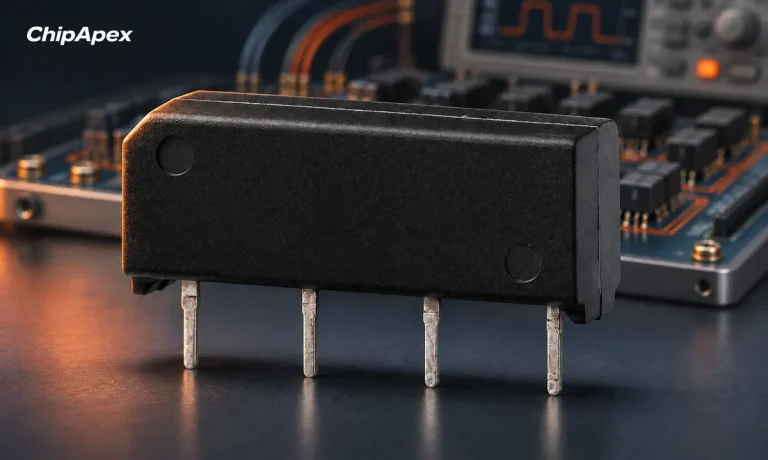
Choose a reed relay for signal switching. Understand hot and cold switching, leakage, contact resistance, isolation and measurement settling requirements.
Read More
Stay ahead with ChipApex Insights — technical deep dives, market trends, and sourcing tips for memory, microcontrollers, power management, and industrial-grade components. Trusted by…
Read More
Learn how a pressure transducer converts pressure into voltage, current, or digital output, and compare pressure references and key selection specs.
Read More
Compare Pt100 and Pt1000 RTDs, two-, three- and four-wire connections, excitation and self-heating. Build an error budget from element to reported temperature.
Read More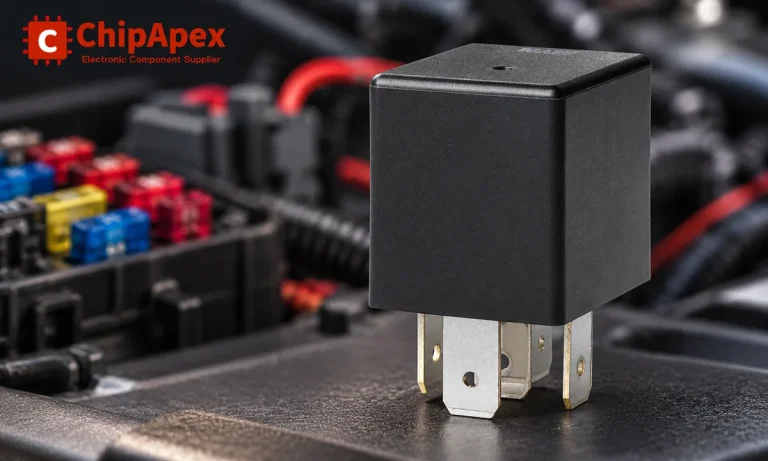
Learn the relay definition, coil and contact operation, NO and NC forms, load ratings and suppression choices. Compare mechanical, reed and solid-state types.
Read More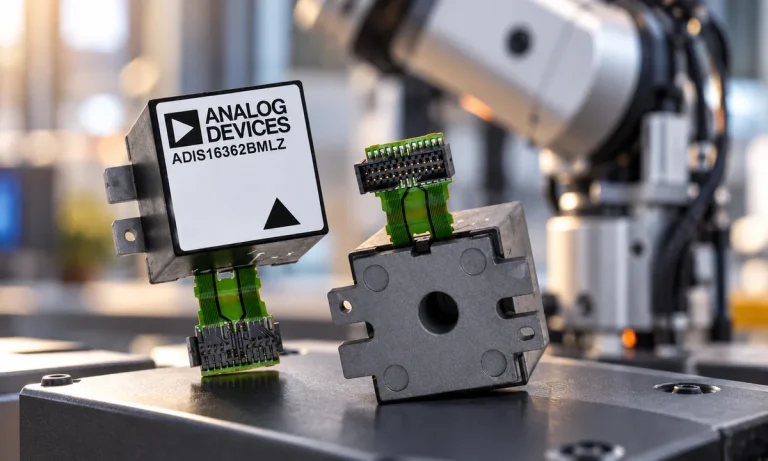
Learn what an IMU measures, how accelerometers and gyroscopes work together, why orientation estimates drift, and what to compare.
Read More
See when an inductor behaves linearly, how DC bias and saturation reduce inductance, and which current and temperature curves to check.
Read More
In the embedded world, general-purpose CPUs are great at running operating systems, and MCUs excel at logic control. But when you need to process…
Read More
Learn how a JFET works and how to compare bias, leakage, noise and pinout. Review practical selection questions for high-impedance analog circuits.
Read More
See how a MEMS gyroscope measures angular rate, why its angle estimate drifts, and which range, noise, interface and temperature specs to compare.
Read More
What Is NOR Flash? Why It Still Powers Critical Embedded Systems When your car’s engine control unit boots in milliseconds…When a medical device executes…
Read More
The activity of extra discounts on wholesale prices is in full swing…
Please fill in your contact information and we will send you the latest wholesale price list.