ChipApex | Global Electronic Components Supplier

SEARCH
Search Product
Search Post
— IC芯片 | 连接器 | 传感器 | 被动器件 —
Search productSearch post
— IC芯片 | 连接器 | 传感器 | 被动器件 —
Consult the customer manager about the wholesale price.
consultation hotline:86-132-6715-2157
email:[email protected]
Contact the product manager for consultation. One-stop consultation is available.
Do you want a lower wholesale price? Please send us your inquiry and we will reply immediately.
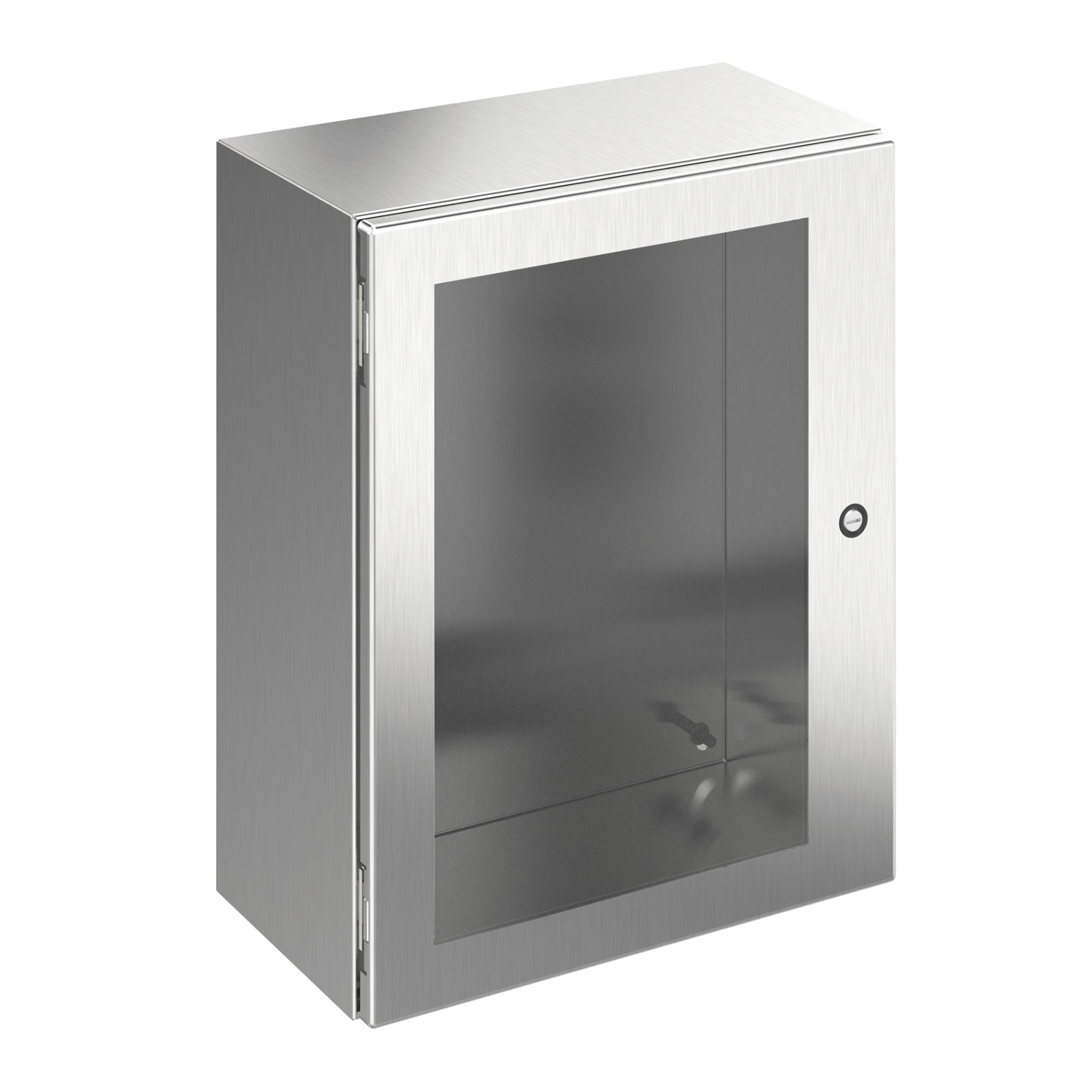
The Hoffman CSD20166WSS is a wall-mount enclosure constructed from stainless steel, designed for industrial environments requiring corrosion resistance. It features a hinged door with a quarter-turn latch mechanism and includes mounting provisions for internal components. The unit provides NEMA 4X protection against water, dust, and corrosion, ensuring reliable operation in harsh conditions. Dimensions are specified as 20 inches in height, 16 inches in width, and 6 inches in depth.
Verify the specific material grade of the stainless steel used in construction, as Hoffman offers various grades such as 304 or 316 depending on the exact configuration. Confirm that the NEMA 4X rating aligns with your environmental requirements. Check for any included accessories like DIN rails or knockout plates that may affect installation planning. Ensure the door hinge orientation matches your spatial constraints.
Select this model when high corrosion resistance is critical compared to standard steel enclosures. Consider the internal volume requirements to ensure adequate space for components. Evaluate the need for additional sealing gaskets if extreme environmental exposure is anticipated. Compare dimensions against available mounting space to ensure fitment within the designated area.
This model belongs to Hoffman's stainless steel enclosure line, which prioritizes longevity in corrosive settings. It is part of a broader range of wall-mount solutions offering varying sizes and materials. The series is commonly specified in industries where hygiene and durability are paramount, such as pharmaceuticals and chemical processing.
Direct replacements must match the external dimensions and mounting hole patterns to ensure compatibility with existing infrastructure. Verify that substitute models offer equivalent NEMA 4X ratings and stainless steel construction. Check for differences in door hardware or hinge styles that might impact accessibility.
 CSD20166WSS

Learn what an IMU measures, how accelerometers and gyroscopes work together, why orientation estimates drift, and what to compare.
Read More
Learn how a pressure transducer converts pressure into voltage, current, or digital output, and compare pressure references and key selection specs.
Read More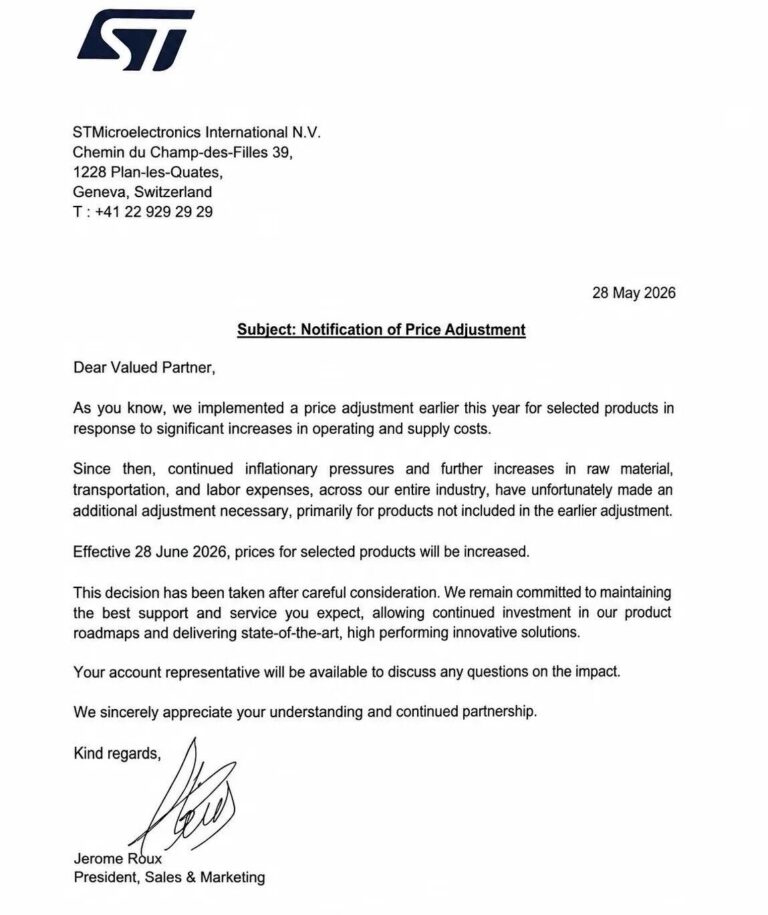
STMicroelectronics (ST), a global leader in semiconductor manufacturing, has officially notified customers of a new round of price increases for selected products, set to…
Read More
Learn what an integrated circuit is, how ICs work, the main types and the specs to check before choosing a part for your design…
Read More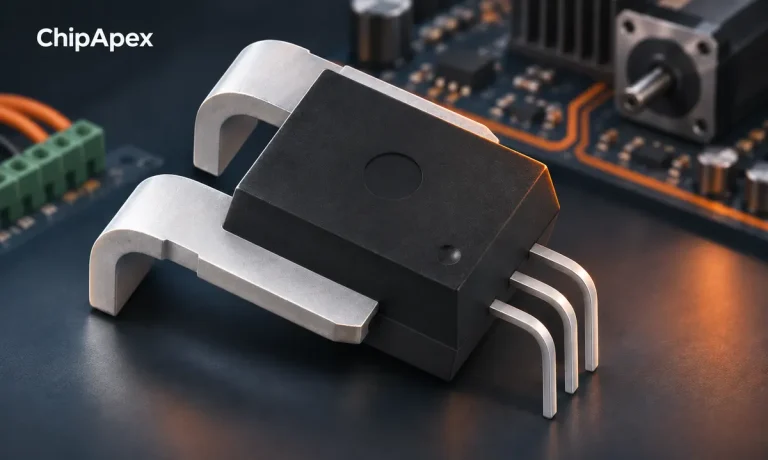
Compare Hall, shunt, current transformer and Rogowski sensing. Check AC/DC capability, accuracy, isolation, heat and response before selecting a sensor.
Read More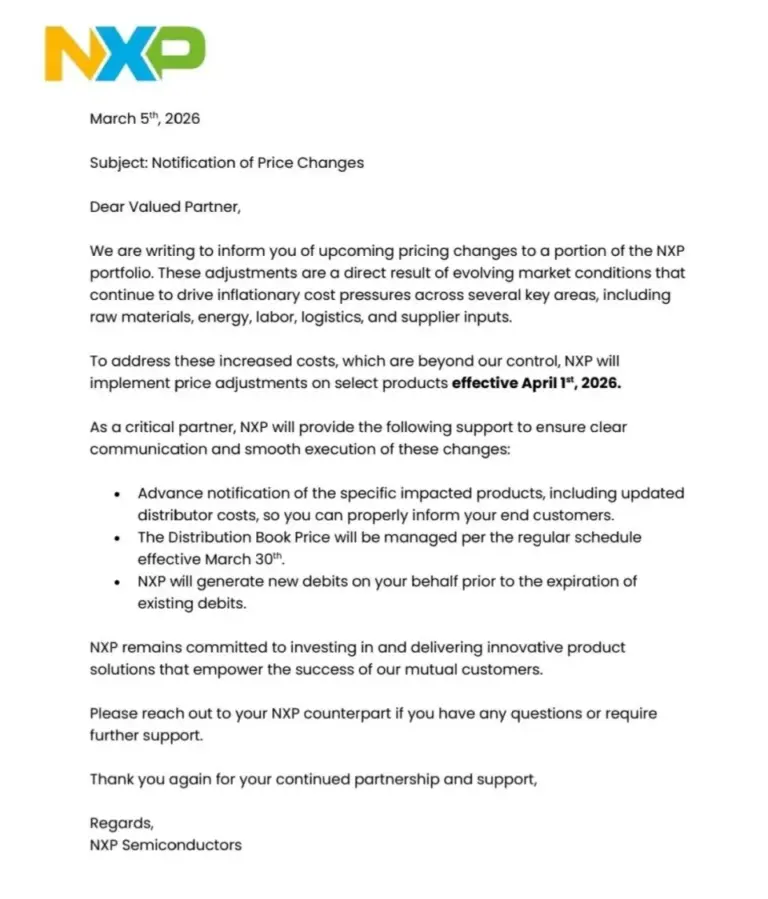
NXP Semiconductors (NASDAQ: NXPI), a global leader in automotive, industrial, and IoT semiconductors, has officially notified customers of an upcoming price adjustment for select…
Read More
Choose LED drivers by current, string voltage, dimming and thermal limits. Understand constant-current operation and the checks needed for your load.
Read More
What Is NAND Flash? A Practical Guide for Engineers & Procurement Teams In today’s data-driven world—from smartphones and SSDs to industrial IoT devices—NAND flash…
Read More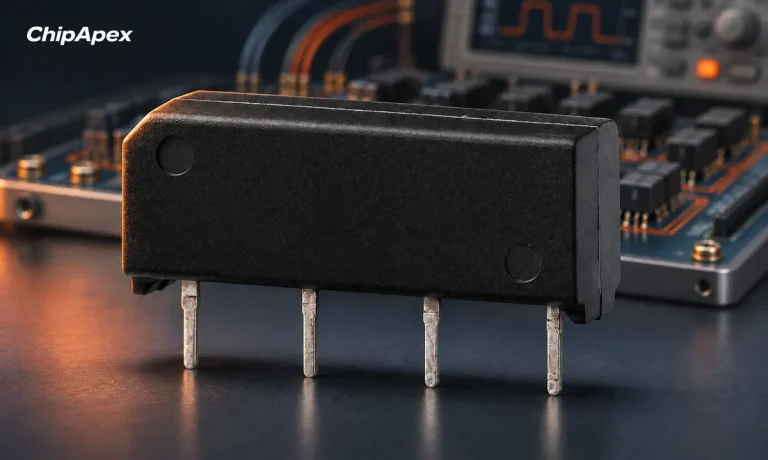
Choose a reed relay for signal switching. Understand hot and cold switching, leakage, contact resistance, isolation and measurement settling requirements.
Read More
Understand tactile switches, PCB and keyboard differences, four-pin wiring, debounce, force, travel and replacement checks for reliable control inputs.
Read More
Learn how an analog front end conditions sensor signals. Compare gain, noise, filtering, ADC settling and integration options before selecting components.
Read More
Understand how oscillators generate timing signals, how they differ from crystals, and which frequency, output and stability specs matter when choosing one.
Read More
The activity of extra discounts on wholesale prices is in full swing…
Please fill in your contact information and we will send you the latest wholesale price list.