ChipApex | Global Electronic Components Supplier

SEARCH
Search Product
Search Post
— IC芯片 | 连接器 | 传感器 | 被动器件 —
Search productSearch post
— IC芯片 | 连接器 | 传感器 | 被动器件 —
Consult the customer manager about the wholesale price.
consultation hotline:86-132-6715-2157
email:[email protected]
Contact the product manager for consultation. One-stop consultation is available.
Do you want a lower wholesale price? Please send us your inquiry and we will reply immediately.
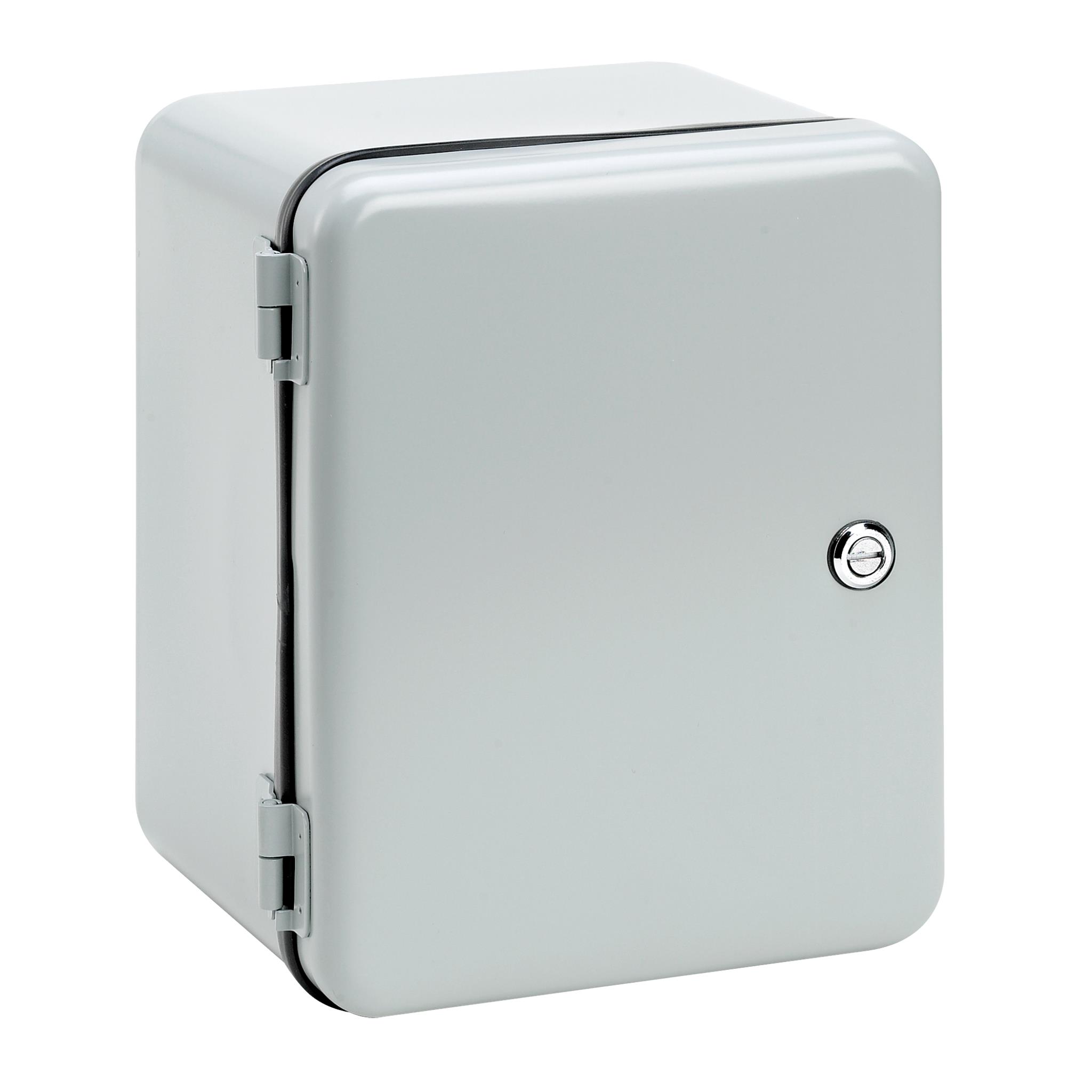
The Hoffman D12106IS is a steel electrical enclosure designed for industrial environments. It features an NEMA 4X rating, providing protection against corrosion, dust, and water ingress. The unit measures 12 inches in width, 10 inches in height, and 6 inches in depth. Constructed from stainless steel, it offers durability in harsh conditions. The enclosure includes a hinged door with a latch mechanism for secure access.
Verify the specific material grade of the stainless steel used in manufacturing to ensure compatibility with your environmental requirements. Confirm that the hinge and latch mechanisms meet the mechanical stress expectations of your installation site. Check for any required accessories such as gaskets or mounting hardware that may not be included in the standard package.
Consider the thermal management needs of the internal components when selecting this enclosure. Ensure that the internal volume accommodates all necessary wiring and devices with adequate spacing. Evaluate the need for additional knockouts or cutouts for cable entries based on the specific application layout.
This model belongs to Hoffman's line of stainless steel enclosures, which are engineered for high-corrosion environments. It is part of a series that prioritizes longevity and safety in demanding industrial settings. The design focuses on robust protection while maintaining ease of access for maintenance.
When replacing existing units, verify dimensional compatibility with current mounting structures. Ensure that the new enclosure meets or exceeds the ingress protection standards of the previous model. Check for any changes in weight or structural integrity that might affect support brackets.
 D12106IS
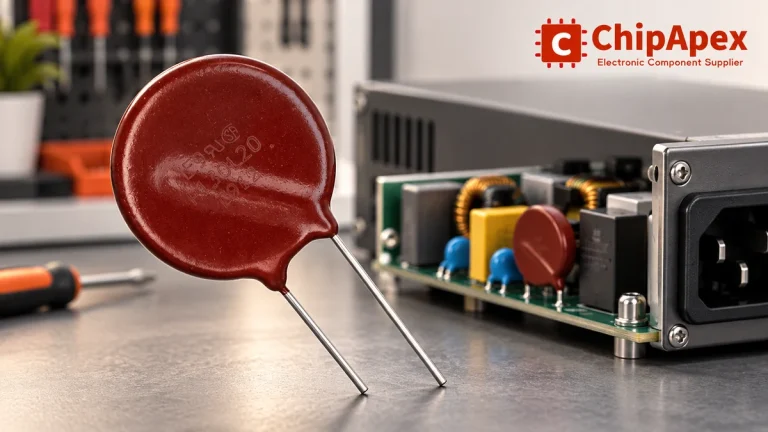
Select MOV varistors by continuous voltage, clamping behavior, surge waveform and repetition. Check thermal disconnection, fuse coordination and replacements.
Read More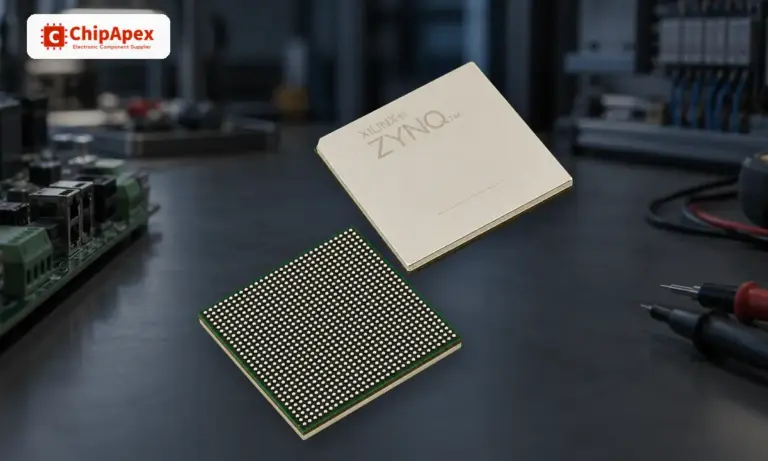
Learn what an integrated circuit is, how ICs work, the main types and the specs to check before choosing a part for your design…
Read More
Select a DC-DC converter by input range, topology, isolation and temperature. Compare ripple, efficiency and load limits before choosing a component.
Read More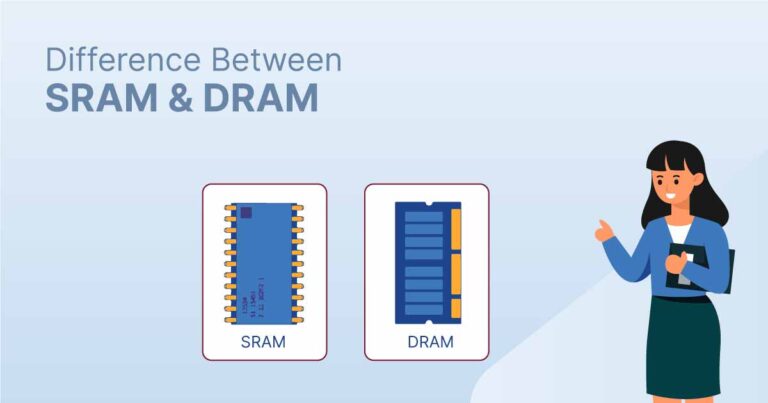
In an era dominated by AI accelerators with terabytes of HBM memory and consumer devices racing toward LPDDR5X bandwidth, it’s easy to wonder: why…
Read More
Choose logic inverter ICs by thresholds, supply, output drive and delay. Compare standard and Schmitt-trigger inputs, power sequencing and replacement checks.
Read More
If you’ve spent any time staring at a schematic, you’ve seen the triangle. Two inputs, one output, and a gain symbol that looks deceptively…
Read More
On September 22nd, it was reported that Samsung Electronics, the South Korean tech giant, had successfully passed NVIDIA’s certification test for its 12-layer HBM3E…
Read More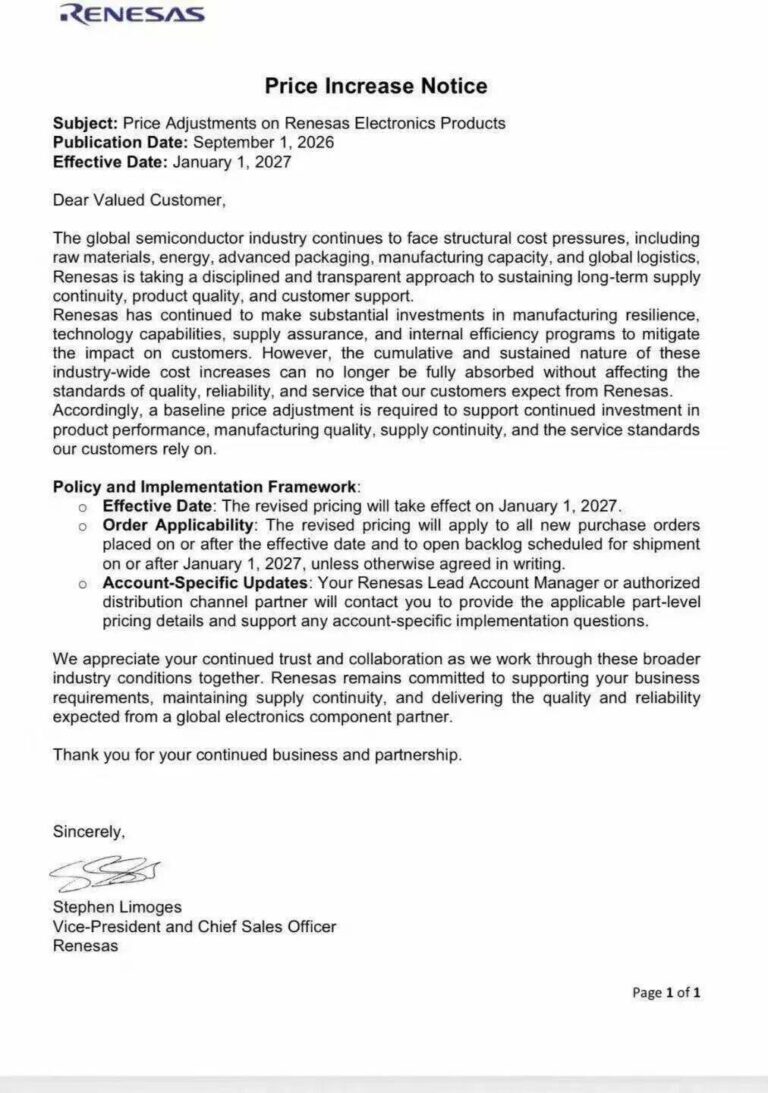
TOKYO — Global leading semiconductor and power electronic components manufacturer Renesas Electronics officially issued a new price adjustment notice in early September 2026, confirming…
Read More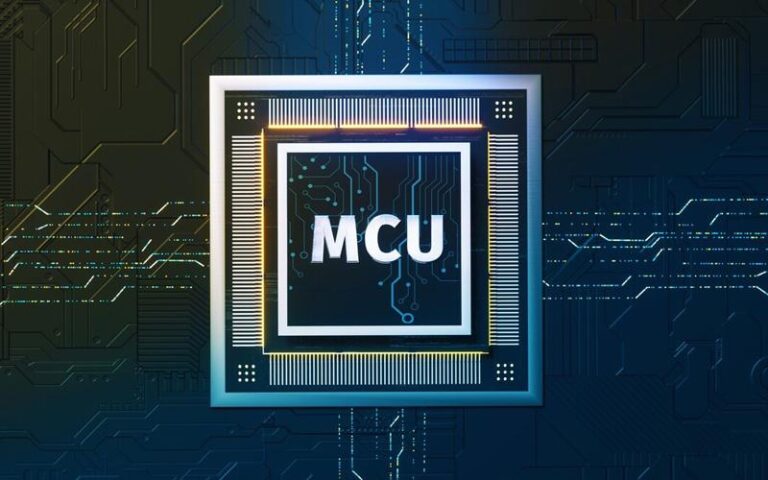
Selecting the right microcontroller (MCU) isn’t just about specs—it’s about balancing performance, power, cost, and supply chain reliability. As an engineer, you’ve probably faced…
Read More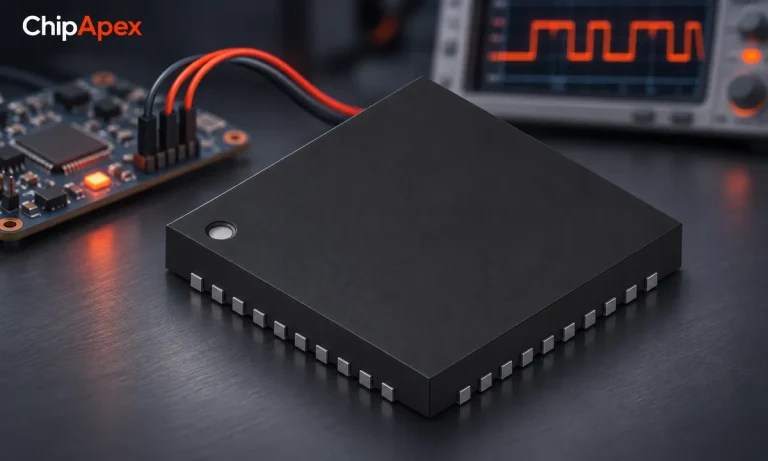
Understand UART protocol framing, baud rate and electrical interfaces. Learn 8N1 timing, TX/RX wiring, buffering and practical troubleshooting steps.
Read More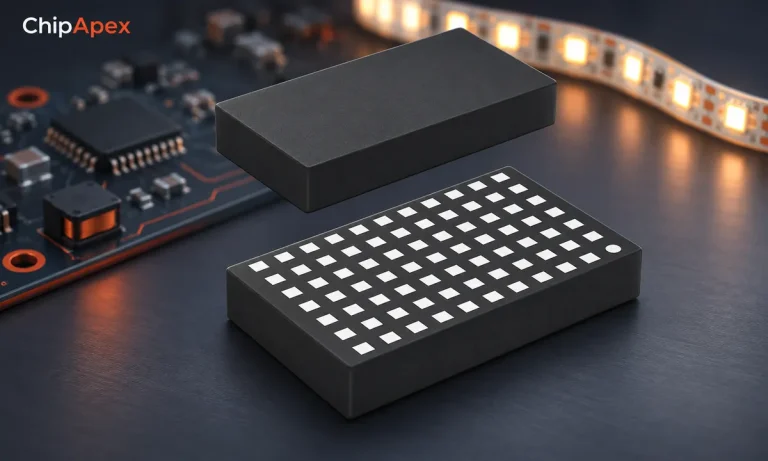
Choose LED drivers by current, string voltage, dimming and thermal limits. Understand constant-current operation and the checks needed for your load.
Read More
Compare thermistors, RTDs, thermocouples and temperature ICs. Learn how range, accuracy, response, interfaces and mounting affect component selection.
Read More
The activity of extra discounts on wholesale prices is in full swing…
Please fill in your contact information and we will send you the latest wholesale price list.