ChipApex | Global Electronic Components Supplier

SEARCH
Search Product
Search Post
— IC芯片 | 连接器 | 传感器 | 被动器件 —
Search productSearch post
— IC芯片 | 连接器 | 传感器 | 被动器件 —
Consult the customer manager about the wholesale price.
consultation hotline:86-132-6715-2157
email:[email protected]
Contact the product manager for consultation. One-stop consultation is available.
Do you want a lower wholesale price? Please send us your inquiry and we will reply immediately.
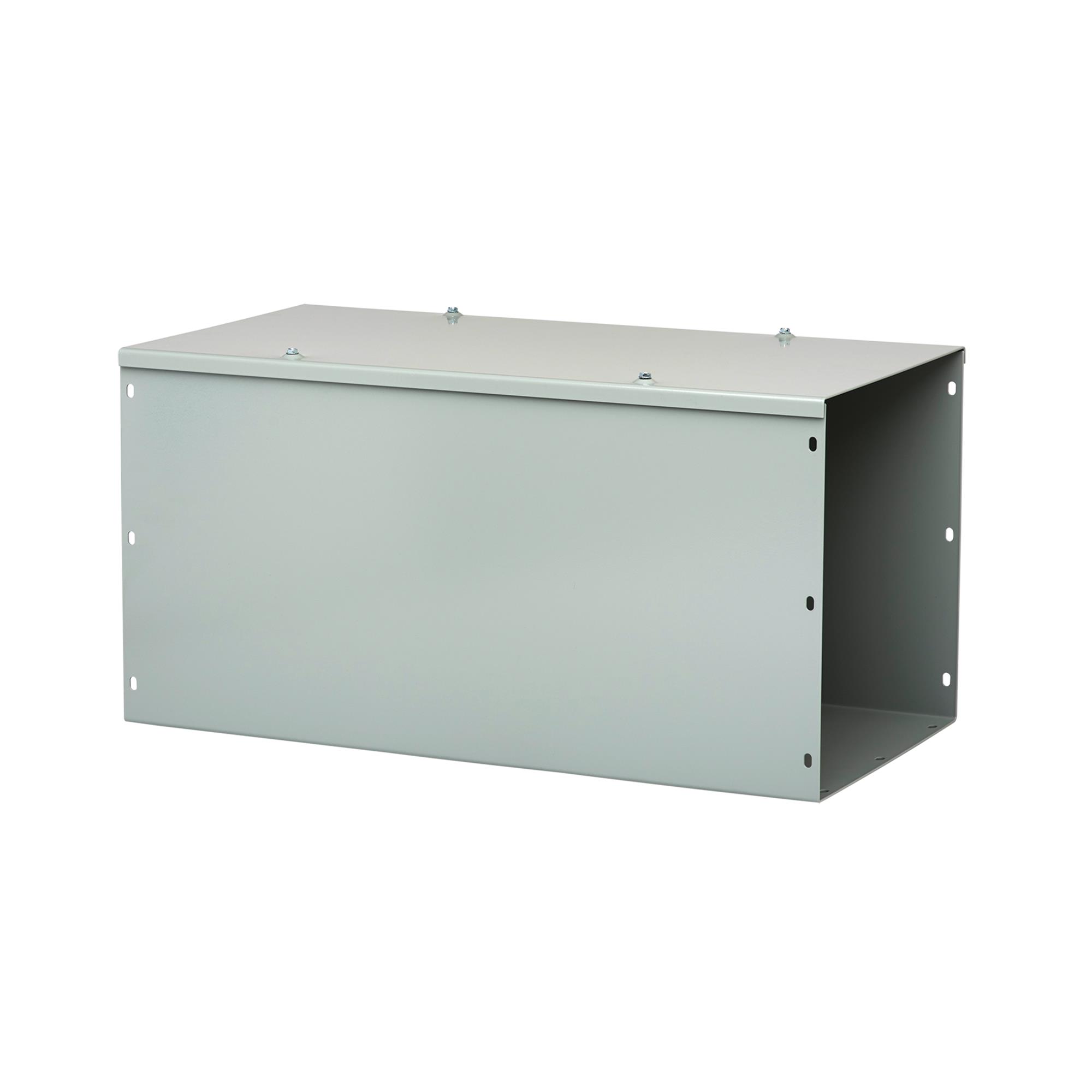
The Hoffman Enclosures Inc. F44G72WK is a Type 1 indoor lay-in wireway straight section constructed from steel with a light gray finish. It measures 4 inches in height and width, with a length of 72 inches (1.83 meters). The unit features a hinged cover and includes knockouts for cable entry. Designed for enclosing wire and cable runs, the open-side construction allows for direct placement of conductors without pulling.
Verify that the application environment meets Type 1 indoor requirements, as this component lacks environmental sealing. Confirm that the 4x4 inch cross-section accommodates the total cable bundle diameter. Ensure structural supports are compatible with the 72-inch span to prevent sagging. Check knockout configurations against specific conduit or cable entry needs before installation.
Select this model when a straight run of enclosed cabling is required without the complexity of pulling wires through closed conduits. The 4x4 inch dimensions suit moderate cable volumes. The hinged cover allows for maintenance access. Consider adjacent sections and end caps to complete the wireway system layout effectively.
This component belongs to the Hoffman F40 series of lay-in wireways. It serves as a linear segment within a larger cable management network. It pairs with other straight sections, elbows, and tees to form continuous pathways. The steel construction provides mechanical protection for internal wiring in standard industrial environments.
Direct substitutes include other 4x4 inch by 72-inch Type 1 steel wireway sections with hinged covers. Verify that alternative models maintain the same lay-in functionality and knockout availability. Ensure material thickness and finish compatibility with existing system components.
 F44G72WK
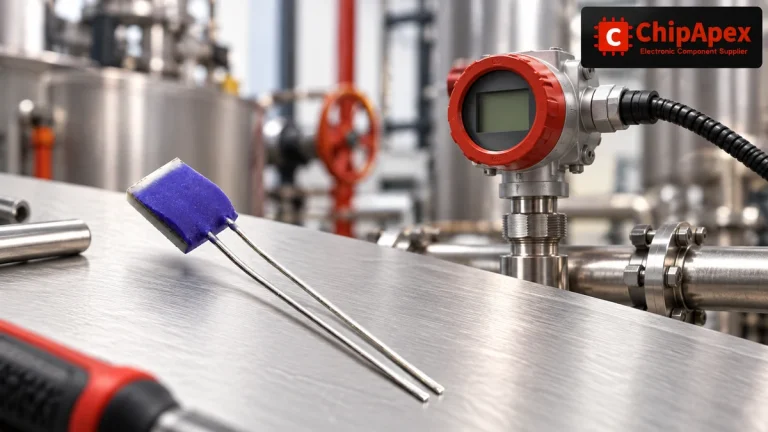
Compare Pt100 and Pt1000 RTDs, two-, three- and four-wire connections, excitation and self-heating. Build an error budget from element to reported temperature.
Read More
As 2025 draws to a close, the global semiconductor industry stands at a crossroads. Intertwined with escalating geopolitical tensions, supply chain disruptions, and groundbreaking…
Read More
Find out when a bare shock switch needs a pull resistor, when an MCU internal pull-up is enough, and why sensor modules and piezo…
Read More
Understand how oscillators generate timing signals, how they differ from crystals, and which frequency, output and stability specs matter when choosing one.
Read More
Recently, a survey by the Electronic Components Industry Association (ECIA) revealed that the sales sentiment of global electronic components remained optimistic in the third…
Read More
If you’ve spent any time staring at a schematic, you’ve seen the triangle. Two inputs, one output, and a gain symbol that looks deceptively…
Read More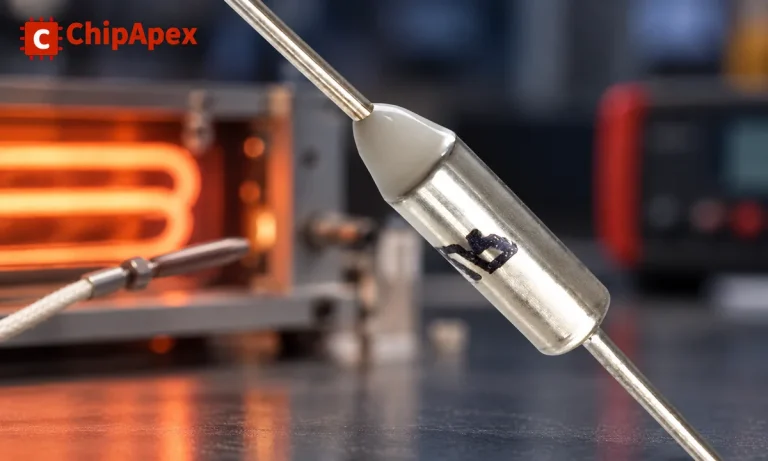
Understand thermal fuse operation, Tf, Th and Tm, electrical ratings and mounting. Check temperature limits and replacement requirements for your design.
Read More
Compare RC, crystal and MEMS oscillator circuits. Check ppm, jitter, load capacitance, startup margin and output compatibility before choosing a clock source.
Read More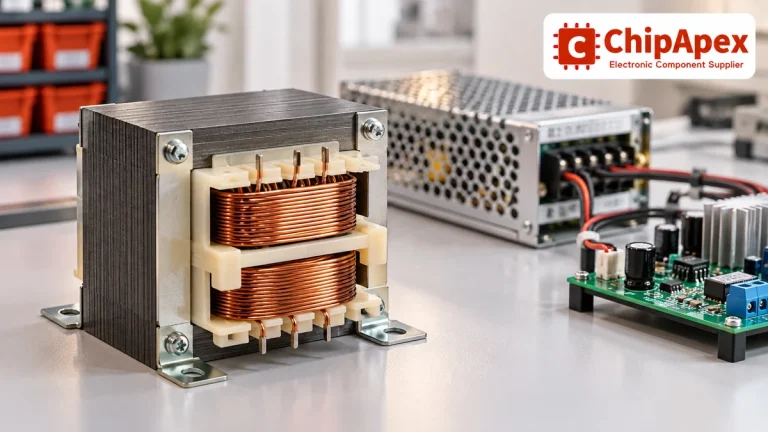
Select power transformers by input frequency, secondary VA, rectifier load, isolation, regulation and inrush. Build a clearer specification for your next RFQ.
Read More
TOKYO — Global leading semiconductor and power electronic components manufacturer Renesas Electronics officially issued a new price adjustment notice in early September 2026, confirming…
Read More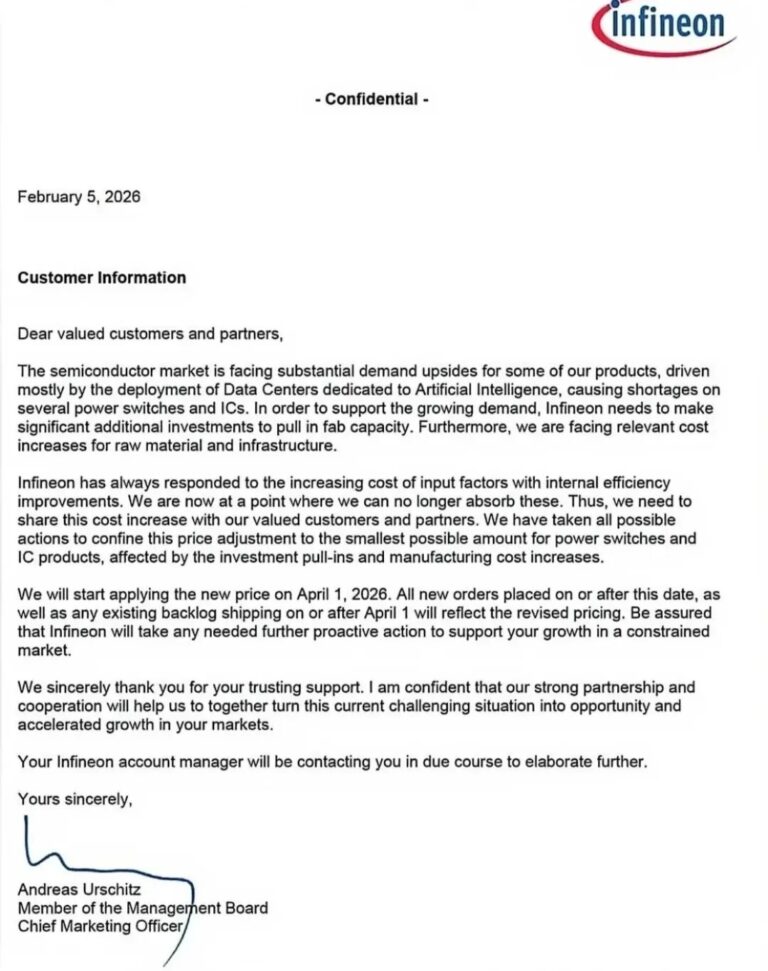
Munich, Germany – February 8, 2026 — Infineon Technologies, the German semiconductor giant, officially issued a price increase notice on February 5, announcing that…
Read More
On September 22nd, it was reported that Samsung Electronics, the South Korean tech giant, had successfully passed NVIDIA’s certification test for its 12-layer HBM3E…
Read More
The activity of extra discounts on wholesale prices is in full swing…
Please fill in your contact information and we will send you the latest wholesale price list.