ChipApex | Global Electronic Components Supplier

SEARCH
Search Product
Search Post
— IC芯片 | 连接器 | 传感器 | 被动器件 —
Search productSearch post
— IC芯片 | 连接器 | 传感器 | 被动器件 —
Consult the customer manager about the wholesale price.
consultation hotline:86-132-6715-2157
email:chipapex@foxmail.com
Contact the product manager for consultation. One-stop consultation is available.
Do you want a lower wholesale price? Please send us your inquiry and we will reply immediately.
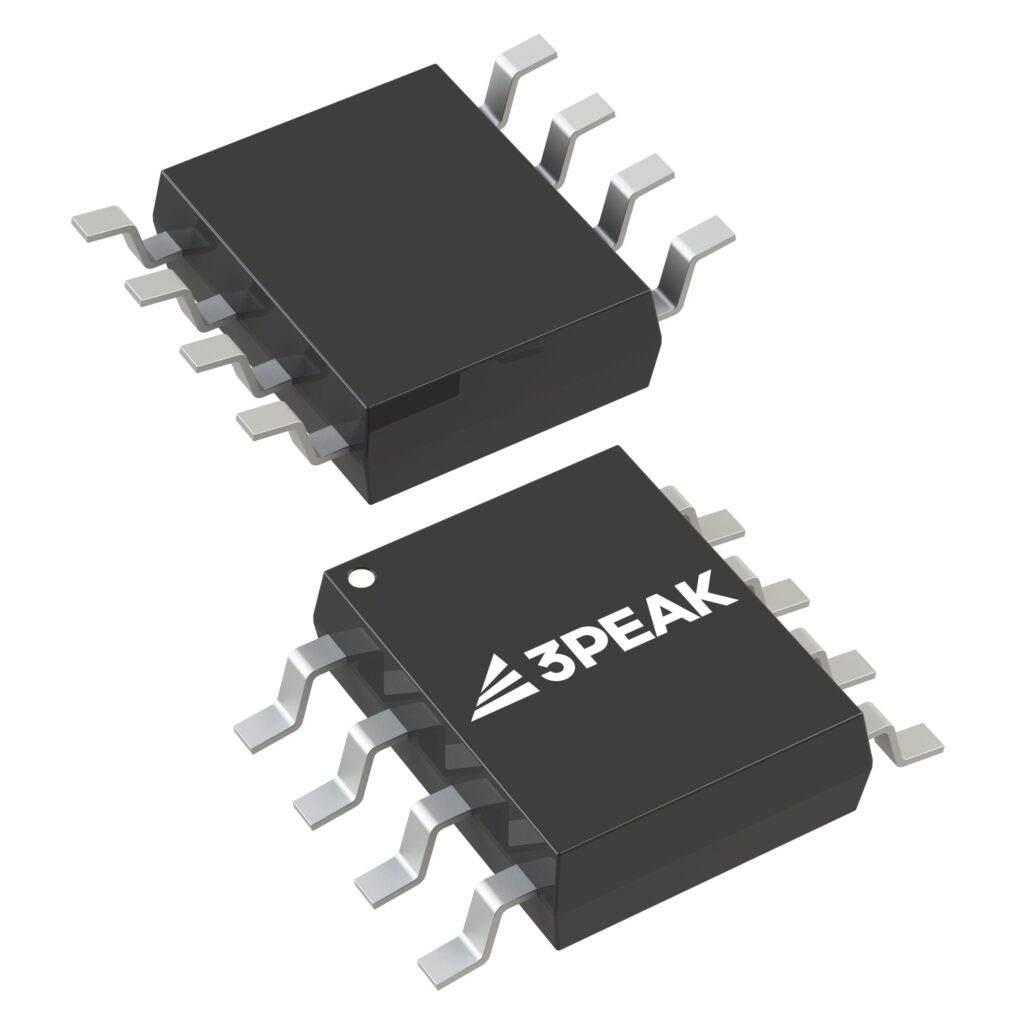
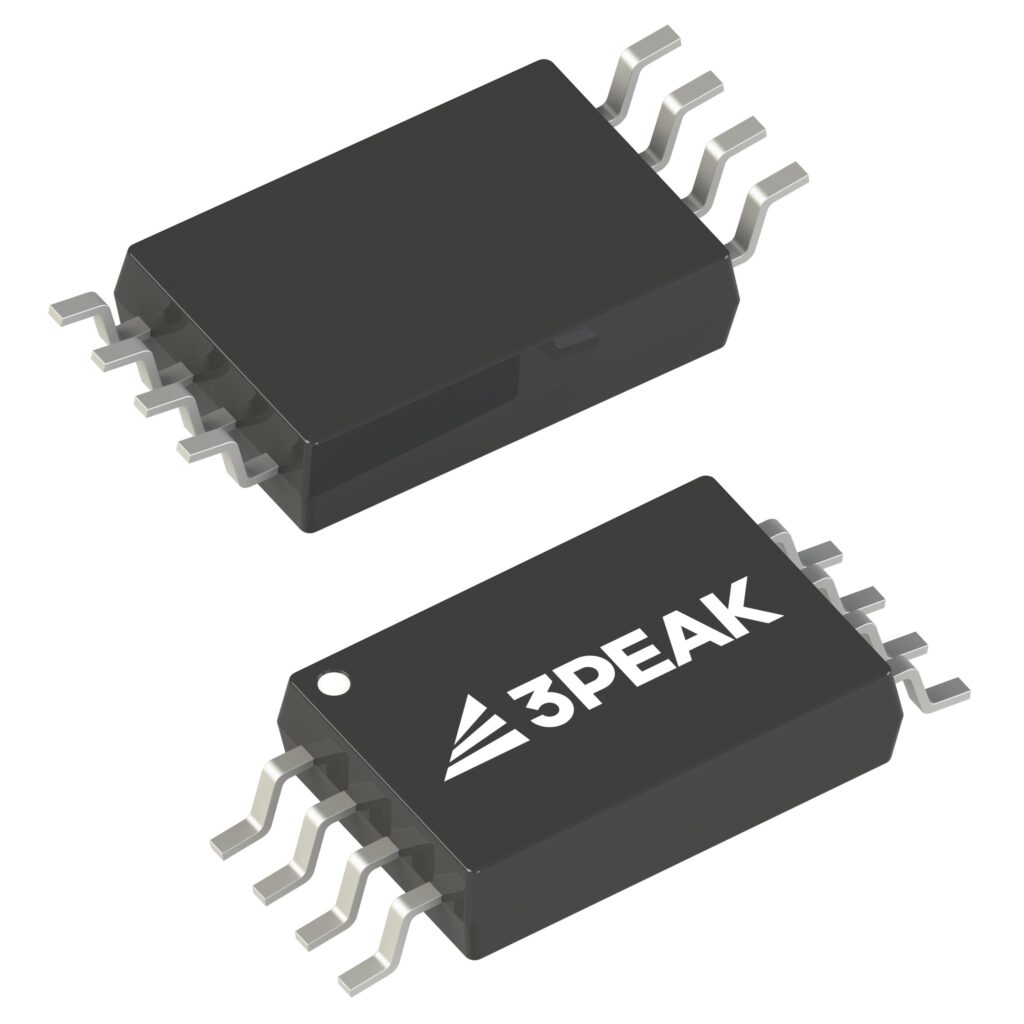
TSV852IST is listed in the Instrumentation, Op Amps, Buffer Amps range at ChipApex. The manufacturer field lists STMicroelectronics. Its product description is IC OPAMP GP 2 CIRCUIT 8MINISO. Review the specifications below when checking this part for your BOM.
The TSV852IST is a dual-channel low-power operational amplifier from STMicroelectronics, housed in an 8-pin MiniSO package. It operates on a supply voltage range of 2.3 V to 5.5 V with a typical quiescent current of 120 µA per channel. Key electrical specifications include a gain-bandwidth product of 1.3 MHz, a slew rate of 600 mV/µs, and an input offset voltage of 4 mV. The device features an input bias current of 60 nA, a common-mode rejection ratio of 70 dB, and can deliver up to 26 mA output current per channel.
Verify the specific suffix IST corresponds to the MiniSO-8 package and standard performance parameters rather than the AIST variant which may differ in offset voltage or slew rate. Confirm RoHS compliance status through official documentation before integration. Ensure design compatibility with the specified 2.3 V to 5.5 V supply range and thermal requirements for the MiniSO-8 footprint.
Select this component when a dual-channel op-amp with rail-to-rail output is required in a compact MiniSO-8 package. It is suitable for applications needing low power consumption under 180 µA at 5 V. Consider the TSV852IDT if an SOIC-8 package is preferred, or the TSV852AIST if tighter offset voltage specifications are necessary for high-accuracy applications.
The TSV852IST belongs to the TSV85x series of general-purpose operational amplifiers designed by STMicroelectronics. This series includes single, dual, and quad variants offering low voltage operation and high accuracy. The TSV852 specifically provides two channels in a small form factor, targeting cost-sensitive and space-constrained designs in consumer and automotive electronics.
TSV852IDT: Dual-channel version in SOIC-8 package. TSV852AIST: Dual-channel version in MiniSO-8 package with potentially enhanced offset voltage specifications.
Explore related parts through Amplifiers, Linear, Integrated Circuits (ICs), all product categories.
 TSV852IST

Choose an AC to DC converter by input range, output demand, isolation, efficiency and thermal derating. Compare architectures and check installation needs.
Read More
Learn why PTC resistance rises with temperature, how it differs from NTC, and which ratings matter for sensing and protection.
Read More
Understand tactile switches, PCB and keyboard differences, four-pin wiring, debounce, force, travel and replacement checks for reliable control inputs.
Read More
TSV852IST is listed in the Instrumentation, Op Amps, Buffer Amps range at ChipApex. The manufacturer field lists STMicroelectronics. Its product description is IC OPAMP…
Read More
Compare thermistors, RTDs, thermocouples and temperature ICs. Learn how range, accuracy, response, interfaces and mounting affect component selection.
Read More
TSV852IST is listed in the Instrumentation, Op Amps, Buffer Amps range at ChipApex. The manufacturer field lists STMicroelectronics. Its product description is IC OPAMP…
Read More
TSV852IST is listed in the Instrumentation, Op Amps, Buffer Amps range at ChipApex. The manufacturer field lists STMicroelectronics. Its product description is IC OPAMP…
Read More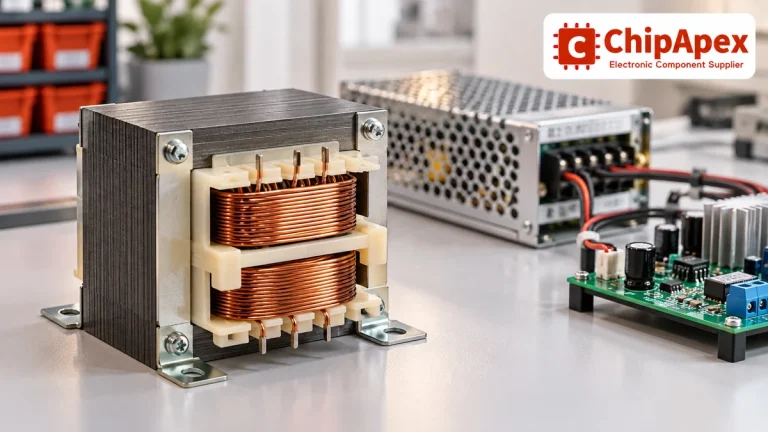
Select power transformers by input frequency, secondary VA, rectifier load, isolation, regulation and inrush. Build a clearer specification for your next RFQ.
Read More
TSV852IST is listed in the Instrumentation, Op Amps, Buffer Amps range at ChipApex. The manufacturer field lists STMicroelectronics. Its product description is IC OPAMP…
Read More
Understand RF attenuator dB values, fixed and programmable types, impedance, power limits and noise tradeoffs before choosing parts for an RF signal path.
Read More
Compare Pt100 and Pt1000 RTDs, two-, three- and four-wire connections, excitation and self-heating. Build an error budget from element to reported temperature.
Read More
See when an inductor behaves linearly, how DC bias and saturation reduce inductance, and which current and temperature curves to check.
Read More
The activity of extra discounts on wholesale prices is in full swing…
Please fill in your contact information and we will send you the latest wholesale price list.