ChipApex | Global Electronic Components Supplier

SEARCH
Search Product
Search Post
— IC芯片 | 连接器 | 传感器 | 被动器件 —
Search productSearch post
— IC芯片 | 连接器 | 传感器 | 被动器件 —
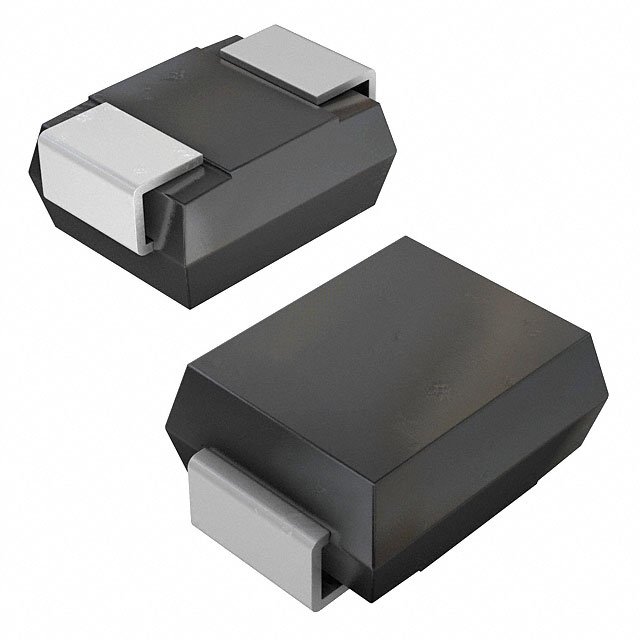
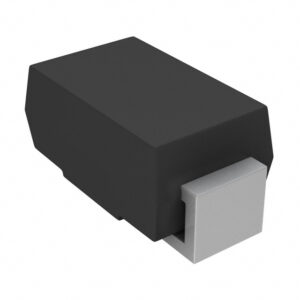
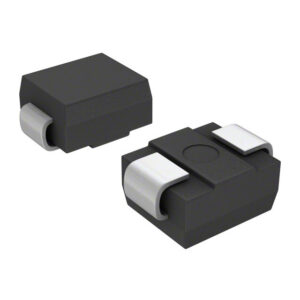
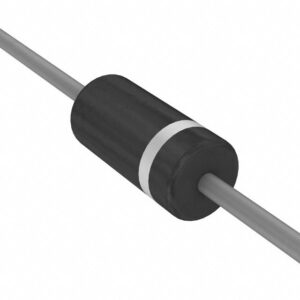
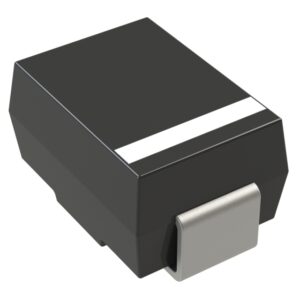
TVS Diodes are a semiconductor device designed to limit or stop surges in a specific voltage level. The items in this family are designed using diodes (a component that conducts in just one direction). TVS is an acronym for Transient Voltage Suppression (Suppressor). The types are steering (rail to rail) or Zener with the characteristics of unidirectional channels, bidirectional channels, voltage – reverse standoff, voltage – breakdown, voltage – clamping, current – peak pulse, power – peak pulse, and power line protection.
| Select products | Mfr | Description | Package | Supplier Device Package | Mounting Type | Series | Operating Temperature |
|---|---|---|---|---|---|---|---|
| Vishay General Semiconductor - Diodes Division | TVS DIODE 102VWM 165VC DO214AB | Tape & Reel (TR) | DO-214AB (SMCJ) | Surface Mount | 1.5SMC, TransZorb® | -65°C ~ 150°C (TJ) | |
| Vishay General Semiconductor - Diodes Division | TVS DIODE 102VWM 165VC DO214AB | Tape & Reel (TR) | DO-214AB (SMCJ) | Surface Mount | 1.5SMC, TransZorb® | -65°C ~ 150°C (TJ) | |
| Vishay General Semiconductor - Diodes Division | TVS DIODE 102VWM 165VC DO214AB | Tape & Reel (TR) | DO-214AB (SMC) | Surface Mount | 1.5SMC, TransZorb® | -65°C ~ 150°C (TJ) | |
| Vishay General Semiconductor - Diodes Division | TVS DIODE 102VWM 165VC DO214AB | Tape & Reel (TR) | DO-214AB (SMC) | Surface Mount | 1.5SMC, TransZorb® | -65°C ~ 150°C (TJ) | |
| Taiwan Semiconductor Corporation | TVS DIODE 102VWM 165VC DO214AB | Tape & Reel (TR) | DO-214AB (SMC) | Surface Mount | 1.5SMC | -55°C ~ 150°C (TJ) | |
| Taiwan Semiconductor Corporation | TVS DIODE 102VWM 165VC DO214AB | Tape & Reel (TR) | DO-214AB (SMC) | Surface Mount | 1.5SMC | -55°C ~ 150°C (TJ) | |
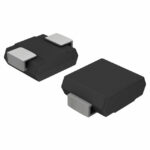 1.5SMC120CH $0.20 | Taiwan Semiconductor Corporation | TVS DIODE 97.2VWM 173V DO214AB | Tape & Reel (TR) | DO-214AB (SMC) | Surface Mount | 1.5SMC | -55°C ~ 150°C (TJ) |
1.5SMC120H $0.20 | Taiwan Semiconductor Corporation | TVS DIODE 97.2VWM 173V DO214AB | Tape & Reel (TR) | DO-214AB (SMC) | Surface Mount | 1.5SMC | -55°C ~ 150°C (TJ) |
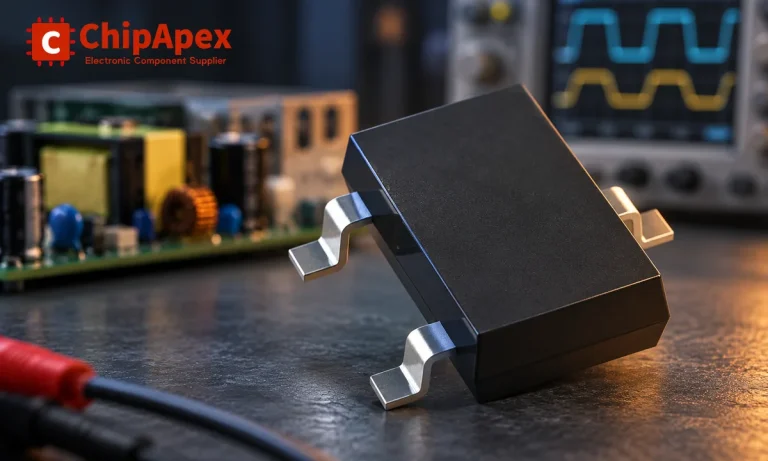
Learn how rectifiers convert AC to DC, compare half-wave and bridge circuits, and select voltage, current, recovery and thermal ratings for your design.
Read More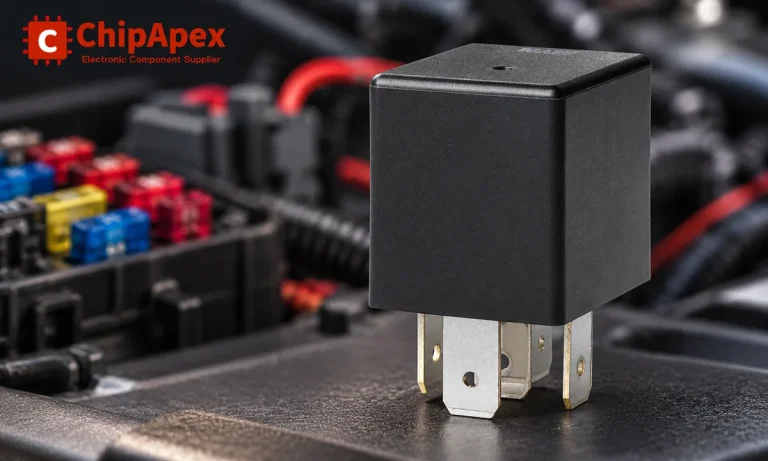
Learn the relay definition, coil and contact operation, NO and NC forms, load ratings and suppression choices. Compare mechanical, reed and solid-state types.
Read More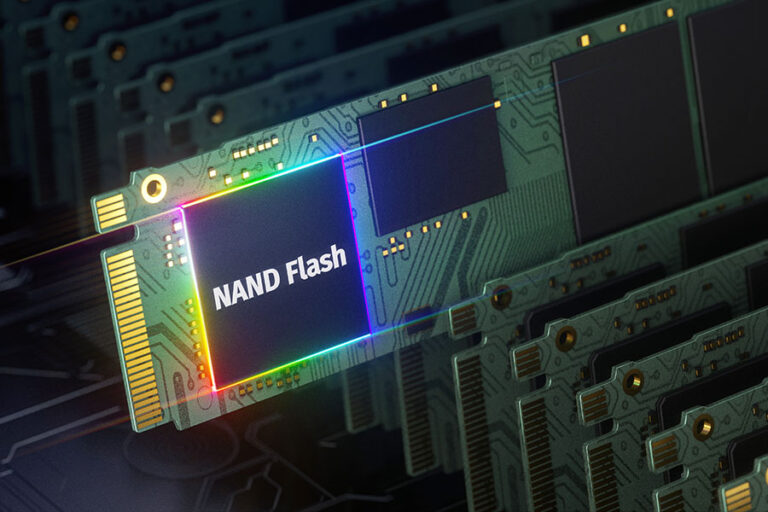
What Is NAND Flash? A Practical Guide for Engineers & Procurement Teams In today’s data-driven world—from smartphones and SSDs to industrial IoT devices—NAND flash…
Read More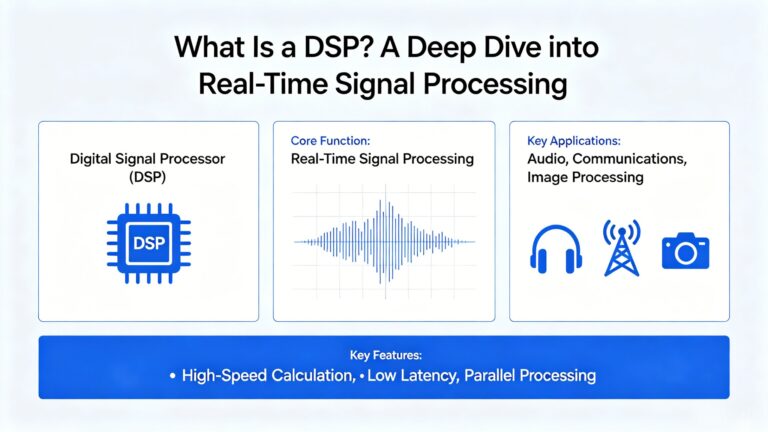
In the embedded world, general-purpose CPUs are great at running operating systems, and MCUs excel at logic control. But when you need to process…
Read More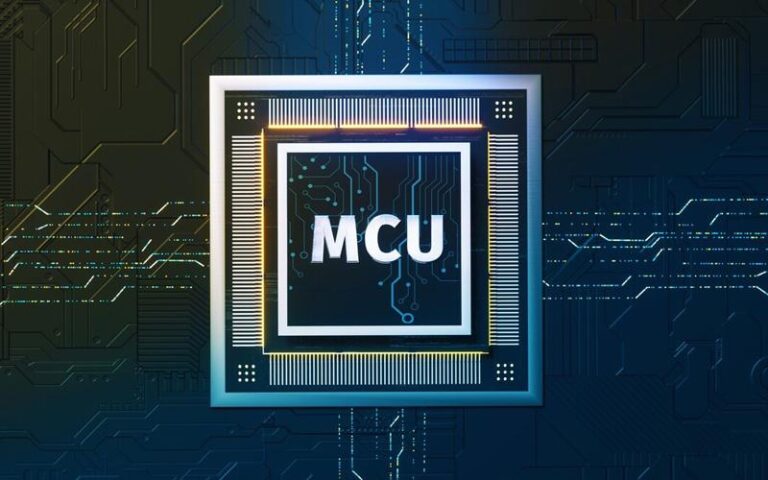
Selecting the right microcontroller (MCU) isn’t just about specs—it’s about balancing performance, power, cost, and supply chain reliability. As an engineer, you’ve probably faced…
Read More
NXP Semiconductors (NASDAQ: NXPI), a global leader in automotive, industrial, and IoT semiconductors, has officially notified customers of an upcoming price adjustment for select…
Read More
If you’ve spent any time staring at a schematic, you’ve seen the triangle. Two inputs, one output, and a gain symbol that looks deceptively…
Read More
Choose an AC to DC converter by input range, output demand, isolation, efficiency and thermal derating. Compare architectures and check installation needs.
Read More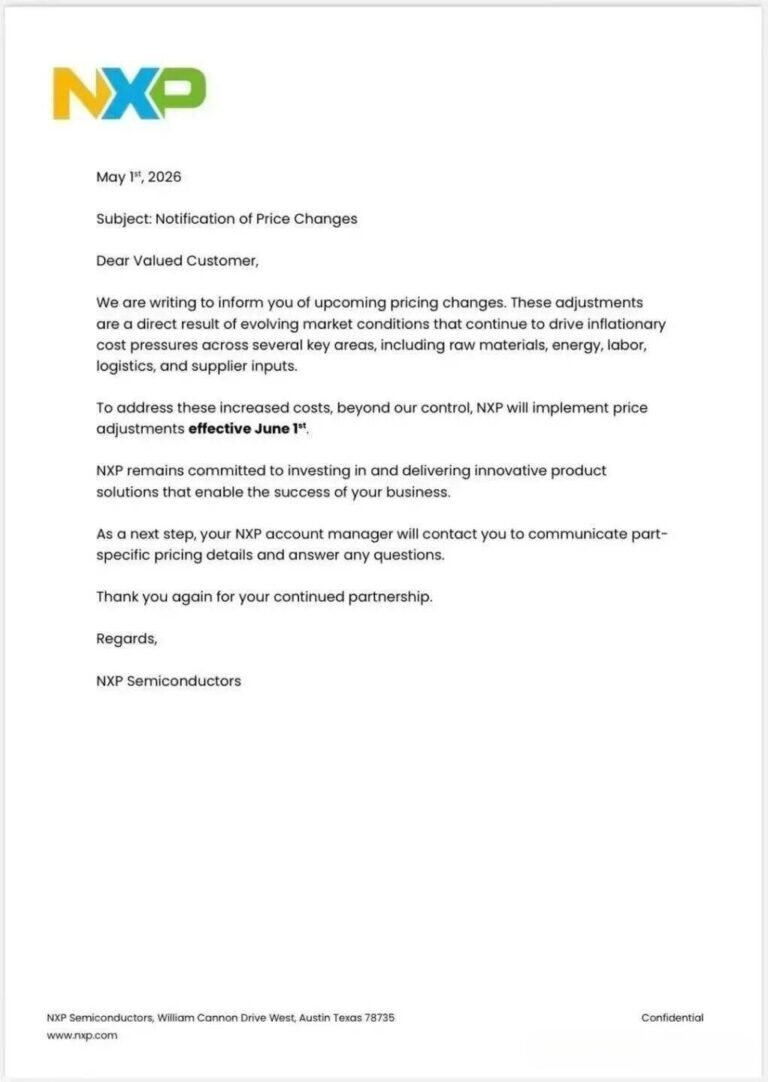
May 8, 2026 – Eindhoven, Netherlands NXP Semiconductors (NXPI), a global leader in automotive and industrial semiconductor solutions, has officially notified its worldwide channel…
Read More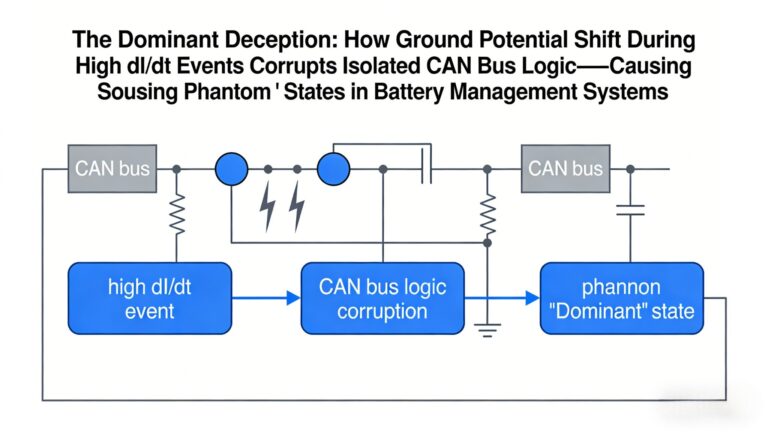
Stay ahead with ChipApex Insights — technical deep dives, market trends, and sourcing tips for memory, microcontrollers, power management, and industrial-grade components. Trusted by…
Read More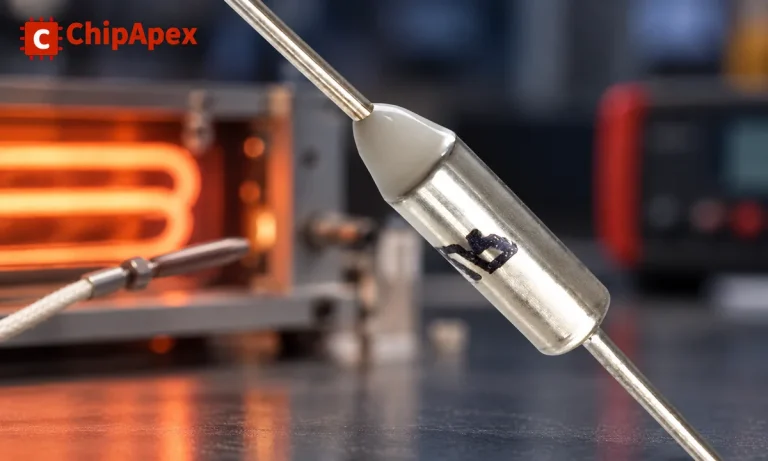
Understand thermal fuse operation, Tf, Th and Tm, electrical ratings and mounting. Check temperature limits and replacement requirements for your design.
Read More
Understand how oscillators generate timing signals, how they differ from crystals, and which frequency, output and stability specs matter when choosing one.
Read More
The activity of extra discounts on wholesale prices is in full swing…
Please fill in your contact information and we will send you the latest wholesale price list.