 ChipApex | Global Electronic Components Supplier

SEARCH
Search Product
Search Post
— IC芯片 | 连接器 | 传感器 | 被动器件 —
Search productSearch post
— IC芯片 | 连接器 | 传感器 | 被动器件 —
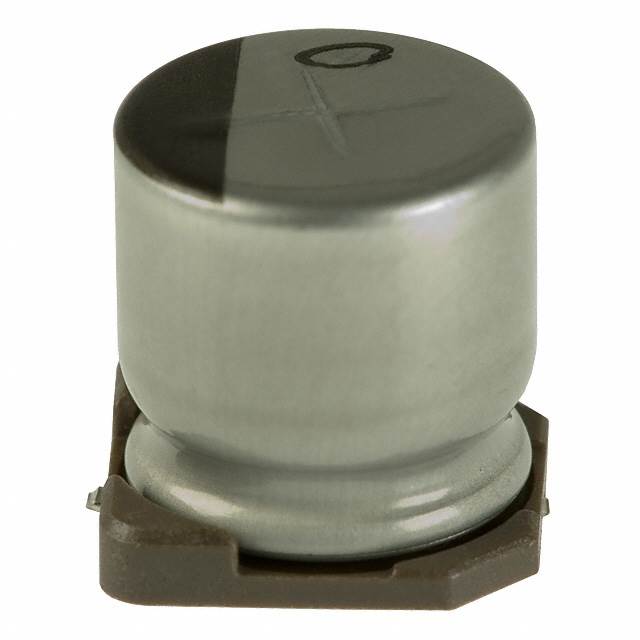
An electrolytic capacitor is a type of polarized capacitor that uses a wet electrolytic solution and an oxide film to store electrical charge. An example is the aluminum electrolytic capacitor which contains two closely spaced spooled strips of aluminum foil for the positive anode and negative cathode. These are separated by a thin spacer material soaked in the wet electrolyte. The thin insulating layer of aluminum oxide formed on the anode between the foil plates acts as the dielectric, creating a high-capacitance device in a compact package. These polarized capacitors are well-suited for applications where space and weight are at a premium, such as in electronic devices, power supplies, and filtering circuits.
| Select products | Mfr | Description | Package | Supplier Device Package | Mounting Type | Series | Operating Temperature |
|---|---|---|---|---|---|---|---|
 16ZLJ3900M12.5X35 $1.98 | Rubycon | CAP ALUM 3900UF 20% 16V RADIAL | Bulk | Through Hole | ZLJ | -40°C ~ 105°C | |
16ZLJ3900MCC12.5X35 $0.62 | Rubycon | CAP ALUM 3900UF 20% 16V RADIAL | Bulk | Through Hole | ZLJ | -40°C ~ 105°C | |
 16ZLJ3900MG412.5X35 $0.72 | Rubycon | CAP ALUM 3900UF 20% 16V RADIAL | Tape & Box (TB) | Through Hole | ZLJ | -40°C ~ 105°C | |
 16ZLJ4700M16X25 $2.06 | Rubycon | CAP ALUM 4700UF 20% 16V RADIAL | Bulk | Through Hole | ZLJ | -40°C ~ 105°C | |
16ZLJ4700MGC16X25 $0.71 | Rubycon | CAP ALUM 4700UF 20% 16V RADIAL | Tape & Box (TB) | Through Hole | ZLJ | -40°C ~ 105°C | |
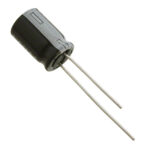 16ZLJ470M8X11.5 $0.47 | Rubycon | CAP ALUM 470UF 20% 16V RADIAL TH | Bulk | Through Hole | ZLJ | -40°C ~ 105°C | |
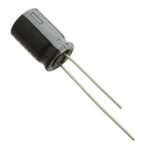 16ZLJ470MT78X11.5 $0.45 | Rubycon | CAP ALUM 470UF 20% 16V RADIAL TH | Cut Tape (CT),Tape & Box (TB) | Through Hole | ZLJ | -40°C ~ 105°C | |
 16ZLJ470MTA8X11.5 $0.44 | Rubycon | CAP ALUM 470UF 20% 16V RADIAL TH | Cut Tape (CT),Tape & Box (TB) | Through Hole | ZLJ | -40°C ~ 105°C |
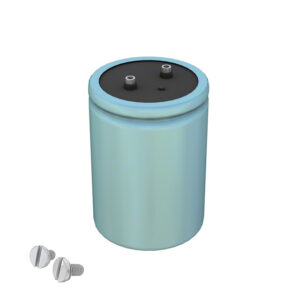 CG223U050X4CView Product
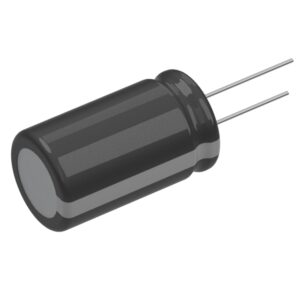 450CXW68MEFR16X25View Product
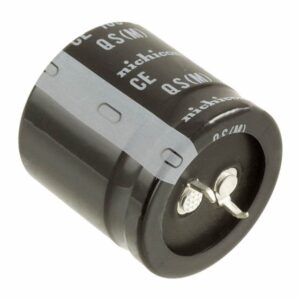 LQSW6271MELB30View Product
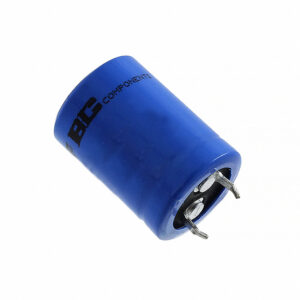 MAL209444101E3View Product
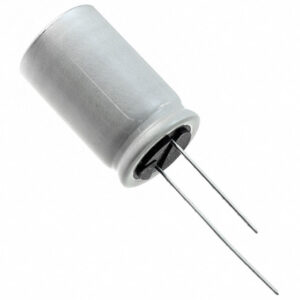 EGPD101ELL621MM30HView Product
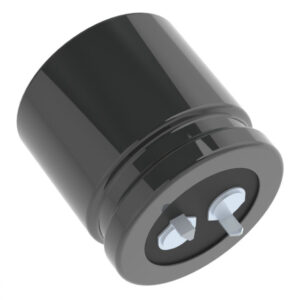 ESMM161VSN122MR30TView Product
 LNY2W182MSEGBNView ProductVZH4R7M1VTR-0406SView ProductB41895C6128MView Product
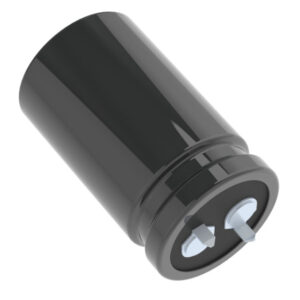 EKMS181VSN102MQ40SView Product
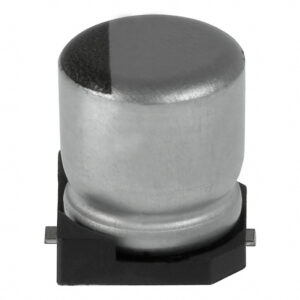 EMZF6R3ARA331MF90GView Product
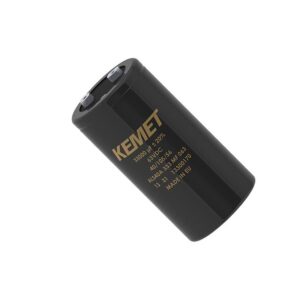 ALS41C332NP450View Product

Understand how a comparator switches at a voltage threshold, why hysteresis prevents chatter, and which output and input specs matter.
Read More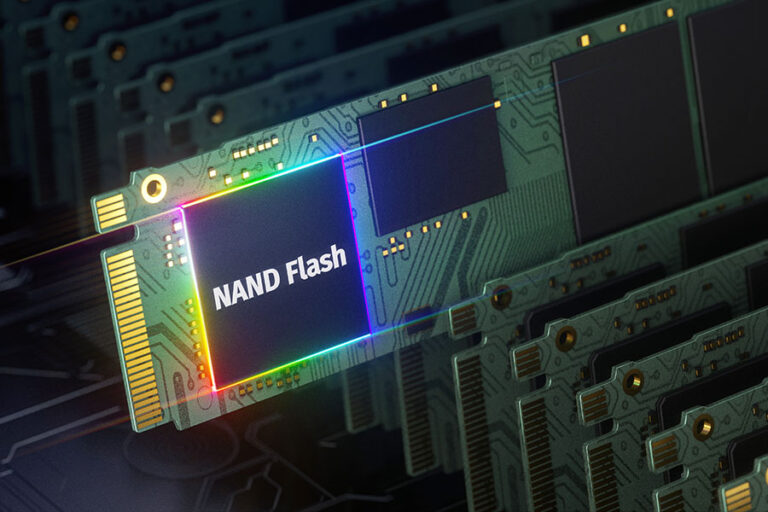
What Is NAND Flash? A Practical Guide for Engineers & Procurement Teams In today’s data-driven world—from smartphones and SSDs to industrial IoT devices—NAND flash…
Read More
Choose a DIP switch by contact type, coded positions, footprint and signal ratings. Check logic polarity, assembly conditions and PCB configuration behavior.
Read More
Learn why PTC resistance rises with temperature, how it differs from NTC, and which ratings matter for sensing and protection.
Read More
A perfect storm of surging demand and supply chain disruptions is roiling the global electronic components market, with advanced semiconductors and critical materials now…
Read More
Select a bridge rectifier by reverse voltage, capacitor charging current, startup surge and cooling. Work through a stated DC voltage and ripple example.
Read More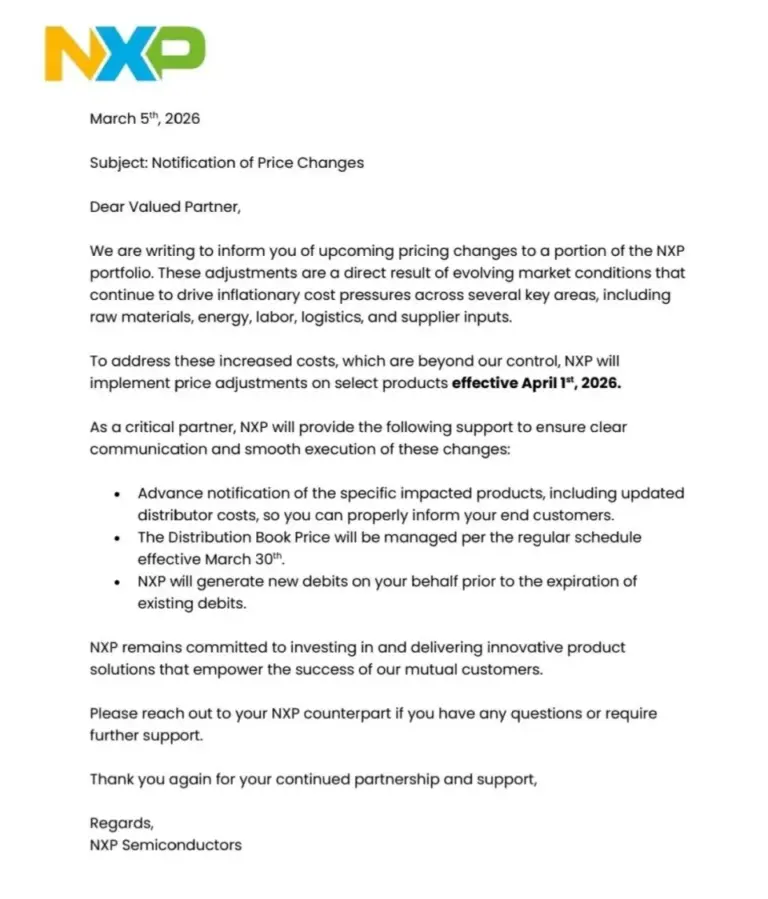
NXP Semiconductors (NASDAQ: NXPI), a global leader in automotive, industrial, and IoT semiconductors, has officially notified customers of an upcoming price adjustment for select…
Read More
Selecting the right microcontroller (MCU) isn’t just about specs—it’s about balancing performance, power, cost, and supply chain reliability. As an engineer, you’ve probably faced…
Read More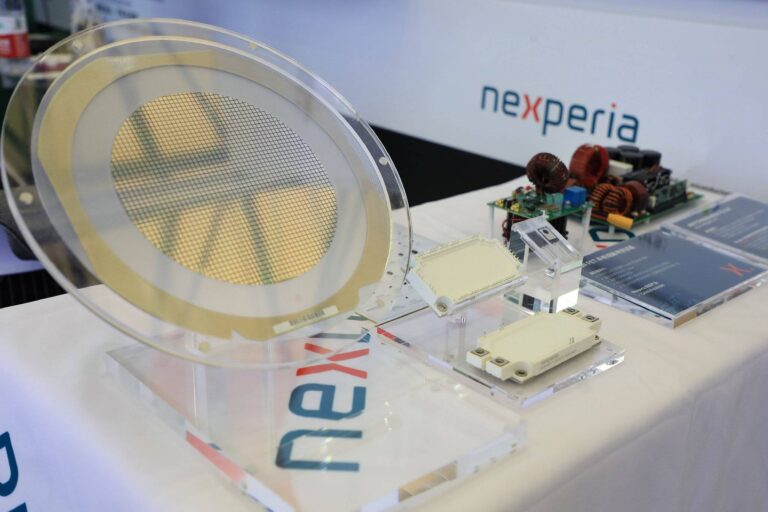
Dutch authorities announced on November 7 the lifting of control measures on Nexperia (formerly NXP Semiconductors’ Standard Products division), marking the end of a…
Read More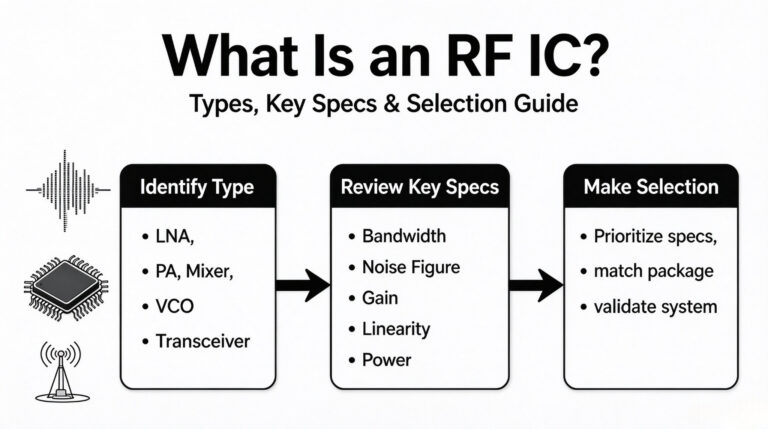
An RF IC, or radio-frequency integrated circuit, is a chip that processes wireless signals between the antenna and the baseband processor. Instead of building…
Read More
If you’ve spent any time staring at a schematic, you’ve seen the triangle. Two inputs, one output, and a gain symbol that looks deceptively…
Read More
Learn how a diode conducts, how to identify anode and cathode, and when to choose rectifier, TVS, Zener or photodiode types for a circuit.
Read More
The activity of extra discounts on wholesale prices is in full swing…
Please fill in your contact information and we will send you the latest wholesale price list.

