 ChipApex | Global Electronic Components Supplier

SEARCH
Search Product
Search Post
Search productSearch post
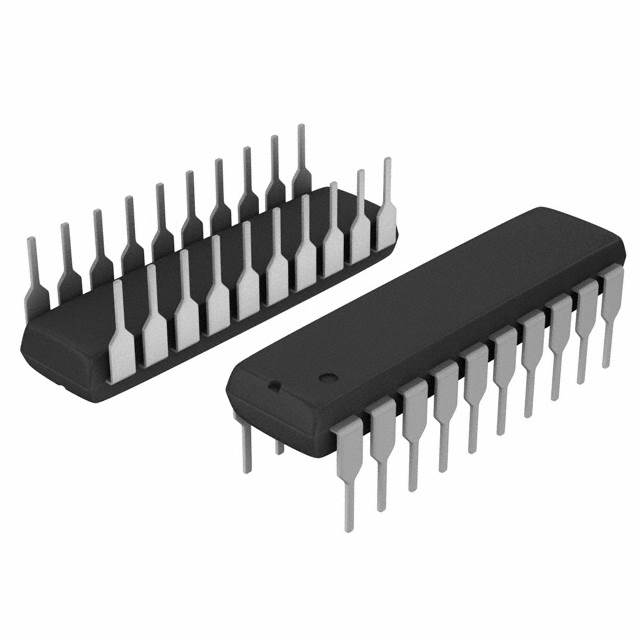
Microcontroller products are relatively complex, user-programmable digital logic devices. Closely related to devices considered microprocessors, the distinction between the two reduces largely to the manufacturer\'s choice of noun, though by tradition microcontrollers integrate working memory, are more likely to incorporate mixed-signal peripherals and tend to be used with simpler software paradigms oriented toward repetitive execution of a predefined series of tasks.
 R4F2113DBG#U0View Product
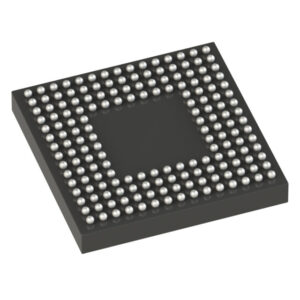
 F273-CEG-T-TRView Product
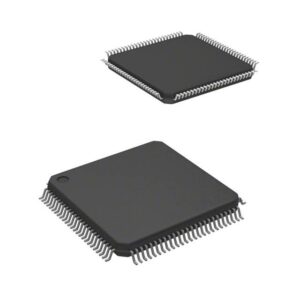 MSP430F67621AIPZView Product
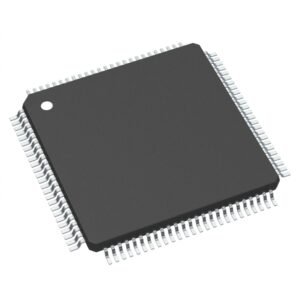 R5F56107VNFP#V0View Product
 S1C17W36F001100View Product
 S32K314EHT1MMMSRView ProductDSPIC33AKV512GMS505-I/M7View Product
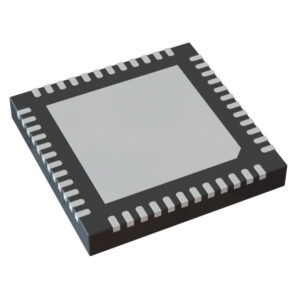 R5F5111JAGNE#0AView Product
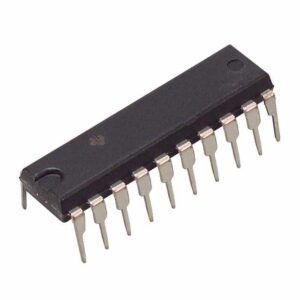 MSP430G2352IN20View Product
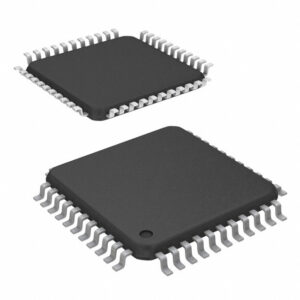 PIC18F47Q10T-I/PTView Product
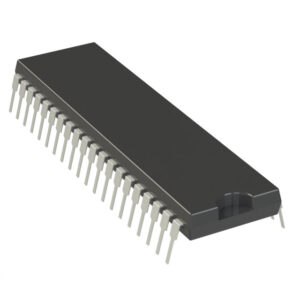 PIC16F15376-E/PView Product
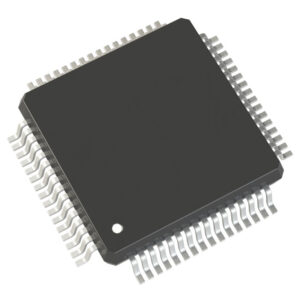 SPC5604BAMLH6RView Product
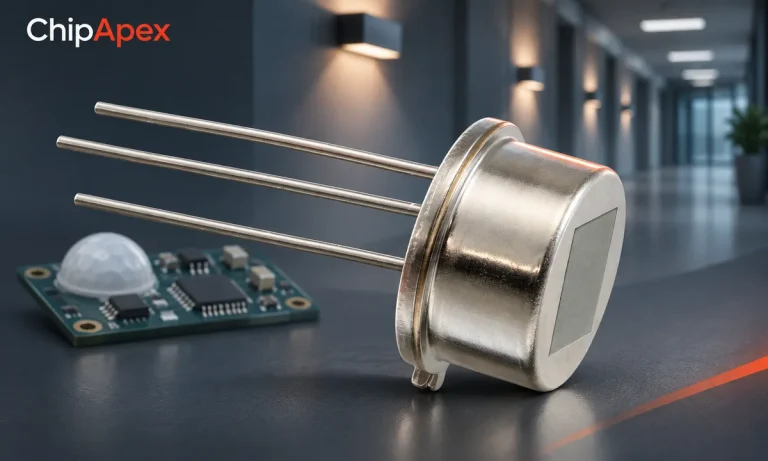
Understand how motion sensors work. Compare PIR, radar and ultrasonic sensing, then check presence detection, false triggers, optics and signal conditioning.
Read More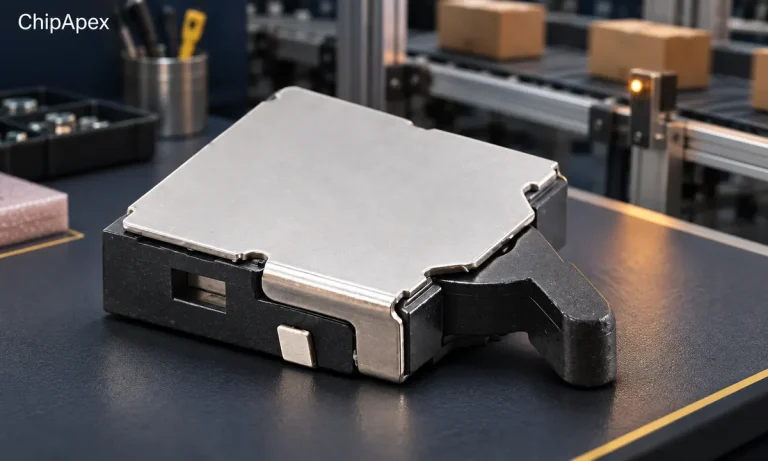
Choose a limit switch by actuator, travel, contact ratings and environment. Understand pretravel, overtravel and practical checks for machine integration.
Read More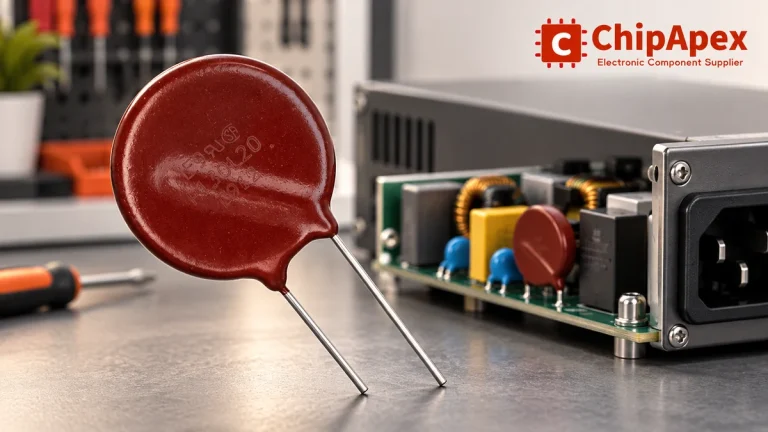
Select MOV varistors by continuous voltage, clamping behavior, surge waveform and repetition. Check thermal disconnection, fuse coordination and replacements.
Read More
Choose a vibration sensor for machine monitoring. Compare sensing methods, bandwidth, noise and mounting, then define the signal-chain requirements.
Read More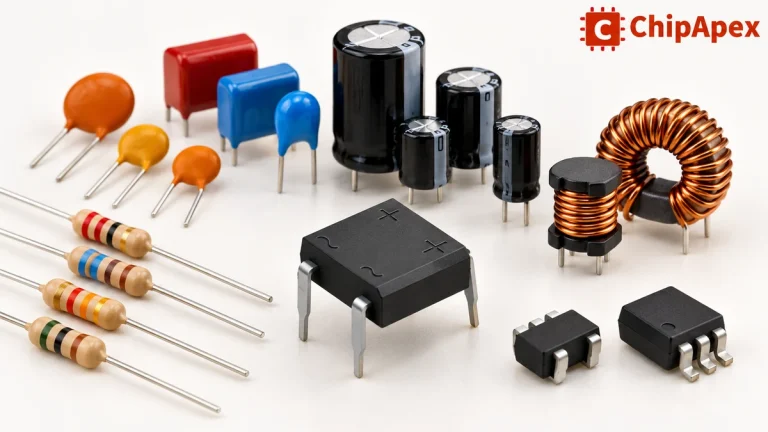
Explore electronic component types, functions, packages and datasheets. Learn selection, replacement and BOM checks before ordering parts for your PCB.
Read More
Recently, a survey by the Electronic Components Industry Association (ECIA) revealed that the sales sentiment of global electronic components remained optimistic in the third…
Read More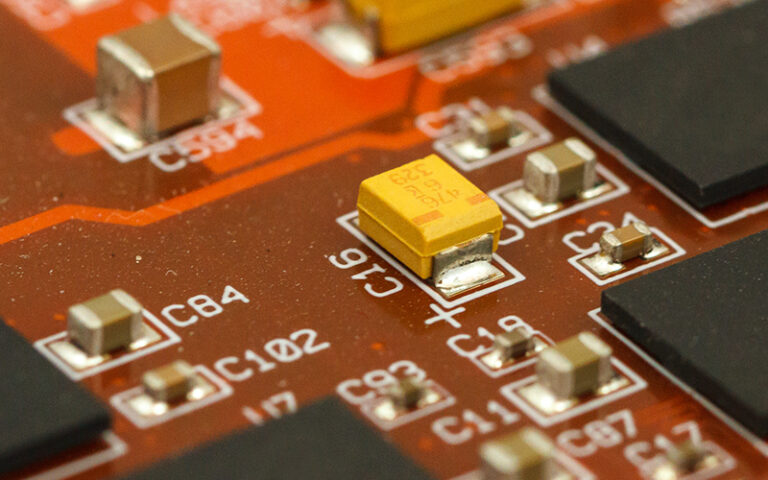
The global electronics industry is facing an escalating shortage of tantalum capacitors, a critical passive component, as surging demand from AI servers, automotive electronics,…
Read More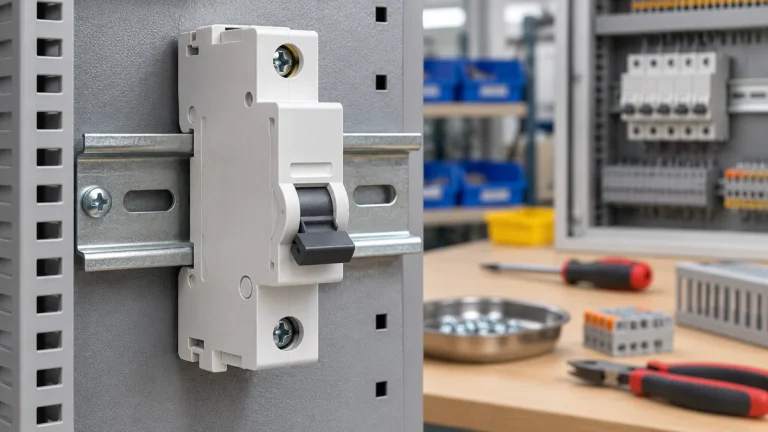
Choose a miniature circuit breaker for a control panel. Compare trip curves, startup duration, interrupting capacity and branch protection requirements.
Read More
Compare thermistors, RTDs, thermocouples and temperature ICs. Learn how range, accuracy, response, interfaces and mounting affect component selection.
Read More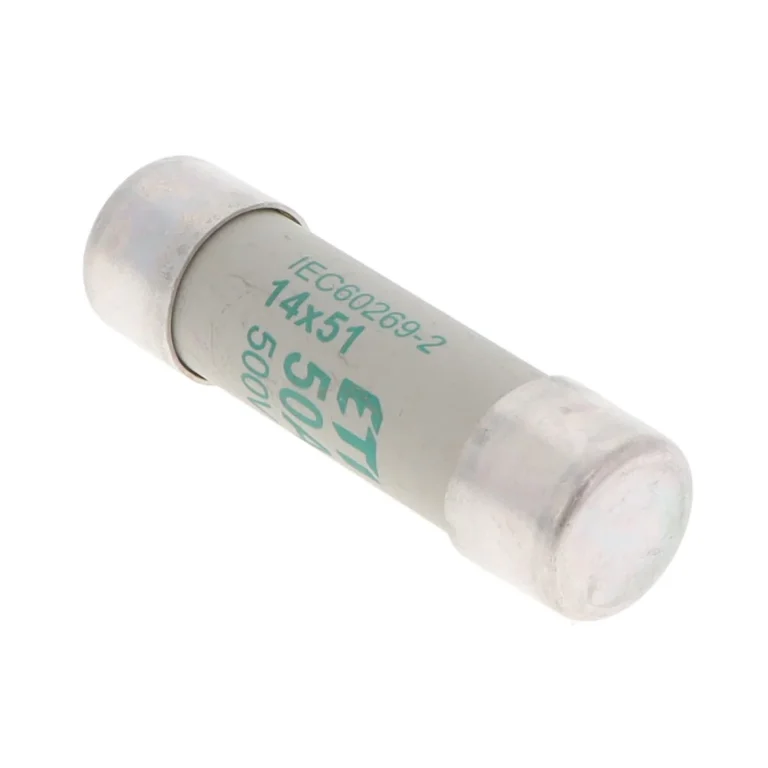
Understand HRC fuse breaking capacity, voltage and current ratings, time-current curves, and the checks needed for motor, feeder and converter protection.
Read More
The global memory market is entering an unprecedented supply-constrained phase as soaring demand from artificial intelligence (AI) infrastructure collides with strategic capacity reallocations by…
Read More
Learn how a Zener diode regulates voltage. Calculate resistor current and power, check tolerance and temperature, and distinguish Zener and TVS applications.
Read More
The activity of extra discounts on wholesale prices is in full swing…
Please fill in your contact information and we will send you the latest wholesale price list.

