 ChipApex | Global Electronic Components Supplier

SEARCH
Search Product
Search Post
Search productSearch post
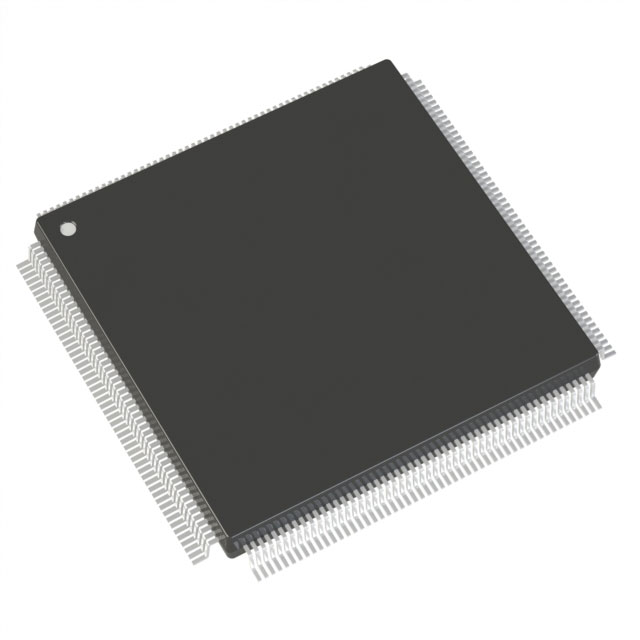
Embedded systems are specialized computing systems designed to perform dedicated functions via software within a larger system. They are optimized for specific tasks and are often integrated into devices or machines to run various applications. Included in this category are programmable logic devices (PLDs), complex programmable logic devices (CPLDs), digital signal processors (DSPs), field programmable gate arrays (FPGAs), microcontrollers or microprocessors, system-on-chip (SoC), and more.
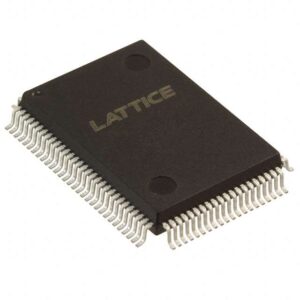 M4A5-128/64-55YNCView Product
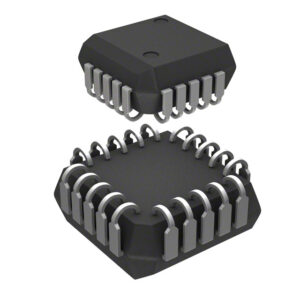 ATF16LV8C-10JIView Product
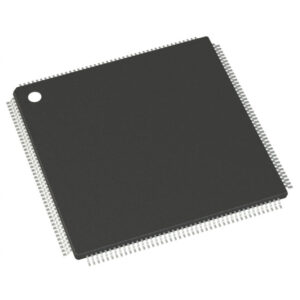 AT94K40AL-25BQCView Product
 PAC52723QM-TView Product
 EPM570GT144C4View Product
 DC-SP-01-CView Product
 R5F100GGANA#U0View Product
 ADSP-BF527BBCZ-6AView Product
 BCM47622LA1KFEBGView Product
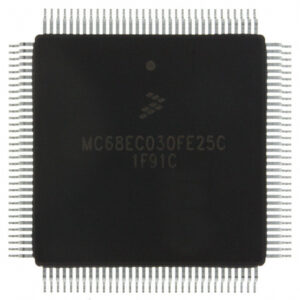 MC68EC030FE40CView Product
 XCVM1402-1MSIVSVD1760View Product
 AGL1000V5-FG256IView Product
Plan electronics thermal management with power-loss estimates, thermal metrics, sensor placement and fan control. Check heat paths and validate your system.
Read More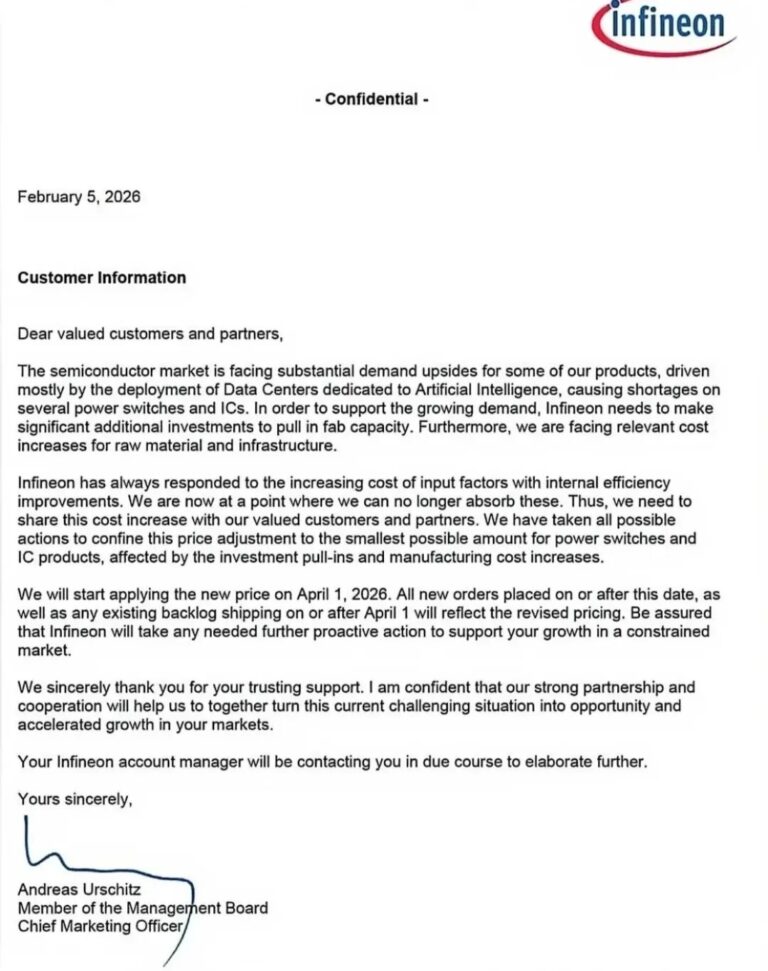
Munich, Germany – February 8, 2026 — Infineon Technologies, the German semiconductor giant, officially issued a price increase notice on February 5, announcing that…
Read More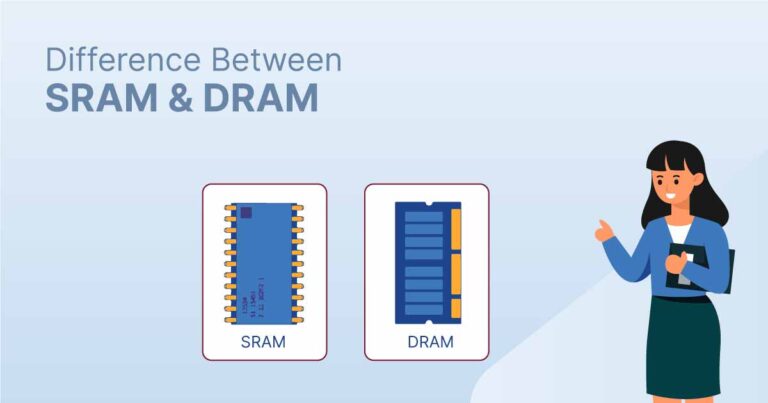
In an era dominated by AI accelerators with terabytes of HBM memory and consumer devices racing toward LPDDR5X bandwidth, it’s easy to wonder: why…
Read More
Understand how an electric energy meter measures power and accumulates kWh. Review sensing, phase alignment, calibration and metering IC selection.
Read More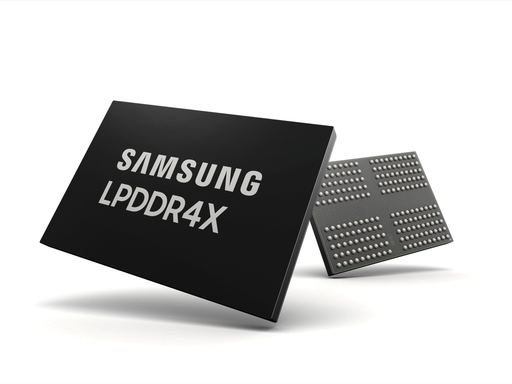
Samsung Electronics, the world's largest memory chip manufacturer, has officially confirmed the end-of-life (EOL) for its LPDDR4 and LPDDR4X low-power DRAM products, marking a…
Read More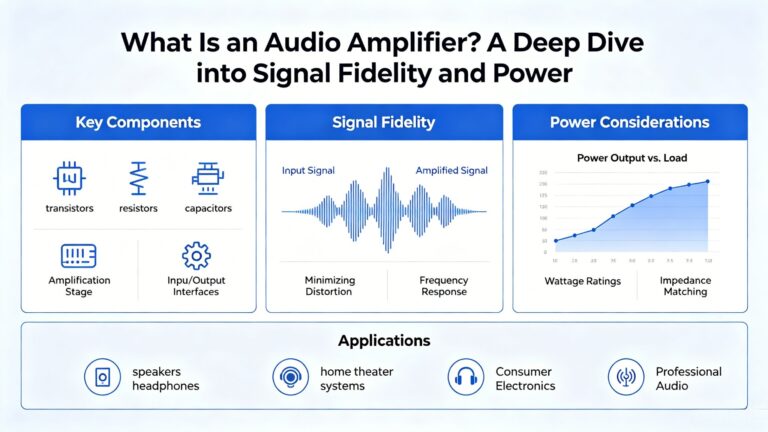
In the world of embedded electronics, getting a device to "think" is only half the battle. The other half is getting it to communicate…
Read More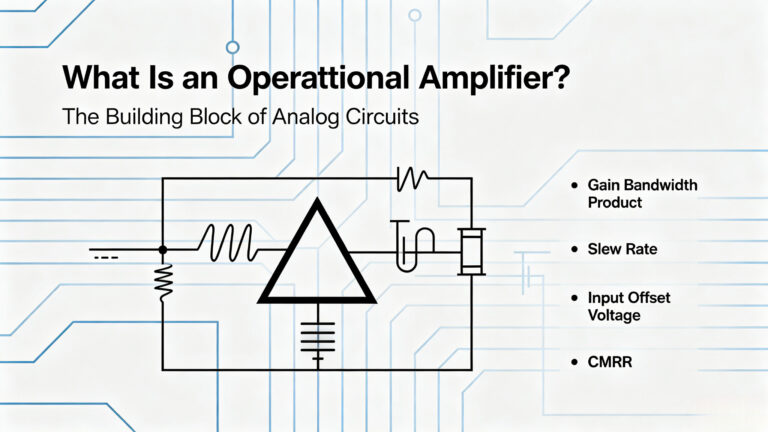
If you’ve spent any time staring at a schematic, you’ve seen the triangle. Two inputs, one output, and a gain symbol that looks deceptively…
Read More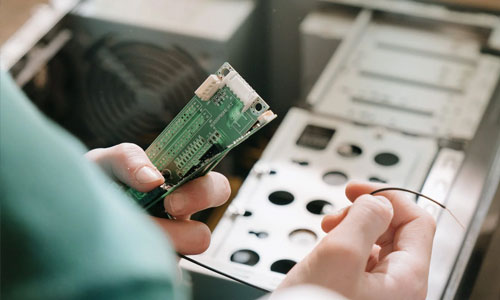
[Shenzhen/Shanghai/Beijing, January 2025] — As global digital transformation accelerates, the electronic components industry has reached a critical inflection point in 2025. Emerging fields such…
Read More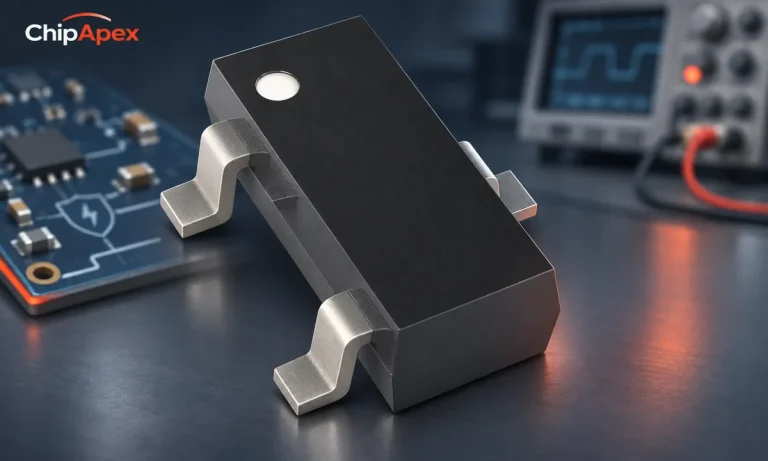
Learn how a Zener diode regulates voltage. Calculate resistor current and power, check tolerance and temperature, and distinguish Zener and TVS applications.
Read More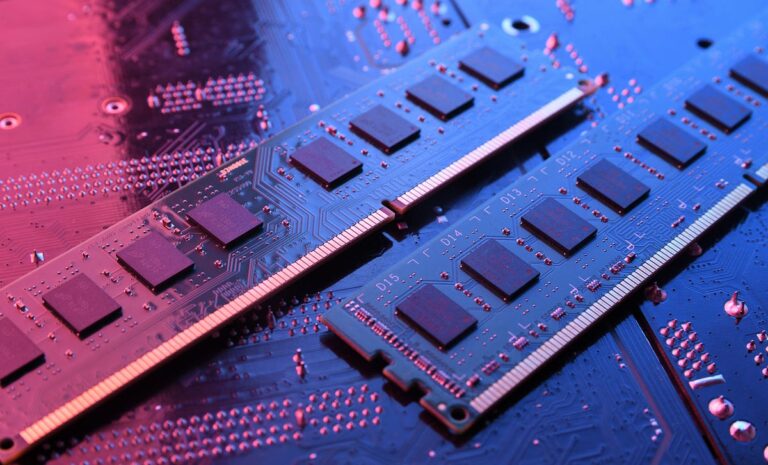
In the world of electronics, memory components play a critical role in system performance—and DRAM (Dynamic Random-Access Memory) is one of the most widely…
Read More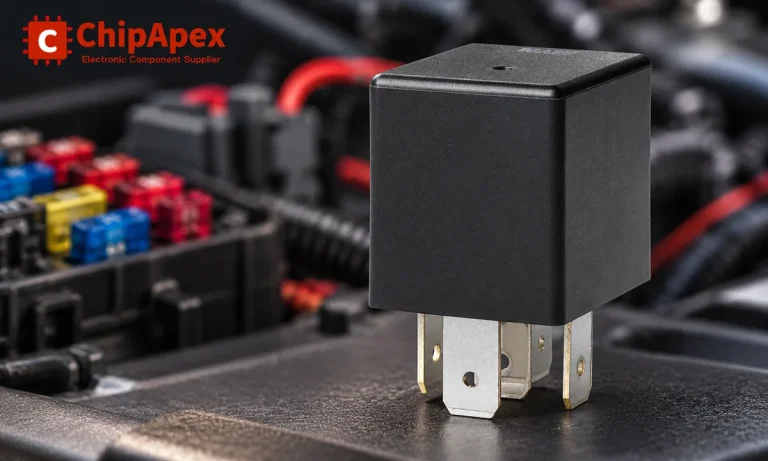
Learn the relay definition, coil and contact operation, NO and NC forms, load ratings and suppression choices. Compare mechanical, reed and solid-state types.
Read More
Understand how a comparator switches at a voltage threshold, why hysteresis prevents chatter, and which output and input specs matter.
Read More
The activity of extra discounts on wholesale prices is in full swing…
Please fill in your contact information and we will send you the latest wholesale price list.

