 ChipApex | Global Electronic Components Supplier

SEARCH
Search Product
Search Post
Search productSearch post
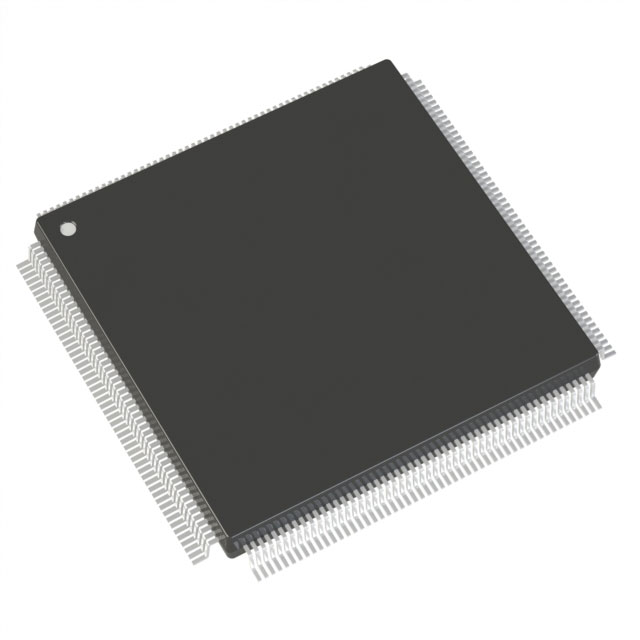
Embedded systems are specialized computing systems designed to perform dedicated functions via software within a larger system. They are optimized for specific tasks and are often integrated into devices or machines to run various applications. Included in this category are programmable logic devices (PLDs), complex programmable logic devices (CPLDs), digital signal processors (DSPs), field programmable gate arrays (FPGAs), microcontrollers or microprocessors, system-on-chip (SoC), and more.
| Select products | Mfr | Description | Package | Supplier Device Package | Mounting Type | Series | Operating Temperature |
|---|---|---|---|---|---|---|---|
 AMS32M2006AFB48-13 $2.52 | Diodes Incorporated | MOT DRV DC L-QFP7070-48 T&R 2K | Tape & Reel (TR),Cut Tape (CT) | 48-LQFP (7x7) | Surface Mount | - | -40°C ~ 105°C (TA) |
 CY8C20667S-24LQXIView Product
 R7FA2E1A93CNE#BA0View Product
 AT94K05AL-25DQCView Product
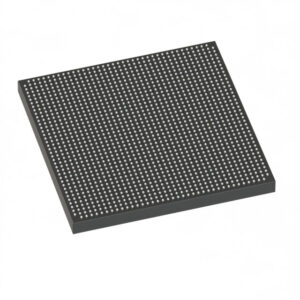 5AGXMB1G4F40I5GView Product
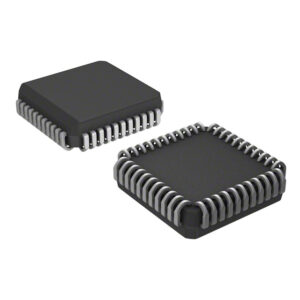 M4A3-64/32-55JNCView Product
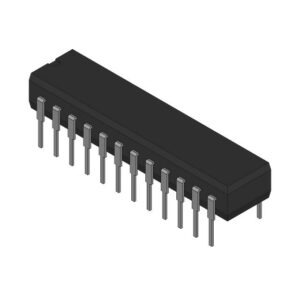 PAL20R8BMJS/883BView Product
 XPC8260CZUIHBCView Product
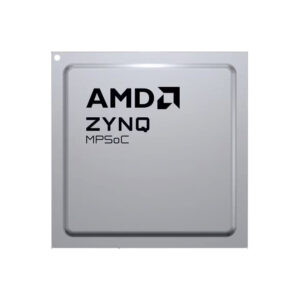 XCZU17EG-L2FFVC1760EView Product
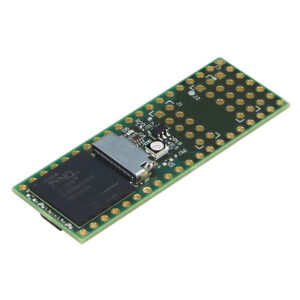 TE0722-02IView Product
 TMS320C6412GNZA500View ProductPNX9531E/V120,557View ProductAT94K40AL-25DQCView Product
Learn how a diode conducts, how to identify anode and cathode, and when to choose rectifier, TVS, Zener or photodiode types for a circuit.
Read More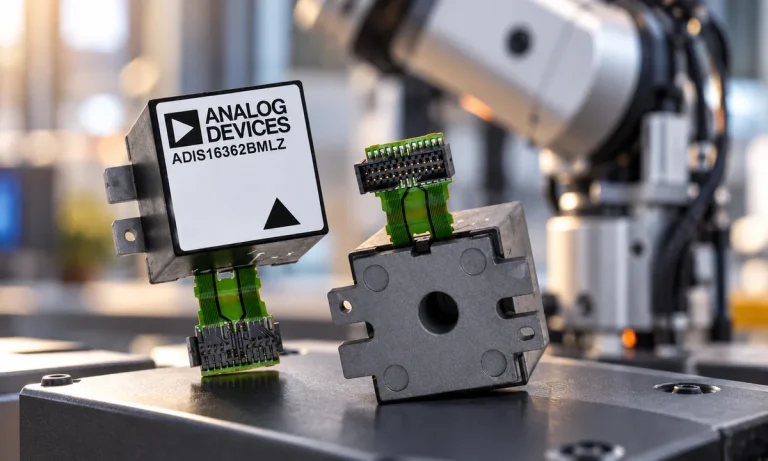
Learn what an IMU measures, how accelerometers and gyroscopes work together, why orientation estimates drift, and what to compare.
Read More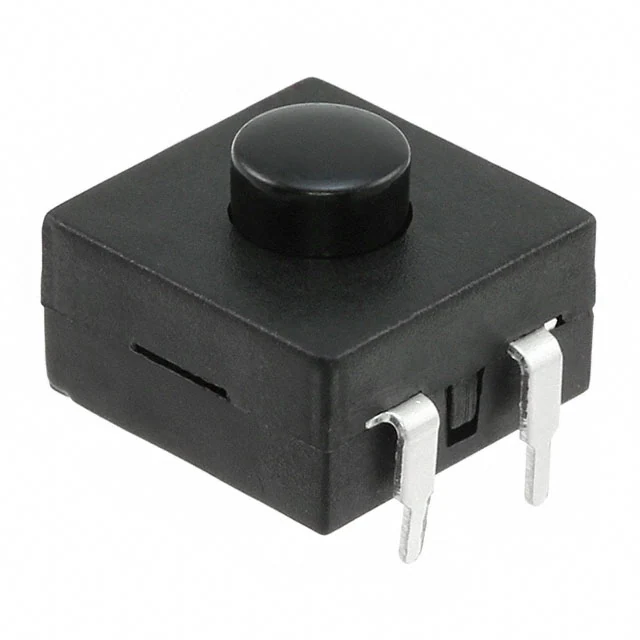
Compare momentary and latching push button switches. Check NO/NC contacts, micro-load current, illumination terminals, panel fit and replacement requirements.
Read More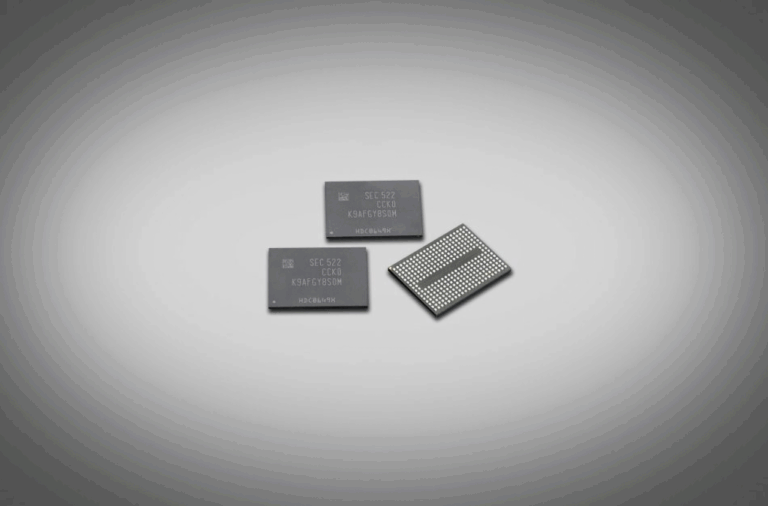
Date: May 13, 2026 The global memory industry is facing an unprecedented supply crunch in legacy MLC NAND Flash. Leading manufacturers including Samsung Electronics…
Read More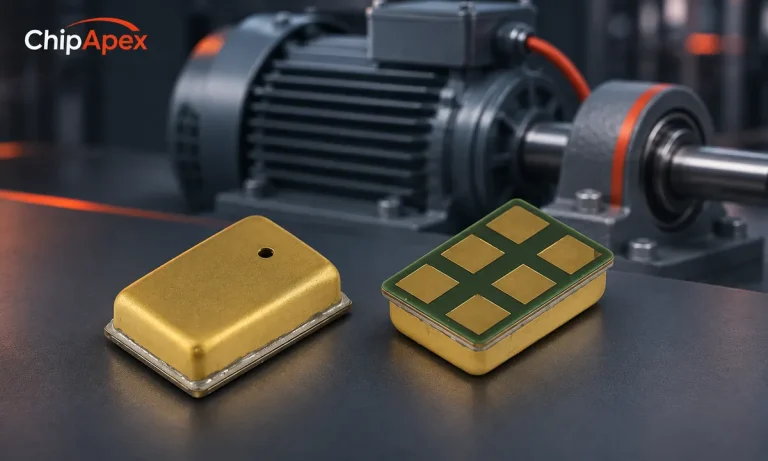
Choose a vibration sensor for machine monitoring. Compare sensing methods, bandwidth, noise and mounting, then define the signal-chain requirements.
Read More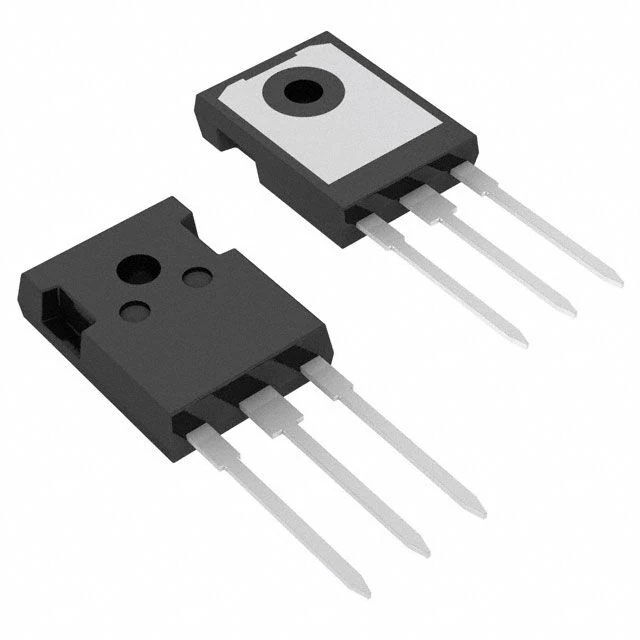
Learn how an IGBT works, compare MOSFET and IGBT losses, and check switching energy, gate drive, thermal limits and protection using a worked example.
Read More
Understand how an LDO regulates voltage. Check dropout, noise, PSRR, output capacitors and heat before selecting a low-dropout regulator for your circuit.
Read More
Learn what a transistor does in a circuit. Compare switching and amplification, BJT and MOSFET drive, operating limits and practical component selection.
Read More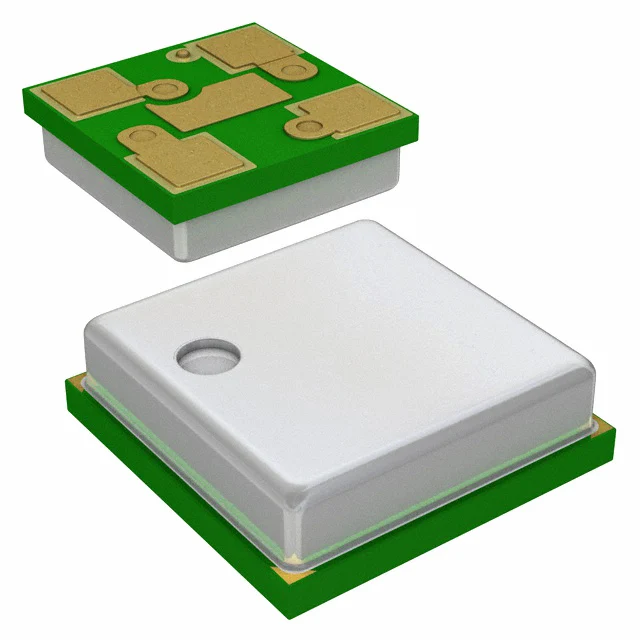
Interpret MAP sensor readings using local atmospheric pressure, convert a ratiometric signal to kPa and distinguish a pressure change from a signal fault.
Read More
Recently, the global electronic component market has witnessed a series of new developments. The strategic layouts and market collaborations of major enterprises are constantly…
Read More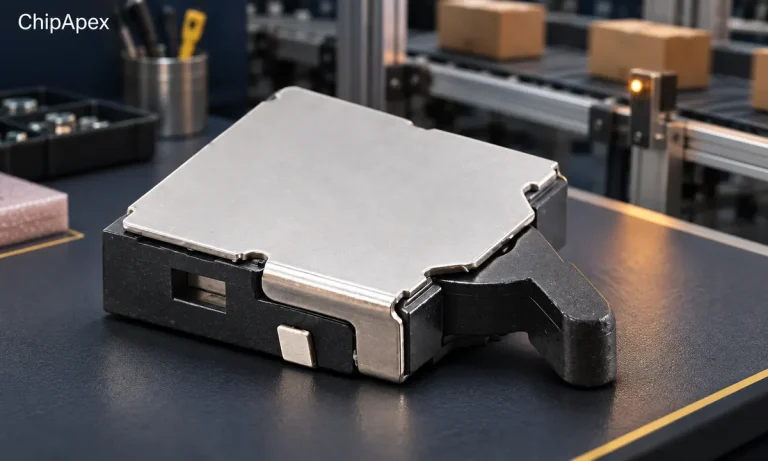
Choose a limit switch by actuator, travel, contact ratings and environment. Understand pretravel, overtravel and practical checks for machine integration.
Read More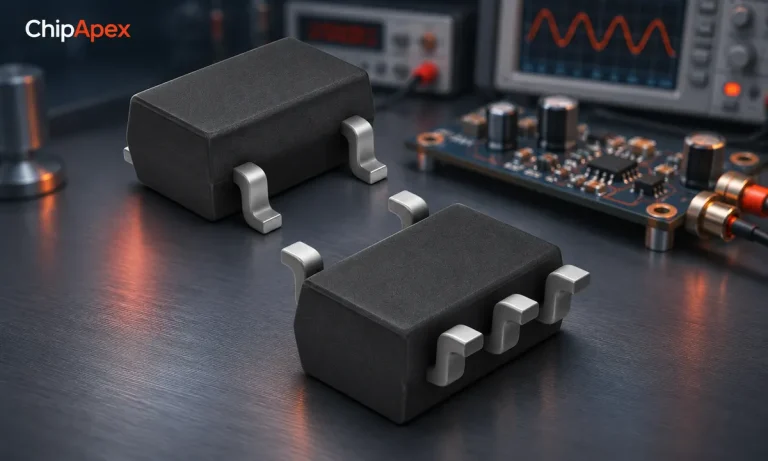
Learn how a JFET works and how to compare bias, leakage, noise and pinout. Review practical selection questions for high-impedance analog circuits.
Read More
The activity of extra discounts on wholesale prices is in full swing…
Please fill in your contact information and we will send you the latest wholesale price list.

