ChipApex | Global Electronic Components Supplier

SEARCH
Search Product
Search Post
— IC芯片 | 连接器 | 传感器 | 被动器件 —
Search productSearch post
— IC芯片 | 连接器 | 传感器 | 被动器件 —
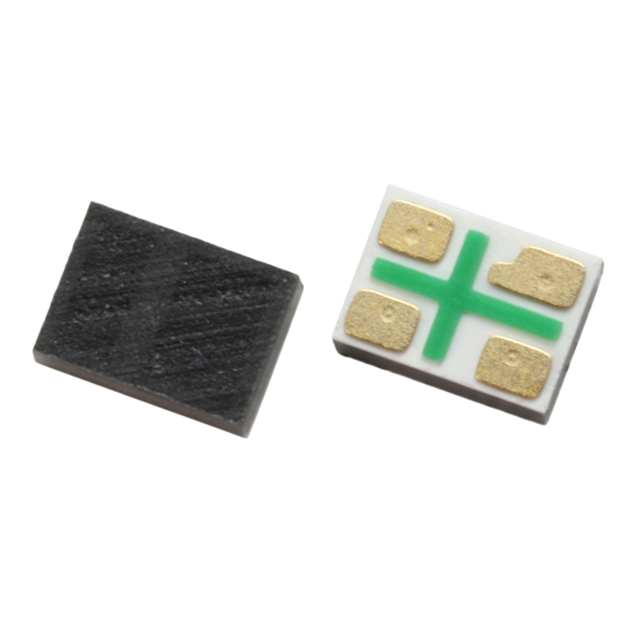
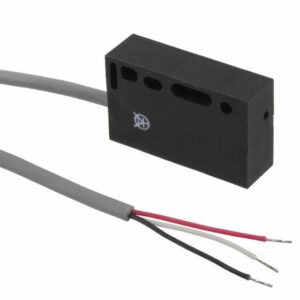
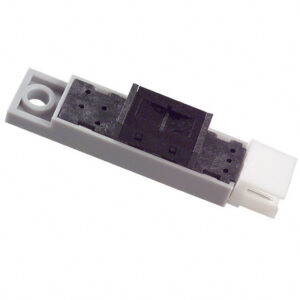
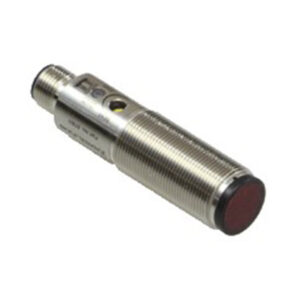
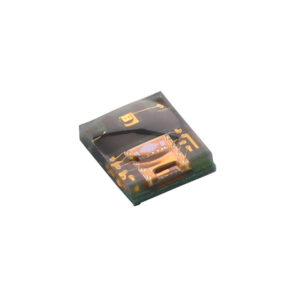
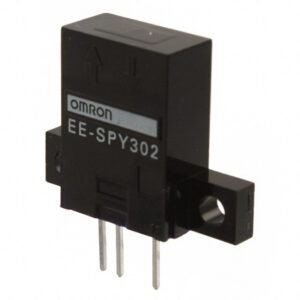
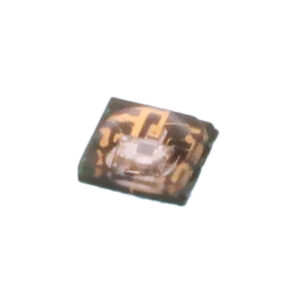
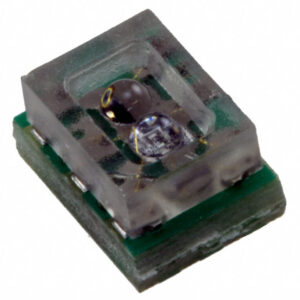
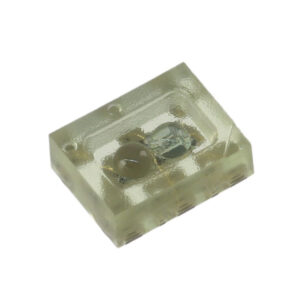
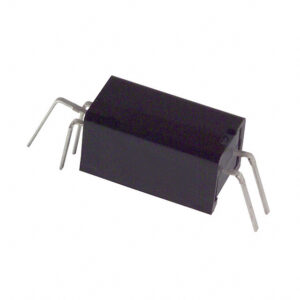
Products in the logic output reflective optical sensor family incorporate an optical emitter and light sensitive element (typically a phototransistor) mounted adjacent to each other and facing the same direction, such that light from the emitter that is reflected by an object in the sensor\'s field of view can be detected by the sensing element within the device. Logic output sensors of this type produce a binary (two-state) signal on the basis of whether or not the optical signal received by the photosensor exceeds some specified threshold value.
A digital-to-analog converter (DAC) turns a digital number into an analog voltage or current. It lets a controller set a physical output, such as…
Read More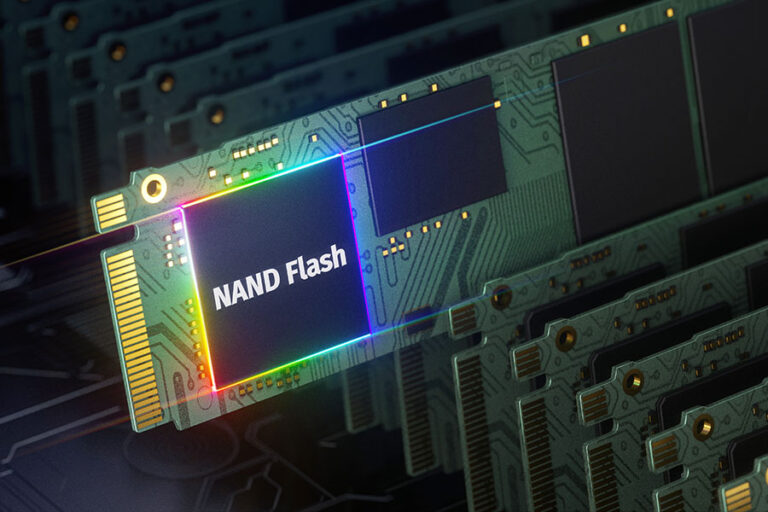
What Is NAND Flash? A Practical Guide for Engineers & Procurement Teams In today’s data-driven world—from smartphones and SSDs to industrial IoT devices—NAND flash…
Read More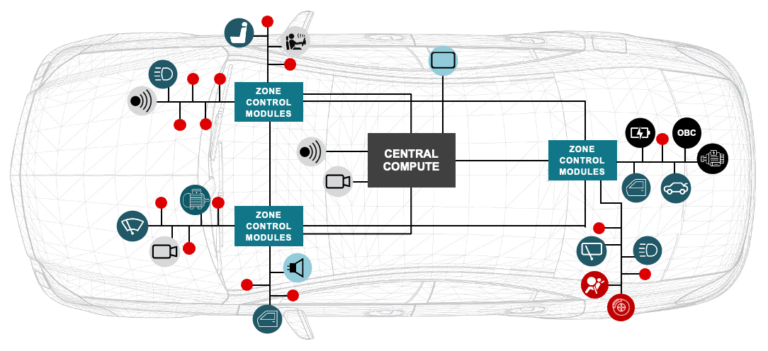
Las Vegas, January 6, 2026 — At the Consumer Electronics Show (CES) 2026, Texas Instruments (TI) (NASDAQ: TXN) announced a suite of next-generation semiconductor…
Read More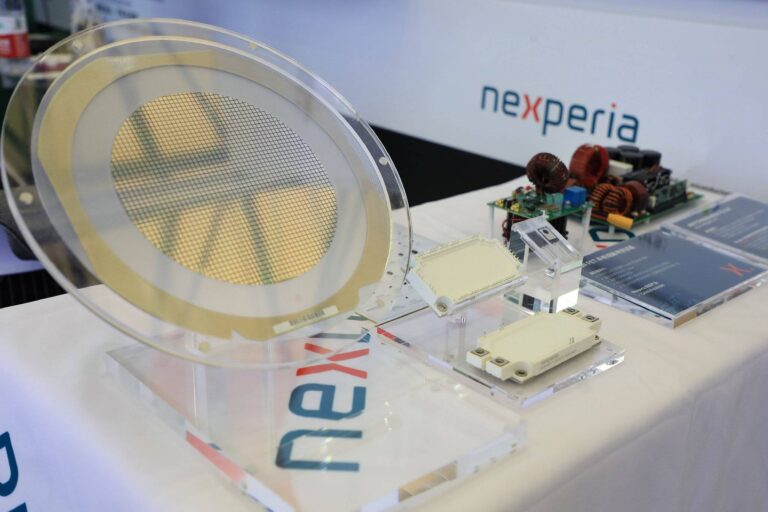
Dutch authorities announced on November 7 the lifting of control measures on Nexperia (formerly NXP Semiconductors’ Standard Products division), marking the end of a…
Read More
Learn how a pressure transducer converts pressure into voltage, current, or digital output, and compare pressure references and key selection specs.
Read More
Compare RC, crystal and MEMS oscillator circuits. Check ppm, jitter, load capacitance, startup margin and output compatibility before choosing a clock source.
Read More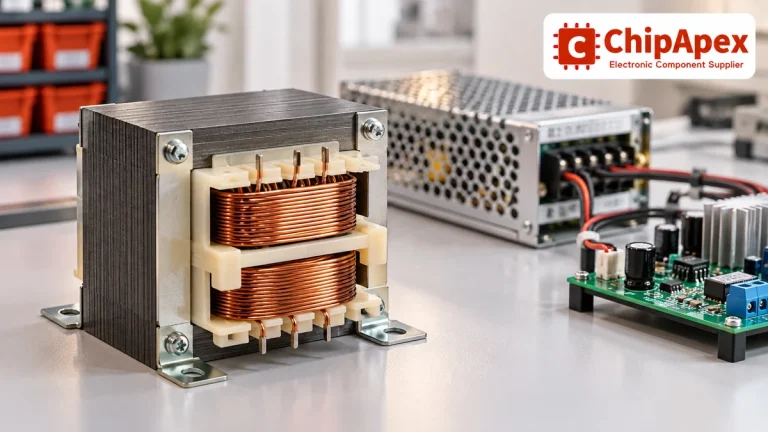
Select power transformers by input frequency, secondary VA, rectifier load, isolation, regulation and inrush. Build a clearer specification for your next RFQ.
Read More
In the world of embedded electronics, getting a device to “think” is only half the battle. The other half is getting it to communicate…
Read More
Understand how a comparator switches at a voltage threshold, why hysteresis prevents chatter, and which output and input specs matter.
Read More
In an era dominated by AI accelerators with terabytes of HBM memory and consumer devices racing toward LPDDR5X bandwidth, it’s easy to wonder: why…
Read More
In embedded design, the tug-of-war between cost and performance is constant. On one side, you have Microcontrollers (MCUs)—cheap, simple, and efficient. On the other,…
Read More
Find out when a bare shock switch needs a pull resistor, when an MCU internal pull-up is enough, and why sensor modules and piezo…
Read More
The activity of extra discounts on wholesale prices is in full swing…
Please fill in your contact information and we will send you the latest wholesale price list.